

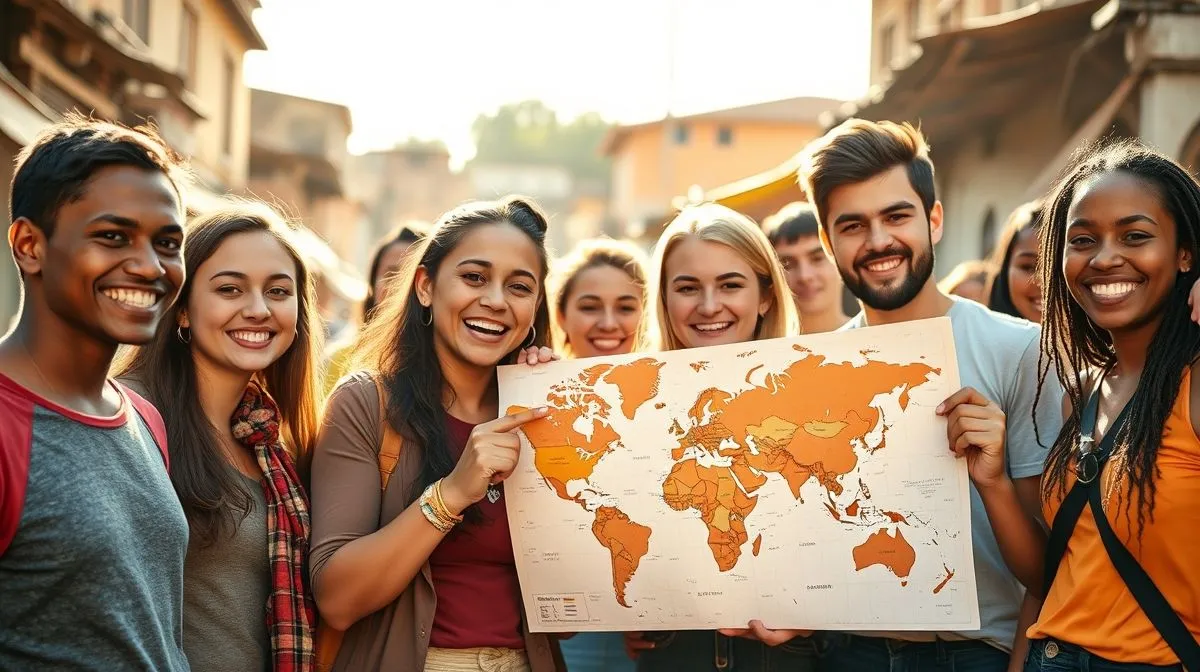
Unlocking Global Adventures: How to Fund Youth Volunteer Travel Experiences Abroad
Ever dreamt of making a tangible difference in the world, immersing yourself in a new culture, and gaining invaluable life skills, all while still in your youth? For many aspiring young global citizens, the allure of volunteer travel experiences abroad is undeniable. It promises adventure, purpose, and a profound personal transformation that few other experiences can offer.
However, a significant hurdle often looms large for these eager minds: the financial investment required. The question of “how to fund youth volunteer travel experiences abroad” can feel overwhelming, leading many to believe that such enriching opportunities are simply out of reach due to cost.
This comprehensive guide is designed to demystify the funding process, providing you with a clear, actionable roadmap. By the end of this reading, you will understand the various financial pathways available, learn strategic planning, and discover innovative methods to turn your dream of international volunteerism into a tangible reality.
Why Volunteer Travel Matters: Beyond the Passport Stamp
Before diving into the “how,” it’s crucial to understand the profound “why.” Youth volunteer travel is far more than a vacation; it’s an investment in personal development, global understanding, and community impact. The benefits extend far beyond the duration of the trip.
Personal Growth and Skill Development
Stepping out of your comfort zone and into an unfamiliar environment fosters incredible personal growth. Volunteers often develop crucial skills such as problem-solving, adaptability, cross-cultural communication, and leadership. Navigating new challenges, working with diverse teams, and contributing to meaningful projects build resilience and self-reliance that are invaluable for future academic and professional pursuits.
According to a study published by the Journal of Experiential Education, participants in international volunteer programs often report significant gains in empathy, critical thinking, and a greater sense of global responsibility. These are not merely soft skills; they are essential competencies in an interconnected world.
Cultural Immersion and Global Citizenship
Unlike traditional tourism, volunteer travel offers deep cultural immersion. You live and work alongside local communities, gaining authentic insights into their daily lives, traditions, and challenges. This firsthand experience cultivates a profound understanding of global issues and fosters a sense of global citizenship, encouraging a lifelong commitment to social justice and sustainable development.
You learn to appreciate diversity, challenge your own preconceptions, and develop a more nuanced perspective on the world. This kind of authentic interaction is impossible to replicate in a classroom or through casual travel.
Making a Tangible Difference
At its heart, volunteer travel is about contributing to a cause greater than oneself. Whether it’s assisting with environmental conservation, teaching English, building infrastructure, or supporting healthcare initiatives, your efforts directly impact the lives of others and the well-being of the planet. This sense of purpose and accomplishment is incredibly rewarding and can shape your future career and life choices.
For more on the broader impact of volunteering, consider exploring resources like Wikipedia's comprehensive article on Volunteering, which highlights its societal benefits.
The Core Challenge: Demystifying the Costs of Overseas Volunteering
The first step in understanding how to fund youth volunteer travel experiences abroad is to realistically assess the costs involved. Many assume the expenses are solely program fees, but a comprehensive budget includes several components.
Program Fees vs. Independent Travel
Most structured volunteer programs charge a fee. This fee typically covers accommodation, meals, in-country transportation related to the project, project support, orientation, and sometimes even pre-departure training. While these fees can seem substantial, they often cover essential logistical support and ensure the sustainability of the project and the local community.
Independent volunteer travel, while seemingly cheaper, requires significant personal planning and responsibility for all logistics, which can sometimes lead to unforeseen costs or safety issues if not meticulously managed. For youth, a structured program often provides a safer and more impactful experience.
Hidden Costs to Anticipate
Beyond the program fee, several other significant expenses must be factored into your budget:
- Flights: International airfare is often the largest single expense. Prices vary wildly depending on destination, time of year, and how far in advance you book.
- Visa and Passport: Application fees for passports and visas can add up, especially if expedited services are needed.
- Travel Insurance: Essential for medical emergencies, trip cancellations, lost luggage, and other unforeseen events. Never skip this.
- Vaccinations and Medical Supplies: Depending on your destination, specific vaccinations are required, and these can be costly. Consult a travel clinic well in advance.
- Personal Spending Money: For souvenirs, snacks, leisure activities, and unexpected personal needs.
- Emergency Fund: A crucial buffer for any unforeseen circumstances, like needing to return home early or unexpected medical costs not fully covered by insurance.
Strategic Funding Pathways: Your Blueprint for Success
Now, let's explore the concrete strategies on how to fund youth volunteer travel experiences abroad. A multi-pronged approach is often the most effective.
Scholarships and Grants: The Golden Ticket
Many organizations, foundations, and even some volunteer programs offer scholarships or grants specifically designed to help young people participate in international service. These are essentially free money that does not need to be repaid.
- Program-Specific Scholarships: Many volunteer organizations have their own financial aid options. Always check their website’s “Scholarships” or “Financial Aid” section.
- Academic Institution Grants: Your school, college, or university may offer grants for international study or service. Connect with your financial aid office or study abroad department.
- Community and Religious Organizations: Local Rotary Clubs, Lions Clubs, churches, synagogues, and other community groups often have funds to support youth initiatives, including international travel for service.
- Specialized Foundations: Foundations focused on youth development, environmental conservation, or specific regions may offer grants. Websites like Scholarships.com or similar aggregators can be a good starting point for your research.
- Government Programs: In some countries, government departments or cultural exchange programs may offer funding for youth to engage in international experiences.
The key to securing scholarships is early research, meticulous application, and highlighting your passion and alignment with the funder’s mission.
Crowdfunding and Personal Fundraising Campaigns
Leveraging your personal network and online platforms can be a powerful way to raise funds. Crowdfunding involves soliciting small donations from a large number of people.
- Online Platforms: Websites like GoFundMe, FundMyTravel, or even personal websites can host your campaign.
- Compelling Story: Share your “why.” Explain what you plan to do, why it matters, and how it will impact you and the community you’ll serve. Use photos and videos to make it personal.
- Regular Updates: Keep your donors engaged by posting updates on your progress, training, and eventually, your trip. This builds trust and encourages further support.
- Clear Goal and Transparency: Be transparent about your financial goal and how the funds will be used. Break down your budget.
Remember, successful crowdfunding is about inspiring people to invest in your journey and the positive change you aim to create.
Sponsorship and Community Support
Think locally. Many businesses, local clubs, and even individuals are willing to sponsor a young person’s impactful journey.
- Local Businesses: Approach businesses in your community with a professional proposal. Explain the marketing benefits for them (e.g., social media mentions, local newspaper features).
- Civic and Service Clubs: Organizations like Kiwanis, Rotary, or Lions Clubs often have community service grants or sponsorships available for youth projects.
- Family and Friends: Don’t underestimate the generosity of your immediate and extended network. Share your aspirations and ask for their support, whether through direct donations or by spreading the word.
When seeking sponsorship, be prepared to articulate the value of your experience and how it aligns with the sponsor’s values or goals.
Part-Time Work and Savings Strategies
The most direct way to fund your trip is through your own efforts. This demonstrates initiative and commitment, which can also impress scholarship committees and potential sponsors.
- Pre-Trip Employment: Take on a part-time job, summer job, or multiple gigs to save money specifically for your trip.
- Disciplined Savings: Create a dedicated savings account and set realistic weekly or monthly savings goals. Cut down on unnecessary expenses to maximize your contributions.
- Selling Unused Items: Declutter your home and sell items you no longer need online or at garage sales.
- Skill-Based Gigs: Offer services like tutoring, pet-sitting, babysitting, or lawn care to earn extra cash.
Every dollar you save yourself reduces the amount you need to raise from external sources, making your goal more attainable.
Crafting a Compelling Application: Stand Out from the Crowd
Whether you're applying for scholarships, grants, or seeking crowdfunding support, your application or appeal needs to be compelling and authentic.
Highlighting Your Passion and Purpose
Funder and donors want to see genuine enthusiasm and a clear understanding of why you want to volunteer and what you hope to achieve. Share your personal connection to the cause, your motivations, and how this experience aligns with your future goals. Use vivid language and specific examples to illustrate your commitment.
Avoid generic statements. Instead of “I want to help people,” say “I am passionate about sustainable agriculture and want to learn hands-on techniques in [country] to bring back knowledge that can benefit my local community.”
Demonstrating Financial Need and Responsibility
Be honest about your financial situation, but also show that you are taking responsibility for your funding. Detail what you have already saved, what you plan to earn, and how you are actively seeking other funding sources. This demonstrates maturity and commitment, reassuring funders that their investment will be well-utilized. Provide a clear, itemized budget to show you’ve thought through all the costs.
Seeking Strong Recommendations
Many applications require letters of recommendation. Choose individuals who know you well and can speak to your character, work ethic, leadership potential, and commitment to service. This could be teachers, mentors, employers, or community leaders. Provide them with all the necessary information about your trip and the funding opportunity to help them write a strong, tailored letter.
Innovative Fundraising Ideas: Beyond the Bake Sale
While bake sales are classic, think outside the box to generate excitement and funds. Creative fundraising can be more engaging and yield greater results when figuring out how to fund youth volunteer travel experiences abroad.
Event-Based Fundraising
- Charity Dinners or Lunches: Host a themed dinner party, charge a per-plate fee, and share your story during the event.
- Talent Show or Concert: Organize a local talent show or concert featuring friends and community members, charging an admission fee.
- Car Wash or Dog Walking Service: Offer practical services for a fee.
- Community Yard Sale: Collect donated items from friends and family and host a large yard sale.
Skill-Based Services
- Tutoring: Offer tutoring services in subjects you excel in.
- Graphic Design or Web Development: If you have these skills, offer them to local small businesses or individuals for a fee.
- Photography Services: Offer portrait sessions or event photography.
Creative Online Initiatives
- “Donate Your Birthday” Campaign: Ask friends and family to donate to your cause instead of buying you gifts for your birthday.
- Virtual Workshops or Classes: Teach a skill online (e.g., cooking, crafting, language basics) for a small fee.
- Social Media Challenges: Create an engaging challenge (e.g., run a certain distance, perform a task) and ask for pledges.
Budgeting and Cost-Saving Tips for Your Trip
Once you have your funding in place, smart budgeting during your trip can help stretch your money further.
Choosing Affordable Destinations and Programs
Not all volunteer programs or destinations are created equal in terms of cost. Generally, programs in Southeast Asia, parts of South America, or Eastern Europe can be more affordable than those in Western Europe, North America, or Australia. Research programs carefully, comparing what’s included in the fee.
Smart Travel Planning
- Book Flights Early: As soon as your dates are confirmed, book your flights. Prices typically increase closer to the departure date.
- Flexibility with Dates: If possible, be flexible with your travel dates. Flying mid-week or during the off-season can significantly reduce airfare.
- Use Budget Airlines: For internal flights within your destination country, budget airlines can save you money, but be aware of baggage fees.
- Student Discounts: Always inquire about student discounts for transportation, attractions, and accommodations.
Living Like a Local
Embrace the local lifestyle to save money and enhance your cultural experience.
- Eat Local: Street food and local markets are often cheaper and more authentic than tourist-oriented restaurants.
- Public Transportation: Utilize buses, trains, and local shared taxis instead of private cabs.
- Cook Your Own Meals: If your accommodation has kitchen facilities, buying groceries and cooking can be much cheaper than eating out.
- Limit Souvenirs: Focus on experiences and memories rather than accumulating expensive souvenirs.
Avoiding Common Pitfalls: Navigating the Funding Landscape Wisely
Even with the best intentions, some common mistakes can hinder your funding efforts or jeopardize your trip.
Scam Awareness
Unfortunately, the volunteer travel industry can attract unscrupulous operators. Be wary of programs that:
- Promise extravagant experiences for very low prices.
- Have vague project descriptions or lack clear objectives.
- Do not provide transparent information about how funds are used.
- Lack contact information or have poor reviews.
Always research organizations thoroughly, check reviews, and if possible, speak to past volunteers. Reputable organizations like those listed on UN Volunteers or through established universities offer transparent and impactful programs.
Underestimating Costs
A common mistake is creating an unrealistic budget. Always add a buffer of 10-15% for unexpected expenses. It’s better to have extra funds than to run out of money abroad.
Procrastination
Fundraising and scholarship applications take time. Start your efforts as early as possible, ideally 6-12 months before your intended departure date. This gives you ample time to research, apply, and execute fundraising initiatives.
Success Stories and Inspiration
Countless young people have successfully navigated the challenge of how to fund youth volunteer travel experiences abroad. Consider the story of a student who worked two part-time jobs throughout their final year of high school, saving diligently for a marine conservation project in Central America. Or the aspiring educator who secured a community grant from their local church, combined with a successful online crowdfunding campaign, to teach English in Southeast Asia. These stories share a common thread: determination, strategic planning, and a willingness to ask for support.
Often, the journey of funding itself teaches valuable lessons in perseverance, financial literacy, and community engagement, making the eventual volunteer experience even more meaningful.
Frequently Asked Questions (FAQ)
Is it possible to volunteer abroad for free? While truly “free” programs are rare due to operational costs, some organizations offer highly subsidized or fully funded opportunities, especially for specific skill sets or to address critical needs. These are often competitive and require significant application effort.
How long does it typically take to raise funds for a volunteer trip? The timeline varies greatly depending on the total cost and your fundraising methods. For a substantial trip, it’s wise to allow 6-12 months for a comprehensive fundraising strategy, including applications for scholarships and personal fundraising efforts.
What if I don’t have prior volunteer experience? Most youth volunteer programs welcome participants with varying levels of experience. What’s more important is demonstrating enthusiasm, a willingness to learn, and a commitment to the project’s goals. Highlight any relevant skills or passions in your applications.
Are there age limits for youth volunteer programs? Yes, most programs specify age ranges, often targeting high school students (15-18) or young adults (18-25). Always check the program’s specific age requirements before applying.
Can I get academic credit for volunteer travel? Some educational institutions allow students to earn academic credit for approved international volunteer or service-learning experiences. You would need to coordinate closely with your school’s academic advisors and potentially the volunteer organization to ensure it meets credit requirements.
Recommended Reading
- Ultimate Transcontinental Train Travel Planning Guide: Your Epic Journey Awaits!
- Don't Let Rain Ruin It: Your Ultimate Guide to a Rainy City Break
- Unlock Accessible Adventures: Your Ultimate Guide to Disability-Friendly Travel
- Unlock the Secrets: How to Plan the Perfect Après Ski Evening on a Budget
- Unlock Eco-Travel: What Gear Is Essential for Sustainable Adventure Travel?
Conclusion
The dream of youth volunteer travel experiences abroad is within reach, provided you approach it with determination, creativity, and a strategic mindset. While financial barriers are real, they are not insurmountable. By exploring scholarships, grants, crowdfunding, community support, and personal savings, you can build a robust funding plan.
Remember, this journey is not just about the destination; it’s about the growth, resilience, and global perspective you gain along the way. Take the first step today: research programs, start budgeting, and begin reaching out to your network. Your impactful global adventure awaits!




Your email address will not be published. Required fields are marked *