

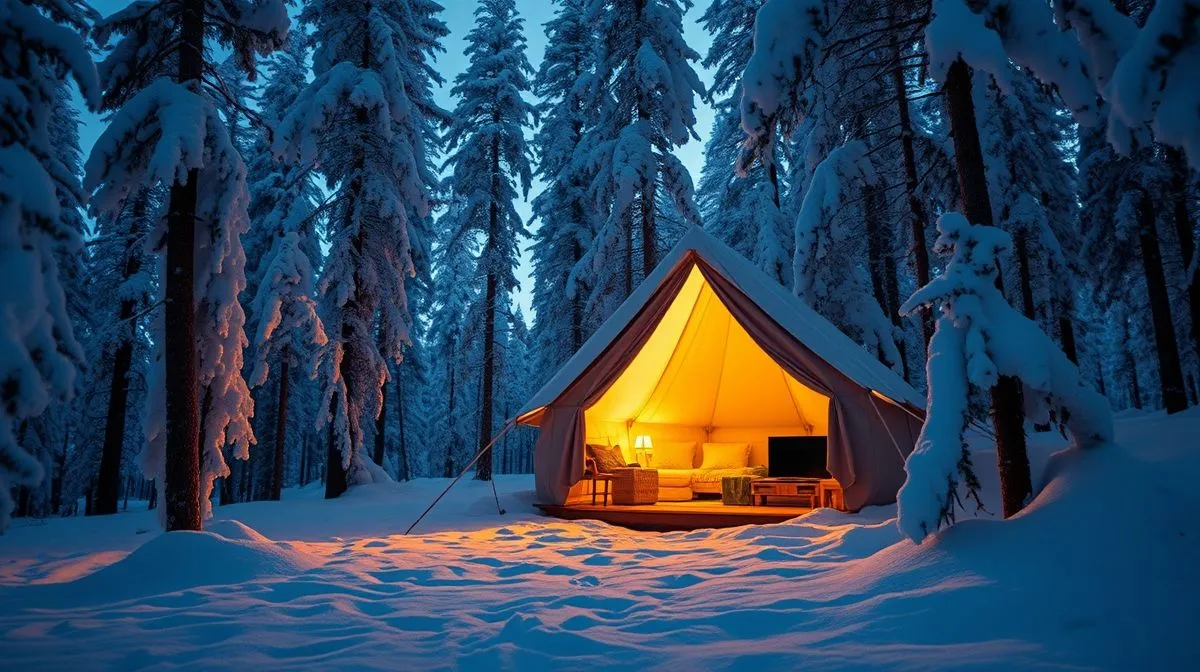
Glamping: What to Pack for Cold Weather?
Imagine waking up to the crisp, clean air of a winter wonderland, surrounded by snow-covered trees, all while nestled in a warm and luxurious tent. Sounds idyllic, right? But the reality of cold-weather glamping can quickly turn chilly if you're not properly prepared. Have you ever shivered uncontrollably despite wearing multiple layers, or struggled to start a fire with numb fingers?
The question is: how do you enjoy the magic of winter glamping without succumbing to the discomfort of the cold? What are the essential items that will ensure your experience is one of cozy relaxation rather than frozen misery?
This comprehensive guide will equip you with the ultimate packing list for cold-weather glamping, ensuring a comfortable and unforgettable experience. We'll cover everything from essential clothing and gear to heating solutions and comfort items, so you can focus on enjoying the beauty of winter without the shivers.
Essential Clothing for Cold Weather Glamping
Layering is Key
The secret to staying warm in cold weather is layering. This allows you to adjust your clothing to changing temperatures and activity levels. Start with a moisture-wicking base layer, add an insulating mid-layer, and finish with a waterproof and windproof outer layer.
- Base Layers: Choose merino wool or synthetic fabrics that wick away moisture and keep you dry. Avoid cotton, as it retains moisture and can make you feel colder.
- Mid-Layers: Fleece jackets or down vests provide excellent insulation. Consider bringing both for maximum warmth.
- Outer Layers: A waterproof and windproof jacket and pants are essential for protecting you from the elements. Look for features like taped seams and adjustable hoods.
Don't Forget Extremities
Your hands, feet, and head are particularly vulnerable to the cold. Protect them with appropriate gear.
- Gloves/Mittens: Mittens are generally warmer than gloves, as they keep your fingers together for better heat retention. Bring multiple pairs, including waterproof options.
- Socks: Wool or synthetic socks are essential for keeping your feet warm and dry. Pack extra pairs to change into throughout the day.
- Hats: A warm hat that covers your ears is crucial for preventing heat loss.
- Scarves/Neck Gaiters: Protect your neck and face from the cold wind with a scarf or neck gaiter.
Essential Gear for Cold Weather Glamping
Shelter and Sleeping
Your shelter and sleeping arrangements are critical for staying warm and comfortable during cold-weather glamping.
- Four-Season Tent: A four-season tent is designed to withstand harsh weather conditions, including snow and wind.
- Sleeping Bag: Choose a sleeping bag with a temperature rating appropriate for the expected temperatures. A rating of 0°F (-18°C) or lower is recommended for cold-weather glamping.
- Sleeping Pad: A sleeping pad provides insulation from the cold ground. Inflatable pads with high R-values offer the best insulation. According to REI, R-value measures thermal resistance; the higher the R-value, the better the insulation [1].
- Blankets: Bring extra blankets for added warmth and comfort. Wool blankets are a good option.
Heating Solutions
Consider these heating options to keep your tent warm and cozy.
- Propane Heater: A propane heater can quickly heat up your tent. Be sure to use a heater that is designed for indoor use and has safety features like an automatic shut-off. Always ensure proper ventilation.
- Wood Stove: A wood stove can provide a cozy and efficient heat source. However, wood stoves require careful setup and operation. Check with the glamping site about stove availability and safety guidelines.
- Electric Heater: If you have access to electricity, an electric heater can be a convenient option.
Important safety note: Carbon monoxide poisoning is a serious risk when using fuel-burning heaters in enclosed spaces. Always use a carbon monoxide detector and ensure adequate ventilation.
Comfort and Convenience Items
Creature Comforts
Glamping is all about enjoying the outdoors in comfort and style. Don't forget these items to enhance your experience.
- Camp Chairs: Comfortable camp chairs will make relaxing around the campsite more enjoyable.
- Lanterns/Headlamps: Bring plenty of light sources for navigating the campsite at night.
- Books/Games: Entertainment for downtime.
- Hot Water Bottle: A hot water bottle can provide comforting warmth in your sleeping bag.
Food and Drink
Plan your meals and snacks carefully to ensure you have enough energy to stay warm and active. Consider bringing:
- High-calorie foods: Nuts, dried fruit, and energy bars.
- Hot beverages: Coffee, tea, and hot chocolate. A thermos will keep drinks warm for hours.
- Easy-to-prepare meals: Soups, stews, and freeze-dried meals.
Safety Considerations for Cold Weather Glamping
Hypothermia and Frostbite
Be aware of the risks of hypothermia and frostbite, and take steps to prevent them. According to the National Weather Service, hypothermia can occur even at relatively mild temperatures if you are wet or exposed to wind [2]. Stay dry, dress in layers, and seek shelter if you start to feel cold.
Wildlife Awareness
Be aware of the local wildlife and take precautions to avoid encounters. Store food properly and never approach or feed wild animals. Bear canisters may be required in some areas. Always check local regulations.
First Aid Kit
Pack a comprehensive first aid kit that includes supplies for treating minor injuries, burns, and cold-related emergencies. Include pain relievers, antiseptic wipes, bandages, and blister treatment.
Frequently Asked Questions (FAQ)
What temperature rating should my sleeping bag have for winter glamping? A sleeping bag with a temperature rating of 0°F (-18°C) or lower is recommended for cold-weather glamping. Consider the expected temperatures and your personal tolerance for cold.
How can I prevent my water from freezing overnight? Insulate your water bottles by wrapping them in blankets or placing them inside your sleeping bag. You can also store them upside down, as water freezes from the top down.
What are the signs of hypothermia? Shivering, confusion, slurred speech, and drowsiness are all signs of hypothermia. If you suspect someone has hypothermia, seek medical attention immediately. Remove wet clothing, provide warm drinks, and wrap the person in blankets.
Is it safe to use a propane heater inside a tent? Yes, but only if the heater is designed for indoor use and has safety features like an automatic shut-off. Always ensure proper ventilation to prevent carbon monoxide poisoning. Use a carbon monoxide detector.
What should I do if I encounter wildlife? Stay calm and avoid making sudden movements. Do not approach or feed the animal. Make noise to alert the animal to your presence. If you encounter a bear, make yourself look as large as possible and slowly back away.
Recommended Reading
- Unlock True Impact: What's the Difference Between Volunteer & Social Travel?
- Glamping for Nature Immersion: Unlock the Benefits Now!
- Cross Country Skiing for Beginners? Essential Tips You Need Now!
- Ultimate Guide: Best Luxury Hotel Amenities for Total Relaxation
- Wide Feet? The Best Rock Climbing Shoes for Beginners Revealed!
Conclusion
Glamping in cold weather can be an incredibly rewarding experience, offering a unique opportunity to connect with nature and enjoy the beauty of winter in comfort. By packing the right gear, taking necessary safety precautions, and prioritizing warmth and comfort, you can create memories that will last a lifetime. So, embrace the chill, pack your bags, and get ready for an unforgettable glamping adventure!

Your email address will not be published. Required fields are marked *