


How to Recover from Severe Work Burnout Using Therapeutic Travel?
For over two decades as a wellness travel expert, I've witnessed the devastating toll of unchecked work burnout. It's not just fatigue; it's a systemic depletion that impacts every facet of one's life. I've guided countless individuals from the brink of collapse back to vibrant health, and consistently, one of the most transformative paths I've seen is therapeutic travel.
You might be reading this because you're past the point of simple exhaustion. You're feeling cynical, detached, and your productivity has plummeted. This isn't just stress; this is the insidious creep of severe work burnout, a state where your emotional, physical, and mental resources are utterly depleted. You feel trapped, wondering if there's any way out of this debilitating cycle.
This isn't about escaping your problems; it's about strategically and intentionally engaging in a healing journey. In this definitive guide, I will share the exact framework I've developed and refined over years of practice, showing you precisely how to recover from severe work burnout using therapeutic travel as a powerful catalyst for profound, lasting change. We'll explore actionable strategies, real-world insights, and a step-by-step path to reclaim your vitality.
Understanding the Depth of Severe Burnout: More Than Just Being Tired
Let's be clear: severe work burnout is not merely a bad mood or a need for a long weekend. It's a syndrome characterized by three core dimensions: overwhelming exhaustion, feelings of cynicism or detachment from one's job, and a reduced sense of personal accomplishment. I've seen it manifest as chronic fatigue, persistent headaches, insomnia, heightened anxiety, and even physical illness.
Unlike regular stress, burnout doesn't resolve with a simple vacation. In fact, many people return from a typical holiday feeling just as drained, if not more so, because the underlying issues haven't been addressed. The constant 'on-call' culture, unrealistic expectations, and lack of boundaries contribute to a systemic depletion that requires a deliberate, structured intervention.
Expert Insight: "Burnout is not a sign of weakness; it's a sign that your natural coping mechanisms have been overwhelmed by sustained, unmanaged stress. It demands a holistic and active approach to recovery, not just passive rest."
Ignoring severe burnout can lead to serious health complications, damaged relationships, and a complete loss of passion for your work and life. Recognizing its depth is the first critical step toward genuine recovery.
The Philosophy of Therapeutic Travel: A Proactive Healing Journey
Therapeutic travel is fundamentally different from a holiday. It's not about sightseeing or ticking off tourist attractions; it's an intentional journey designed for healing, self-discovery, and rejuvenation. It involves curating an experience where the primary focus is on your well-being, whether through structured retreats, nature immersion, or culturally enriching experiences that foster inner peace.
In my experience, the true power of therapeutic travel lies in its ability to remove you from the stress triggers of your daily environment. This allows for psychological distance, enabling you to gain perspective, process emotions, and engage in practices that support deep recovery. It's a proactive step, not an escape, towards rebuilding your inner resources.
The global wellness tourism market is booming, with individuals increasingly seeking out travel that offers tangible health benefits. According to the Global Wellness Institute, wellness tourism is projected to grow significantly, underscoring a societal shift towards prioritizing intentional well-being journeys. This trend isn't accidental; it's a response to the growing need for effective burnout solutions.
Phase 1: Pre-Travel Preparation – Setting the Stage for Deep Healing
A successful therapeutic journey begins long before you pack your bags. This preparatory phase is crucial for ensuring your trip is truly restorative and not just another source of stress. Neglecting this can undermine the entire healing process.
First, honest self-assessment is paramount. Consider using a validated burnout scale, like the Maslach Burnout Inventory (MBI), to gauge the severity of your condition. This isn't about self-diagnosis but about gaining clarity on your current state. Next, consulting with a trusted healthcare professional – a doctor, therapist, or counselor – is non-negotiable. They can rule out underlying medical conditions and provide essential guidance on your recovery path, ensuring therapeutic travel is appropriate for your specific needs.
Crucially, define your intentions for the trip. Are you seeking digital detox, emotional processing, physical restoration, or spiritual reconnection? Setting clear, realistic goals will guide your destination choice and activities. Finally, address practical logistics: delegate responsibilities at work, set clear out-of-office messages, and communicate your need for complete disconnection to colleagues and family. This mental preparation clears the runway for genuine detachment.
Actionable Steps: Crafting Your Pre-Departure Strategy
- Conduct a Burnout Assessment: Use an online self-assessment tool or consult a professional to understand your burnout severity.
- Seek Professional Guidance: Schedule appointments with your doctor and a therapist to discuss your burnout and travel plans.
- Define Your Healing Intentions: Journal about what you hope to achieve: rest, clarity, emotional release, physical renewal, etc.
- Delegate and Disconnect: Systematically hand off responsibilities at work and set up auto-responders. Plan for zero work contact during your trip.
- Inform Your Inner Circle: Communicate your need for space and minimal contact during your therapeutic journey to friends and family.
Phase 2: Curating Your Therapeutic Travel Experience – Destination & Modalities
The choice of destination and the modalities you engage with are central to how to recover from severe work burnout using therapeutic travel effectively. This is where personalization truly shines, as what heals one person might not resonate with another.
Consider environments that naturally soothe you: a tranquil beach, a quiet mountain retreat, a lush forest, or a vast desert. These natural settings offer inherent therapeutic benefits, promoting calm and introspection. Then, explore specific types of therapeutic travel: dedicated wellness retreats (yoga, meditation, detox, mindfulness), silent retreats for deep introspection, nature immersion programs, or even creative arts therapy workshops in inspiring locations.
The key is to select experiences that align with your pre-defined healing intentions. If you need physical restoration, a detox retreat with gentle movement might be ideal. If emotional processing is your goal, a guided mindfulness retreat or a program incorporating expressive arts could be more suitable. Research thoroughly, read reviews, and if possible, speak directly with the retreat organizers or local guides.
Case Study: Sarah's Journey from Corporate Exhaustion to Coastal Calm
Sarah, a 38-year-old marketing executive, found herself paralyzed by severe work burnout. She was constantly irritable, suffered from chronic migraines, and felt completely disengaged from her once-loved career. Traditional vacations had offered only fleeting relief. Following my guidance, Sarah committed to a therapeutic travel experience focused on digital detox and nature immersion.
She chose a small, independent wellness guesthouse on a remote stretch of the Pacific Northwest coast. Her days involved silent morning walks on the beach, simple, nourishing meals, and a complete absence of screens. The guesthouse offered optional gentle yoga and daily guided meditation. Initially, Sarah felt restless and overwhelmed by the quiet, but as the days passed, the constant chatter in her mind began to subside. She reconnected with the rhythm of the ocean and the simple beauty of nature.
By the end of her two-week stay, Sarah reported a significant reduction in migraines, improved sleep, and a profound sense of clarity. She returned with a renewed sense of purpose, not just for her career, but for her personal well-being. This experience wasn't a magic bullet, but it provided the essential reset button and the mental space she needed to begin her long-term recovery journey, demonstrating the power of a carefully curated therapeutic travel experience.
Integrating Mind, Body, and Spirit: Key Therapeutic Modalities
Effective therapeutic travel incorporates practices that address all dimensions of your being. This holistic approach ensures comprehensive healing from severe burnout.
Mindfulness & Meditation
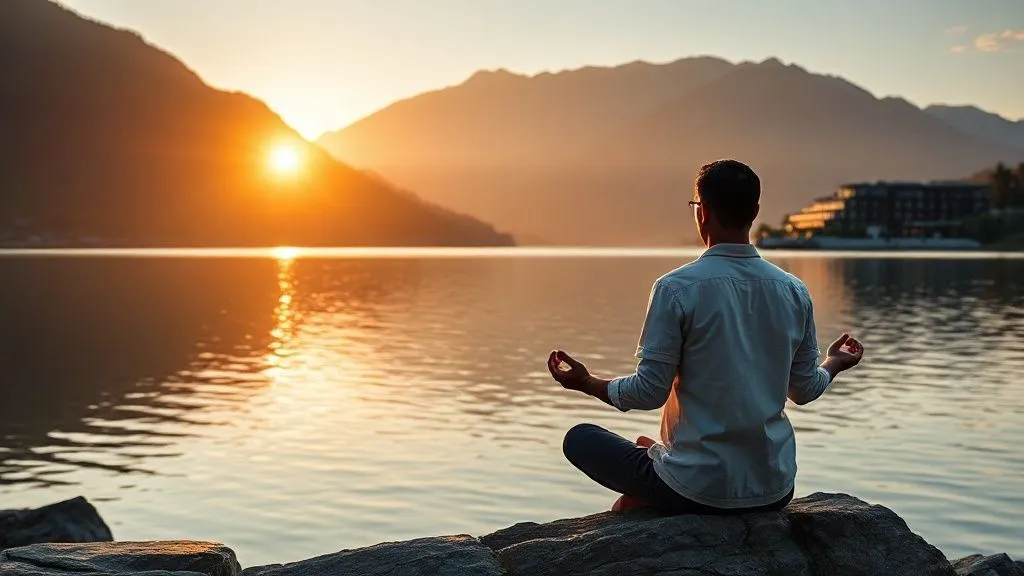
Engaging in daily mindfulness and meditation practices helps quiet the overactive mind, reduce rumination, and foster present-moment awareness. Whether through guided sessions at a retreat or self-practice in nature, these techniques are powerful tools for mental restoration. They teach you to observe thoughts without judgment, a crucial skill for managing stress post-travel. Research from institutions like the American Psychological Association consistently highlights the benefits of mindfulness for stress reduction and emotional regulation.
Movement & Nature Immersion
Physical activity, especially in natural settings, is incredibly restorative. Gentle yoga, hiking, swimming, or even just walking mindfully in a park can release pent-up tension and re-energize your body. Nature immersion, known as 'forest bathing' (Shinrin-yoku), has proven benefits for reducing cortisol levels, lowering blood pressure, and improving mood. Connecting with the natural world grounds you and reminds you of life beyond work demands.
Nutritional Healing & Detox
Many therapeutic travel programs emphasize nourishing, whole foods and may offer gentle detox protocols. A clean diet supports your body's natural healing processes, reduces inflammation, and improves energy levels. Eliminating processed foods, excessive caffeine, and alcohol can significantly reduce physical and mental fatigue, providing a vital bodily reset often overlooked in burnout recovery.
Creative Expression & Digital Detox
Engaging in creative activities like journaling, painting, photography, or music can be profoundly therapeutic, allowing for non-verbal expression of emotions. Simultaneously, a complete digital detox – disconnecting from phones, emails, and social media – is paramount. This creates the mental space needed for true introspection and prevents the constant stimulation that contributes to burnout.
Navigating Challenges and Maximizing Recovery During Your Trip
Even with the best intentions, therapeutic travel can present its own set of challenges. It's important to anticipate these and have strategies to maximize your recovery.
You might experience an initial period of discomfort or emotional upheaval as you disconnect from your usual routines and the constant stimulation. This is normal; it's your body and mind adjusting to a slower pace and processing suppressed emotions. Embrace this vulnerability and be patient with yourself. Don't feel pressured to be 'happy' or 'fixed' immediately.
Setting firm boundaries is essential. This means maintaining your digital detox, even if you feel tempted to check emails. It also means being comfortable saying 'no' to social activities if you need solitude. Remember, this trip is for *your* healing. If you're at a retreat, lean into the support of the facilitators and fellow participants. If you're traveling independently, consider arranging a few sessions with a local therapist or coach to help process any insights or difficulties that arise.
Expert Insight: "Recovery from severe burnout is rarely a linear path. There will be days of profound peace and days of unexpected emotional release. The key is to lean into the process, trust your intuition, and allow yourself the grace to simply 'be' without judgment."
Allow for flexibility in your schedule. While structure is good, over-scheduling defeats the purpose of rest. Listen to your body and mind, and adjust your activities accordingly. Some days you might need more rest, others more movement or introspection.
Phase 3: Post-Travel Integration – Sustaining Your Recovery Long-Term
The journey doesn't end when you return home; in many ways, this is where the most critical work begins. The 're-entry' shock can be significant, and without a solid plan, it's easy to slip back into old patterns that led to burnout.
First, create a 'burnout prevention plan' before you even leave your therapeutic travel destination. This plan should outline new habits you wish to integrate, boundaries you will set, and professional support you will seek. This might include regular mindfulness practice, dedicated 'no-work' hours, prioritizing sleep, or continuing therapy.
Actively integrate the lessons learned and the renewed energy into your daily life. This means making conscious choices about your workload, your schedule, and your relationships. It might involve difficult conversations at work or even considering a career change. Remember the clarity and peace you felt during your trip and use it as a compass. According to Harvard Business Review, preventing burnout requires systemic changes, not just individual coping mechanisms.
Finally, build a strong support system. Continue to engage with a therapist, coach, or a supportive community. Share your experiences and insights with trusted friends or family. Accountability and ongoing support are vital for sustaining the gains you made during your therapeutic journey.
Actionable Steps: Building Resilience Back Home
- Develop a Daily Wellness Routine: Integrate at least one new habit from your trip (e.g., 10 minutes of meditation, a morning walk).
- Set Firm Boundaries: Define clear working hours, check email less frequently, and decline non-essential commitments.
- Schedule Regular 'Me Time': Block out non-negotiable time each week for activities that replenish you.
- Continue Professional Support: Maintain regular check-ins with a therapist or coach to process challenges and reinforce new coping strategies.
- Re-evaluate Workload & Expectations: Have honest conversations with your employer or yourself about sustainable work practices.
Expert Insights: Common Pitfalls and How to Avoid Them
While therapeutic travel is incredibly powerful, I've observed common mistakes that can derail even the most well-intentioned recovery efforts. Being aware of these pitfalls can help you maximize your success in how to recover from severe work burnout using therapeutic travel.
One major pitfall is mistaking a standard vacation for therapeutic travel. A typical holiday, often filled with packed itineraries, social obligations, and constant digital connectivity, simply doesn't provide the structured environment needed for deep healing. Resist the urge to 'do it all' and prioritize genuine rest and introspection.
Another error is failing to adequately prepare for your trip, both logistically and mentally. Rushing into a trip without delegating work, informing colleagues, or setting a clear intention means you'll likely carry the burdens of your daily life with you, hindering your ability to fully disconnect and heal. The pre-travel preparation phase is non-negotiable.
Expert Insight: "The most profound transformations happen not when you passively consume an experience, but when you actively participate in your own healing. Therapeutic travel is a partnership between the environment, the modalities, and your unwavering commitment."
Lastly, many individuals make the mistake of neglecting post-travel integration. They return home, fall back into old patterns, and quickly lose the benefits gained. Your therapeutic journey is a launching pad, not a finish line. The real work of sustainable recovery happens in the daily choices you make once you're back in your regular environment. Commit to integrating new habits and boundaries.
Frequently Asked Questions (FAQ)
Is therapeutic travel covered by insurance? Generally, no. Therapeutic travel, especially wellness retreats or specialized programs, is not typically covered by standard health insurance. However, if your doctor recommends specific therapy sessions that occur during your travel, those individual sessions might be covered, so it's best to check with your insurance provider directly. Some companies may offer wellness stipends that could be applied.
How long should a therapeutic travel trip be? The ideal duration varies depending on the severity of burnout and your individual needs. For severe burnout, I recommend a minimum of 7-10 days, with 2-3 weeks being more effective for deeper healing. Anything less than a week often feels too rushed to achieve significant disconnection and restoration.
Can I bring my family/partner? For severe burnout recovery, especially during the initial phase, I generally advise solo travel. This allows for complete focus on self-healing without the demands or distractions of others. However, some retreats are specifically designed for couples or families focusing on collective well-being, which might be suitable later in your recovery journey, or for less severe stress.
How do I choose the right retreat/destination? Start by identifying your primary healing goals (e.g., mental clarity, physical detox, emotional release). Research retreats that specialize in those areas. Look for reputable organizations with experienced facilitators, clear itineraries, and positive reviews. Consider the environment (mountains, beach, forest) that resonates most with you. Trust your intuition, and don't hesitate to contact the retreat directly with questions.
What if I can't afford a high-end retreat? Therapeutic travel doesn't always mean expensive retreats. You can create your own budget-friendly therapeutic experience by choosing a quiet, nature-rich location, booking an affordable accommodation (like an Airbnb or a cabin), and focusing on self-guided practices such as daily walks, journaling, meditation, and cooking nourishing meals. The intention and structured disconnection are more important than the luxury.
Recommended Reading
- Unlock Europe: The Ultimate Guide to Making Train Reservations with Your Eurail Pass
- Your Wheelchair Damaged? What To Do If Airline Damages Wheelchair!
- 7 Proven Steps to Maximize Cultural Learning from Brief Heritage Site Visits
- Unlock Sustainable Adventures: How to Choose Ethical Community Based Eco Tours?
- 7 Proven Strategies: Guarantee Bonding on Complex Family Trips?
Key Takeaways and Final Thoughts
- Severe work burnout demands a strategic, proactive healing approach beyond a typical vacation.
- Therapeutic travel offers a powerful pathway to recovery by facilitating disconnection and intentional self-care.
- Preparation is paramount: assess your burnout, seek professional guidance, and set clear healing intentions.
- Curate your experience by choosing environments and modalities (mindfulness, nature, nutrition, digital detox) that align with your needs.
- Embrace challenges and prioritize self-compassion during your journey.
- Post-travel integration is critical for sustaining recovery through new habits and ongoing support.
The path to recovery from severe work burnout is a journey, not a destination. Therapeutic travel is an invaluable tool in this process, offering not just a break, but a profound opportunity for transformation. I've seen countless individuals reclaim their lives, their energy, and their passion by embracing this intentional approach. Your well-being is your most valuable asset. Take this crucial step towards healing, and remember that profound rejuvenation is within your reach. Begin your journey today, and reclaim the vibrant life that awaits you.



Your email address will not be published. Required fields are marked *