

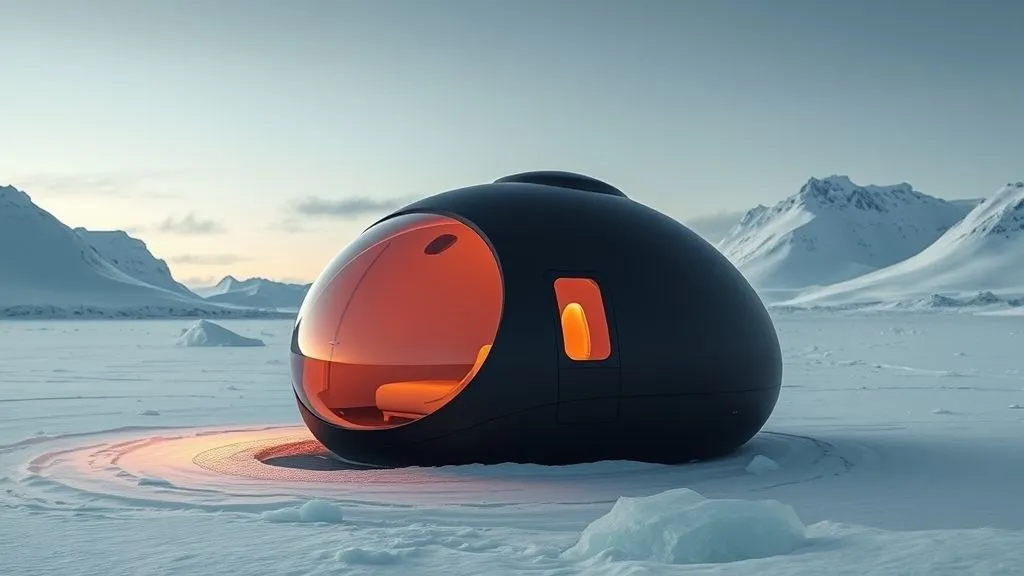
How do professional guides manage hypothermia risks on arctic winter treks?
In my fifteen years guiding expeditions across the Arctic, I've learned that managing hypothermia risk isn't just a strategy; it's a philosophy embedded in every decision. Professional guides understand that prevention is the only true cure in these unforgiving environments.Our approach begins long before we even set foot on the ice. It's a meticulous process of **risk assessment and proactive mitigation**, ensuring every element, from the individual trekker to the emergency protocols, is robust.
A critical first step is client vetting and education. We thoroughly assess participants' physical condition, prior experience, and mental fortitude. A common mistake I see is underestimating the psychological toll of sustained cold; it can erode judgment and compromise safety.
- We conduct comprehensive gear checks, emphasizing the importance of a **multi-layering system** using technical fabrics like merino wool and synthetic blends, never cotton.
- Each participant must have a dry set of spare base layers, extra insulated socks, and high-quality waterproof-breathable outer shells. Redundancy is key; if one item fails, there's an immediate backup.
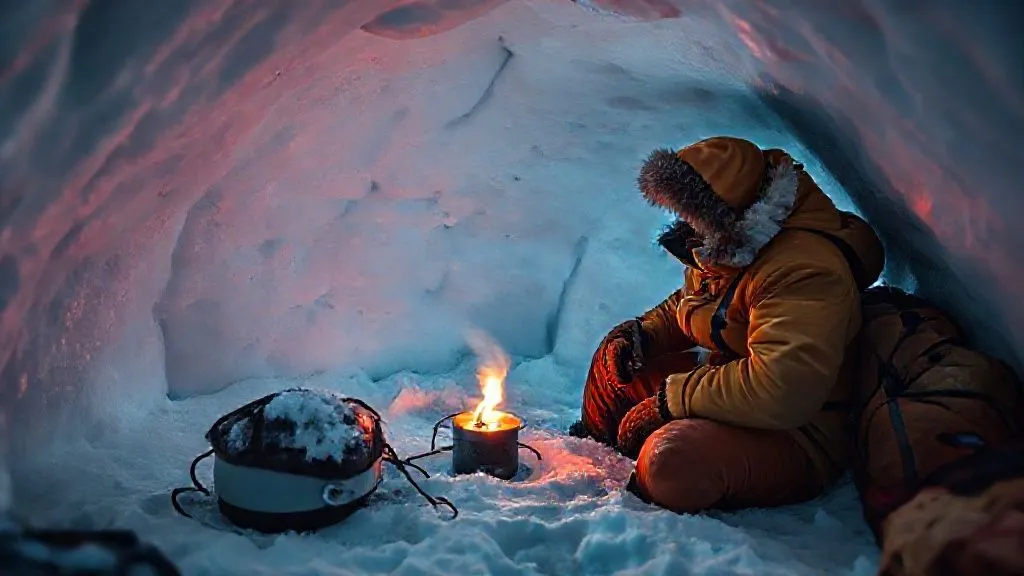
- Beyond personal gear, guides carry specialized group equipment: a robust emergency shelter, dedicated stove for melting snow and heating fluids, and a comprehensive medical kit specifically stocked for cold-weather injuries.
Route planning is another cornerstone. We meticulously study weather patterns, identify potential natural shelters, and plot multiple escape routes. Flexibility is paramount; an expert guide is always ready to adapt to changing conditions, even if it means altering the itinerary.
Once on the trek, vigilance becomes our second nature. Guides are constantly observing clients, not just for obvious signs of distress, but for subtle behavioral changes. This is where experience truly shines.
"The Arctic doesn't forgive complacency. A professional guide's most vital tool isn't a GPS or a satellite phone; it's the keen eye that spots the first shiver, the slight stumble, the quiet withdrawal before it escalates."
We actively coach participants on **dynamic layering management**. The mantra "be bold, start cold" is crucial. Overheating leads to sweating, and wet clothing rapidly accelerates heat loss. Guides encourage frequent adjustments, removing layers during exertion and adding them immediately during breaks.
Nutrition and hydration are also continuously managed. We ensure a steady intake of high-calorie, easily digestible foods to fuel the body's internal furnace. Hot, sugary drinks are provided frequently, not just for hydration, but to offer a crucial internal warmth boost that can make a significant difference in maintaining core temperature.
Should a hypothermic situation arise, our protocols are immediate and decisive. The first priority is to **stop further heat loss**. This involves getting the individual out of the wind, replacing wet clothing with dry layers, and providing insulation from the ground.
- We utilize a "hypothermia wrap" technique, encasing the person in multiple layers of insulation (sleeping bags, extra jackets) and a vapor barrier (like a large plastic bag or emergency blanket) to trap body heat and prevent evaporative loss.
- **Active rewarming** is initiated with warm, sugary fluids if the person is conscious and able to swallow. Chemical heat packs or hot water bottles are strategically placed on major arteries in the armpits, groin, and neck.
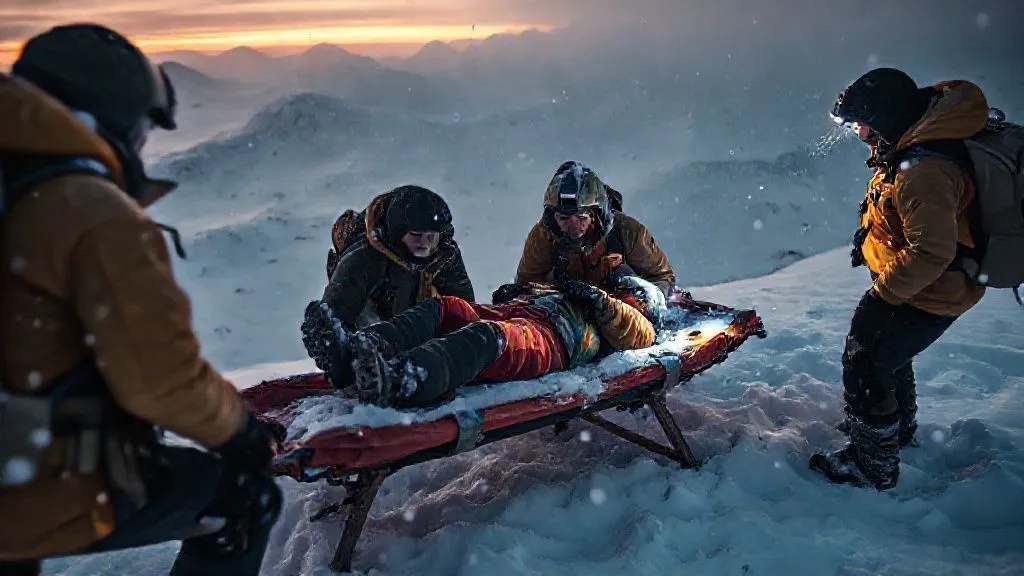
- Communication with base camp or rescue services is established immediately using satellite devices, providing precise location and condition updates. Our training includes advanced wilderness first aid, specifically tailored for cold weather emergencies, ensuring we can stabilize a patient while awaiting evacuation.
Understanding the Root of the Problem: Why Does Hypothermia Happen on Arctic Treks?
When we talk about hypothermia on an Arctic trek, we're not just discussing a simple chill. It's a dangerous drop in the body's **core body temperature**, typically below 95°F (35°C), where the body loses heat faster than it can produce it. From my 15 years guiding in some of the planet's harshest cold environments, I've learned that understanding this imbalance is the first step in prevention. The Arctic environment acts as an unforgiving amplifier for heat loss. Your body is constantly trying to maintain its internal furnace, but the extreme cold, often compounded by wind and moisture, relentlessly drains that warmth. It’s a battle against the elements that many unprepared trekkers unknowingly lose. There are four primary mechanisms through which your body sheds heat, and in the Arctic, they are all working against you with brutal efficiency:- Conduction: This is direct heat transfer through contact. Sitting on a snowbank, sleeping on inadequate insulation, or even touching a metal object with bare hands can rapidly pull heat from your body. In my experience, a cold, wet sleeping bag due to condensation is a silent killer here.
- Convection: The wind is your enemy. As cold air or water moves across your skin, it carries away a layer of warm air, constantly exposing new skin to the chill. The wind chill factor on an open Arctic tundra can turn a seemingly manageable -10°F (-23°C) into an effective -40°F (-40°C) or colder.
- Radiation: Your body naturally radiates heat into the surrounding environment, much like a warm stove. A significant amount of heat (up to 50%) can be lost through an uncovered head, neck, and extremities. This is why a good balaclava and warm gloves are non-negotiable.
- Evaporation: This is often the most overlooked and insidious form of heat loss. When sweat evaporates from your skin or wet clothing, it takes a tremendous amount of heat with it. Even breathing cold, dry air expends body heat to warm and humidify it before it reaches your lungs.
The human factor also plays a significant role. **Cotton kills** is not just a catchy phrase; it's a stark reality. Cotton absorbs moisture, loses its insulating properties when wet, and then acts as a direct conductor of heat away from your body. I've seen countless instances where a single wet cotton sock or base layer has initiated a dangerous spiral. Fatigue, both physical and mental, erodes judgment and willpower. When exhausted, trekkers are more likely to ignore early warning signs, make poor decisions about layering, or neglect essential tasks like melting snow for water. This cumulative effect—minor discomforts adding up, combined with a compromised internal system—is the true root of hypothermia on Arctic treks.“Hypothermia isn't just about the cold outside; it's about the fire dying within. If you're not fueling that fire, you're already losing the battle, regardless of your gear.”
Inadequate Preparation & Gear Failure
The Arctic environment is relentlessly unforgiving, and in my fifteen years guiding expeditions, I've witnessed firsthand how quickly a minor oversight can spiral into a life-threatening situation. The primary culprits for many hypothermia incidents aren't sudden disasters, but rather a slow, insidious creep stemming from **inadequate preparation** and **gear failure**. A common mistake I see is a profound underestimation of the environment itself. People often project temperate winter experiences onto the Arctic, failing to grasp the extreme cold, relentless wind, and the rapid, unpredictable shifts in weather. This mental unpreparedness is the first crack in the defense. True preparation goes far beyond packing a bag; it involves meticulous research into your route, understanding local weather patterns, and knowing your team's capabilities. Ignoring a detailed forecast or neglecting to study the terrain are critical missteps that extend exposure time and increase risk. Your body is your furnace, and proper fueling is non-negotiable in the Arctic. Inadequate caloric intake and dehydration severely cripple your body's ability to generate metabolic heat, making you far more susceptible to the cold's grip. Always prioritize high-fat, high-carb foods and constant hydration. Moving onto gear, it's crucial to understand that your clothing is not a collection of individual items, but a **dynamic layering system**. Failure to manage this system effectively—whether through over-layering and sweating, or under-layering in extreme cold—compromises its insulating properties. The choice of materials is paramount; in my experience, the "cotton kills" mantra is not hyperbole in the Arctic. Cotton absorbs moisture and loses all insulating value when wet, rapidly drawing heat from your body. Always opt for **synthetic or wool fabrics** that retain warmth even when damp. Internal moisture, primarily sweat, is a silent killer. When exertion causes you to perspire, that moisture saturates your layers, and once you stop moving, the chilling effect is immediate and profound. Learning to vent and adjust layers *before* you sweat profusely is a fundamental skill. External moisture, from snow, sleet, or an unexpected dunk, also poses a grave threat. A compromised outer shell, like a worn waterproof jacket or unsealed seams on boots, allows moisture to penetrate, rendering your entire insulation system ineffective. This is where **gear maintenance** becomes critical. Extremities are often the first to suffer. Inadequate gloves or mitts, or boots that are not warm enough or become wet, are direct pathways to frostbite and, subsequently, hypothermia as the body diverts resources. I always carry multiple pairs of hand and foot insulation for redundancy. Beyond clothing, essential survival systems are equally vulnerable. A failed stove means no melted snow for hydration or hot food, both vital for maintaining core temperature and morale. Similarly, a compromised tent or sleeping bag can turn a planned overnight into a genuine survival ordeal. Modern reliance on electronics introduces another failure point: battery performance in extreme cold. GPS devices, headlamps, and communication tools all suffer drastically reduced battery life, making **meticulous battery management** and carrying spares in warm pockets non-negotiable. The professional approach always includes redundancy and contingency plans. What happens if your primary stove fails? Do you have a backup? If your waterproof shell tears, do you have a repair kit or an emergency bivy? This foresight separates the prepared from the perilously naive."In the Arctic, the wilderness doesn't care about your intentions; it only responds to your preparations. Every oversight is an invitation to disaster."
Environmental Factors & Misjudgment
In my fifteen years guiding expeditions through some of the planet's most unforgiving winter landscapes, I've seen firsthand how quickly a situation can turn dire. Often, it's not a single catastrophic event, but a dangerous interplay between environmental factors and critical misjudgment that paves the way for hypothermia.
One of the most insidious environmental factors is wind chill. It's not just about the thermometer reading; it's about how quickly the wind strips away the thin layer of warm air your body generates, which acts as your primary insulation. A seemingly mild -5°C can feel like -20°C with just a moderate breeze, dramatically accelerating heat loss through convection.
I frequently emphasize that moisture is a far greater enemy than cold alone. Whether it's sweat from overexertion, melting snow, or an unexpected downpour, wet clothing loses up to 90% of its insulating value. Water conducts heat away from the body 25 times faster than air, meaning a damp base layer can be a direct pipeline to hypothermia even in temperatures above freezing.
A common mistake I see, particularly with less experienced adventurers, is the underestimation of conditions. People often focus solely on the air temperature, neglecting crucial variables like wind speed, humidity, and the potential for rapid weather changes. The arctic environment is dynamic, and what starts as a crisp, clear morning can become a whiteout blizzard in hours.
Misjudgment also extends to inadequate gear selection and layering. Opting for cotton, for instance, is a cardinal sin in cold environments because once wet, it stays wet and offers no insulation. Proper layering, allowing for ventilation and the ability to add or subtract insulation, is not merely a suggestion; it's a non-negotiable survival strategy.
"The mountains don't care how strong you think you are. They care about your preparation, your respect for their power, and your ability to adapt."
Another critical area of misjudgment involves ignoring early warning signs. The body often provides subtle cues long before severe hypothermia sets in: uncontrollable shivering, fumbling hands, impaired coordination, and even irrational decision-making. In my experience, the moment you notice these signs in yourself or a teammate, it's already past time to take action.
The psychological drive to "push on" or reach a destination, often termed "summit fever," can also lead to dangerous miscalculations. I've seen groups continue despite deteriorating weather, dwindling daylight, or an exhausted team member, driven by a desire to complete their objective. This tunnel vision can override logical assessment of risk.
To counteract these tendencies, I instill a philosophy of proactive conservatism. Always check the most current and localized weather forecasts, and understand the difference between air temperature and effective temperature. Pack for the worst-case scenario, not just the expected one, including emergency shelter and extra layers.
Finally, understanding your own body's limits and energy reserves is paramount. Overexertion leads to sweating, which leads to wetness, which leads to heat loss. Maintain consistent hydration and calorie intake to fuel your internal furnace. Your body is a machine that requires constant, high-quality fuel to generate the heat needed for survival in extreme cold.
Step-by-Step: A Practical Framework to Manage Hypothermia Risks
Managing hypothermia risks in an arctic environment isn't merely about reacting when symptoms appear; it's a proactive, multi-layered framework. In my experience, the most successful expeditions are those where guides and participants alike understand the subtle dance between body heat production and loss, constantly adjusting strategies to maintain a core temperature equilibrium.
A common mistake I see, even among seasoned adventurers, is underestimating the insidious nature of cold. Hypothermia doesn't always announce itself with dramatic shivers; often, it's a gradual, almost imperceptible decline in core temperature that compromises judgment long before physical collapse. This framework emphasizes vigilance at every stage.
“The best defense against hypothermia is not a rescue plan, but a prevention strategy so robust it renders the rescue plan almost theoretical.”
Phase 1: Proactive Prevention – Building Your Thermal Fortress
This initial phase is all about preparation and continuous adjustment. It's where you build your thermal fortress, ensuring your body can consistently generate more heat than it loses.
-
Master the Layering System: This is your primary defense. Forget the notion of one "perfect" jacket; you need a dynamic system. I always teach the three-layer principle:
- Base Layer (Wicking): Its sole purpose is to move moisture away from your skin. Synthetics like polyester or merino wool are superior. Cotton is an absolute no-go; it absorbs sweat and instantly becomes a thermal conductor, chilling you to the bone. Think of it as your skin's personal dehumidifier.
- Mid-Layer (Insulation): This traps air to create warmth. Fleece, down, or synthetic fills are ideal. The key here is compressibility and varying thickness. You might need a thinner fleece for high exertion and a puffy down jacket for static periods or extreme cold.
- Outer Layer (Shell): Your shield against wind, snow, and rain. It must be windproof and waterproof/resistant, yet breathable enough to prevent internal condensation. A good shell is your first line of defense against environmental heat robbers.
In my years guiding in the Alaskan interior, I've seen layering done poorly lead to rapid onset of chill. Always pack one more insulating layer than you think you'll need; it's cheap insurance.
-
Fueling the Internal Furnace: Your body generates heat metabolically. Without adequate fuel, that furnace sputters. This means consistent, high-calorie intake.
- Caloric Density: Prioritize foods rich in fats and complex carbohydrates. Nuts, dried fruits, chocolate, and energy bars are excellent choices for on-the-go snacking.
- Warm Hydration: Dehydration impedes metabolic function. Regularly consume warm, sugary drinks (tea, hot chocolate, broth). A thermos of hot water is an expedition essential; it warms you from the inside out and helps melt snow for further hydration.
I once had a client who skipped breakfast to save time; by midday, despite adequate clothing, he was showing early signs of hypothermia simply because his internal engine lacked fuel. Consistent grazing is far better than large, infrequent meals.
-
Activity & Sweat Management: Sweating is your body's cooling mechanism, but in cold environments, it's a major hypothermia risk. Moisture-laden clothing rapidly loses its insulating properties.
- Pace Yourself: Avoid overexertion. Adjust your layers *before* you start sweating heavily. If you feel warm, shed a layer. It's easier to put a layer back on than to dry out soaked clothing.
- Ventilation: Utilize jacket zippers, pit zips, and pant vents to regulate temperature without fully delayering.
- Strategic Breaks: When stopping for a break, immediately add an insulating layer. Your body's heat production drops, making you vulnerable to rapid cooling.
This is where the 'Arctic Survival' element truly comes into play. You're not just hiking; you're managing your body's energy and moisture balance with surgical precision.
Phase 2: Early Detection – The Vigilant Observer
Even with the best prevention, conditions can change rapidly. This phase focuses on recognizing the subtle, often misleading, early warning signs of hypothermia in yourself and your companions.
-
Know the "Umbles": These are classic early indicators, and they often precede obvious shivering or cognitive impairment.
- Mumbles: Slurred speech, difficulty articulating thoughts.
- Stumbles: Clumsiness, poor coordination, tripping.
- Fumbles: Difficulty with fine motor skills (e.g., zipping a jacket, opening a food wrapper).
- Grumbles: Irritability, irrational behavior, apathy, or confusion.
In my experience, the grumbles are often the first sign, especially in strong-willed individuals. A normally cheerful person becoming withdrawn or irritable is a huge red flag.
-
The Buddy System & Self-Assessment: You are often the last person to notice your own impairment. This is why a strong buddy system is non-negotiable.
- Regular Check-ins: Ask direct, open-ended questions like, "How are you feeling?", "Are you warm enough?", "Can you tie this knot for me?". Observe their responses and physical actions.
- Monitor Urine Output: A dark, concentrated urine indicates dehydration, which exacerbates cold stress. Frequent urination can also be a sign of cold diuresis, where the body sheds fluid in response to vasoconstriction.
- Shivering Assessment: While shivering is a natural response, uncontrolled, violent shivering that can't be stopped by adding layers is a serious warning sign.
Remember, the core temperature doesn't have to drop dramatically for judgment to be impaired. A drop of just a few degrees can make crucial decisions seem insignificant.
Phase 3: Immediate Response & Management – Halting the Slide
If early signs are detected, immediate and decisive action is critical to prevent the progression to severe hypothermia. This is where you actively intervene to stop heat loss and initiate rewarming.
-
Stop Heat Loss Immediately: This is the absolute first priority. Further heat loss will only worsen the situation.
- Shelter: Get the individual out of the wind and elements. Utilize tents, snow caves, or natural windbreaks. If none are available, create an improvised shelter.
- Remove Wet Clothing: This is non-negotiable. Wet clothing is a thermal sink. Carefully cut off clothing if necessary, minimizing movement to prevent further heat loss.
- Add Dry Insulation: Immediately replace wet items with dry base layers, mid-layers, and a waterproof/windproof outer shell. Focus on the head, neck, and groin.
- Ground Insulation: Place an insulating barrier between the person and the cold ground (sleeping pad, backpack, branches).
In one particularly challenging whiteout, a client became mildly hypothermic. We immediately pitched a small emergency tent, stripped him, and bundled him in dry sleeping bags. That rapid response was crucial.
-
Initiate Gentle Rewarming: Once heat loss is stopped, focus on safely warming the individual.
- Warm, Sweet Drinks: Administer warm, sugary liquids if the person is conscious and able to swallow. This provides both hydration and easily metabolized fuel for internal heat generation.
- High-Calorie Food: Offer easily digestible, high-energy snacks.
- External Heat Sources: Apply chemical heat packs to core areas (armpits, groin, neck). Skin-to-skin contact with a warm, dry rescuer inside a sleeping bag can also be highly effective for mild cases.
- Movement (Mild Cases Only): For very mild hypothermia, gentle, voluntary movement can help generate metabolic heat, but avoid strenuous activity which can push cold blood from extremities to the core, causing a "rewarming shock."
It's vital to rewarm gently. Rapid rewarming can cause peripheral vasodilation, dropping the core temperature further, a phenomenon known as "afterdrop."
-
Monitor & Evacuate: Continuous assessment and knowing when to call for external help are paramount.
- Continuous Monitoring: Keep a close eye on vital signs, mental status, and shivering. Document changes.
- Prepare for Evacuation: Unless the hypothermia is very mild and the individual recovers quickly, assume an evacuation will be necessary. Assemble gear, communicate with rescue teams if possible.
- No-Go Criteria: Once someone has shown signs of hypothermia, their ability to continue the activity is severely compromised. Continuing puts them and the entire group at greater risk. The objective becomes safe evacuation.
This framework isn't just a checklist; it's a mindset. It's about constant awareness, proactive decision-making, and the unwavering commitment to safety that defines expert arctic guiding. Master these steps, and you'll significantly reduce the risks of hypothermia, even in the most unforgiving environments.
Step 1: Proactive Risk Assessment & Route Planning
In my fifteen years guiding expeditions across the world's most formidable cold environments, from the Canadian High Arctic to the Patagonian Icefield, I've learned that survival isn't about luck; it's about meticulous preparation. The very first line of defense against hypothermia, and indeed most Arctic hazards, is a **proactive risk assessment and robust route planning** strategy. This isn't merely looking at a map; it's about anticipating the environment's every move.A common mistake I observe, even among experienced adventurers, is underestimating the dynamic and unforgiving nature of polar weather. You must go beyond a simple forecast, delving into **microclimates** and potential rapid changes. A sunny, calm morning can morph into a raging blizzard in hours, drastically increasing the **wind chill factor** and the risk of exposure.
Before any journey, I dedicate significant time to comprehensive risk assessment, considering multiple layers of potential threats. This includes:
- Environmental Hazards:
- Weather Patterns: Beyond temperature, focus on wind speed and direction, precipitation (snow, freezing rain), and visibility. Learn to read cloud formations and understand local weather phenomena.
- Terrain Complexity: Identify areas prone to deep snow, hidden crevasses, potential avalanche paths, or sections of exposed ice. Note areas offering natural shelter versus those that are completely exposed.
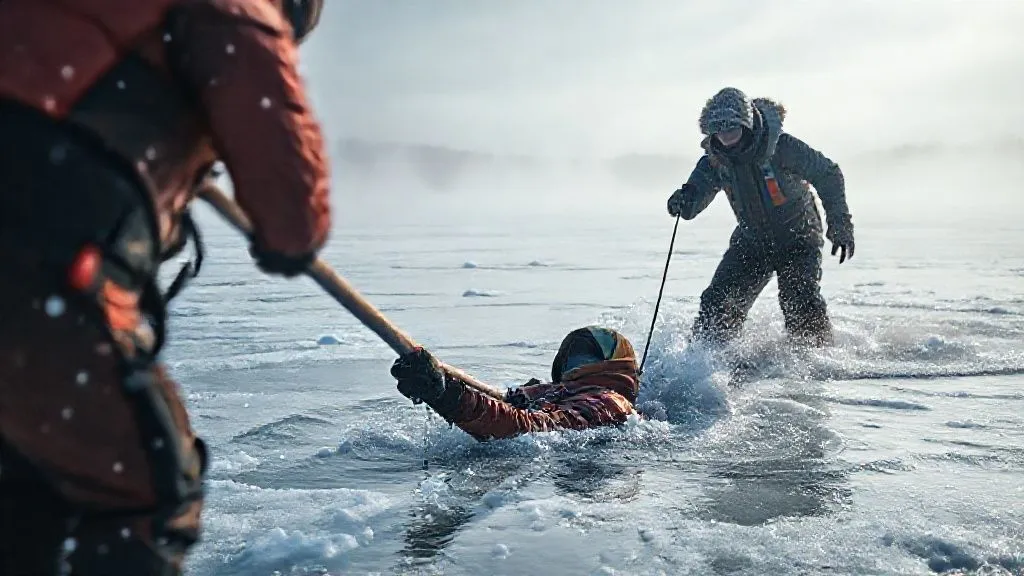
- Water Crossings: Evaluate the risk of breaking through ice on frozen lakes or rivers, or the dangers of wading through icy meltwater streams. Wetness is a direct precursor to hypothermia.
- Human Factors:
- Group Capability: Honestly assess the physical fitness, technical skills, and cold-weather experience of every team member. The weakest link dictates the group's safe operating limits.
- Equipment Adequacy: Confirm all gear—clothing layers, shelter, cooking systems, navigation tools—is suitable for the harshest projected conditions and in perfect working order.
- Psychological Resilience: Consider how individuals might react under stress, extreme cold, or prolonged discomfort. Mental fortitude is as critical as physical strength.
Once the risks are thoroughly cataloged, we move to **strategic route planning**. This involves not just plotting a path from A to B, but designing a resilient journey with built-in redundancies. Think of it like a grandmaster playing chess; you're not just planning your next move, but several moves ahead, anticipating the environment's counter-moves.
My route planning always incorporates:
- Primary Route Optimization: Select the most efficient and safest path, minimizing exposure to wind and maximizing access to potential natural shelters (e.g., lee sides of ridges, dense tree cover if available). Factor in daylight hours and the group's travel speed.
- Contingency Routes & Escape Hatches: Identify alternative paths in case the primary route becomes impassable due to weather, injury, or unexpected terrain features. Always know your nearest bail-out points and the fastest way to get to safety or a pre-cached emergency supply.
- Emergency Shelter Locations: Pre-mark suitable spots on your map for improvised shelters, whether natural snow caves, dense tree stands, or flat, sheltered areas for a tent pitch. Knowing these ahead of time saves precious minutes and energy in a crisis.
- Communication & Evacuation Points: Pinpoint areas where satellite phone reception might be stronger or where emergency beacons have the clearest line of sight to satellites. Understand the nearest medical facilities and potential helicopter landing zones.
As I always tell my trainees, "The best survival tool you carry isn't in your pack; it's between your ears, fueled by meticulous planning." This initial step sets the entire tone for the expedition and is your first, most vital shield against the insidious creep of hypothermia.
Effective planning also includes a **time buffer**. Never plan to the minute. Build in extra time for unexpected delays, slower travel through deep snow, or the need for an early camp due to deteriorating conditions. Pushing a tired, cold group to meet an arbitrary deadline is a recipe for disaster.
Step 2: Advanced Gear Selection & Layering Systems
Moving beyond the fundamental concept of 'layering,' true Arctic survival demands an **advanced gear selection and layering system** that functions as a dynamic, responsive ecosystem. In my fifteen years guiding expeditions across various polar regions, I’ve learned that gear isn't just about what you put on, but how each piece interacts to manage your microclimate, preventing the insidious creep of hypothermia.
A common mistake I see, even among seasoned adventurers, is treating layers as static additions. Instead, think of your clothing as a **personal thermoregulation system**, designed to be adjusted constantly based on activity level, environmental shifts, and your body’s unique metabolic rate. This proactive management is the cornerstone of staying warm and dry.
The foundation of this system is the **base layer**, which is far more than just "long underwear." Its primary role is to manage moisture, drawing perspiration away from your skin to prevent evaporative cooling. I exclusively recommend fine merino wool or advanced synthetic blends, prioritizing grams per square meter (GSM) for varying conditions.
- Lightweight (150-180 GSM): Ideal for high-output activities where you’re generating significant heat.
- Midweight (200-250 GSM): A versatile workhorse for general cold-weather use and moderate activity.
- Heavyweight (280+ GSM): Best for static periods, extremely cold conditions, or individuals who run particularly cold.
Next, we build with the **insulating mid-layer**, the primary heat trap. This layer works by creating air pockets that warm with your body heat, preventing its dissipation. The choice here is crucial and depends heavily on your expected activity and the specific conditions.
"The best insulation isn't simply the thickest; it's the one that effectively traps air, retains loft when compressed, and performs reliably even when damp."
For mid-layers, I often deploy a combination. A **fleece jacket (200-300 weight)** provides excellent breathability and maintains some insulating properties when wet, making it a reliable choice for active periods. For static warmth or extreme cold, a **lightweight synthetic puffy jacket** or a **packable down sweater** offers superior warmth-to-weight, though down requires careful management in wet conditions.
The **outer shell layer** is your impenetrable fortress against the elements: wind, snow, and rain. This must be a high-quality, waterproof and breathable membrane, such as Gore-Tex Pro or eVent. Its function is to protect your inner layers while still allowing internal moisture (vapor) to escape, preventing condensation build-up.
Key features I look for in a shell include **ample pit zips and full-length side zips** for rapid venting, a helmet-compatible hood with excellent adjustability, and durable water repellent (DWR) treatment that is regularly maintained. A robust face fabric (e.g., 70D nylon or higher) is non-negotiable for Arctic durability.
For true Arctic expeditions, an **expedition-grade puffy parka** often serves as a crucial fourth, or "belay," layer. This is a massive, highly insulated down or synthetic jacket designed for minimal activity in extreme cold, or for emergency static situations. It's typically donned over all other layers when stopping for breaks or in camp.
Beyond the core torso layering, neglecting extremities is a direct path to hypothermia. Your **handwear system** should comprise at least three components: a thin, wicking liner glove; a warm, insulated mid-glove; and a waterproof, windproof shell mitten. Mittens generally offer superior warmth to gloves by allowing fingers to share warmth.
Similarly, your **footwear system** requires meticulous attention. Insulated, waterproof boots are foundational, but the inner system is paramount. A thin wicking sock, followed by a heavier wool sock, and critically, a **vapor barrier liner (VBL)** can prevent your insulation from becoming saturated with sweat, maintaining warmth over multi-day treks. Always carry multiple pairs of dry socks.
Finally, **headwear** is non-negotiable. A merino wool or synthetic beanie, combined with a balaclava, provides adjustable protection. The hood of your shell and expedition parka then layers over these, creating an almost impenetrable cocoon for your head and neck – a major source of heat loss.
Remember, the goal is to **stay dry to stay warm**. Proactively adjusting layers, utilizing all zippers and vents, and never letting sweat build up are critical. In my experience, the guide who stays warm is the one who is constantly making micro-adjustments, shedding a layer before they sweat, and adding one before they feel a chill. It's an active process, not a passive outfit.
Case Study: How a Guide Team Averted a Hypothermia Crisis
The unforgiving Arctic environment demands constant vigilance, and in my 15 years, I’ve seen firsthand how quickly a minor misstep can escalate into a life-threatening situation. This case study illustrates a perfect example of proactive guiding and swift action preventing a full-blown hypothermia crisis on a multi-day ski-touring expedition in Greenland. It's a testament to the power of preparedness and astute observation. Our team, consisting of three guides and six clients, was navigating a challenging glacier traverse when an unexpected whiteout descended. Visibility dropped to mere meters, and the temperature, already around -20°C, felt significantly colder due to the sudden increase in wind chill. We had been making good time, but the conditions forced a temporary halt. During the enforced stop, I observed one of our clients, a fit but less experienced individual named Sarah, exhibiting subtle but concerning signs. Her movements were becoming slightly uncoordinated, and she fumbled with her ski pole strap. More critically, she began to answer questions with a slight delay and a hint of irritability, a red flag I’ve learned to recognize as a shift in mental status. These are classic indicators of **mild hypothermia** setting in. My immediate assessment confirmed my suspicions: Sarah was shivering uncontrollably, her speech was slurred, and her skin, when I quickly checked her neck, felt cool. We had to act decisively and without delay. In my experience, the first few minutes are critical in reversing the trajectory of cold stress before it progresses to moderate or severe hypothermia. Our first action was to establish immediate, temporary shelter. We quickly deployed an emergency bivy sack as a windbreak, creating a small, protected space. Simultaneously, another guide began preparing a hot, high-calorie drink from a pre-warmed thermos, while I focused on Sarah's clothing. We needed to address the 'wet' factor immediately.The core strategy involved a multi-pronged approach to halt heat loss and initiate rewarming:
- Remove Wet Layers: Despite her reluctance, we insisted she change out of her slightly damp base layers, which had become compromised by perspiration.
- Add Dry Insulation: We layered her with a dry, thick down parka and insulated pants, ensuring maximum loft and minimal compression.
- Provide Energy: She was given the hot, sugary drink and high-energy snacks like chocolate and nuts. The body needs fuel to generate heat.
- Passive External Rewarming: We placed chemical heat packs in her armpits and groin, areas with major arteries close to the surface, to gently warm her core.
"In the Arctic, prevention is survival. But when prevention fails, immediate, informed intervention is your only recourse. Don't wait for obvious signs; act on the subtle ones."Over the next hour, we continuously monitored her shivering, mental state, and skin temperature. Gradually, the uncontrollable shivering subsided, her speech became clearer, and her demeanor improved. Once stable and visibly warmer, we packed her carefully and, with the whiteout lifting, made a cautious but swift return to our pre-established camp for a full recovery and a thorough debriefing. This incident underscored the critical importance of constant observation, swift decision-making, and a well-rehearsed team response.
Essential Tools and Resources for Arctic Hypothermia Management
In my fifteen years guiding in the Arctic, I've learned that even the most seasoned survivalist is only as effective as their gear. The right tools aren't just an advantage; they are non-negotiable lifelines when battling hypothermia, extending the critical window for self-rescue or professional intervention. First and foremost, your primary defense against the Arctic's relentless cold is effective insulation and immediate shelter. This isn't just about warmth; it's about creating a microclimate where your body can stabilize. A common mistake I see is underestimating the importance of a proper sleeping system. You need a **four-season sleeping bag** rated for at least -20°F (-29°C), and critically, a **high R-value sleeping pad**. The ground is a notorious heat thief; without a robust pad, even the warmest bag becomes compromised. I once saw a well-meaning but ill-equipped trekker lose significant body heat overnight simply because their pad was inadequate for the frozen ground. Beyond personal insulation, an **emergency bivy sack** or a lightweight **expedition tarp** is paramount. These offer immediate protection from wind and snow, crucial for setting up a more permanent shelter or for a quick, life-saving stop. When prevention fails, and hypothermia sets in, active rewarming becomes the priority. Here, specialized tools move beyond passive insulation. For active rewarming, several items are crucial:- Chemical heat packs: Specifically the larger, adhesive body warmers, ideal for core pulse points – armpits, groin, neck – to deliver targeted heat.
- Reliable portable stove: With ample fuel, this enables melting snow for hot drinks or creating a contained heat source, providing crucial internal warmth and energy.
- Emergency hypothermia rewarming bag or wrap system: These specialized bags envelop the patient, often with reflective internal surfaces, to trap and reflect body heat, sometimes incorporating chemical packs for added warmth.
- Insulated thermos: Filled with hot water or a warm electrolyte drink, preventing freezing and offering immediate internal warmth and hydration.
- High-calorie, easily digestible snacks: Items like energy bars, nuts, and dried fruit are crucial for maintaining the body's metabolic furnace.
- Satellite messenger or Personal Locator Beacon (PLB): Non-negotiable in remote Arctic environments where cell service is absent, these are your direct link to emergency services.
- Whistle and signal mirror: Simple yet effective, these can attract attention over surprisingly long distances, especially vital for signaling air support.
As I often tell my trainees, "Gear is a force multiplier, but competence is the foundation." Without the understanding of *how* and *when* to use your tools, even the best equipment becomes dead weight.
Frequently Asked Questions (FAQ)
In my 15 years guiding expeditions, I've seen even the most seasoned adventurers miss the earliest, most critical warnings. The most overlooked early sign of hypothermia isn't violent shivering, but rather subtle changes in mental state and coordination. We call these the "umbles": mumbles (slurred speech), stumbles (poor balance), fumbles (difficulty with fine motor tasks like zipping a jacket), and grumbles (irritability or irrationality).
A common mistake I see is individuals dismissing these as mere fatigue or frustration. But when someone who is usually sharp starts making poor decisions or struggling with simple tasks, it’s a red flag that their core temperature is dropping.
These cognitive impairments are insidious because they hinder a person’s ability to recognize their own deteriorating condition, making buddy checks absolutely vital. If you notice a change in your partner's demeanor or dexterity, it's time to act immediately – don't wait for the shivering to become uncontrollable.
Absolutely, and this is a crucial point many people misunderstand. While layering is fundamental, excessive layering without proper management can paradoxically increase your risk of hypothermia. The primary culprit here is sweat.
When you over-insulate or exert yourself too much, your body sweats to cool down. This moisture then gets trapped in your clothing layers, especially if they're not breathable or if you're wearing cotton. Wet clothing loses its insulating properties dramatically; cotton, for instance, can lose over 90% of its warmth when wet. This creates a dangerous cycle:
- You sweat, making your inner layers damp.
- When you stop moving, or the ambient temperature drops, that moisture rapidly cools your body.
- Your core temperature drops, even if you started out feeling warm.
The key is active layering and ventilation. I always teach my clients to "dress for the next 15 minutes of activity." This means starting slightly cool, shedding layers as you warm up during activity, and immediately adding them back during breaks or when you slow down. The goal is to stay dry, not just warm.
Beyond just external warmth, nutrition and hydration are the twin engines of your internal furnace, and their criticality in preventing hypothermia during prolonged exposure cannot be overstated. Your body is constantly burning calories to maintain its core temperature, and in a cold environment, this demand skyrockets.
Think of it this way: your body's metabolism is like a fire. To keep that fire burning hot, it needs fuel. Complex carbohydrates and healthy fats are particularly effective, providing sustained energy release. In my experience, a common oversight is not consuming enough calories. Aim for a significant increase – often 3,000-5,000 calories per day, depending on activity level – to ensure your body has the raw materials to generate heat. Skipping meals or relying on low-calorie snacks is a direct path to energy depletion and increased hypothermia risk.
Hydration is equally vital, yet often neglected in the cold because we don't feel as thirsty as in hot environments. Dehydration thickens your blood, making your circulatory system work harder to pump it, which impairs the delivery of warm blood to your extremities and reduces your body's overall ability to thermoregulate. It's not uncommon to need 3-5 liters of fluid daily in arctic conditions, ideally warm, sugary drinks to also provide a caloric boost. Proper fluid intake ensures efficient metabolic processes and optimal blood flow, both essential for fighting off the cold.
One of the most common and potentially dangerous mistakes people make when trying to rewarm someone with *mild* hypothermia in the field is attempting to rewarm them too rapidly or aggressively. This includes rubbing limbs, immersing them in hot water, or giving them alcohol.
Rapid external rewarming can cause a phenomenon called "afterdrop," where cold blood from the extremities rushes back to the core, causing the core temperature to drop even further, potentially leading to cardiac arrest. Alcohol is also a terrible choice; it causes vasodilation, making you feel warm temporarily but actually increasing heat loss from the skin.
For mild hypothermia, the best approach is passive external rewarming combined with internal warmth. My method involves:
- Remove Wet Clothing: Immediately get the person into dry layers.
- Insulate: Wrap them in a sleeping bag, emergency blanket, or any available insulation, paying special attention to insulating them from the cold ground.
- Provide Warmth: Skin-to-skin contact (if appropriate and safe) can be very effective. Place warm (not hot) water bottles or heat packs in the armpits, groin, and neck areas.
- Warm, Sugary Drinks: If conscious and able to swallow, offer warm, non-alcoholic, sugary drinks. This provides both hydration and easily digestible fuel for internal heat generation.
- Shelter: Get them into a protected environment out of the wind and cold.
The goal is a gradual, gentle rewarming that allows the body's natural thermoregulatory systems to kick back in safely. Patience and careful monitoring are paramount in these situations.
What are the early signs of hypothermia in extreme cold?
The onset of hypothermia in extreme cold is often insidious, a gradual creep that can be dangerously easy to miss, particularly in oneself. As a guide with over 15 years navigating some of the planet's harshest environments, I've learned that recognizing these early indicators isn't just about knowledge; it's about constant vigilance and understanding subtle shifts.
The very first and most obvious physiological response is shivering. This isn't the gentle shiver you get from a cool breeze; we're talking about uncontrolled, persistent muscle contractions as your body desperately tries to generate heat.
However, a more insidious and dangerous early sign lies in changes to mental status. This is where things get tricky, because the affected individual often doesn't realize their own impairment, making self-diagnosis unreliable.
In my experience, a common mistake I see is folks dismissing a teammate's sudden quietness or a slight fumbling with gear as simple fatigue. This can be a critical misjudgment, as the brain, highly sensitive to cold, begins to function less efficiently.
Here are the key early mental and physical indicators I train my teams to watch for, both in themselves and others:
- Uncontrolled Shivering: Beyond a gentle tremor, this is your body's emergency heater. It often starts subtly but becomes more violent and persistent as core temperature drops.
- Mild Confusion or Impaired Judgment: This is perhaps the most dangerous sign. The person might make poor decisions, like wanting to take off layers because they feel "warm" (a paradoxical undressing), or struggle with simple tasks or navigation.
- Apathy and Lethargy: A sudden disinterest in the surroundings, a desire to sit down and rest, or a general lack of motivation to continue moving. This can easily be mistaken for simple tiredness after a long trek.
- Loss of Fine Motor Skills: Observe difficulty with tasks requiring dexterity, such as zipping up a jacket, buckling a backpack, or tying a knot. Their hands might feel clumsy or stiff.
- Slurred Speech: Often subtle at first, sounding like someone who has had a bit too much to drink. This indicates the brain and muscles involved in speech are being affected by the cold.
- Pale, Cold Skin: While obvious, it's worth noting, especially on exposed areas or extremities. The body is constricting blood flow to the surface to preserve core heat.
"The greatest danger in the cold is not the cold itself, but the insidious way it steals your judgment, making you incapable of recognizing your own peril."
I once had a seasoned climber insist he was fine, despite fumbling repeatedly with a carabiner and giving illogical answers to simple questions. It took firm intervention from the team to get him into a shelter, where his core temperature quickly revealed the severity of his early-stage hypothermia.
These are the moments where vigilance saves lives. Recognizing these signs early is paramount, as it's the critical window where intervention is most effective and recovery is quickest, before the cold progresses to more severe and life-threatening stages.
How do guides choose appropriate clothing for arctic conditions?
Guides don't just "dress warmly"; we employ a meticulous, dynamic system designed to manage body temperature and moisture. In my experience leading countless expeditions, this isn't about piling on clothes, but strategically selecting garments that work in concert to prevent the insidious creep of hypothermia.
The fundamental principle we adhere to is the **layering system**. This allows for precise adjustments to insulation based on activity level, environmental changes, and individual metabolic rates. It's akin to a sophisticated climate control system for your body, rather than a static suit of armor.
Our approach breaks down into three core pillars:
- Base Layer: The "moisture manager."
- Mid Layer: The "insulator."
- Outer Layer (Shell): The "element protector."
The **base layer** is your first line of defense against moisture, and arguably the most critical. It sits directly against the skin, wicking sweat away to keep you dry. A common mistake I see novices make is choosing cotton. Cotton absorbs moisture and holds it against your skin, rapidly accelerating heat loss once you stop moving, a direct path to hypothermia in arctic conditions.
- Material Choice: We exclusively use merino wool or high-quality synthetics (polyester, polypropylene). Merino excels in odor resistance and warmth-to-weight even when damp, while synthetics dry faster and are often more durable for rigorous activity.
- Fit: It must be snug, like a second skin, to effectively wick moisture. Too loose, and it loses its crucial wicking efficiency, allowing moisture to linger.
Next comes the **mid layer**, which is all about insulation. Its primary job is to trap warm air close to your body, providing the bulk of your warmth. The versatility of the mid-layer is key; we often carry multiple options to adapt to varying temperatures and activity levels throughout a day.
- Material Choice: Fleece (polyester) is a staple for its breathability and performance even when damp. For static warmth during breaks or in extreme cold, down or synthetic insulation (like Primaloft) jackets are indispensable for their superior warmth-to-weight ratio.
- Weight and Loft: We consider the loft – how "fluffy" it is – as this directly relates to its insulating power. Thicker, higher-loft layers are reserved for colder conditions or periods of inactivity, while lighter fleeces handle active periods.
The **outer layer**, or shell, is your ultimate shield against the elements: wind, snow, and sometimes even freezing rain. Its role is to protect the insulating layers beneath from getting wet and losing their effectiveness, and crucially, to block convective heat loss from relentless arctic winds.
- Hard Shells: These are fully waterproof and windproof, typically made with advanced membranes like Gore-Tex. They are essential for extreme blizzards or any precipitation but can be less breathable, demanding careful management to prevent internal condensation.
- Soft Shells: Offer excellent breathability and wind resistance, with some water repellency. They are ideal for high-output activities in dry, cold conditions where maximum breathability is prioritized over absolute waterproofness.
In my fifteen years guiding, I've seen countless individuals focus solely on their torso, forgetting that a significant portion of body heat can be lost through the head and extremities. Hands, feet, and head protection are not merely add-ons; they are non-negotiable components of the system.
"You can have the best layering system in the world for your core, but if your fingers are numb and your toes are aching, you're compromised. Prioritize your head, hands, and feet; they are your body's primary thermostats and early warning systems."
- Headwear: A warm hat (wool or fleece) is always worn. For extreme cold or high wind, a balaclava or neck gaiter is crucial for protecting the face and neck, preventing frostbite on exposed skin.
- Hands: A multi-glove system is standard: thin liner gloves for dexterity, insulated gloves for general use, and expedition-grade mittens for extreme cold or prolonged inactivity. This allows for adaptability without exposing bare skin.
- Feet: Two pairs of merino wool or synthetic socks (a thin liner and a thicker outer) are common, combined with insulated, waterproof boots that are generously sized. This sizing allows for air circulation, prevents compression, and accommodates the thicker socks without restricting blood flow.
Finally, clothing choice is never static. As expert guides, we are constantly assessing conditions – temperature, wind chill, sun exposure, and our group's activity level – to make real-time adjustments. We teach our clients to "be bold, start cold" when beginning an activity, knowing they will generate significant body heat once moving.
Carrying extra layers, especially a dedicated "puffy" jacket for stops or emergencies, is standard practice. This redundancy ensures we can adapt to any unforeseen change in weather or activity, maintaining comfort and, more importantly, ensuring the safety of everyone in the harsh arctic environment.
What is the immediate first aid for severe hypothermia in the wilderness?
When confronted with severe hypothermia in the wilderness, every second is critical. My primary instruction, honed over countless expeditions, is to immediately halt further heat loss and initiate a gentle rewarming process while preparing for evacuation. This isn't just about comfort; it's about life or death, as the body's core temperature plummets below 90°F (32°C).
The first and most crucial step is to get the individual out of the elements. This means finding or creating shelter that blocks wind, rain, or snow. A tent, a snow cave, or even a natural lean-to can provide crucial initial protection from the brutal environment.
Once sheltered, focus on removing any wet clothing. This is non-negotiable. Wet fabric conducts heat away from the body at an alarming rate – up to 25 times faster than dry air. Replace it with dry layers, preferably wool or synthetic materials that retain insulating properties even if damp.
Next, insulate the victim from the cold ground. The earth is a notorious heat sink, rapidly drawing warmth from an unprotected body. Lay down a sleeping pad, backpack, dry leaves, or even evergreen boughs as a barrier. Every layer between the person and the cold ground makes a difference.
With heat loss minimized, the focus shifts to gentle rewarming. Aggressive rewarming can be incredibly dangerous, leading to a phenomenon known as "afterdrop," where cold blood from the extremities rushes back to the core, potentially triggering cardiac arrest. In my experience, the most effective methods are:
- Body-to-Body Contact: The "hypothermia wrap" or "human burrito" technique is incredibly powerful. A rescuer, stripped down to base layers, gets into a sleeping bag with the victim, providing direct skin-to-skin contact. This transfers warmth gradually and effectively. I've personally seen this method turn critical situations around in the backcountry.
- Warm Compresses (Strategic Placement): Apply warm, *not hot*, compresses to areas with major arteries close to the surface: the armpits, groin, and neck. These are the body's "radiators" and can help warm the core without causing a dangerous surge of cold blood. Use water bottles filled with warm (not scalding) water or chemical heat packs.
- Insulation Layers: Wrap the individual in multiple dry sleeping bags, emergency bivy sacks, or blankets. Ensure their head and neck are well covered, as a significant amount of heat is lost from these areas. The goal is to create a warm, dry cocoon.
“In the Arctic, patience is a virtue, and with severe hypothermia, gentle rewarming is paramount. Rushing it can seal a fate faster than the cold itself.”
If the person is conscious and able to swallow, offer warm, sweet, non-alcoholic fluids. Sugary drinks provide quick energy, and the warmth helps from the inside. High-energy foods like chocolate, nuts, or energy bars can also help fuel the body's metabolic furnace, but only if they are fully alert and can eat safely.
Do not allow the person to exert themselves. Any physical activity will divert blood flow to the muscles, pulling it away from the core and increasing heat loss. They should remain still and conserved. Continuous monitoring of their consciousness, breathing, and pulse is vital, using a compact thermometer if available to track any core temperature changes.
Finally, your ultimate goal is immediate evacuation to professional medical care. Severe hypothermia is a medical emergency that demands hospital treatment. Call for rescue as soon as possible. If the victim becomes unresponsive and stops breathing, administer CPR. Remember the critical wilderness medicine adage: "You're not dead until you're warm and dead." Continue CPR until medical professionals take over, even if it seems like a long shot.
Reading Recommendations:
- Wellness Travel for Stress: Your Ultimate Unwinding Guide
- The Ultimate Guide: How to Ensure Authentic Farm-to-Table Dining Experiences
- RV Business Travel & Taxes: 7 Critical Implications You Can't Ignore
- 5 Steps: How to Identify Ethical Volunteer Programs for Professionals?
- Rescue Ready: 7 Steps to Extract an Injured Caver from a Narrow Passage
Key Points and Final Thoughts
Having spent over fifteen years guiding expeditions through the planet’s most unforgiving winter landscapes, I can tell you that preventing hypothermia isn't just a strategy; it's a mindset of relentless vigilance. It’s a constant, proactive battle against an invisible, insidious enemy that preys on complacency and oversight.
The core principles we've discussed – proper layering, consistent fueling, meticulous hydration, and robust shelter construction – are not merely suggestions. They are non-negotiable pillars of survival, and neglecting even one can compromise the entire system.
In my experience, a common mistake I see, even among seasoned adventurers, is the underestimation of subtle environmental shifts or the overestimation of one's own resilience. The Arctic demands continuous self-assessment and a willingness to adjust plans at a moment's notice.
Think of your body as a high-performance engine in sub-zero conditions. Just as you wouldn't run a finely tuned machine without the right fuel or protective fluids, you cannot expect your body to perform optimally without constant, deliberate care. Every calorie, every sip of water, and every layer of clothing contributes to your vital thermal regulation.
Another critical, often overlooked aspect is the psychological toll. Fatigue, stress, and isolation can erode decision-making capabilities, making you more susceptible to errors that lead to heat loss. Maintaining morale and clear communication within a group are as vital as any physical gear.
“The Arctic doesn't forgive, but it does teach. Its lessons are often harsh, yet always profound: respect the cold, understand its power, and never, ever take your comfort for granted.”
Ultimately, your survival hinges on a symphony of preparedness, awareness, and decisive action. Trust your training, listen to your body, and always err on the side of caution. That’s the pro strategy, forged in the crucible of real-world Arctic survival.

Your email address will not be published. Required fields are marked *