

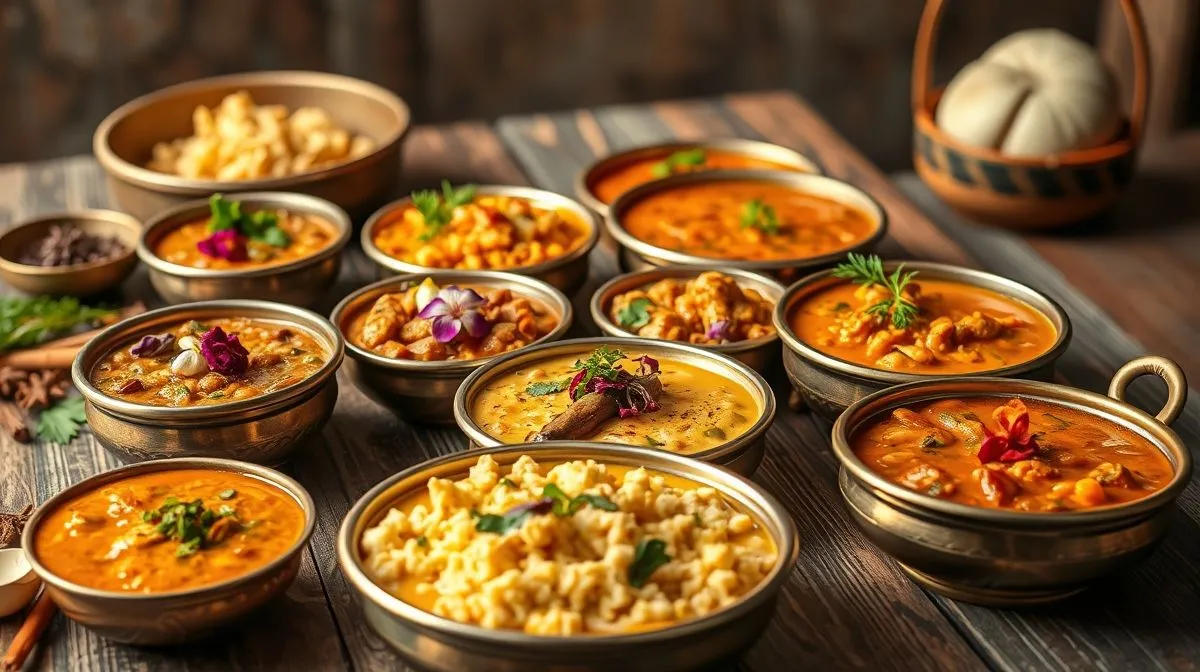
How Do Regional Indian Curries Differ by State? Unraveling India's Culinary Tapestry
Imagine a culinary journey across India, a land where every few hundred kilometers, the language, the attire, and most profoundly, the food, transform. Have you ever wondered why a 'curry' from Punjab tastes so different from one in Kerala, or why a dish from Bengal bears little resemblance to its counterpart in Goa? It's a question that many curious food enthusiasts ponder, often leading to a fascinating exploration of India's immense gastronomic diversity.
The 'curry' is perhaps the most globally recognized, yet most misunderstood, facet of Indian cuisine. Often generalized as a single entity, the reality is far more intricate and captivating. The true challenge lies in understanding the nuanced distinctions that define each region's unique approach to this beloved dish, moving beyond the monolithic perception to appreciate the vibrant kaleidoscope of flavors, textures, and aromas.
This comprehensive guide will demystify the complex world of Indian curries, meticulously explaining how regional Indian curries differ by state. We will embark on a geographical and cultural expedition, exploring the distinctive ingredients, indigenous spices, traditional cooking techniques, and historical influences that shape these culinary masterpieces from the snowy peaks of the Himalayas to the sun-kissed beaches of the south. By the end of this reading, you will possess a deeper appreciation for the unparalleled diversity that makes Indian food truly exceptional.
The Northern Gravy: Creamy, Rich, and Robust Flavors
North Indian curries are synonymous with richness, often characterized by creamy gravies, liberal use of dairy products like ghee, cream, and yogurt, and a reliance on nuts and dried fruits for body and sweetness. The cooking methods often involve slow simmering, allowing flavors to meld beautifully. This region's culinary style has been heavily influenced by Mughal invasions, leading to a sophisticated and elaborate cuisine.
Punjab and Delhi: The Hearty and Aromatic Delights
- Key Ingredients: Ghee, cream, yogurt, tomatoes, onions, garlic, ginger, cashews, almonds, and a blend of aromatic whole and ground spices like cardamom, cinnamon, cloves, and bay leaves.
- Signature Dishes: Iconic dishes include Butter Chicken (Murgh Makhani), known for its velvety tomato-butter gravy; Dal Makhani, a slow-cooked black lentil dish rich with butter and cream; and Shahi Paneer, a creamy cottage cheese curry.
- Cooking Style: Slow cooking, often in large pots (handis), with emphasis on building layers of flavor. Tandoor (clay oven) cooking also plays a significant role, imparting smoky notes.
Rajasthan: Fiery and Resilient Flavors
- Key Ingredients: Dried red chilies, garlic, mustard oil, yogurt, and sometimes a surprising touch of smoked meat. Scarcity of fresh vegetables in the desert region historically led to reliance on lentils, dried beans, and preserved ingredients.
- Signature Dishes: Laal Maas, a fiery red mutton curry, is perhaps the most famous, characterized by its vibrant color and intense heat from Mathania chilies. Gatte ki Sabzi, chickpea flour dumplings in a spicy yogurt gravy, is a popular vegetarian option.
- Cooking Style: Minimal water usage, emphasis on robust spices to compensate for limited fresh produce. The food often reflects the hardy lifestyle of the region.
The Southern Symphony: Tangy, Fiery, and Coconut-Kissed Creations
South Indian curries are a vibrant contrast to their northern counterparts, distinguished by their liberal use of coconut, tamarind, curry leaves, and mustard seeds. The climate allows for abundant fresh produce and seafood, which feature prominently. The flavors tend to be lighter, tangier, and often more pungent, with a noticeable emphasis on tempering (tadka) to finish dishes.
Kerala: Coastal Riches and Subtle Spices
- Key Ingredients: Coconut milk, fresh coconut, curry leaves, mustard seeds, green chilies, tamarind, and a variety of fresh seafood like fish and prawns.
- Signature Dishes: Fish Moilee, a mild, yellow fish curry made with coconut milk; Avial, a mixed vegetable curry in a thick coconut and yogurt gravy; and Prawn Curry with a distinctive tamarind tang.
- Cooking Style: Gentle simmering, often in earthenware pots, with a focus on fresh, local ingredients. Coconut is used in various forms – grated, ground, or as milk.
Tamil Nadu: Bold Flavors and Aromatic Masalas
- Key Ingredients: Black peppercorns, dried red chilies, curry leaves, mustard seeds, tamarind, and a wide array of roasted and ground spices forming complex masalas like Chettinad masala.
- Signature Dishes: Chettinad Chicken Curry, renowned for its aromatic and spicy profile, packed with black pepper, star anise, and fennel seeds. Kuzhambu, a diverse category of tangy, liquid-based curries often made with vegetables or lentils.
- Cooking Style: Dry roasting spices before grinding is common, enhancing their aroma and depth. The use of gingelly oil (sesame oil) is also prevalent.
Andhra Pradesh and Telangana: The Spice Capital
- Key Ingredients: Green chilies, red chilies (especially Guntur Sannam), tamarind, peanuts, and a strong emphasis on sour notes.
- Signature Dishes: Gongura Mamsam, a sour and spicy mutton curry made with sorrel leaves (gongura); and Hyderabadi Chicken Curry, known for its rich, often nutty gravy and spicy kick.
- Cooking Style: Generous use of chilies, making the cuisine notably spicier. The flavors are bold and assertive, reflecting a preference for intense taste experiences.
Eastern India's Distinctive Flavors: Mustard Oil, Fermented Delights, and Subtle Spices
Eastern Indian cuisine, particularly from West Bengal and Odisha, is characterized by its love for fish, the pervasive use of mustard oil, and a unique five-spice blend called 'Panch Phoron'. The flavors are often subtle yet profound, with a balance of sweet, sour, and spicy notes.
West Bengal and Odisha: Fish, Mustard, and Panch Phoron
- Key Ingredients: Fish (freshwater and brackish), mustard oil, panch phoron (cumin, fennel, nigella, mustard, fenugreek seeds), turmeric, ginger, and garlic.
- Signature Dishes: Macher Jhol, a light, soupy fish curry; Chingri Malai Curry, prawns cooked in coconut milk; and Aloo Posto, potatoes with poppy seeds, demonstrating the region's love for simple, flavorful vegetable preparations.
- Cooking Style: Minimal processing of ingredients, allowing the natural flavors of fish and vegetables to shine. Mustard oil provides a pungent base.
Northeast States: Fermented Flavors and Indigenous Herbs
- Key Ingredients: Bamboo shoots (fermented and fresh), fermented fish, local herbs, ghost peppers (Bhut Jolokia), and minimal oil.
- Signature Dishes: Various meat and vegetable curries with fermented bamboo shoot, Naga Pork Curry, and fish curries with indigenous herbs.
- Cooking Style: Focus on boiling, steaming, and smoking, with very little oil. The flavors are distinctively earthy and often very spicy.
Western India's Culinary Kaleidoscope: Sweet, Sour, and Spicy Contrasts
Western Indian cuisine presents a fascinating blend of sweet, sour, and spicy elements, often within the same dish. Proximity to the coast influences seafood availability, while inland regions showcase vegetarian and meat dishes with unique spice blends, often incorporating peanuts, jaggery, and kokum.
Maharashtra: Bold Spices and Coastal Delights
- Key Ingredients: Peanuts, sesame seeds, coconut, kokum (a souring agent), Goda Masala (a unique Maharashtrian spice blend), and a variety of chilies.
- Signature Dishes: Kolhapuri Mutton/Chicken Curry, known for its fiery heat and rich gravy; Malvani Fish Curry, a coastal specialty with a distinct coconut and red chili base; and Vada Pav (though not a curry, it's a staple that showcases the regional flavor profile).
- Cooking Style: Diverse, ranging from mild coastal preparations to intensely spicy inland dishes. The use of specific regional spice blends is key.
Gujarat: Sweet, Sour, and Vegetarian Dominance
- Key Ingredients: Jaggery (gur), kokum, peanuts, sesame seeds, yogurt, and a wide array of vegetables. Gujarati cuisine is predominantly vegetarian.
- Signature Dishes: Gujarati Kadhi, a sweet and sour yogurt and chickpea flour soup; and various 'Shaaks' (vegetable curries) that balance sweetness, sourness, and mild spice.
- Cooking Style: Emphasis on a harmonious blend of sweet, sour, and savory. Tempering with mustard seeds and curry leaves is common.
Goa: Portuguese Influence and Seafood Abundance
- Key Ingredients: Coconut, vinegar, red chilies, and an abundance of fresh seafood. The Portuguese influence is evident in the use of vinegar and a distinct flavor profile.
- Signature Dishes: Goan Fish Curry, a tangy and spicy curry made with coconut and red chilies, often served with rice; and Pork Vindaloo, a fiery and vinegary pork dish (though more of a stew, it's a quintessential Goan 'curry' in spirit).
- Cooking Style: Coconut milk and vinegar form the base for many gravies, offering a unique tangy and rich flavor.
Key Influences Shaping Regional Curry Variations
Understanding how regional Indian curries differ by state goes beyond just listing ingredients. It involves delving into the foundational factors that have shaped these culinary traditions over centuries. These influences are deeply intertwined with India's diverse geography, history, and culture, creating a truly unique gastronomic landscape.
Geography & Climate: The Pantry of a Region
- Ingredient Availability: Coastal regions naturally rely on seafood and coconut, while inland areas utilize lentils, grains, and dairy. The type of vegetables grown locally dictates their prevalence in curries. For instance, the abundance of rice in the South makes it the staple, influencing the consistency and spice level of curries to complement it.
- Temperature: Colder northern regions often favor richer, heavier curries with more fat and warming spices, while hotter southern climates lean towards lighter, tangier, and spicier dishes that aid digestion and stimulate appetite.
Historical & Cultural Influx: A Melting Pot of Flavors
- Mughal Influence: Northern Indian cuisine heavily benefited from the Mughal Empire, introducing nuts, dried fruits, rich gravies, and slow-cooking techniques. This led to dishes like Korma and Pasanda.
- Colonial Legacies: The Portuguese in Goa brought ingredients like chilies, potatoes, and tomatoes, profoundly impacting Goan cuisine, including the famous Vindaloo. The British, ironically, popularized the term 'curry' itself, though it's a generic term for a vast array of Indian dishes. Learn more about the origin and global perception of 'curry' on Wikipedia.
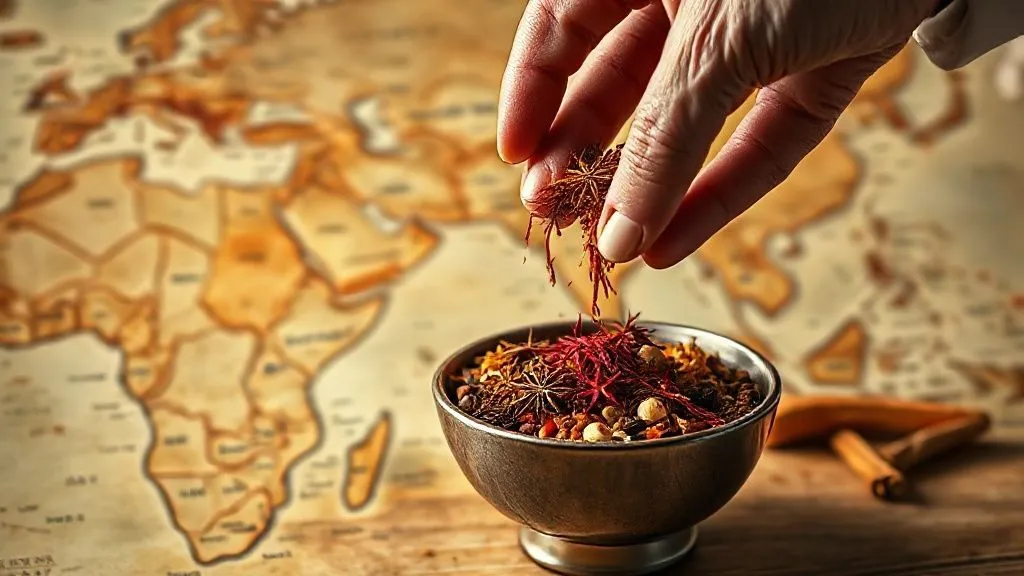
- Trade Routes: Ancient spice trade routes enriched various regions with unique spices and ingredients from afar, integrating them into local culinary practices.
Religious Practices & Dietary Habits: Cuisine as Culture
- Vegetarianism: States like Gujarat and Rajasthan, with strong Jain and Vaishnavite traditions, have developed an incredibly rich and diverse vegetarian curry repertoire, often incorporating pulses, legumes, and intricate vegetable preparations.
- Meat Consumption: Regions with significant Muslim or Christian populations, or those less bound by strict dietary codes, feature a wider array of meat and seafood curries.
Local Produce & Spice Blends: The Secret to Authenticity
- Indigenous Spices: Each region boasts its own unique set of indigenous spices and herbs. For example, the specific variety of red chilies (like Guntur Sannam in Andhra or Mathania in Rajasthan) significantly impacts the heat and color of a curry.
- Homemade Masalas: The art of making fresh, homemade spice blends (masalas) is central to Indian cooking. These blends are often family secrets, passed down through generations, and are the true essence behind the distinct flavors of regional curries.
Beyond the Plate: The Cultural Significance of Curries
Indian curries are more than just food; they are an integral part of the country's cultural fabric, reflecting social customs, celebrations, and even ancient philosophies. The act of preparing and sharing a curry is often steeped in tradition and community.
Festivals & Celebrations: Culinary Expressions of Joy
- Many regional curries are specifically prepared for festivals, weddings, and special occasions. For example, richer, more elaborate curries are common during Diwali or Eid, while lighter, seasonal vegetable curries might feature during harvest festivals.
- The specific ingredients and preparation methods often carry symbolic meaning, connecting the dish to the spiritual or festive context.
Family Traditions: Recipes Passed Through Generations
- The true custodians of regional curry recipes are often grandmothers and mothers, who pass down their unique spice blends and cooking techniques. These family recipes are rarely written down but are preserved through practice and oral tradition.
- This generational transfer ensures the authenticity and distinctiveness of regional flavors, keeping the culinary heritage alive.
Ayurvedic Principles: Food as Medicine
- Many traditional Indian curries are inherently aligned with Ayurvedic principles, balancing flavors (sweet, sour, salty, bitter, pungent, astringent) and ingredients to promote health and well-being.
- Spices are not just for flavor but are chosen for their medicinal properties, contributing to the holistic nature of Indian cuisine. For instance, turmeric is valued for its anti-inflammatory properties, while ginger aids digestion.
Demystifying the 'Curry' Term: A Global Misnomer?
It's important to pause and address the term 'curry' itself. As alluded to earlier, 'curry' is a British invention, a blanket term applied to a vast array of Indian dishes with gravies or sauces. In India, there's no single word for 'curry'. Instead, dishes are named after their main ingredient, the cooking method, or the specific gravy style.
- For example, you'll find 'Sabzi' (vegetable dish), 'Dal' (lentil dish), 'Korma' (braised meat/vegetable in a creamy sauce), 'Rogan Josh' (a rich Kashmiri lamb dish), 'Macher Jhol' (fish stew), or 'Kuzhambu' (a South Indian gravy).
- This highlights the immense internal diversity that the single word 'curry' fails to capture. While convenient for global understanding, it inadvertently flattens the rich culinary topography of India. Explore more about the history and cultural significance of 'curry' on Britannica.
Frequently Asked Questions (FAQ)
Is Indian curry always spicy? No, not all Indian curries are spicy. While many are, especially from regions like Andhra Pradesh or Rajasthan, there's a wide spectrum of spice levels. Many North Indian curries are mild and creamy, and South Indian curries can be tangy or savory without being overtly hot. The spice level is tailored to regional preferences and individual palates.
What's the main difference between a North Indian and South Indian curry? The primary differences lie in the base ingredients and dominant flavors. North Indian curries often use dairy (cream, yogurt, ghee), nuts (cashews, almonds), and tomatoes, resulting in rich, creamy, and often milder gravies. South Indian curries extensively use coconut (milk, grated), tamarind, curry leaves, and mustard seeds, leading to lighter, tangier, and often spicier preparations.
Are there vegetarian curries in every state? Absolutely! India has a vast and incredibly diverse vegetarian culinary tradition, driven by cultural and religious practices. Every state, regardless of its meat-eating habits, offers a plethora of delicious vegetarian curries, utilizing local vegetables, lentils, and paneer (Indian cottage cheese).
What is the role of ghee in Indian curries? Ghee (clarified butter) is a staple in many Indian curries, particularly in North India. It's used for sautéing spices, frying ingredients, and as a finishing touch to add richness, aroma, and a distinctive nutty flavor. It also helps to carry the fat-soluble compounds of spices, enhancing their taste.
How do climate and geography affect curry ingredients? Climate and geography are fundamental. Coastal regions, with abundant rainfall and access to the sea, naturally feature seafood and coconut heavily. Drier, inland regions rely more on lentils, pulses, and hardy vegetables. The local produce dictates the availability of ingredients, while the climate influences cooking methods and the preference for warming or cooling spices.
Recommended Reading
- Unlock the Secret: How to Maintain a Clean Living Routine on Vacation
- Skydiving Risks: First Time Jumpers' Safety Guide Revealed!
- Unlocking the Style Secrets: What to Wear to a Fancy Rooftop Bar in a City Break?
- Unlocking Unique Family Adventures: How to Find Child-Friendly Gems Abroad
- Best Cruise for Toddlers with Food Allergies: Safe Sailing Guide
Conclusion
The journey through India's regional curries reveals a culinary landscape as diverse and dynamic as the nation itself. We've explored how regional Indian curries differ by state, each a unique masterpiece shaped by geography, history, culture, and local produce. From the creamy gravies of the North to the tangy, coconut-infused delights of the South, the mustard-laced fish curries of the East, and the sweet-sour balances of the West, the variations are endless and endlessly fascinating. This intricate tapestry of flavors is a testament to India's rich heritage and the ingenuity of its people. So, the next time you encounter an 'Indian curry,' remember that you're about to taste a piece of a vast, vibrant, and incredibly diverse culinary tradition. Embrace the adventure, explore the nuances, and savor every distinct flavor that India has to offer.



Your email address will not be published. Required fields are marked *