

Unlocking Unique Family Adventures: How to Find Unique Child Friendly Activities Abroad?
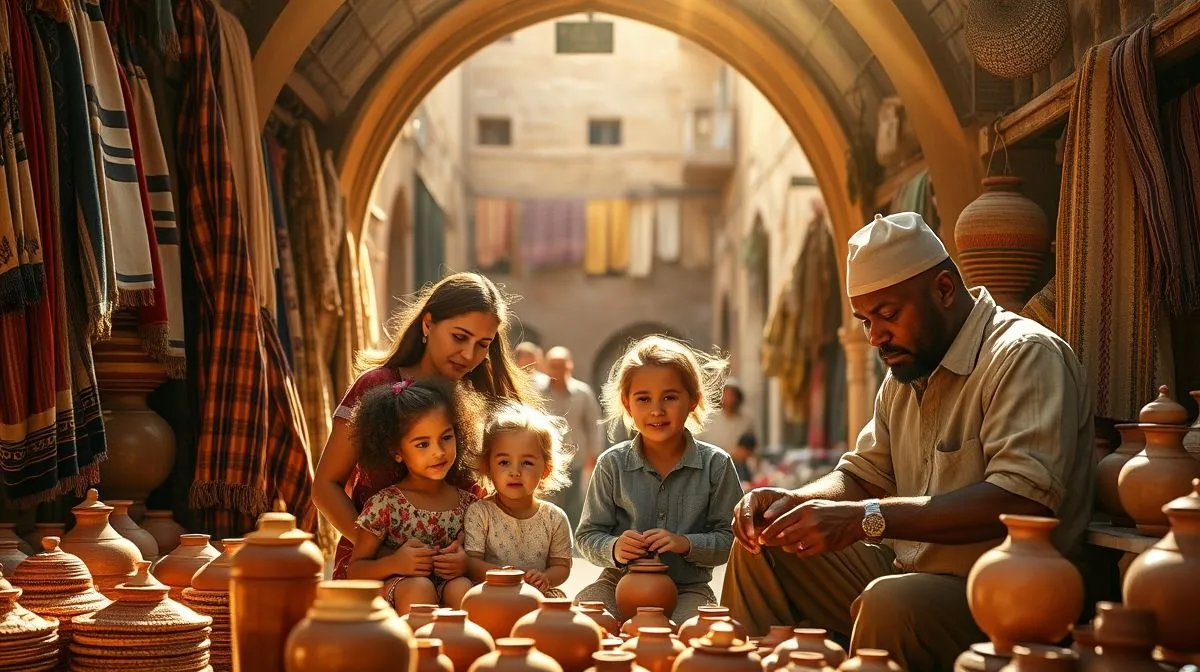
Imagine your child’s face lighting up, not at another crowded theme park, but as they learn to make traditional pasta in a quaint Italian village, or negotiate for a hand-painted kite in a bustling Moroccan souk. These aren't just snapshots; they are the indelible marks of truly unique family travel, moments that transcend typical tourism and become cherished memories. We've all been there, scrolling through endless lists of 'top attractions,' only to find the same predictable options.
The real challenge isn't just traveling abroad with children; it's discovering those extraordinary, off-the-beaten-path experiences that genuinely engage young minds and connect them with a new culture. How do you move beyond the tourist traps and uncover the authentic heart of a destination, ensuring your kids are not just spectators but active participants in the adventure?
This comprehensive guide will equip you with the strategies, resources, and mindset shifts required to answer the question: How to find unique child friendly activities abroad? From leveraging digital tools to embracing local connections, you'll learn to unearth hidden gems that promise enriching, unforgettable family adventures, fostering a lifelong love for exploration and understanding.
Beyond the Brochure: Shifting Your Travel Mindset
To truly find unique child-friendly activities abroad, the first step is to adjust your approach to travel itself. It's about moving away from rigid itineraries and embracing a more fluid, discovery-oriented perspective. This shift is crucial for uncovering authentic experiences.
Embracing Spontaneity and Local Flavors
One of the most rewarding aspects of travel is the unexpected discovery. While planning is important, leaving room for spontaneity allows you to stumble upon local festivals, impromptu street performances, or hidden playgrounds that wouldn't appear in any guidebook. These are often where the most unique, child-friendly activities lie.
- Observe and Engage: Pay attention to what local families are doing. Are they picnicking in a particular park? Are kids playing a unique game in a square?
- Follow Your Nose: Street food markets, local bakeries, and small cafes can lead to delicious and culturally immersive experiences. Children often love trying new, small treats.
- Wander Off the Main Path: Sometimes, just turning down a quiet side street can reveal a charming local shop, a community garden, or a small, family-run business offering a unique craft.
Researching with a Child-Centric Lens
When you research, don't just look for 'things to do.' Instead, consider what truly excites and engages children. Think about their natural curiosity, their love for play, and their desire to interact with the world around them. This perspective helps you filter out generic attractions.
- Focus on Interaction: Look for activities where children can participate, create, or experiment, rather than just observe. Cooking classes, craft workshops, or interactive museum exhibits are prime examples.
- Consider Age-Appropriateness: An activity might be unique, but if it doesn't align with your child's developmental stage or interests, it won't be enjoyable. Tailor your search to their specific ages and energy levels.
- Prioritize Play: Every culture has its unique forms of play. Seek out local parks, public squares where children gather, or even traditional games your kids can learn. Play is a universal language.
Leveraging Digital Tools and Online Communities
In our interconnected world, digital resources are invaluable for finding those one-of-a-kind experiences. They allow you to tap into a vast network of information and local insights that traditional guidebooks often miss.
Niche Travel Blogs and Family Forums
Beyond the mainstream travel sites, there are countless niche blogs and online forums dedicated specifically to family travel, often written by parents who have extensively explored destinations with their own children. These sources provide granular detail and personal anecdotes.
- Search for Specific Keywords: Use phrases like "[Destination] with kids unique," "family travel [Destination] offbeat," or "local child activities [Destination] blog."
- Join Facebook Groups: Many large travel groups or specific destination groups have sections for families. Post your questions directly; you'll often get personalized recommendations from locals or fellow travelers.
- Read Trip Reports: Detailed accounts of other families' trips can highlight unexpected discoveries and practical tips for navigating them.
Social Media Exploration (Instagram, Pinterest, TikTok)
Visual platforms are excellent for discovering visually appealing and unique activities. They offer a raw, unfiltered look at what's happening on the ground and can reveal places not yet widely publicized.
- Hashtag Research: Search for hashtags like #[Destination]Kids, #[Destination]Family, #[Destination]Local, or even more specific ones like #[Destination]StreetArt or #[Destination]FoodTour.
- Location Tags: Explore photos and videos tagged at specific locations within your destination. This can reveal popular local hangouts or hidden gems.
- Follow Local Creators: Identify local bloggers, photographers, or family influencers in your destination. Their content often showcases authentic experiences and new trends.
Specialized Activity Platforms and Apps
While some mainstream platforms like Airbnb Experiences or GetYourGuide offer many options, dig deeper for unique, local-led experiences. Look for platforms that specialize in cultural immersion or niche interests. Often, these are smaller, more curated services.
- Local Tour Operators: Instead of large international tour companies, seek out small, family-run local tour operators. They often offer unique, customizable experiences focused on their specific region.
- Cultural Exchange Apps: Some apps connect travelers with locals for language exchange, cooking lessons, or guided walks. While not always kid-specific, they can be adapted.
- Event Listing Sites: Check local event listing websites or apps for festivals, markets, or children's workshops happening during your visit. These are often in the local language, so a translation tool might be needed.
The Power of Local Connections: Unearthing Hidden Gems
The most authentic and unique experiences often come directly from the people who live in your destination. Locals are an invaluable source of information, offering insights that no guidebook can replicate.
Engaging with Locals: The Best Tour Guides
Don't be shy! A simple conversation can unlock a world of unique opportunities. Locals know their area best and are often proud to share their culture with interested visitors.
- Ask for Recommendations: Strike up conversations with hotel staff, restaurant servers, taxi drivers, shopkeepers, or even parents at a local park. Ask, "What do *your* children do for fun here?" or "Where do local families go on weekends?"
- Learn Basic Phrases: Even a few words in the local language can go a long way in breaking the ice and showing respect. This often encourages locals to share more openly.
- Be Open to Invitations: Sometimes, a casual conversation can lead to an invitation to a local event or a recommendation for a truly unique, hidden spot. Always exercise caution and common sense, but be open to genuine connections.
Seeking Out Local Community Centers and Libraries
These public spaces are often hubs of local activity and can be treasure troves of information about unique child-friendly events. They cater to the local population, not just tourists, ensuring authenticity.
- Bulletin Boards: Many community centers, libraries, and even local cafes have bulletin boards advertising upcoming events, workshops, or performances.
- Children's Sections: Libraries often have dedicated children's sections with story times, craft sessions, or play areas. These are excellent places for your children to interact with local kids.
- Ask the Staff: Librarians and community center staff are often very knowledgeable about local happenings and can point you towards unique opportunities.
Homestays and Cultural Exchange Programs
For the deepest level of immersion, consider a homestay or a structured cultural exchange program. Living with a local family provides unparalleled access to their daily life, traditions, and local secrets. This is arguably the most effective way to find unique child friendly activities abroad, as you're living them.
- Direct Access to Local Life: Your host family will introduce you to their routines, favorite spots, and local events that you would never find on your own.
- Authentic Experiences: From cooking traditional meals together to attending local school events or neighborhood gatherings, these experiences are inherently unique and deeply cultural.
- Language and Cultural Learning: This environment provides an immersive learning experience for both children and adults, fostering genuine understanding and connection.
Crafting Experiences: From Sightseeing to Story-Living
Once you've found potential unique child-friendly activities abroad, the next step is to integrate them into your travel narrative, transforming simple sightseeing into engaging, story-rich experiences for your children.
Interactive Museums and Discovery Centers
Many modern museums are designed with interactive exhibits that captivate children. Look beyond the grand national museums for smaller, specialized ones that offer hands-on learning.
- Science Centers: Often have engaging, tactile exhibits that explain complex concepts in fun ways.
- Children's Museums: Specifically designed for kids, offering play-based learning across various themes.
- Living History Museums: Where historical periods are recreated, and children can participate in activities like churning butter or traditional crafts.
Culinary Adventures for Little Foodies
Food is a fantastic gateway to culture. Engaging children in culinary experiences can be both educational and incredibly fun.
- Cooking Classes: Many destinations offer family-friendly cooking classes where kids can learn to make local dishes, from pasta in Italy to spring rolls in Vietnam.
- Market Visits: Explore local food markets. Let children pick out unusual fruits, vegetables, or spices. It's a sensory feast and a great way to learn about local produce.
- Street Food Exploration: Try safe, popular street foods. It's an adventure for the taste buds and a chance to observe local life.
Nature Exploration and Outdoor Play
Nature offers endless unique opportunities for children to connect with a new environment. Seek out parks, beaches, and natural reserves that offer unique local flora and fauna.
- Local Parks and Playgrounds: Discovering different playground designs and observing local children at play can be a simple yet profound cultural experience.
- Child-Friendly Hiking Trails: Look for trails with interesting features like waterfalls, unique rock formations, or opportunities for wildlife spotting.
- Unique Wildlife Encounters: From interacting with sloths in Costa Rica to watching penguins waddle in South Africa, responsible animal encounters can be deeply memorable. Remember to always prioritize ethical and sustainable tourism.
Cultural Workshops and Artisanal Experiences
Hands-on creative activities provide a deeper understanding of a culture's traditions and craftsmanship. These are fantastic for children who enjoy creating and learning new skills.
- Pottery or Weaving Workshops: Learn ancient craft techniques from local artisans.
- Music or Dance Lessons: Try a traditional instrument or learn a few basic steps of a local dance.
- Storytelling Sessions: Seek out opportunities to hear traditional stories or fables, often performed by local elders.
Navigating Challenges and Ensuring Safety
While the pursuit of unique experiences is exciting, it's vital to prioritize safety and be prepared for the unexpected. Being well-informed allows for greater flexibility and enjoyment.
Pre-Trip Research on Safety and Health
Before embarking on your quest for unique child-friendly activities abroad, ensure you've covered the basic safety and health precautions specific to your destination.
- Local Customs and Etiquette: Understanding and respecting local norms can prevent misunderstandings and open doors to warmer interactions.
- Emergency Contacts: Have local emergency numbers (police, ambulance, fire) readily available, along with your embassy or consulate details.
- Medical Facilities: Research nearby hospitals or clinics, especially those with pediatric services. Consider travel insurance that covers medical emergencies. According to the World Health Organization (WHO), being informed about local health risks and having appropriate vaccinations is crucial for international travel.
Managing Expectations and Flexibility
Not every unique activity will be a resounding success, and that's perfectly fine. Children, especially, can be unpredictable. Building flexibility into your plans is key.
- Have Backup Plans: If an activity falls through or isn't a hit, have a few alternative, low-key options ready, like a local park visit or simply relaxing at your accommodation.
- Allow for Downtime: Children need time to decompress and process new experiences. Don't overschedule. Sometimes, the most unique activity is simply observing daily life from a cafe.
- Prioritize Their Well-being: A tired or hungry child is unlikely to enjoy even the most unique experience. Be attuned to their needs and adjust plans accordingly.
Budgeting for Unique Experiences
Many unique, authentic experiences are surprisingly affordable, or even free, as they are part of local daily life rather than commercial tourist attractions. This makes them accessible to a wider range of budgets.
- Free Activities: Visiting local parks, public markets, attending free community events, or simply walking through vibrant neighborhoods are often free and highly enriching.
- Low-Cost Workshops: Many local artisans or community centers offer workshops at a fraction of the cost of large commercial tours.
- Prioritize Spending: If you find a truly unique, immersive experience that comes with a cost, consider it an investment in your family's cultural education and prioritize it over more generic, expensive attractions.
Real-World Examples: Unique Activities Across Continents
To illustrate the breadth of unique child-friendly activities abroad, here are a few inspiring examples from different parts of the world, demonstrating how diverse and engaging these experiences can be.
Europe: Renaissance Workshops in Florence, Italy
Beyond visiting the Uffizi Gallery, families can participate in workshops where children learn traditional Renaissance art techniques like fresco painting or mosaic making. These hands-on sessions, often held in small artisan studios, connect children directly with the city's artistic heritage in a tangible way. It's a far cry from just viewing masterpieces behind a velvet rope.
Asia: Traditional Kite Making in Bali, Indonesia
While Bali is famous for its beaches, a truly unique experience is learning to make traditional Balinese kites. Many local villages and cultural centers offer workshops where children can design, assemble, and even fly their own intricate kites, a deeply ingrained part of Balinese culture and spirituality. This is an excellent example of engaging with UNESCO's Intangible Cultural Heritage.
South America: Chocolate Making in Cusco, Peru
In the heart of the Inca Empire, families can participate in interactive chocolate-making workshops. Children learn about the history of cacao, from bean to bar, and get to grind beans, mix ingredients, and create their own chocolate treats. It's a delicious and educational dive into a significant part of South American culinary history.
Africa: Storytelling Sessions in Marrakech, Morocco
Beyond the bustling Djemaa el-Fna square, seek out more intimate storytelling sessions. Some riads or cultural centers host evenings where traditional storytellers (hakawati) recount ancient Moroccan tales, often accompanied by music. It's an immersive auditory experience that transports children into a world of folklore and imagination.
North America: Indigenous Craft Classes in Santa Fe, USA
In the Southwestern United States, particularly around Santa Fe, New Mexico, families can find workshops led by Indigenous artists. Children can learn traditional pottery techniques, jewelry making, or weaving from Pueblo or Navajo artisans. This offers a profound connection to the rich cultural heritage of America's first peoples.
Maximizing the Learning and Bonding Experience
The true value of finding unique child-friendly activities abroad extends beyond the immediate fun. These experiences offer profound opportunities for learning, growth, and strengthening family bonds.
Encouraging Reflection and Journaling
Help your children process their experiences by encouraging them to reflect. A travel journal, a sketchbook, or even simple conversations at the end of the day can solidify their memories and insights.
- Prompts: Ask questions like, "What was the most surprising thing you saw today?" or "What did you learn about the people here?"
- Creative Expression: Encourage drawing, writing, or even collecting small mementos to remember their unique adventures.
Connecting Activities to School Subjects
Travel is the ultimate classroom. Link the unique activities to subjects children learn in school, making abstract concepts tangible and exciting. This aligns with findings often discussed in educational psychology, highlighting the benefits of experiential learning for cognitive development, as noted by various academic institutions such as those contributing to BBC Travel articles on educational tourism.
- History: Visiting an ancient ruin or participating in a traditional craft connects them to historical periods.
- Geography: Understanding landscapes, climates, and how people adapt to them.
- Art & Music: Engaging with local art forms, dance, and musical traditions.
- Language: Basic phrases, understanding different accents, and the joy of communication.
Building Lasting Family Memories
Ultimately, these unique experiences are not just about the destination or the activity; they are about the shared journey and the memories you create as a family. Moving beyond typical tourist attractions often leads to more intimate, meaningful moments.
- Shared Discovery: The excitement of finding a hidden gem together creates a powerful bonding experience.
- Overcoming Challenges: Navigating new environments and sometimes unexpected situations together builds resilience and strengthens family unity.
- Broadening Perspectives: Exposing children to diverse cultures and unique ways of life fosters empathy, adaptability, and a global mindset that will serve them throughout their lives.
Frequently Asked Questions (FAQ)
How early should I start researching unique child-friendly activities abroad? Ideally, begin several months before your trip to identify potential unique experiences, but remain open to spontaneous discoveries upon arrival. Local insights often emerge closer to the travel date.
Are unique child-friendly activities usually more expensive? Not necessarily. Many authentic experiences, like visiting local parks, community events, or markets, are often free or low-cost. In fact, they can sometimes be more budget-friendly than mainstream tourist attractions.
How do I ensure the safety of unique, less-known activities? Always cross-reference information from multiple sources, read reviews (if available), and trust your instincts. Prioritize activities recommended by reputable local sources or through trusted personal connections. If something feels off, don't proceed.
What if my children don't enjoy a unique activity I've planned? It's important to manage expectations and be flexible. Not every experience will be a hit. Have backup plans, such as a simple play session or downtime, and remember that the journey itself, including unexpected moments, is part of the unique adventure.
Can I find unique child-friendly activities abroad even in very popular tourist destinations? Absolutely! Even in well-trodden destinations, unique experiences can be found by venturing a few blocks off the main tourist routes, engaging with locals, or seeking out community-focused events rather than just the major landmarks.
Recommended Reading
- Tuscany's Best Pasta Class for Beginners: The Secret to Authentic Flavors
- Unlock True Impact: What's the Difference Between Volunteer & Social Travel?
- Space Tourism for All? The Future of Affordable Space Travel
- The Ultimate Guide: How to Ensure Authentic Farm-to-Table Dining Experiences
- Unlock the Magic: Discover Kid-Friendly Destinations That Offer Educational Fun
Conclusion
Embarking on a family adventure abroad is an incredible opportunity to create lasting memories and foster a global perspective in your children. The key to truly transformative travel lies in moving beyond the predictable and actively seeking out those unique, authentic, and child-friendly activities that resonate deeply. By shifting your mindset, leveraging digital and local connections, and prioritizing interactive experiences, you can answer the question of How to find unique child friendly activities abroad? and unlock a world of discovery. These aren't just activities; they are immersive lessons, cultural bridges, and shared moments of wonder that will enrich your family's life long after the suitcases are unpacked. So, go forth, explore with curiosity, and let the world be your children's most extraordinary classroom.


Your email address will not be published. Required fields are marked *