

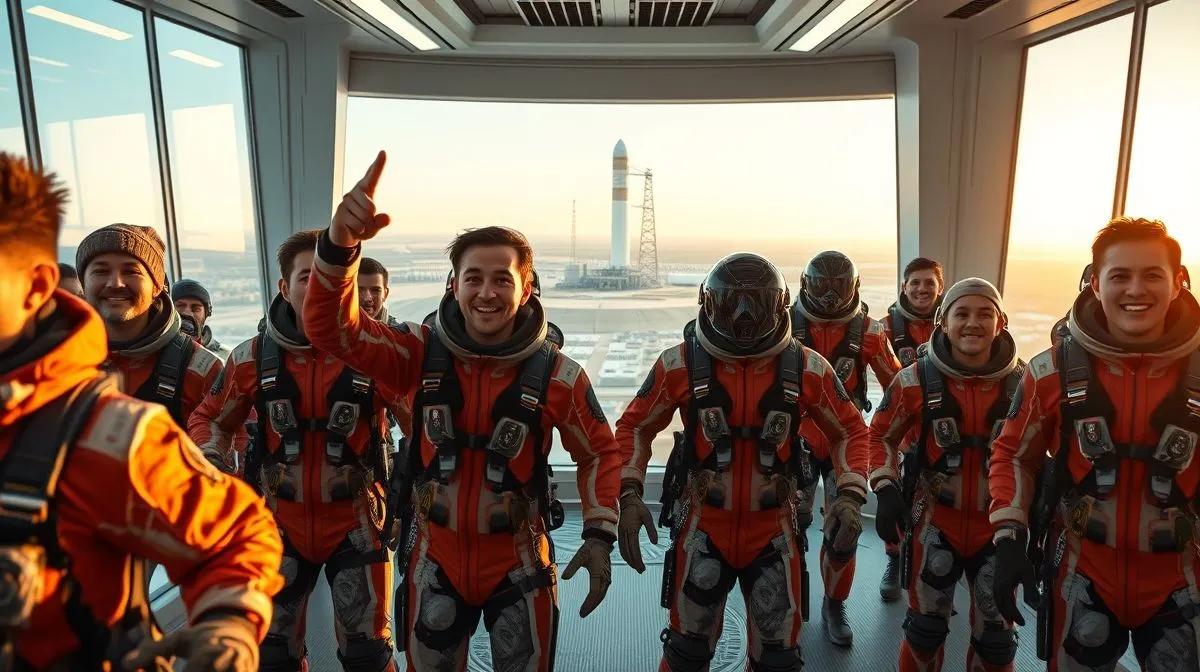
How Do Spaceports Prepare Tourists for Space Travel?
Imagine gazing down at Earth, a vibrant blue marble suspended in the inky blackness of space. For centuries, this profound experience was reserved for a select few government-trained astronauts. Now, with the advent of commercial spaceflight, that dream is becoming a tangible reality for civilians. But what does it truly take to transition from an earth-bound individual to a spacefarer?
The journey to the stars isn't just about booking a ticket; it's a meticulously planned and executed process that begins long before liftoff. Aspiring space tourists face a unique set of challenges and preparations that differ significantly from traditional air travel. The question isn't just 'Can I go?' but 'How will I be made ready for this extraordinary voyage?'
This comprehensive guide will delve deep into the intricate world of space tourism preparation, revealing the rigorous training, stringent safety protocols, and psychological conditioning that spaceports and private aerospace companies implement to ensure their passengers are not just physically capable, but also mentally prepared for the ultimate adventure. By the end, you'll understand precisely how do spaceports prepare tourists for space travel, transforming them from dreamers into voyagers.
The Dawn of Commercial Space Travel: A New Frontier
From Government Expeditions to Tourist Voyages
For decades, space exploration was the exclusive domain of national space agencies like NASA, Roscosmos, and ESA. Missions were driven by scientific discovery, geopolitical competition, and national prestige. Astronauts underwent years of intensive training, mastering complex engineering, survival skills, and scientific protocols, preparing for extended stays in orbit or daring lunar expeditions.
The landscape began to shift dramatically in the early 21st century with the rise of private aerospace companies. Visionaries like Elon Musk's SpaceX, Jeff Bezos's Blue Origin, and Richard Branson's Virgin Galactic entered the arena, not just to ferry cargo or government astronauts, but with the explicit goal of opening space to commercial ventures, including tourism. This paradigm shift necessitated a completely new approach to passenger preparation.
The Role of Spaceports in This Evolution
Spaceports, once primarily military or governmental launch sites, have evolved into bustling hubs for commercial spaceflight. These facilities are no longer just launchpads; they are integrated complexes offering everything from pre-flight training centers and medical facilities to mission control and passenger lounges. They serve as the crucial interface between Earth and orbit, orchestrating the complex choreography of preparing both the spacecraft and its human cargo.
The transition from government-centric to commercial operations means spaceports now cater to a broader demographic, requiring more accessible yet equally effective preparation methods. They are at the forefront of defining the protocols for civilian space travel, ensuring safety and readiness without the decade-long commitment of traditional astronaut training.
Phase One: Rigorous Medical and Psychological Screening
Why Health is Paramount for Spaceflight
The space environment is inherently unforgiving. From extreme G-forces during launch and re-entry to the microgravity conditions in orbit, the human body is subjected to stresses unlike any experienced on Earth. Therefore, the first and most critical step in preparing space tourists is a comprehensive medical evaluation. This isn't just a standard physical; it's an in-depth assessment designed to identify any pre-existing conditions that could be exacerbated by spaceflight.
These screenings typically involve extensive cardiovascular tests, neurological evaluations, bone density checks, and sensory organ examinations. Conditions like uncontrolled hypertension, severe asthma, certain heart conditions, or significant musculoskeletal issues can disqualify potential travelers. The goal is not to find perfect health, but to ensure the individual can safely withstand the physiological demands of the journey without undue risk to themselves or the mission.
Psychological Resilience and Team Dynamics
Beyond physical health, mental fortitude is equally vital. Space travel, even for a short duration, can be an intense psychological experience. Confinement, isolation, the vastness of space, and the inherent risks can be daunting. Spaceports and operators conduct psychological assessments to gauge a tourist's ability to cope with stress, maintain composure under pressure, and adapt to novel environments. This may include interviews, personality assessments, and even short simulations.
For missions involving multiple passengers, understanding group dynamics is also crucial. The ability to work collaboratively, communicate effectively, and maintain a positive attitude within a confined space is paramount for crew cohesion and overall mission success. Space tourism operators look for individuals who are not only excited but also stable, adaptable, and team-oriented.
- Cardiovascular Health: ECG, stress tests, blood pressure monitoring.
- Pulmonary Function: Lung capacity and respiratory health assessments.
- Musculoskeletal System: Evaluation of joints, bones, and muscle strength.
- Vision and Hearing: Comprehensive eye and ear exams.
- Psychological Stability: Stress tolerance, claustrophobia assessment, group interaction.
Phase Two: Intensive Pre-Flight Training Regimens
Understanding the Spacecraft and its Systems
Once medically cleared, tourists embark on their training journey. This phase is critical to familiarize them with the specific spacecraft they will be flying in. Unlike commercial aircraft, space vehicles have unique systems and safety features. Tourists receive detailed classroom instruction on the spacecraft's layout, emergency procedures, communication systems, and basic operational principles. This knowledge empowers them to be active participants in their safety, rather than just passive passengers.
Training often includes detailed walkthroughs of the actual spacecraft, or high-fidelity mock-ups. Understanding where emergency exits are, how to operate a pressure suit, or how to use onboard communication devices becomes second nature. The objective is to build familiarity and confidence, reducing anxiety and improving reaction times in the unlikely event of an anomaly.
Zero-Gravity and G-Force Adaptation Training
Perhaps the most iconic aspect of space tourist preparation involves adapting to the unique forces of launch and the weightlessness of space. Spaceports utilize specialized facilities to simulate these conditions:
- Centrifuge Training: To prepare for the intense G-forces experienced during launch and re-entry, tourists may undergo centrifuge training. This involves sitting in a simulated cockpit within a large spinning arm, exposing them to forces several times that of Earth's gravity. This helps the body adapt and teaches techniques to manage blood flow and maintain consciousness under stress.
- Parabolic Flights (“Vomit Comets”): For experiencing microgravity, parabolic flights are invaluable. Aircraft perform a series of steep climbs and dives, creating brief periods (around 20-30 seconds) of weightlessness. This allows tourists to practice moving, orienting themselves, and even eating in zero-G, helping to mitigate space sickness and build spatial awareness.
- Neutral Buoyancy Laboratory (NBL): While less common for suborbital tourists, those preparing for orbital flights may train in large underwater pools, using weighted suits to simulate microgravity. This is excellent for practicing complex movements, egress procedures, and equipment handling in a simulated weightless environment.
Emergency Procedures and Safety Protocols
Safety is paramount, and a significant portion of training focuses on emergency preparedness. Tourists are drilled on various scenarios, including cabin depressurization, fire suppression, and emergency egress procedures. They learn how to operate safety equipment, don and doff their pressure suits correctly, and respond to instructions from the flight crew.
Egress training, in particular, is vital. This involves practicing how to quickly and safely exit the spacecraft in an emergency, both on the launchpad and after landing. For suborbital flights, this might include sliding down escape chutes or practicing raft deployment in a water landing scenario. These drills are repeated until proficiency is achieved, building muscle memory and confidence.
Phase Three: Mission Simulations and Crew Integration
Full-Mission Rehearsals: From Pre-Launch to Landing
As the launch date approaches, space tourists participate in full-scale mission simulations. These are comprehensive rehearsals that mimic every phase of the actual flight, from the pre-launch briefings and boarding sequence to the launch, in-flight experience, re-entry, and landing. These simulations are often conducted in high-fidelity mock-ups of the spacecraft and control rooms, with flight crews, ground control, and medical teams all participating.
The purpose of these simulations is multi-fold: to fine-tune procedures, identify any potential issues, and ensure that every individual involved, from the tourist to the mission controller, knows their role and responsibilities. It's an opportunity to experience the flow of the mission in a controlled environment, reducing surprises and anxiety on launch day.
Building Cohesion: The Tourist-Astronaut Team
For commercial flights carrying multiple passengers, crew integration is a subtle yet crucial aspect of preparation. While not as extensive as traditional astronaut team building, spaceports facilitate activities that encourage camaraderie and mutual understanding among the tourist group. This might involve group exercises, shared meals, or team-building challenges during the training period.
A cohesive and supportive group can significantly enhance the overall experience and contribute to safety. In a high-stress, confined environment, the ability to rely on and communicate effectively with fellow passengers and the flight crew is invaluable. This emphasis on human factors is a testament to the holistic approach spaceports take in preparing their unique clientele.
Beyond Training: Logistical and Operational Preparedness
Spaceport Infrastructure: Launchpads and Facilities
The physical infrastructure of a spaceport is a marvel of engineering, meticulously designed to support the complex operations of spaceflight. Beyond the iconic launchpads, spaceports house state-of-the-art mission control centers, hangars for spacecraft assembly and maintenance, fuel storage facilities, and advanced weather monitoring stations. Each component plays a vital role in ensuring a safe and successful mission.
For tourists, the spaceport also provides specialized amenities, including comfortable pre-flight holding areas, medical support units, and secure environments. The seamless coordination of these facilities, often involving multiple private companies and government agencies, is a testament to the operational excellence required for space tourism.
Ground Control and Mission Support Teams
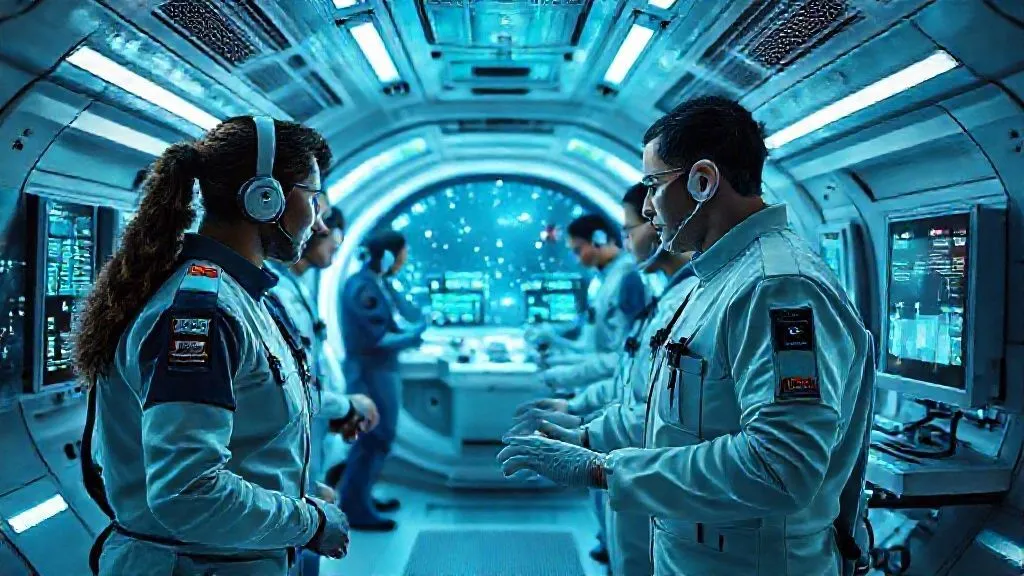
Even after liftoff, the spaceport's work is far from over. A dedicated team of ground control specialists continuously monitors every aspect of the flight. From tracking the spacecraft's trajectory and monitoring its systems to communicating with the flight crew and passengers, these teams are the eyes and ears on the ground. They are prepared to respond to any contingency, providing real-time support and making critical decisions.
Mission support also includes meteorologists who assess weather conditions, engineers who monitor spacecraft performance, and medical personnel on standby. This extensive network of expertise ensures that tourists are supported throughout their entire journey, from the moment they arrive at the spaceport until their safe return.
Regulatory Compliance and Safety Oversight
Commercial spaceflight operates under stringent regulatory frameworks to ensure safety. In the United States, for example, the Federal Aviation Administration (FAA) plays a significant role in licensing launch and re-entry sites, as well as commercial space transportation. This oversight ensures that spaceports and operators adhere to rigorous safety standards, from vehicle design to operational procedures and crew training.
This regulatory compliance is a cornerstone of trustworthiness in the burgeoning space tourism industry. It provides an independent layer of verification that the preparations undertaken by spaceports are not just company best practices, but also meet or exceed government-mandated safety thresholds, protecting both passengers and the public. Learn more about the FAA's role in space transportation here.
The Human Element: Managing Expectations and Experiences
Psychological Support and Comfort Measures
While the training is rigorous, spaceports also recognize the importance of psychological comfort and managing expectations. For many, this is a once-in-a-lifetime experience, and the emotional impact can be profound. Pre-flight briefings often include discussions about the sensations of launch, microgravity, and re-entry, helping to normalize these extraordinary experiences.
Some programs may offer access to psychologists or counselors to address any anxieties or concerns. The environment is designed to be supportive, acknowledging that while the participants are tourists, they are also embarking on a truly pioneering journey. Providing a sense of security and preparedness helps maximize the enjoyment and minimize any apprehension.
The Unique Perspective of a Civilian Astronaut
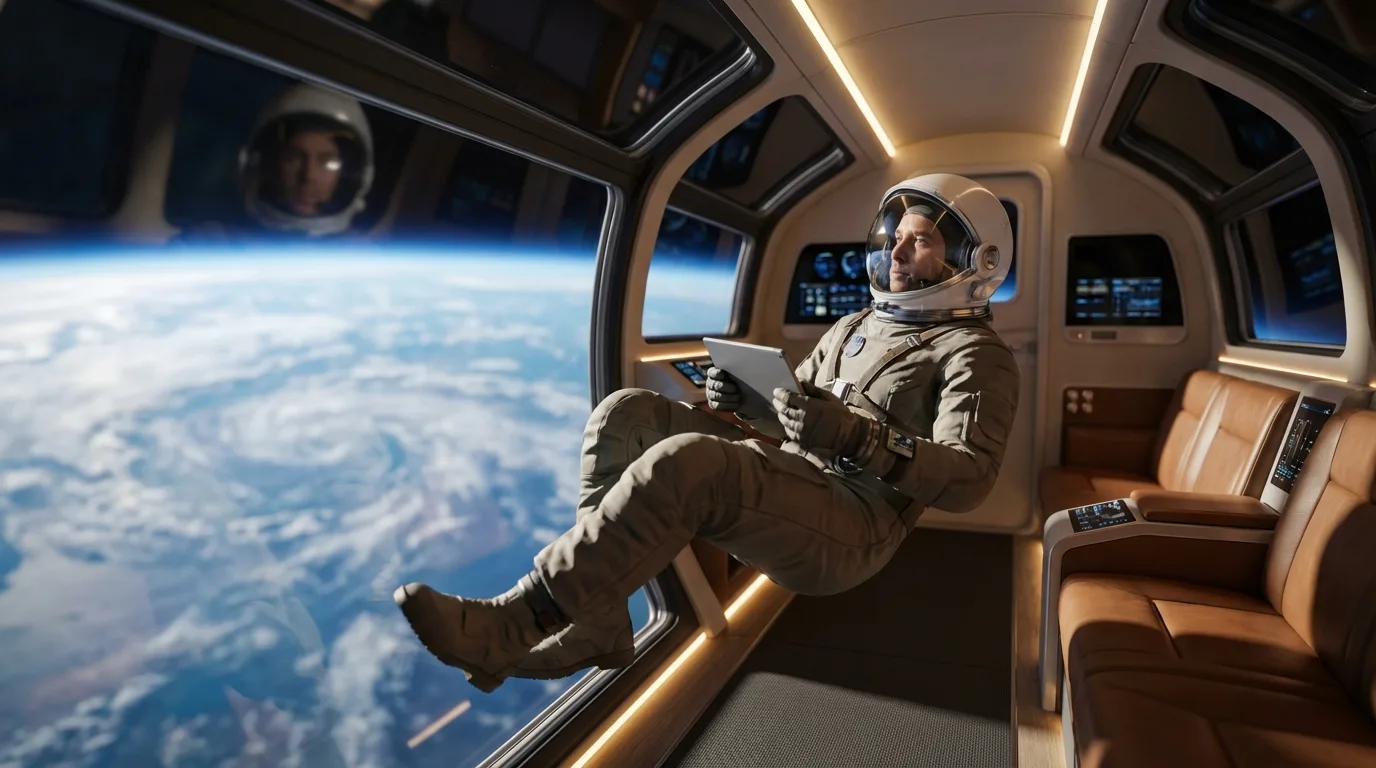
The ultimate goal of all this preparation is to enable a transformative experience. Spaceports don't just prepare tourists for space travel; they prepare them to safely witness the Earth from a new vantage point, to experience the profound silence and weightlessness of space, and to join an elite group of human beings who have ventured beyond our planet's atmosphere. This unique perspective, often described as the 'Overview Effect,' can be life-changing, fostering a deeper appreciation for Earth and humanity's place in the cosmos.
The training ensures that while the journey is short for suborbital flights, the experience is maximized, allowing tourists to focus on the wonder rather than being overwhelmed by the physical or procedural aspects. It's about empowering them to truly absorb the moment.
Future Horizons: Expanding Access and Evolving Preparation
Innovations in Training Technology
As space tourism becomes more common, the methods of preparation will continue to evolve. Advancements in virtual reality (VR) and augmented reality (AR) are already being integrated into training programs, offering highly immersive and cost-effective simulations. These technologies can provide realistic experiences of spacecraft interiors, orbital mechanics, and emergency scenarios without the need for expensive physical mock-ups or parabolic flights, making training more accessible and efficient.
Further research into space medicine and human physiology will also refine medical screening and in-flight health monitoring, potentially allowing a broader range of individuals to safely experience space. The goal is to democratize access while maintaining the highest safety standards. Explore NASA's human spaceflight research for insights into future possibilities.
The Vision for Mass Space Tourism
The current state of space tourism is nascent, characterized by high costs and limited availability. However, the long-term vision of many space companies and spaceports is to make space travel as routine as air travel. This future will necessitate scaled-up training facilities, standardized preparation protocols, and potentially even shorter, more streamlined training programs for suborbital journeys.
As technology advances and costs decrease, the question of how do spaceports prepare tourists for space travel will become relevant to a much larger segment of the population. This future will rely on continuous innovation in safety, efficiency, and the human experience, ensuring that the dream of space remains accessible and awe-inspiring for generations to come. For more on the future of space tourism, consider visiting this resource: Wikipedia's article on Space Tourism. Or for a commercial operator's perspective, check out Virgin Galactic's approach.
Frequently Asked Questions (FAQ)
How long does space tourist training typically last? The duration varies significantly based on the type of flight. For suborbital flights, training can range from a few days to a couple of weeks. For potential orbital flights, it could extend to several months.
Is space travel safe for tourists? Commercial spaceflight operators adhere to stringent safety protocols and are regulated by authorities like the FAA. While no form of travel is without risk, the industry is heavily invested in ensuring the highest possible safety standards for its passengers.
What physical requirements are there for space tourists? While not as demanding as for career astronauts, tourists must be in good general health, capable of withstanding G-forces and adapting to microgravity. Specific requirements vary by operator but typically involve a comprehensive medical screening.
Can anyone become a space tourist? Currently, space tourism is limited by cost and the ability to pass medical and psychological screenings. As the industry matures, it is hoped that access will broaden, making it more feasible for a wider range of individuals.
Recommended Reading
- Master Off-Grid Trekking: Your Ultimate Guide to Safe Navigation
- The Ultimate Guide: How to Find Authentic Foodie Destinations Abroad
- Europe on a Shoestring: Family Travel Tips That Won't Break the Bank
- Unlock Your City Break: Maximize Sightseeing & See More!
- Unlock Your Wanderlust: The Ultimate Guide to Cheaper Long-Term Travel
Conclusion
The journey to become a space tourist is far more involved than simply purchasing a ticket. It is a carefully orchestrated process where spaceports play a pivotal role, transforming civilians into capable spacefarers through rigorous medical screening, intensive pre-flight training, and comprehensive mission simulations. From adapting to extreme G-forces and microgravity to mastering emergency procedures and understanding spacecraft systems, every step is designed to ensure safety, readiness, and a truly unforgettable experience. As commercial spaceflight continues to evolve, the methods and accessibility of this preparation will undoubtedly advance, paving the way for more individuals to realize the extraordinary dream of space travel. The future of space tourism is bright, built on a foundation of meticulous preparation and an unwavering commitment to safety and wonder.


Your email address will not be published. Required fields are marked *