

How to Plan a Zero-Waste Trip to National Parks? Your Ultimate Guide to Sustainable Adventure
Imagine standing amidst the ancient giants of Sequoia, feeling the spray of Yosemite Falls, or gazing into the Grand Canyon's abyss. These are moments of profound connection with nature, yet often, our presence leaves an unintended mark. Did you know that the average visitor to a national park generates pounds of waste, much of which ends up in landfills, straining the very ecosystems we cherish?
The challenge lies in reconciling our desire for exploration with our responsibility to protect these pristine environments. How can we enjoy the unparalleled beauty of our national parks without contributing to their degradation? The traditional travel model often relies on single-use plastics and excessive consumption, creating a dilemma for the eco-conscious adventurer.
This comprehensive guide will equip you with the knowledge and practical strategies on how to plan a zero-waste trip to national parks. From meticulous pre-trip preparation to mindful practices on the trail, you'll learn to minimize your environmental footprint, ensuring your adventure is as sustainable as it is unforgettable. Prepare to transform your approach to outdoor exploration and become a true steward of nature.
Understanding the Impact of Tourism on National Parks
National parks are sanctuaries of biodiversity and natural grandeur, drawing millions of visitors annually. While this visitation fuels appreciation for nature, it also brings significant environmental challenges, particularly concerning waste generation and resource consumption. Understanding these impacts is the first step toward responsible travel.
The Fragile Ecosystems We Visit
Many national parks protect delicate ecosystems, from alpine tundras to desert oases, which are highly sensitive to human disturbance. Even seemingly small actions, like leaving behind a food wrapper or straying from a designated trail, can have cumulative and detrimental effects on flora, fauna, and soil integrity. These environments often lack the infrastructure to handle large volumes of waste effectively.
The Challenge of Waste Management in Remote Areas
Unlike urban areas, national parks frequently operate with limited waste management facilities. Hauling waste out of remote park locations is resource-intensive and costly, adding to the carbon footprint. Landfills near parks can overflow, and improperly disposed waste can attract wildlife, leading to dangerous encounters and changes in animal behavior. This underscores the critical importance of reducing waste at its source.
Embracing the Leave No Trace Principles
At the core of any sustainable outdoor adventure, especially when you plan a zero-waste trip to national parks, are the seven principles of Leave No Trace. These guidelines are designed to help minimize our impact on the natural world, ensuring its preservation for future generations. Adhering to them is fundamental for eco-conscious travelers.
Plan Ahead and Prepare
Good planning is the cornerstone of a zero-waste trip. This involves researching your destination, understanding park regulations, anticipating weather conditions, and packing appropriately. Being prepared reduces the need for last-minute purchases of single-use items and helps you navigate unexpected situations without creating waste.
Travel and Camp on Durable Surfaces
Stick to established trails and campsites. Walking off-trail can damage fragile vegetation and soil, leading to erosion. When camping, choose existing sites rather than creating new ones. This concentrates impact and allows natural areas to recover. Durable surfaces include rock, gravel, dry grasses, or snow.
Dispose of Waste Properly
This is perhaps the most direct zero-waste principle. Pack out everything you pack in, including all trash, food scraps, and even human waste where facilities are unavailable. This means carrying a dedicated waste bag and being prepared to transport all refuse until it can be properly disposed of outside the park. This includes organic waste, which can take years to decompose and disrupt wildlife diets.
Leave What You Find
Resist the urge to take souvenirs like rocks, plants, or historical artifacts. Leave natural objects and cultural artifacts as you find them. This preserves the natural beauty and historical integrity of the park for others to enjoy. It's about appreciating, not appropriating.
Minimize Campfire Impacts
While campfires are a cherished part of many outdoor experiences, they can cause lasting impacts. Use established fire rings, keep fires small, and burn only dead and downed wood that can be broken by hand. Better yet, consider a stove for cooking and a headlamp for light to reduce your impact entirely. Ensure fires are completely out and cold before leaving.
Respect Wildlife
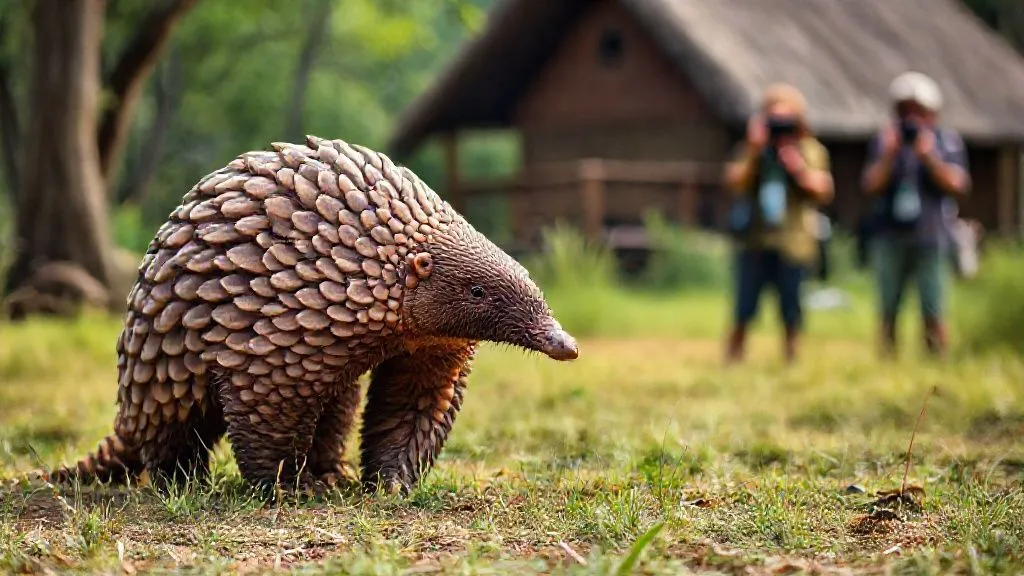
Observe wildlife from a distance and never approach or feed animals. Feeding wildlife can alter their natural behaviors, make them dependent on human food, and expose them to health risks. Store food and trash securely to prevent animals from accessing them. Respecting wildlife ensures their safety and your own.
Be Considerate of Other Visitors
Part of preserving the park experience is respecting other visitors. This includes minimizing noise, yielding to others on trails, and maintaining a positive attitude. Everyone visits national parks for unique reasons, and fostering a sense of community helps ensure a pleasant experience for all.
Pre-Trip Planning: The Foundation of Zero-Waste Travel
The success of a zero-waste national park trip hinges significantly on your planning before you even leave home. This proactive approach minimizes your reliance on disposable items and ensures you're prepared for any situation without creating unnecessary waste.
Researching Park Regulations and Amenities
Every national park has unique regulations regarding waste disposal, recycling, camping, and even specific items you can bring. Before your visit, thoroughly research the specific rules of your chosen park. The National Park Service website is an invaluable resource for up-to-date information on park-specific guidelines, available amenities, and any restrictions. Knowing if a park has potable water refill stations or requires bear canisters, for example, will directly influence your packing list.
Sustainable Transportation Choices
Your journey to the park can be a significant source of your carbon footprint. Consider carpooling, using public transportation if available, or even electric vehicles. Once inside the park, utilize shuttle services, walk, or bike whenever possible. Minimizing vehicle use reduces emissions and congestion, contributing to cleaner air and a quieter park experience.
Crafting a Zero-Waste Packing List
This is where the rubber meets the road for a zero-waste trip. Every item you pack should serve a purpose and ideally be reusable. Think critically about what you truly need versus what might be convenient but wasteful. Here's a foundational list:
- Reusable Water Bottles & Filtration System: Essential for staying hydrated without buying plastic bottles.
- Reusable Food Containers & Bags: For snacks, leftovers, and packing meals. Silicone bags are versatile.
- Cloth Napkins & Towels: Replace paper towels and napkins.
- Reusable Utensils & Plate/Bowl: Avoid disposable cutlery and dinnerware.
- Travel Mug: For coffee or tea.
- Solid Toiletries: Shampoo bars, soap bars, solid toothpaste to avoid plastic bottles.
- Waste Bag/Container: A designated, sealable bag or small bucket to carry out all your trash.
- Rechargeable Batteries: For headlamps, cameras, etc.
- Repair Kit: For gear, to extend its lifespan.
- Durable Gear: Invest in high-quality, long-lasting camping and hiking equipment.
Food and Hydration: Fueling Your Adventure Sustainably
Food and drink are often major contributors to waste during travel. With careful planning, you can nourish yourself effectively on your national park adventure while leaving no trace.
Meal Planning to Minimize Waste
Before your trip, plan out every meal and snack. This allows you to purchase ingredients in bulk, avoiding individually packaged items. Prepare meals at home and store them in reusable containers. Dehydrated meals you make yourself can be a great lightweight, low-waste option. Focus on simple, whole foods that require minimal preparation and produce no waste.
Reusable Water Systems and Filtration
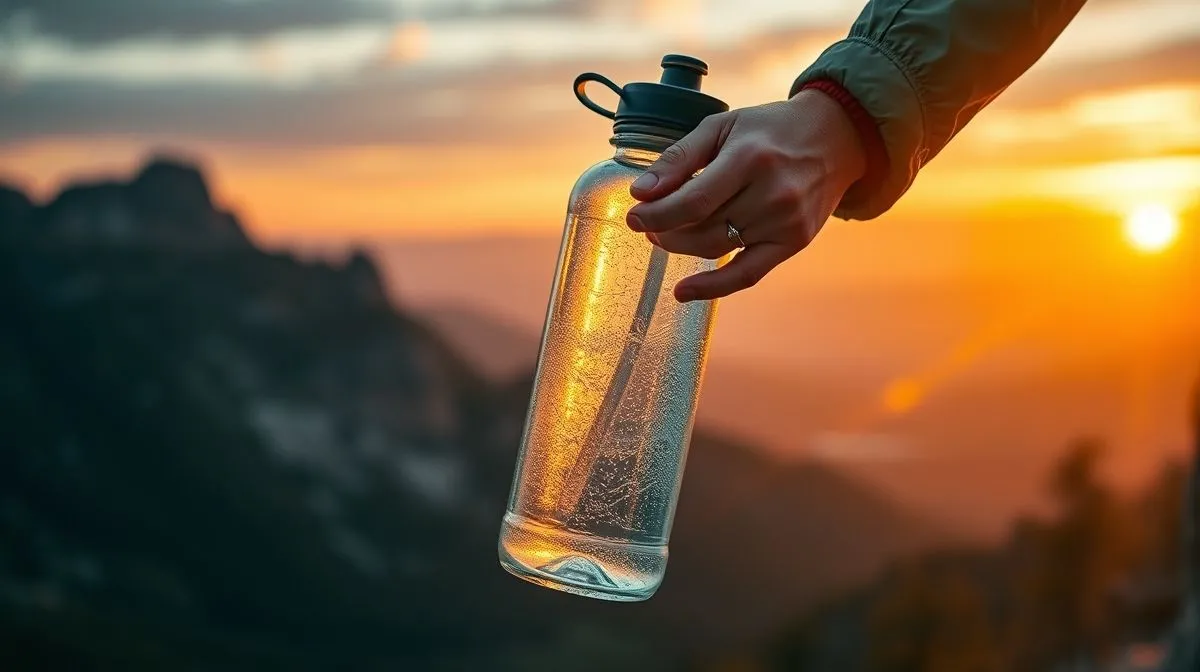
Access to safe drinking water is paramount. Instead of single-use plastic bottles, bring multiple large reusable water bottles or a hydration reservoir. Supplement this with a portable water filter or purification tablets, especially if you plan to access natural water sources. Many parks offer potable water stations, so check ahead and fill up there.
Snacks and Provisions: Bulk vs. Packaged
Snacks are notorious for generating wrappers. Opt for bulk nuts, dried fruit, granola, or homemade energy bars stored in reusable silicone bags or containers. Avoid chips, candy bars, and other highly processed items that come in multi-layered, non-recyclable packaging. Even fruit peels and cores should be packed out, as they decompose slowly and can attract wildlife.
On the Trail and At Camp: Practicing Zero-Waste
Once you're in the national park, the principles of zero-waste become tangible actions. Every decision, from how you dispose of waste to how you conserve resources, contributes to your overall environmental footprint.
Waste Collection and Storage On-Site
The golden rule is: Pack it in, Pack it out. Designate a specific, sealable bag or container for all your waste, including food scraps, wrappers, and hygiene products. A sturdy dry bag or a small, hard-sided container works well to prevent odors and spills. Even tiny items like twist ties or bottle caps should be collected. Do not rely on park trash cans, which may be limited or overflowing.
Minimizing Water and Energy Usage
Even though you're in nature, conservation is key. Use water sparingly for cooking and cleaning. Opt for biodegradable, unscented soaps for dishes, and use them away from water sources. Minimize energy use by relying on natural light, using headlamps instead of lanterns when possible, and turning off electronic devices. Solar chargers for phones or small devices can reduce reliance on external power.
Responsible Human Waste Management
Properly managing human waste is crucial for preventing water contamination and maintaining aesthetic appeal. In areas without facilities, dig a cat hole 6-8 inches deep and at least 200 feet from water, trails, and campsites. Pack out all toilet paper and hygiene products. In some sensitive areas, parks may require you to pack out human waste using WAG bags or similar systems. Always check park regulations beforehand.
Beyond the Basics: Advanced Zero-Waste Strategies
While mastering the core principles of reducing waste is essential, there are additional steps you can take to amplify your positive impact and ensure your journey is truly sustainable.
Supporting Local, Sustainable Businesses
When traveling to and from national parks, make an effort to patronize local businesses that prioritize sustainability. Look for eco-certified accommodations, restaurants that source locally, and gear shops that offer repairs or sell used equipment. Your consumer choices can directly support communities that are invested in environmental stewardship.
Advocacy and Education
Your zero-waste trip isn't just about your personal actions; it's also an opportunity to inspire others. Share your experiences and tips with friends and family. Engage in conversations about sustainable travel. Consider supporting organizations like the Leave No Trace Center for Outdoor Ethics, which promotes responsible outdoor recreation. Your voice can contribute to a larger movement.
Carbon Offsetting Your Travel
Even with the best intentions, travel generates a carbon footprint. Consider offsetting the emissions from your transportation by investing in reputable carbon offset programs. These programs fund projects that reduce greenhouse gas emissions elsewhere, such as renewable energy development or reforestation. While not a substitute for reduction, it's a way to mitigate unavoidable emissions. Reputable organizations provide transparent details on their projects and impact.
Common Pitfalls and How to Avoid Them
Even the most well-intentioned travelers can fall into common traps that undermine their zero-waste efforts. Awareness of these pitfalls is key to avoiding them and maintaining a truly sustainable approach.
Overpacking and Unnecessary Items
A common mistake is bringing too many items, leading to unused goods that become waste or simply add unnecessary weight. Each item packed should have a clear purpose. Avoid bringing items 'just in case' if a reusable, multi-purpose alternative isn't available. A minimalist mindset is highly beneficial for zero-waste travel.
Underestimating Waste Generation
It's easy to underestimate how much waste even small items like snack wrappers, tea bags, or dental floss can accumulate. Always assume you will generate more waste than you think and pack a larger-than-necessary waste bag. Being prepared for more waste ensures you don't have to leave anything behind.
Ignoring Local Guidelines
Each park has specific rules, often tailored to its unique environment and challenges. Ignoring these guidelines, even unintentionally, can lead to negative impacts. For example, some parks prohibit certain types of cooking stoves or require specific bear-resistant food containers. Always prioritize park-specific rules over general zero-waste principles if there's a conflict.
Frequently Asked Questions (FAQ)
Is it truly possible to have a completely zero-waste trip to a national park? While achieving 100% zero waste can be challenging due to existing infrastructure and supply chains, the goal is to minimize your waste as much as possible. Focus on reducing, reusing, and packing out everything you bring in. Every effort makes a significant difference.
What do I do with food scraps like apple cores or banana peels? Don't they decompose naturally? No, they should always be packed out. While organic, they decompose very slowly in many park environments, attract wildlife, and are not part of the natural ecosystem. They can also take years to break down and can introduce non-native seeds.
Are there specific national parks that are better for zero-waste travel? Parks with robust shuttle systems, easily accessible potable water stations, and clear recycling/composting initiatives can make zero-waste travel easier. However, the principles apply to all parks, and your personal preparation is the most critical factor. Researching specific park amenities is key.
How can I make my camping gear more zero-waste? Invest in durable, high-quality gear that lasts for years. Repair items instead of replacing them. Buy used gear when possible. Choose items made from recycled or sustainable materials. For items like sleeping bags, consider their longevity and fill type.
Recommended Reading
- Glamping Outdoor Kitchen Setup Ideas: Create Your Dream Campsite!
- Ultimate Guide: Best Winter Sports Photography Settings
- Wheelchair Friendly Museums Near Me? Your Ultimate Accessibility Guide
- Space Tourism for All? The Future of Affordable Space Travel
- Solo & Social: Your Guide to the Best International Festivals
Conclusion
Embarking on a zero-waste trip to national parks is more than just a trend; it's a profound commitment to environmental stewardship and responsible recreation. By meticulously planning your journey, embracing the Leave No Trace principles, and making conscious choices about your consumption, you contribute directly to the preservation of these irreplaceable natural treasures. Your adventure becomes not just about experiencing beauty, but about protecting it. Let your next national park visit be a testament to sustainable exploration, leaving only footprints and taking only memories, ensuring these wild spaces thrive for generations to come.



Your email address will not be published. Required fields are marked *