


How to Avoid Perpetuating Colonial Mindsets in Short-Term Volunteer Travel?
Having dedicated over two decades to the intricate world of international development and volunteer travel, I've witnessed firsthand the profound impact, both positive and, regrettably, negative, that short-term volunteer initiatives can have. I've seen well-intentioned individuals arrive in communities with hearts full of desire to help, only to inadvertently reinforce harmful power dynamics rooted in historical inequalities. It's a complex tightrope walk, often misunderstood.
The core problem lies in a pervasive, often unconscious, colonial mindset. This isn't about individual malice; it's about systemic structures and implicit biases that can lead volunteers to approach communities as 'recipients' of aid rather than equal partners. This can manifest as imposing external solutions, failing to listen to local voices, or reinforcing stereotypes, ultimately undermining sustainable development and local agency.
But here's the crucial insight: recognizing this challenge is the first step towards truly transformative engagement. In this definitive guide, I will share actionable frameworks, critical self-reflection tools, and expert insights drawn from years of experience. You'll learn how to navigate the complexities of short-term volunteer travel with genuine respect, foster true partnership, and ensure your efforts contribute to equitable, sustainable development, rather than perpetuating colonial mindsets.
Understanding the Roots of Colonial Mindsets in Volunteer Travel
Before we can dismantle problematic mindsets, we must first understand their origins. The concept of 'colonial mindset' in volunteer travel isn't about direct political control, but rather the echo of historical power imbalances. It's the subconscious assumption that one's own culture, knowledge, or resources are inherently superior or more necessary than those of the host community.
Historically, colonial powers justified their presence and exploitation by framing themselves as 'civilizers' bringing 'progress' to 'less developed' nations. This narrative created a deeply ingrained dichotomy: the 'developed' West as the giver, the 'developing' world as the receiver. Volunteer travel, if not approached critically, can inadvertently fall into this trap, with volunteers viewing themselves as saviors bringing solutions, rather than learners and collaborators.
"The greatest danger in helping others is that you might help them to be dependent on you." - Unknown
This mindset often manifests in a lack of genuine listening, an imposition of Western-centric solutions, and a failure to recognize the existing strengths, knowledge, and agency within local communities. It can erode local capacity, create dependency, and ultimately disempower the very people volunteers intend to support. Understanding this historical baggage is paramount to ensuring your volunteer experience contributes to genuine equity.
Pre-Departure Preparation: Beyond the Brochure
True ethical engagement begins long before you step on a plane. It starts with rigorous, honest pre-departure preparation that goes far beyond packing lists and basic cultural tips. This is where you lay the groundwork for a truly decolonial approach to your volunteer experience, actively working to avoid perpetuating colonial mindsets in short-term volunteer travel.
1. Critical Self-Reflection and Intention Setting
- Examine Your Motivations: Ask yourself honestly: Why am I doing this? Is it primarily for resume building, adventure, or a genuine desire for reciprocal learning and support? While personal growth is valid, it shouldn't overshadow community needs.
- Deconstruct the 'Savior Narrative': Actively challenge any internal thoughts that position you as a 'hero' or 'savior'. Recognize that communities have their own agency, solutions, and resilience.
- Identify Your Privileges: Acknowledge your position of privilege (economic, racial, national, educational) and how it might influence your perceptions and interactions.
2. In-Depth Research and Education
- Study Local History and Geopolitics: Understand the colonial history of the region you're visiting, its impact, and ongoing post-colonial challenges.
- Learn About the Organization: Scrutinize the volunteer organization. Are they locally led? Do they prioritize local hiring? How are community partnerships formed and maintained? Do they have a clear exit strategy for projects?
- Cultural Immersion (Pre-Arrival): Go beyond superficial customs. Research local values, communication styles, social hierarchies, and sensitive topics. This isn't just about avoiding offense; it's about understanding the deep cultural fabric.
Example: I once worked with a volunteer who, through extensive pre-departure research, discovered the local community's deep respect for elders and their traditional knowledge systems. Instead of immediately suggesting new technologies, she focused her initial interactions on learning from community elders, building trust, and only then respectfully introducing ideas that integrated traditional practices with modern approaches. This shifted the dynamic from 'imposing' to 'co-creating'.

Prioritizing Local Voices: The Cornerstone of Ethical Engagement
The most critical step in avoiding colonial mindsets is to unequivocally prioritize and amplify local voices. This means recognizing that the community members themselves are the experts on their own needs, challenges, and solutions. Your role shifts from 'doing for' to 'listening to' and 'supporting'.
1. Active Listening and Humility
- Listen More, Talk Less: This sounds simple, but it's profoundly difficult for many. Resist the urge to offer immediate solutions. Spend significant time simply observing and listening.
- Ask Open-Ended Questions: Frame your questions to elicit detailed responses about community priorities, not just 'yes' or 'no' answers to your own ideas.
- Embrace Not Knowing: It's okay not to have all the answers. Your expertise might be in a specific skill, but the local community holds the expertise on their context.
2. Supporting Local Leadership and Capacity Building
- Identify Local Leaders: Work through and empower existing community leaders and structures, rather than creating parallel systems.
- Skill Transfer, Not Skill Replacement: Focus on training local individuals to perform tasks themselves, ensuring the project's sustainability long after you leave.
- Co-Creation of Solutions: Any project or intervention should be jointly designed and implemented with community members, ensuring it is culturally appropriate and truly addresses their identified needs.
Case Study: How 'The Green Village Project' Thrived Through Local Leadership
The Green Village Project, an initiative focused on sustainable agriculture in a rural Kenyan community, initially struggled. Volunteers arrived with pre-conceived notions of 'best practices' from their home countries, leading to low adoption rates. However, a shift occurred when the organizing NGO empowered a local committee to lead the project. They conducted community-wide meetings, identified indigenous crops and farming techniques that were more resilient to local conditions, and adapted external suggestions to fit their context. Volunteers then became facilitators, providing technical support only when requested, and focusing on training local farmers. This collaborative approach led to a 70% increase in food security within three years, a testament to prioritizing local voices.
Challenging the 'Savior Complex': Shifting Your Perspective
The 'savior complex' is a common manifestation of a colonial mindset, where volunteers see themselves as unilaterally rescuing or uplifting a community. This perspective is not only disempowering for the host community but also fundamentally misrepresents the complex realities of development. To truly avoid perpetuating colonial mindsets in short-term volunteer travel, you must actively dismantle this narrative within yourself.
1. Recognize Reciprocity and Mutual Learning
- You Are Also Learning: Acknowledge that you gain as much, if not more, from the experience – cultural insights, new perspectives, personal growth. This reframes the relationship as a two-way exchange.
- Value Local Knowledge: Understand that communities possess invaluable traditional knowledge, resilience, and innovative solutions that you can learn from.
2. Focus on Partnership, Not Patronage
- Equal Stakeholders: View community members as equal partners with an equal stake in the project's success.
- Avoid Dependency: Ensure your contributions build local capacity and self-sufficiency, rather than creating reliance on external aid or volunteers.
- Respectful Collaboration: Engage in dialogue and decision-making processes that truly value diverse perspectives and ensure shared ownership.
As marketing guru Seth Godin often says, "People do not buy goods and services. They buy relations, stories, and magic." In volunteer travel, this translates to building genuine relationships and co-creating shared narratives, rather than imposing your own 'magic' from afar. This emphasis on relationality is key to ethical engagement.
Fostering Reciprocity and Mutual Learning
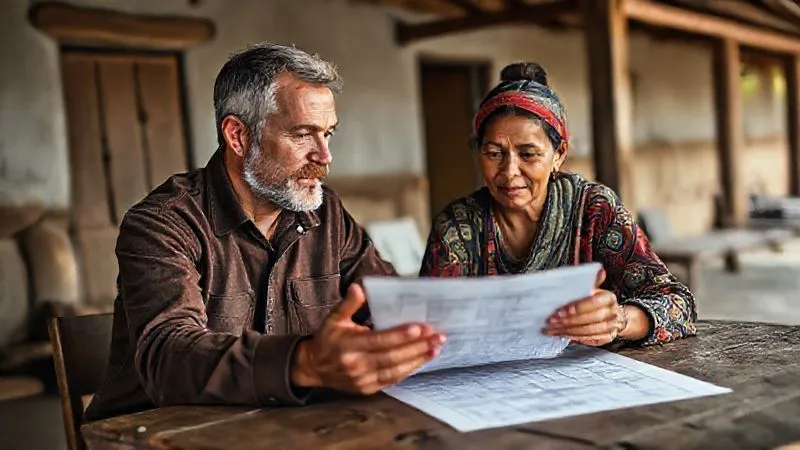
Moving beyond the traditional 'giver-receiver' dynamic is essential for decolonizing volunteer travel. Fostering true reciprocity means recognizing that the volunteer experience is a two-way street, where both parties contribute and benefit. This mutual exchange is fundamental to avoiding the perpetuation of colonial mindsets in short-term volunteer travel.
1. Embrace Cultural Exchange
- Share Your Culture Responsibly: While learning about the host culture, also be prepared to share aspects of your own, but always with humility and an awareness of potential power dynamics.
- Participate in Local Life: Immerse yourself in daily routines, participate in local celebrations (if invited), and engage in informal conversations. These are often the most profound learning opportunities.
2. Value Intangible Contributions
Not all contributions are tangible or material. The act of sharing time, building relationships, and offering a different perspective can be incredibly valuable, provided it's done respectfully and in alignment with community desires.
| Colonial Mindset Approach | Reciprocal Mindset Approach |
|---|---|
| Bringing 'solutions' and expecting gratitude | Co-creating solutions and seeking mutual understanding |
| Focusing on what the community 'lacks' | Identifying and building upon existing community strengths |
| Short-term 'heroic' interventions | Long-term commitment through relationship building and capacity transfer |
| Imposing external timelines and methods | Adapting to local rhythms and decision-making processes |
According to a Forbes article on ethical tourism, the shift towards genuine cultural exchange and community empowerment is a growing trend, demanding volunteers and organizations to move beyond superficial interactions towards deeply integrated, respectful partnerships. This is not just a 'nice to have' but a fundamental requirement for ethical engagement.
Ethical Storytelling and Representation
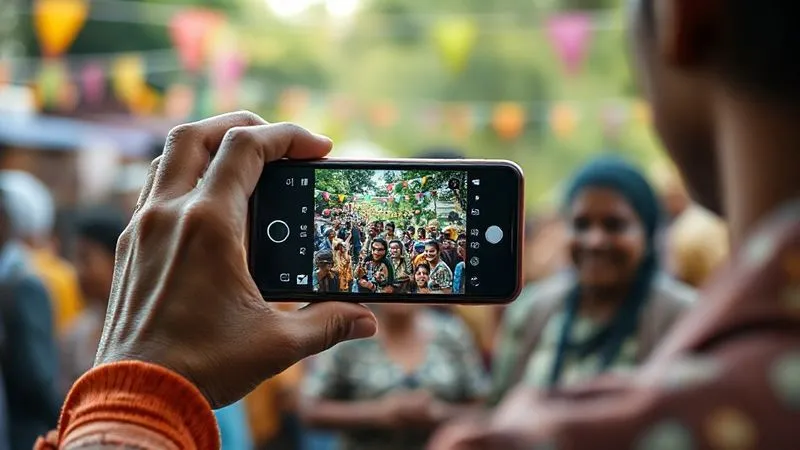
The way you share your volunteer experience, both during and after your trip, is crucial in either challenging or reinforcing colonial narratives. Ethical storytelling ensures that you portray communities with dignity, respect, and accuracy, avoiding stereotypes and the 'poverty porn' often associated with voluntourism.
1. Challenge Stereotypes and Avoid 'Poverty Porn'
- Focus on Agency: Highlight the resilience, ingenuity, and agency of the community members, rather than solely focusing on their struggles or perceived 'lack'.
- Seek Permission: Always ask for explicit permission before taking photos or videos of individuals, especially children. Respect their decision if they decline.
- Contextualize Images: If you do share images of poverty, ensure they are accompanied by a nuanced narrative that explains the systemic issues at play, rather than simply eliciting pity.
2. Amplify Local Voices in Your Narrative
- Quote Community Members: When sharing stories, directly quote local individuals, giving them voice and authority in your narrative.
- Share Lessons Learned: Focus on what you learned from the community, rather than just what you 'did' for them. This reinforces the reciprocal nature of the experience.
- Avoid Generalized Narratives: Do not generalize an entire country or continent based on your limited experience in one community. Acknowledge the vast diversity.
Post-Travel Reflection and Sustained Impact
The journey of ethical volunteerism doesn't end when you return home. Post-travel reflection is vital for integrating your experience, challenging your own biases, and ensuring your short-term engagement contributes to a sustained, positive impact without perpetuating colonial mindsets.
1. Continued Learning and Advocacy
- Stay Informed: Continue to follow the news and developments in the community or region you visited. Support local initiatives from afar.
- Educate Others: Share your ethical insights with friends, family, and online communities, challenging misconceptions about volunteer travel and promoting responsible practices.
- Advocate for Systemic Change: Use your experience to advocate for broader systemic changes that address global inequalities, rather than just treating symptoms.
2. Reflecting on Long-Term Impact
- Evaluate Your Contribution: Honestly assess whether your actions truly supported local agency and sustainable development, or if they created dependency or undermined local efforts.
- Maintain Connections (Respectfully): If appropriate and desired by the community, maintain respectful contact, but avoid becoming a burden or creating unrealistic expectations.
- Support Beyond Presence: Consider ongoing financial support to the local organization, if feasible, ensuring your impact extends beyond your physical presence.
"Our task is not to fix the world, but to learn how to live in it with humility and respect, contributing where we can, but always remembering that others have their own wisdom and solutions." - Adapted from a traditional proverb.
Measuring True Impact: Beyond Just 'Good Intentions'
Good intentions are a starting point, but they are insufficient on their own. To truly avoid perpetuating colonial mindsets in short-term volunteer travel, we must move towards measuring tangible, locally-defined impact. This requires a shift from focusing on what you 'did' to what actually 'changed' for the community, as defined by the community itself.
1. Define Success from a Local Perspective
- Community-Led Indicators: Work with the host community to establish what success looks like for them, rather than imposing external metrics.
- Qualitative & Quantitative: Gather both quantitative data (e.g., number of trees planted, children tutored) and qualitative insights (e.g., improved community cohesion, increased sense of agency).
2. Long-Term Monitoring and Evaluation
- Partner with Local Organizations: Rely on your partner organization to conduct ongoing monitoring and evaluation, as they have the sustained presence and understanding.
- Feedback Loops: Ensure mechanisms are in place for community members to provide feedback on projects and volunteer engagement, allowing for continuous improvement.
- Transparency: Be transparent about outcomes, both successes and challenges, and be prepared to adapt approaches based on feedback.
A Harvard Business Review article on doing good better emphasizes that impact must be rigorously measured and constantly re-evaluated against defined goals. For volunteer travel, this means moving beyond anecdotal evidence to verifiable, community-validated outcomes. This level of accountability is crucial for genuine ethical practice and for ensuring that your efforts truly contribute to positive change, rather than simply fulfilling a personal desire to 'help'.
| Impact Metric (Colonial Mindset) | Impact Metric (Decolonial Mindset) |
|---|---|
| Number of hours volunteered | Increase in local capacity/skills transfer |
| Number of buildings constructed by volunteers | Community ownership and maintenance of infrastructure |
| Volunteer satisfaction scores | Community satisfaction with partnership and outcomes |
| Photos of 'needy' children | Stories of community resilience and self-determination |
Frequently Asked Questions (FAQ)
Is all short-term volunteer travel inherently colonial? No, not inherently. The potential for perpetuating colonial mindsets exists, but it can be mitigated through rigorous ethical preparation, critical self-reflection, prioritizing local voices, and choosing truly responsible organizations. It's about how you engage, not just the act of going.
How do I choose an ethical volunteer organization? Look for organizations that are locally led, have transparent financial practices, clearly articulate how they empower local communities, prioritize skill transfer over direct labor, and have robust pre-departure training and post-trip reflection processes. Ask critical questions about their community partnerships and exit strategies.
What if I accidentally offend someone? Apologize sincerely and humbly, explain your intention (if appropriate, without making excuses), and learn from the mistake. Cultural misunderstandings can happen despite best efforts. The key is to approach interactions with respect, humility, and a willingness to learn and adapt.
Can I still make a meaningful difference in a short period? Yes, but your definition of 'difference' needs to be realistic. Short-term volunteers are often best utilized for specific skill-based tasks, capacity building, or providing resources that directly support long-term, locally-led initiatives. Building relationships and understanding takes time, but even short visits can contribute positively if approached ethically. Avoid projects that require unskilled labor for tasks locals could do.
How can I prepare myself for cultural shock and potential discomfort? Embrace discomfort as a learning opportunity. Research cultural norms extensively, practice mindfulness, and cultivate an open mind. Understand that your worldview may be challenged, and that's part of the growth process. Connect with others who have had similar experiences for support, but always prioritize local perspectives.
Key Takeaways and Final Thoughts
Navigating the complexities of short-term volunteer travel requires more than just good intentions; it demands critical self-awareness, deep humility, and an unwavering commitment to ethical engagement. My experience has shown that by consciously working to avoid perpetuating colonial mindsets in short-term volunteer travel, you can transform your journey from a potentially problematic endeavor into a truly impactful and reciprocal experience.
- Prioritize Local Voices: Always listen first, empower local leadership, and co-create solutions.
- Challenge Your Own Biases: Actively deconstruct the 'savior complex' and acknowledge your privileges.
- Focus on Reciprocity: Understand that you are a learner and a partner, not just a giver.
- Practice Ethical Storytelling: Portray communities with dignity and amplify their agency.
- Commit to Sustained Learning: Your ethical journey continues long after you return home.
The path to ethical volunteer travel is an ongoing process of learning, unlearning, and re-learning. By internalizing these principles, you not only enhance the positive impact of your efforts but also contribute to a more equitable and respectful global community. Your journey can be a powerful force for good, provided it's rooted in genuine partnership and a profound respect for the agency and wisdom of the communities you seek to engage with. Go forth, learn, and contribute thoughtfully.
Recommended Reading
- 7 Smart Strategies: How to Avoid Budget Overruns on European Business Train Trips?
- 5 Proven Strategies: Efficiently Bypassing Tourist Traps on Executive City Breaks
- The Ultimate Guide: How to Avoid Baggage Fees on Budget Airlines!
- 7 Advanced Protocols: How to Prevent Diver Panic on Reef Excursions?
- Orbital Hotels: 7 Unforeseen Legal Risks You Must Mitigate Now




Your email address will not be published. Required fields are marked *