

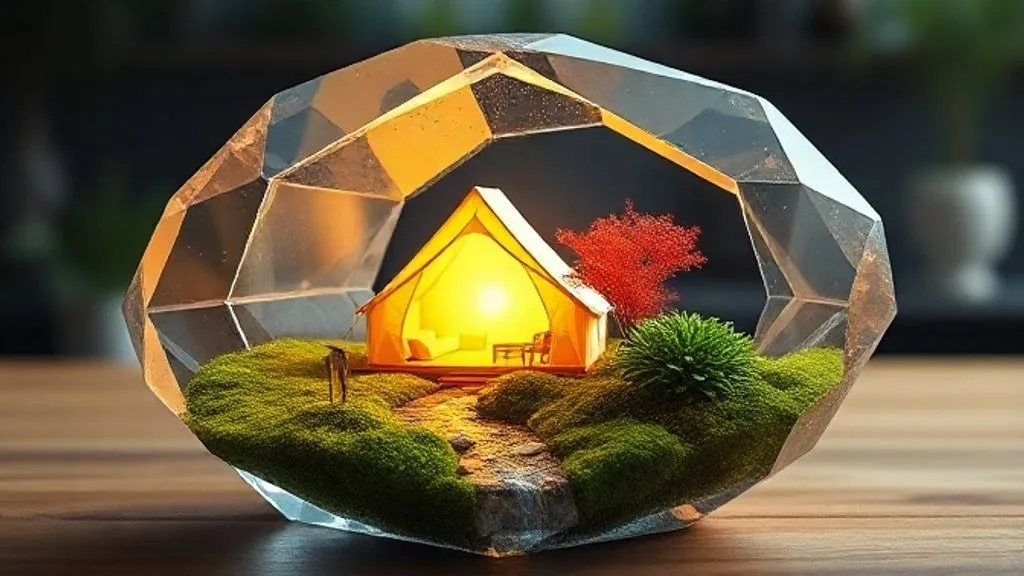
Step 3: Sustainable Food & Water Practices
In my fifteen years guiding glampers towards a more conscious experience, I've observed that **sustainable food and water practices** are not just ethical choices, but integral components of true eco-luxury. They elevate your trip beyond mere indulgence, connecting you more deeply with the environment you’ve come to appreciate.
A common mistake I see is overlooking the environmental footprint of your provisions, assuming the 'glamping' aspect inherently covers it. However, the choices you make for your plate and your hydration are profoundly impactful, both on the planet and, surprisingly, on your overall budget.
Sustainable Food Practices: Nourishing Mindfully
The journey to a sustainable glamping meal begins long before you light the campfire. It's about intentional sourcing and thoughtful consumption.
-
Prioritize Local and Seasonal Produce: This is non-negotiable for the eco-conscious glamper. Sourcing from local farmers' markets or farm stands near your glamping site drastically reduces food miles, supports the regional economy, and guarantees unparalleled freshness. In my experience, a simple tomato picked that morning tastes infinitely better than one flown across continents.
"The truest luxury is often found in simplicity and proximity – a ripe, local peach eaten under the stars outshines any imported delicacy."
-
Embrace a Plant-Forward Menu: While I'm not advocating for everyone to go fully vegan on their glamping trip, consciously reducing meat consumption makes a significant difference. Lean into vibrant, seasonal vegetables, legumes, and grains. This approach not only lessens your carbon footprint but often introduces you to delicious, innovative recipes you might not try at home.
-
Minimize Food Waste with Smart Planning: Before you even pack your cooler, meticulously plan your meals. Consider portion sizes, and think creatively about how leftovers can be repurposed for the next day's lunch or dinner. For instance, leftover roasted vegetables can become a fantastic frittata or a hearty sandwich filling.
Furthermore, bring reusable containers and bags to avoid single-use packaging. If your glamping site allows, consider bringing a small compostable bag for organic scraps – many high-end eco-sites now offer composting facilities.
Sustainable Water Practices: Every Drop Counts
Water scarcity is a stark reality in many beautiful glamping locales, making mindful consumption not just a courtesy, but a fundamental responsibility. Treating water as the precious resource it is, particularly in remote or off-grid settings, is a hallmark of the truly eco-luxury experience.
-
Invest in a Reliable Water Filtration System: Ditch single-use plastic water bottles entirely. A high-quality portable water filter or UV purifier (like a Sawyer Squeeze or SteriPEN) is one of the best investments you can make. It allows you to safely refill from natural sources (if permitted and assessed for safety) or tap water at your site, saving both money and countless plastic bottles from landfills.
In my early glamping days, I once calculated the sheer volume of plastic bottles we saved over a single season – it was staggering. This small change has a monumental impact.
-
Practice Conscious Usage: This means shorter showers (if available), turning off the tap while brushing teeth, and using a two-basin method for dishwashing – one for washing with minimal biodegradable soap, one for rinsing. For non-potable uses, such as cooling off or rinsing sandy feet, consider collecting rainwater if your site provides a system, or repurpose greywater if the facilities support it.
-
Understand Your Site's Water Source: Don't hesitate to ask your glamping host about their water source and conservation efforts. Many eco-luxury sites rely on rainwater harvesting, well water, or sophisticated greywater recycling systems. Understanding these systems can deepen your appreciation and guide your own responsible consumption.
By implementing these sustainable food and water practices, you’re not just adhering to eco-friendly principles; you're enhancing the authenticity and richness of your glamping adventure. It's about experiencing luxury that respects its surroundings, fostering a connection that goes beyond the aesthetic.
Step 4: Energy Efficiency & Renewable Options
In my 15 years immersed in the glamping world, I've seen countless operators grapple with the delicate balance of providing luxurious comfort while honoring the planet. Energy, often an unseen utility, is arguably the most critical component in achieving this equilibrium. It dictates both your operational costs and your true environmental footprint.
A common mistake I see operators make is jumping straight to solar panels without first optimizing their demand. You wouldn't put a bigger engine in a leaky boat; you'd fix the leaks first. The same principle applies here: **energy efficiency** must always precede **renewable energy integration**.
Let's break down the practical steps to make your glamping site a beacon of energy-wise luxury:
Optimizing for Efficiency: The Foundation
Before you even think about generating your own power, you must minimize the power you need. This is where significant long-term savings and environmental benefits truly begin.
-
Superior Insulation: This is non-negotiable, especially for structures like yurts, domes, or safari tents. High-quality insulation dramatically reduces the energy needed for heating and cooling, which are typically the largest energy consumers. Think about multi-layer fabrics, reflective barriers, and proper sealing around openings.
-
Passive Design Principles: Orienting your glamping units to maximize natural light and cross-ventilation can drastically cut down on artificial lighting and air conditioning needs. Strategic tree planting for shade, or even simple awnings, can make a significant difference in summer months.
-
LED Lighting Throughout: This might seem obvious, but I still encounter sites using outdated, inefficient bulbs. Beyond just LEDs, consider smart lighting with motion sensors in less-trafficked areas and dimmers in guest accommodations. This allows guests to set their ambiance while saving power.
-
Energy-Efficient Appliances: Every appliance, from mini-fridges to induction cooktops, should be chosen with energy ratings in mind. Opt for smaller, highly efficient models. For heating water, consider on-demand tankless heaters where feasible, or well-insulated small tanks.
Integrating Renewable Options: The Eco-Luxury Leap
Once your demand is optimized, it's time to explore generating your own clean power. This not only slashes utility bills but also becomes a powerful marketing tool, attracting the growing segment of eco-conscious travelers.
-
Solar Photovoltaic (PV) Systems: For most glamping sites, solar is the most accessible and reliable renewable energy source. I've guided dozens of operators through successful solar transitions.
-
System Sizing: This is crucial. Conduct a thorough energy audit to understand your peak and average daily consumption. Oversizing is costly; undersizing leads to reliance on generators or grid power. Work with a reputable solar installer who understands off-grid requirements.
-
Battery Storage: For off-grid glamping, robust battery banks are essential. While lithium-ion batteries represent a higher upfront investment, their longer lifespan, deeper discharge cycles, and minimal maintenance often provide superior long-term value compared to traditional lead-acid options.
-
Inverters and Charge Controllers: These components are the brains of your system. Invest in high-quality, efficient inverters to convert DC power from batteries to AC for your appliances, and smart charge controllers to protect your batteries from overcharging or deep discharging.
-
-
Micro-Wind Turbines: In locations with consistent wind resources, small-scale wind turbines can be an excellent complement to solar, especially during cloudy periods or at night. They are less common for glamping but can be incredibly effective in the right environment.
-
Biofuels and Efficient Wood Stoves: For heating, responsibly sourced wood or biomass can offer a sustainable, carbon-neutral solution. High-efficiency wood stoves or pellet stoves minimize emissions and maximize heat output, adding to the rustic luxury appeal.
In my experience, the initial investment in a well-designed, efficient, and renewable energy system pays dividends far beyond just financial savings. It elevates your brand, enhances the guest experience by ensuring reliable power, and truly embodies the eco-luxury ethos that today's discerning travelers seek.
Finally, remember to educate your guests. A small, tasteful sign explaining your commitment to sustainable energy and offering gentle suggestions for mindful consumption can empower them to be part of your eco-journey without feeling deprived of luxury.
Step 5: Waste Reduction & Responsible Disposal
From my extensive time guiding glampers towards more sustainable practices, I've learned that **waste reduction** isn't merely a suggestion; it's a cornerstone of genuine eco-luxury. True indulgence, in my view, comes from experiencing nature without leaving a detrimental footprint, and that begins long before you even set foot in your glamping tent.
A common mistake I see is underestimating the volume of waste generated, especially from convenience items. The most impactful changes often start with meticulous **pre-trip planning**, transforming your packing strategy into an exercise in mindful consumption.
Consider these proactive steps to drastically cut down on your glamping waste:
- Bulk Buying & Reusable Containers: Instead of individual snack packs or single-serving drinks, purchase food items in bulk. Repackage them into durable, reusable containers and bags, which also double as storage during your stay.
- Zero-Waste Toiletries: Transition to solid shampoo bars, conditioner bars, and refillable dispensers for lotions and soaps. Many luxury brands now offer exquisite, eco-friendly options that elevate your personal care routine while eliminating plastic.
- Durable Gear Over Disposable: Invest in high-quality, reusable items like water bottles, coffee mugs, cutlery, and cloth napkins. This not only reduces waste but also enhances the overall aesthetic and feel of your glamping setup.
- Digital First: Download all maps, booking confirmations, and entertainment onto your devices. This simple switch eliminates paper waste and keeps your packing lighter.
Once you’re immersed in your glamping experience, the focus shifts to **active waste management**. This isn't just about throwing things away; it's about a systematic approach to what you consume and how you dispose of it. I often champion the philosophy of "packing it in, packing it out" – a principle that extends far beyond just obvious trash.
"True eco-luxury is not about doing without; it's about doing better. It's the refined art of enjoying nature's bounty without diminishing its future."
Here’s how to implement effective on-site waste reduction and responsible disposal:
- Rigorous Segregation: Establish a clear, multi-bin system for your waste. This should include separate containers for recyclables (paper, plastic, glass, metal), organic compostables, and genuine landfill waste. Many high-end glamping sites now provide these, but always be prepared to manage your own if not.
- Composting Organic Waste: Food scraps, coffee grounds, and even some paper products (like unbleached napkins) can often be composted. If your glamping site offers a composting facility, utilize it. If not, consider a small, sealable compost container to transport your organic waste home, preventing it from ending up in a landfill.
- Mindful Greywater Management: Water used for washing dishes or showering is considered greywater. Always use biodegradable, phosphate-free soaps and detergents. Dispose of greywater in designated areas provided by the campsite, or, if permitted and safe, spread it thinly over a wide area, away from water sources, to allow for natural filtration.
- Minimizing Food Waste: Plan your meals meticulously to avoid over-purchasing. Get creative with leftovers – a gourmet sandwich from last night's dinner, or a frittata from breakfast scraps. This not only reduces waste but also saves money and enhances your culinary experience.
Finally, the journey doesn't end when you pack up. **Post-trip responsibility** is critical. Ensure every item you brought in leaves with you. If on-site disposal options were limited, take your sorted waste home for proper recycling and composting. This thorough approach ensures that your eco-luxury glamping adventure truly leaves no trace, allowing the next visitor to enjoy nature as pristine as you found it.
Step 6: Choosing Eco-Certifications & Local Impact
Navigating the world of eco-friendly travel can feel like deciphering a complex code, especially with the rise of "greenwashing." In my 15+ years evaluating glamping experiences, I've seen countless claims, but only genuine **eco-certifications** provide the third-party verification you truly need to ensure a site walks its talk.
These certifications are more than just badges; they represent a commitment to rigorous standards across environmental management, social responsibility, and economic viability. A common mistake I see is travellers assuming any mention of "eco" is sufficient, overlooking the crucial need for accredited, transparent verification.
When assessing a glamping site, look for certifications from reputable, internationally recognized bodies. These organizations employ independent auditors who meticulously review operations, from waste management and energy consumption to water conservation and community engagement.
Here are some of the most credible eco-certifications to look for in the hospitality and tourism sector:
- Green Globe Certification: Widely recognized, it assesses performance in areas like sustainable management, social/economic impact, cultural heritage, and environmental impact.
- EarthCheck: Another robust program, EarthCheck focuses on operational performance benchmarking, providing data-driven insights into a business's environmental footprint.
- Travelife for Accommodation: Specifically designed for hotels and accommodations, Travelife helps properties manage and monitor their social and environmental impacts.
- LEED (Leadership in Energy and Environmental Design): While primarily for building design and construction, if a glamping site has permanent structures, a LEED certification indicates high standards of sustainable infrastructure.
- Local and Regional Certifications: Don't overlook smaller, region-specific certifications. Often, these are deeply embedded in local conservation efforts and community standards, reflecting a strong commitment to their immediate environment.
"A true eco-luxury experience doesn't just minimize harm; it actively contributes to the betterment of its surroundings. Certifications are your first clue, but the real story unfolds in a site's local impact."
Beyond the certificates on the wall, it's imperative to delve into a site's **local impact**. A truly sustainable glamping experience is deeply intertwined with its community and local ecosystem. This means looking for evidence of genuine engagement and contribution, not just adherence to a checklist.
Consider how the glamping site interacts with its immediate environment and the people living there. Does it provide meaningful employment opportunities for locals, ensuring fair wages and good working conditions? Does it actively support local businesses through its supply chain?
To assess a site's local impact, ask yourself these questions and look for corresponding evidence:
- Local Sourcing: Do they source food, beverages, and amenities from nearby farms and artisans? Look for menu descriptions or shop items highlighting local producers.
- Community Engagement: Are there visible partnerships with local schools, conservation projects, or cultural initiatives? Many sites will proudly feature these on their 'about us' pages or in their guest information.
- Cultural Preservation: Do they actively promote and help preserve local traditions, crafts, and heritage, perhaps through guided tours or on-site workshops?
- Conservation Initiatives: Beyond general eco-practices, are they involved in specific local conservation efforts, such as wildlife protection, reforestation, or marine clean-ups?
This deeper investigation into local impact not only ensures your dollar supports ethical practices but also significantly enriches your own experience. Knowing that your stay directly benefits the community and protects the natural beauty around you adds an invaluable layer of authenticity and satisfaction to your eco-luxury adventure.
Essential Tools & Resources for Eco-Friendly Glamping
The most fundamental tool in the eco-luxury glamping arsenal isn't something you can pack, but rather a deeply ingrained commitment to conscious consumption and minimal impact. It's about approaching every decision, from packing to powering your site, with an unwavering focus on sustainability. In my experience, this mindset is what truly differentiates a casual camper from a dedicated eco-glamper. When it comes to powering your glamping setup responsibly, portable solar panels are non-negotiable. These units, ranging from foldable, suitcase-style options to flexible panels that can be draped over your vehicle or tent, harness the sun's energy to keep your essential devices charged without a whisper of noise or a drop of fossil fuel. Think of them as your personal, silent power plant, drastically reducing your carbon footprint. Complementing solar panels, a robust portable power station or high-capacity battery bank is essential. These devices store the energy captured by your solar setup, allowing you to power everything from LED lighting and mini-fridges to laptops and camera equipment, even after the sun sets. Investing in a quality power station with multiple output options ensures you're prepared for any charging need, minimizing reliance on external power sources. Beyond power generation, focus on energy-efficient appliances. Opt for USB-rechargeable devices, low-wattage lighting, and insulated coolers that hold ice longer, reducing the need for constant refrigeration. This not only lightens your environmental load but also significantly cuts down on the energy demands of your setup, allowing your solar and battery resources to stretch further. A common mistake I see among new eco-glampers is underestimating the impact of their waste, particularly in remote or pristine natural settings. Effective waste management tools are paramount to leaving no trace. This includes a system for separating recyclables and compostables, along with durable, reusable bags for packing out everything you pack in. For organic waste, consider a portable composting system, even a small one, if your site allows for responsible disposal. For human waste, especially where facilities are absent, a portable, eco-friendly toilet system paired with biodegradable waste bags is crucial. Always research and adhere to local regulations regarding waste disposal to protect sensitive ecosystems. Water conservation is another cornerstone of eco-friendly glamping, and the right tools make it effortless. Investing in a high-quality water filter or purification system means you can safely source water from natural bodies, drastically reducing your reliance on single-use plastic bottles. Pair this with reusable water bottles and insulated mugs for every member of your party. Furthermore, biodegradable soaps, shampoos, and detergents are absolute essentials. These products break down naturally, preventing harmful chemicals from leaching into the soil and water systems around your glampsite. Always use them sparingly and well away from natural water sources to minimize any potential impact."The true measure of an eco-glamper isn't just what they bring, but how thoughtfully they use it, and how completely they remove all trace of their presence."When selecting comfort items, prioritize durability and sustainability. Eco-friendly bedding made from organic cotton, bamboo, or recycled materials not only feels luxurious but also minimizes the environmental impact of its production. Look for gear designed for longevity and repairability, rather than cheap, disposable alternatives. While the initial investment might be higher, the long-term cost savings through reduced replacements, coupled with the environmental benefits, are substantial. Finally, don't overlook the immense value of digital resources and knowledge platforms. Apps that identify eco-certified glampsites, provide real-time weather updates for efficient energy planning, or offer guidance on local flora and fauna can enrich your experience and ensure responsible interaction with nature. Joining online communities dedicated to sustainable outdoor living can also provide invaluable tips, gear recommendations, and shared wisdom from experienced eco-adventurers.
Frequently Asked Questions (FAQ)
In my 15+ years navigating the evolving landscape of glamping, I've encountered countless questions from travelers eager to embrace luxury without compromising their values or their wallets. Below, I've distilled some of the most frequently asked questions into actionable insights, drawing from my hands-on experience and deep industry knowledge.
Q: Is eco-luxury glamping inherently more expensive than traditional glamping or standard accommodations?
A: This is a common misconception I encounter. While some eco-luxury experiences might appear to have a higher sticker price, it's crucial to look beyond the immediate cost and consider the **value proposition** and **lifecycle cost**. In my experience, these sites often invest heavily in sustainable infrastructure, ethical sourcing, and providing immersive, low-impact activities that negate the need for additional, costly excursions.
"Think of it as investing in a premium, guilt-free experience. The 'cost' isn't just a number; it's a contribution to responsible tourism, often delivering unparalleled peace of mind and unique memories that traditional options simply can't match."
Many eco-glamping sites focus on hyper-local experiences, farm-to-table dining, and direct engagement with nature, which can actually lead to savings on external entertainment and dining. Furthermore, the exceptional quality and longevity of sustainable materials used often translate to a more comfortable and authentic stay, enhancing the overall perceived value.
Q: How can I effectively vet a glamping site's eco-credentials beyond just reading their website? I'm wary of 'greenwashing'.
A: Your skepticism is well-placed; **greenwashing** is a significant concern in the travel industry. As an expert, I always advise looking for tangible evidence and asking probing questions. Don't just take their word for it.
- Third-Party Certifications: Look for recognized certifications like Green Globe, LEED, B Corp, or local, reputable eco-tourism awards. These involve rigorous audits and demonstrate a genuine commitment.
- Operational Transparency: A truly eco-conscious site will be transparent about their practices. Do they detail their waste management, water conservation, and energy sources? Are their sustainable practices visible on-site, perhaps through signage or guest orientation?
- Community Engagement: Inquire about their involvement with local communities. Do they employ local staff, support local artisans, or contribute to conservation projects? A strong connection to the local environment and its people is a hallmark of authentic eco-tourism.
- Ask Direct Questions: Don't hesitate to email or call. Ask about their energy consumption (solar, wind?), water recycling, sourcing of food, and how they minimize plastic. Their answers, or lack thereof, will be very telling.
I once worked with a site that proudly showcased their rainwater harvesting system and composting toilets, even offering guests a tour to explain their **closed-loop system**. This level of openness builds immense trust and demonstrates true dedication.
Q: What are some practical, actionable steps I can take *personally* to reduce my environmental impact while glamping, even if the site isn't fully eco-certified?
A: This is where your individual power shines! Even at a less-than-perfectly-eco site, your **personal footprint** can make a huge difference. I always advocate for embracing **conscious consumerism** and **leave no trace principles**.
- Pack Smart & Light: Bring reusable water bottles, coffee cups, shopping bags, and toiletries in refillable containers. This drastically cuts down on single-use plastics.
- Conserve Resources: Be mindful of water usage (shorter showers, turning off taps), and switch off lights and heating/cooling when leaving your tent or cabin. Every little bit counts.
- Waste Management: Carry out what you carry in, especially non-recyclables. If the site has recycling bins, use them correctly. Consider composting food scraps if facilities are available.
- Support Local: Opt for local restaurants, markets, and tour operators. This supports the local economy and reduces the carbon footprint associated with imported goods.
- Respect Wildlife & Nature: Stay on marked trails, observe wildlife from a distance, and never feed animals. Leave natural elements (rocks, plants) undisturbed.
A common mistake I see is travelers assuming all responsibility lies with the provider. In reality, a truly sustainable journey is a partnership between the host and the guest. Your choices empower the entire ecosystem of responsible travel.
Q: I'm on a tight budget. Can eco-luxury glamping still be an option for me, and how?
A: Absolutely! Budget-conscious travelers can certainly enjoy eco-luxury glamping. It requires a bit more strategic planning, but the rewards are well worth it. In my career, I've seen many smart travelers unlock these experiences.
- Off-Peak Travel: This is your secret weapon. Traveling during the shoulder seasons (just before or after peak) or mid-week often yields significantly lower rates and a more peaceful, less crowded experience.
- Newer Sites & Introductory Offers: Keep an eye out for newly opened eco-glamping sites. They frequently offer attractive introductory rates to build their clientele and gain visibility.
- DIY Eco-Luxury: Consider bringing some of your own sustainable amenities. For example, a high-quality, ethically sourced sleeping bag or a portable solar charger can elevate a more basic eco-glamping setup.
- Focus on Experience, Not Extravagance: Prioritize sites that offer rich, nature-based experiences over those with opulent, high-maintenance amenities. Often, the most memorable eco-luxury moments come from deep connection, not lavishness.
- Look for All-Inclusive Value: Some eco-glamping sites, while seemingly expensive upfront, might include meals, guided hikes, or wellness activities. Calculate the total cost of a comparable trip with separate bookings, and you might find the eco-luxury option is more **value-added**.
Remember, **conscious budgeting** doesn't mean sacrificing quality; it means making informed choices that align with your financial and environmental goals. It’s about finding the sweet spot where sustainability meets affordability.
Is luxury glamping inherently unsustainable?
It's a question I've heard countless times over my 15 years in the glamping industry: "Isn't luxury glamping inherently unsustainable?" On the surface, the idea of high-end comfort in nature seems to clash with environmental responsibility. Many envision opulent structures, excessive energy consumption, and a disregard for local ecosystems. However, in my experience, this perspective often stems from a misconception of what **true eco-luxury** entails. It's not about material excess or an unchecked footprint; it's about **conscious design, thoughtful sourcing, and an emphasis on experiences that enrich both guest and environment.** A common mistake I see is equating luxury with sheer volume of resources. While it's true that any development carries an impact, the potential for unsustainability lies not in the *presence* of luxury, but in the **absence of intention and robust sustainable practices.** An operation that prioritizes imported, non-biodegradable materials, relies heavily on fossil fuels, and generates significant waste, regardless of its price point, is inherently unsustainable. The core challenge, and indeed the opportunity, lies in how luxury is conceptualized and delivered. Consider these pillars of a truly sustainable luxury glamping operation: * **Materiality and Construction:** * **Durability and Longevity:** Investing in high-quality, durable structures (e.g., robust canvas tents, timber frames from sustainably managed forests) reduces the need for frequent replacement, minimizing waste over time. * **Local Sourcing and Craftsmanship:** Prioritizing materials and furnishings from local artisans not only supports regional economies but also significantly reduces transportation emissions. Think hand-carved wooden furniture or textiles dyed with natural pigments. * **Recycled and Upcycled Content:** Utilizing reclaimed wood, recycled plastics for decking, or upcycled decor elements can transform waste into value. * **Resource Management:** * **Renewable Energy Integration:** Many luxury glamping sites now run on 100% solar, wind, or micro-hydro power, often coupled with sophisticated battery storage. This eliminates reliance on fossil fuels for heating, lighting, and amenities. * **Water Conservation:** Implementing rainwater harvesting, greywater recycling systems for irrigation, and low-flow fixtures significantly reduces water consumption. Composting toilets, while sometimes a "luxury" challenge, are highly effective. * **Waste Minimization:** Beyond basic recycling, leading sites implement comprehensive composting programs for food waste, discourage single-use plastics, and even have "zero-waste" initiatives for guest amenities. * **Experiential Focus and Community Engagement:** * **Nature-Centric Activities:** The luxury often lies in guided nature walks, stargazing experiences, or direct engagement with conservation efforts, rather than high-impact motorized activities. * **Local Employment and Empowerment:** Providing fair wages and training to local communities ensures that the economic benefits of tourism are shared, fostering a vested interest in environmental protection. * **Ethical Supply Chains:** From farm-to-table dining using ingredients from nearby regenerative farms to ethically sourced linens, every aspect of the guest experience can reflect a commitment to sustainability."The real secret to sustainable luxury glamping is understanding that true indulgence isn't about having more, but about experiencing better – better quality, better connection, and a better impact on the world around us."In my work consulting with new glamping ventures, I always emphasize that **luxury can be a powerful driver for sustainability.** Guests paying a premium often expect and appreciate the thoughtfulness behind eco-conscious choices. When a glamping site invests in state-of-the-art solar power or a sophisticated greywater system, it’s not just a cost; it’s an enhancement to the guest experience, offering peace of mind and demonstrating genuine commitment. This is where the balance truly lies: providing an unparalleled experience while leaving the lightest possible footprint.
How can I reduce glamping costs without sacrificing comfort?
In my extensive experience spanning over 15 years in the glamping industry, a common misconception I encounter is that cost reduction automatically means sacrificing comfort. This couldn't be further from the truth. The secret lies in making **strategic, informed choices** that enhance your experience while being kind to your wallet.The first and most impactful lever you can pull is **timing**. Glamping, much like traditional travel, operates on a supply-and-demand curve. Booking during **off-peak seasons** or **mid-week** can dramatically reduce prices without compromising the quality of your stay.
- **Example:** A luxury safari tent that costs $400/night on a peak summer weekend might be available for $250/night on a Tuesday in early autumn. Not only do you save significantly, but you also often enjoy fewer crowds, leading to a more serene and private experience – which, for many, *is* the ultimate comfort.
- **Benefit:** Reduced rates mean you might even be able to afford a slightly higher-tier glamping unit for the same budget you’d spend on a basic one during peak times.
Next, consider your **accommodation tier**. Glamping encompasses a vast spectrum, from rustic bell tents with shared facilities to opulent geodesic domes featuring private hot tubs and ensuite bathrooms. Understanding this hierarchy is key to smart budgeting.
I always advise my clients to identify their non-negotiable comfort elements. Is it a private bathroom? A plush bed? Heating/AC? Once you know your must-haves, you can filter for glamping sites that offer these without the added expense of features you don't truly need or value.
"True glamping comfort isn't about having everything; it's about having exactly what you need to feel deeply connected and relaxed, without unnecessary frills that inflate the price."
One of the most significant areas for cost savings, which often *enhances* the glamping experience, is **self-catering**. Many glamping sites, particularly those focused on eco-luxury, provide excellent kitchenettes, outdoor grills, or communal cooking facilities.
- **Actionable Tip:** Plan your meals in advance and bring your own groceries. Preparing a gourmet meal over a campfire or on a well-equipped glamping stove can be an incredibly rewarding and intimate part of your trip, far more memorable than dining out every night.
- **Mini Case Study:** A family of four on a three-night glamping trip could easily spend upwards of $600-$900 dining out for all meals. By self-catering just two meals a day, they could reduce that cost by 70-80%, reallocating those savings to an extra night's stay or a unique local experience.
Consider the **group dynamic**. Many glamping units have a fixed price per unit, regardless of whether it sleeps two or four. If you're traveling with friends or family, sharing a larger glamping tent, yurt, or cabin can drastically reduce the per-person cost.
This approach transforms a potentially expensive solo trip into an affordable, shared adventure. Just ensure your travel companions are aligned with your comfort expectations and glamping style to maintain harmony.
Finally, leverage **booking strategies**. While last-minute deals can sometimes appear, my professional advice is often to book **early**. Many popular glamping sites offer early-bird discounts or better availability for prime spots when booked months in advance.
- **Expert Insight:** Always check the glamping site's direct website after browsing third-party platforms. Sometimes, direct bookings come with exclusive perks, loyalty discounts, or special package deals not advertised elsewhere. This direct relationship can sometimes even open doors to negotiating a slightly better rate or adding a complimentary amenity.
What are the best eco-friendly glamping gear brands?
Navigating the world of eco-friendly glamping gear can feel like a labyrinth, especially with so many brands vying for your attention. In my 15 years immersed in this space, I've seen countless trends come and go, but one truth remains constant: true eco-friendliness in gear is about far more than a 'green' label; it's about the entire lifecycle of a product.
A common mistake I see aspiring eco-glampers make is focusing solely on the "recycled content" sticker. While important, it’s merely one facet. The best eco-friendly brands embody a holistic approach, considering everything from raw material sourcing to manufacturing ethics, durability, and ultimately, a product's end-of-life plan.
“True sustainability in glamping gear isn't just about what it's made from, but how long it lasts and what happens when its journey with you ends.”
When I evaluate a brand, I look for several critical indicators of genuine environmental commitment. These form the bedrock of what I consider truly sustainable choices for your glamping setup.
- Material Innovation & Sourcing: Are they using recycled polyester (rPET) or nylon, organic cotton, hemp, or innovative plant-based materials? Are these materials certified (e.g., GOTS for organic textiles, Bluesign for responsible manufacturing)?
- Manufacturing Processes: Do they minimize water and energy consumption? Are they PFC-free for water repellency? Do they ensure fair labor practices and safe working conditions?
- Durability and Repairability: This is paramount. A product designed to last for decades, and which can be repaired rather than replaced, is inherently more sustainable than one made from recycled materials that falls apart in a season. Look for robust construction, strong warranties, and readily available spare parts or repair services.
- Ethical Business Practices: Beyond the product, does the company itself demonstrate a commitment to environmental stewardship? Are they a B Corp, do they offset carbon emissions, or contribute to conservation efforts?
- Packaging: Is it minimal, recycled, recyclable, or compostable? This often overlooked detail speaks volumes about a brand’s dedication.
Now, let's talk specifics. While I won't be listing every single brand, I can guide you toward types of brands and their philosophies that consistently stand out in various gear categories.
Shelter: Tents & Tarps
For your primary glamping shelter, the focus should be on longevity and natural, breathable materials. Canvas tents, for instance, are often a superior eco-friendly choice despite their initial cost.
- Premium Canvas Tent Brands: Many smaller, dedicated manufacturers specialize in high-quality cotton canvas bell tents or safari tents. These brands often source heavy-duty, often organic, cotton that is incredibly durable, naturally breathable, and repairable. In my experience, a well-maintained canvas tent can last 20-30 years, vastly outperforming synthetic alternatives in terms of lifespan and reducing waste. Look for companies that emphasize repair services and replacement parts.
- Sustainable Synthetic Options: For those preferring lighter, more modern tents, some brands are now incorporating recycled polyester or nylon into their tent bodies and rainflies, and utilizing PFC-free durable water repellent (DWR) coatings. Brands like Big Agnes and NEMO have made strides in these areas, often pairing this with robust repair programs.
Sleeping Systems: Beds, Bags & Linens
Comfort is king in glamping, but so is conscious consumption. Your sleeping setup offers significant opportunities for eco-friendly choices.
- Sleeping Pads & Mattresses: Look for brands that offer repair kits for punctures, extending the life of your pad. Some companies are also starting to incorporate recycled materials into their pad construction. For air mattresses, prioritize durable, PVC-free options.
- Sleeping Bags & Quilts: Brands like Rumpl have built their reputation on using recycled synthetic insulation and recycled polyester shells, often made from post-consumer plastic bottles. This is an excellent example of circular economy principles in action. For down, ensure it’s Responsible Down Standard (RDS) certified.
- Bedding & Linens: Opt for organic cotton, linen, or bamboo sheets and blankets. Many home bedding brands now offer travel-friendly versions or you can simply bring your own from home. These natural fibers are not only more sustainable but also offer superior breathability and comfort.
Camp Kitchen & Cooking
The glamping kitchen is where reusability and efficiency truly shine. Avoid disposable items at all costs.
- Cookware & Utensils: Invest in durable, reusable stainless steel, cast iron, or bamboo sets. Brands like GSI Outdoors offer complete, compact kitchen sets designed for longevity. Avoid single-use plastics entirely.
- Stoves: Fuel efficiency is key to reducing your carbon footprint. Brands like Jetboil are renowned for their efficient systems. For a more off-grid approach, BioLite offers stoves that burn wood efficiently while also generating electricity to charge your devices. This reduces reliance on fossil fuels and provides a secondary benefit.
- Water Filtration: Instead of bottled water, bring a high-quality water filter or purifier. Brands like Sawyer or Katadyn offer portable solutions that dramatically reduce plastic waste.
Lighting & Power
Harnessing renewable energy for your glamping experience is both practical and planet-friendly.
- Solar-Powered Devices: Companies like Goal Zero specialize in portable solar panels and power stations. These allow you to charge lights, phones, and even small appliances using the sun's energy, significantly reducing your reliance on generators or disposable batteries.
- Rechargeable Lights: Opt for LED lanterns and headlamps with rechargeable batteries. Many modern options are also solar-rechargeable or can be powered via USB.
Ultimately, choosing the "best" eco-friendly glamping gear brands transcends a simple list. It's about adopting a mindset of mindful consumption. Invest in high-quality, durable items from companies that transparently demonstrate their commitment to the planet and people. This approach not only lessens your environmental impact but also enhances your glamping experience by providing reliable, long-lasting gear.
Reading Recommendations:
- Unlock Serenity: The Ultimate Luxury Spa Retreat for Burnout Relief
- Busy Executive? Master Pro Solo Travel Photos in 5 Smart Steps
- 7 Ways to Find Unique, High-Value Client Gifts on City Breaks?
- How to Impress Key Clients at a Global Light Festival on a Tight Schedule: 6 Pro Tips
- Unveiling Luxury Train Dining: 7 Key Factors to Compare Experiences
Key Points and Final Thoughts
It's easy to assume that "eco-luxury" glamping necessitates a hefty price tag, but in my 15+ years navigating this evolving industry, I've seen firsthand that this isn't the case. The true secret lies not in compromise, but in making informed, strategic choices that align with both your budget and your values, ensuring a profound and responsible escape.
Here are the key takeaways I consistently share with fellow enthusiasts seeking to master this delicate balance:
-
Deep Dive into Due Diligence: Firstly, never underestimate the power of thorough research. A common mistake I observe is travelers simply taking eco-claims at face value. Look for genuine third-party certifications like Green Globe, LEED, or local equivalents, and delve into guest reviews that specifically mention sustainability practices, not just aesthetics. Authentic eco-operators often detail their initiatives on their websites.
-
Value over Volume: Consider your glamping experience as an investment, much like curating a high-quality wardrobe. Instead of chasing numerous, perhaps mediocre, trips, focus on one or two truly exceptional, eco-conscious stays that offer profound immersion. This approach often leads to greater satisfaction, deeper connection, and a significantly reduced overall carbon footprint compared to frequent, less thoughtful travel.
-
The Off-Peak Advantage: From a cost perspective, embracing off-peak seasons is a game-changer. Not only will you frequently find significant savings on accommodation and activities, but you'll also experience destinations with fewer crowds. This allows for a more authentic, intimate, and less impactful interaction with nature and local communities – a win-win for your wallet and the planet.
-
Strategic Self-Sufficiency: While the allure of a fully provisioned luxury glamping site is strong, there are clever, subtle ways to introduce your own eco-friendly elements. Bringing your own reusable water bottles, solar chargers for electronics, sustainable toiletries, or even ethically sourced snacks can subtly reduce your environmental impact and often save a few dollars, without detracting from the luxury experience.
-
Question Everything: Finally, cultivate a discerning eye. When a glamping site touts "eco-luxury," go beyond the buzzwords. Ask specific, pointed questions: What are their waste management policies? Where do they source their food, and how is it transported? How do they conserve water and energy? Genuine eco-operators will be transparent, proud, and eager to share their practices, often detailing them proactively.
In my experience, the difference between 'greenwashing' and genuine eco-luxury is like the distinction between a cheap, synthetic veneer and solid, sustainably-sourced timber. One looks good initially but quickly degrades and reveals its true nature; the other offers lasting quality, integrity, and a clear conscience. Always seek the timber.
A common pitfall I've observed is getting swept up solely by marketing imagery. Remember that true eco-luxury extends far beyond stunning visuals; it’s intricately woven into the very fabric of the operation, from their energy consumption and water management to their community engagement and waste reduction strategies. Always look beyond the brochure and delve into their operational philosophy.
Moreover, don't overlook the profound importance of supporting local economies and cultures. Choosing glamping sites that actively employ local staff, source local produce, and contribute directly to local conservation efforts amplifies your positive impact. It transforms your travel from a passive consumption to an active, beneficial contribution to the destination you're visiting.
Ultimately, your choices as a glamping enthusiast have a powerful ripple effect. Each decision to prioritize sustainability, even in seemingly small ways, contributes to a larger, growing movement. It demonstrates a clear demand for responsible tourism, encouraging more operators to adopt genuinely eco-conscious practices and innovate towards a greener future for luxury travel.
As the glamping industry continues to mature and evolve, my hope is that the balance between unparalleled luxury and unwavering environmental stewardship becomes not just an aspiration, but the undisputed standard. Embrace the journey, make thoughtful choices, and enjoy the profound rewards that come with truly conscious travel.

Your email address will not be published. Required fields are marked *