

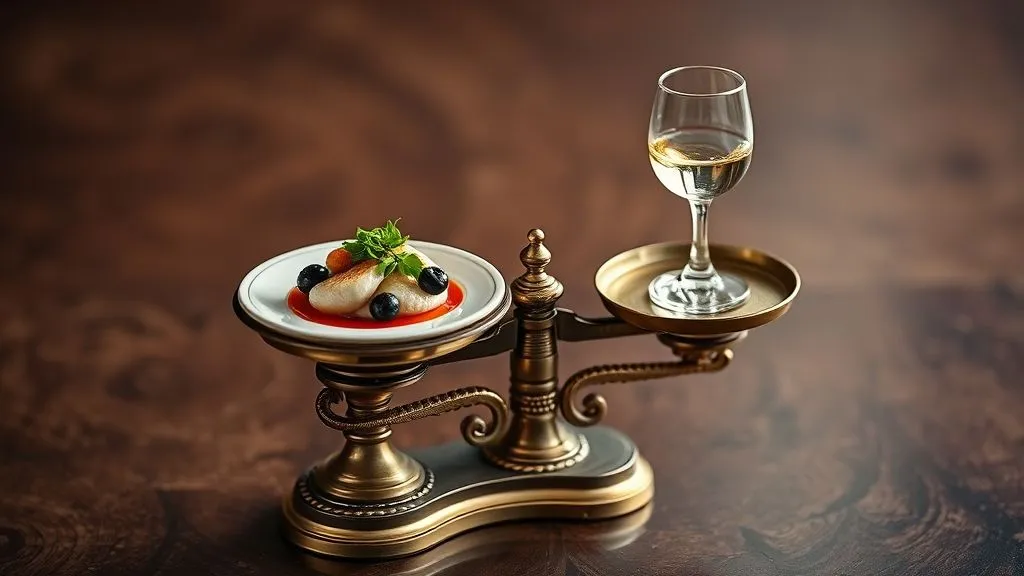
How to compare dining experiences across diverse luxury train services?
Comparing dining experiences across the world's diverse luxury train services is far more nuanced than simply scanning a sample menu. In my fifteen years traversing the globe by rail, I've learned that it's a holistic evaluation, blending culinary artistry with the unique rhythm and character of each journey. It’s about understanding the *philosophy* behind the meal, not just the ingredients.A common mistake I see is travelers focusing solely on the "Michelin-star" equivalent or the number of courses. While impressive, these metrics often overshadow critical elements like sourcing, service, and integration with the journey's narrative. True luxury dining on rails is an immersive experience, designed to complement the landscapes unfolding outside your window.
To truly compare, you must delve into several distinct layers:
- Culinary Philosophy and Sourcing: Does the service prioritize local, seasonal ingredients, embracing a "farm-to-carriage" ethos like Belmond's Andean Explorer, or does it lean into classic, often imported, gourmet traditions such as the Venice Simplon-Orient-Express? Look for details on how chefs adapt menus to regional specialties as the train traverses different landscapes.
- Dining Venues and Ambiance: Are there multiple dining cars offering distinct atmospheres, perhaps a formal setting and a more relaxed bistro? Consider the capacity, table arrangements, and whether seating is open or assigned. Rovos Rail, for instance, offers an elegant, singular dining experience, while the VSOE boasts multiple, uniquely themed carriages.
- Beverage Program: This is often an overlooked yet crucial differentiator. Inquire about the inclusion of fine wines, spirits, and non-alcoholic options. Is there a dedicated sommelier service? Does the wine list highlight regional vintages from the journey's route, or is it a global selection? Many luxury trains, like the Blue Train, include an extensive beverage selection within the fare, adding significant value.
- Dietary Accommodations and Flexibility: How adept are they at handling diverse dietary restrictions and allergies? Beyond simply providing an alternative, does the kitchen make a genuine effort to create an equally exquisite and thoughtful meal? In my experience, the truly exceptional services, like the Eastern & Oriental Express, excel in crafting personalized culinary journeys for guests with specific needs, provided sufficient advance notice.
- Meal Pacing and Integration: How do meals align with the train's schedule and excursions? Are they rushed, or are they leisurely affairs designed to be a highlight? Some services offer flexibility, while others adhere to strict timings. The most memorable experiences allow dining to flow seamlessly with the journey, never feeling like an interruption.
- Service Excellence: Beyond the food itself, the attentiveness, knowledge, and discretion of the dining staff elevate the experience. What is the staff-to-guest ratio? Do they anticipate needs? A seamless, personalized service, where your preferences are remembered, is the hallmark of true luxury.
In my professional opinion, the true measure of a luxury train's dining experience isn't just the taste on your tongue, but the story it tells, the memories it etches, and how flawlessly it integrates into the grand tapestry of your journey.
To gain actionable insights, I always recommend scrutinizing not just the glossy brochure photos, but also detailed passenger reviews focusing specifically on the dining experience. Look for mentions of consistency, the quality of ingredients, and the staff's professionalism. Engaging with a specialist luxury travel advisor can also provide invaluable, firsthand insights, as they often have direct feedback from hundreds of clients.
Case Study: Comparing Dining on The Orient Express vs. The Blue Train
When discussing the pinnacle of luxury train dining, two names invariably emerge: the Venice Simplon-Orient-Express (VSOE) and The Blue Train. From my vantage point, having personally experienced both multiple times, these two icons offer a fascinating study in divergent culinary philosophies, each delivering an unparalleled experience through distinct approaches.
A common mistake I see is assuming all luxury train dining is uniform. In reality, the VSOE and The Blue Train, while both exceptional, cater to different palates and expectations, making them perfect for a detailed comparison.
Let's first consider their **culinary philosophy and heritage**. The VSOE, a Belmond legend, is steeped in European grandeur and often leans into classic French haute cuisine, reflecting its routes through some of Europe's most gastronomic regions. You'll find a profound reverence for tradition and presentation.
In contrast, The Blue Train, traversing the heart of South Africa, embraces a philosophy deeply rooted in showcasing the bounty of its home continent. While it offers international flair, its menus frequently highlight indigenous ingredients and South African culinary traditions, providing a taste of the region itself.
“The true genius of luxury train dining isn't just serving gourmet food; it's about making the geography of the journey palpable on the plate.”
Regarding **ingredient sourcing**, the VSOE is a masterclass in logistical precision. Chefs often disembark at various stops, such as Paris or Verona, to collect fresh, local produce, cheeses, and meats, ensuring peak freshness and regional authenticity. It's a dynamic, ever-changing pantry reflective of the route.
The Blue Train, while also prioritizing freshness, focuses heavily on sourcing within South Africa. Expect exquisite Karoo lamb, fresh seafood from the Cape, and a variety of local fruits and vegetables, often from specific, reputable farms and suppliers. This creates a strong sense of place with every dish.
The **service style and ambiance** also present a clear distinction. On the VSOE, the dining cars are Art Deco masterpieces, and the service is impeccably formal, often with white-gloved waiters and a multi-course set menu. Dress codes are strictly observed, contributing to an atmosphere of old-world elegance and theatricality.
The Blue Train also offers formal, attentive service in beautifully appointed dining cars, but there's a subtle difference in the overall feel. While still luxurious, it might feel marginally less rigid than the VSOE, balancing classic formality with a touch more contemporary South African warmth. The panoramic views outside are also a more integral part of the dining backdrop.
When it comes to **menu structure and flexibility**, the VSOE typically offers a fixed menu, albeit one that is meticulously crafted and changes daily. While dietary requirements are accommodated with prior notice, the choices are generally limited to the chef's daily masterpiece. This is part of its classic, curated experience.
The Blue Train often provides a bit more choice, sometimes offering two options for main courses, for instance. This reflects a slightly more modern approach to luxury dining, allowing guests a small degree of personalization within the gourmet framework. Both, however, excel at accommodating serious dietary needs.
Ultimately, choosing between the two for dining comes down to what you seek. If your preference is for timeless European grandeur, classic haute cuisine with a historical narrative, and a highly theatrical, traditional experience, the **Venice Simplon-Orient-Express** will deliver beyond expectation.
However, if you're drawn to experiencing the vibrant, rich flavors of South Africa, presented with world-class finesse and a slightly more contemporary luxury, then **The Blue Train** is your ideal choice. Both are unparalleled, but their distinct culinary identities offer truly unique journeys for the palate.
Essential Tools and Resources for Informed Culinary Choices
Navigating the intricate world of luxury train dining requires more than just a passing glance at a brochure; it demands a strategic approach to information gathering. In my fifteen years of advising discerning travellers, I've seen firsthand how a little upfront research can transform a good journey into an unforgettable culinary odyssey.
The quest for culinary excellence on rails begins with equipping yourself with the right tools and knowing precisely how to leverage them. This isn't just about finding a menu; it's about understanding the philosophy behind the cuisine, the sourcing of ingredients, and the overall dining experience.
Your first port of call should always be the official train operator websites. These are often treasure troves of information, far beyond what initial booking portals might show. Dig deep into their dedicated dining sections.
- Look for **sample menus** for each class of service, noting the seasonality and regional influences.
- Seek out **chef profiles and interviews**; understanding their culinary philosophy provides immense insight.
- Investigate their **sourcing policies**, especially if local produce or sustainable practices are important to you. Many luxury lines pride themselves on farm-to-table approaches.
- Examine the **wine and beverage lists**. Is there a sommelier on board? Are pairings offered? This speaks volumes about the commitment to a holistic dining experience.
Beyond the operators themselves, a truly invaluable resource is a specialized luxury travel advisor. These are not merely booking agents; they are connoisseurs with intricate knowledge of specific routes and their culinary nuances. In my experience, their insights are often gleaned from personal travel or direct relationships with the train lines.
- They can provide **insider tips** on which journeys excel culinarily and which dining car experiences are most sought after.
- Advisors often have access to **up-to-date information** on menu changes, special dining events, or guest chef appearances that aren't widely advertised.
- Their **tailored recommendations** can align your specific dietary preferences or culinary interests with the perfect luxury train journey.
Next, cast a wider net to **online travel forums and review platforms**. While these can be a mixed bag, discerning travellers often share incredibly detailed accounts of their dining experiences. Focus on platforms known for their comprehensive reviews, where users often upload photos and elaborate on specific dishes.
A common mistake I see is taking every review at face value. Instead, look for patterns in feedback, note the dates of reviews for currency, and prioritize those that offer specific details about the food, service, and ambiance, rather than generic praise or complaints. A review detailing a particular dish, its preparation, and wine pairing is far more useful than a simple "food was great."
Don't underestimate the power of **social media and dedicated culinary blogs**. Instagram, for instance, offers a visual feast. Search hashtags related to specific luxury trains or their dining cars to see real-time photos from fellow passengers. Many high-end food bloggers or travel journalists also publish in-depth reviews focusing squarely on the gastronomic aspect of these journeys.
- Look for **high-quality, unfiltered photos** of the actual dishes served, which can provide a more accurate representation than professional marketing shots.
- Seek out **blog posts or articles that specifically review the dining experience**, often written by individuals with a refined palate and an eye for detail.
- Use platforms like YouTube to find **video walkthroughs** of dining cars, offering a dynamic perspective on the setting and service.
Finally, for absolute clarity and to address any specific concerns, **direct communication with the train operator's guest services** is paramount. This is especially crucial for dietary restrictions, allergies, or unique requests. Never assume; always confirm.
Think of it like consulting a sommelier for a perfect wine pairing; you're seeking expert advice tailored to your specific needs. Ask precise questions about how dietary requirements are managed, if alternative menus are available, and if they can accommodate specific preferences for celebration or special occasions. Their responsiveness and clarity will tell you much about their commitment to guest satisfaction.
"The true luxury of train travel's culinary scene isn't just in the exquisite food, but in the meticulous preparation and thoughtful consideration behind every dish. Investing time in research ensures you're not just a passenger, but a fully engaged diner."
By synthesizing information from these diverse resources, you arm yourself with the knowledge to make truly informed culinary choices, ensuring your luxury train journey is as much a feast for the palate as it is for the eyes.
Frequently Asked Questions (FAQ)
One of the most frequent questions I receive revolves around the intricacies of dining on luxury trains, and for good reason – it's often a highlight of the journey. In my fifteen years traversing the globe aboard these magnificent moving hotels, I've observed patterns and encountered unique situations that shed light on what to expect.
What is the typical dress code for luxury train dining?
This is perhaps the most common query, and it's vital to get right to fully appreciate the experience. While specific requirements vary by train and even by journey, the general rule leans towards smart casual during the day and more formal in the evenings.
For daytime meals, think elegant comfort. For gentlemen, this often means collared shirts, smart trousers, and perhaps a jacket. Ladies might opt for stylish dresses, skirts, or tailored trousers. Jeans, shorts, and t-shirts are almost universally discouraged in the main dining cars.
Evenings are where the elegance truly shines. Many iconic services, like the Venice Simplon-Orient-Express, require a jacket and tie for men, and a cocktail dress or evening wear for women. Some go further, requesting black tie for specific gala dinners. A common mistake I see is underestimating this, leading to last-minute wardrobe scrambling or feeling out of place.
In my experience, it's always better to be slightly overdressed than underdressed. The dining car is often a stage, and dressing the part enhances the entire theatricality of the meal.
Always check your specific train's pre-departure information. For instance, the Rocky Mountaineer is more relaxed, while the Belmond British Pullman maintains a higher level of formality. Packing a versatile blazer and a couple of evening options is always a smart move.
Can luxury trains accommodate dietary restrictions and allergies?
Absolutely, but with a critical caveat: advance notice is paramount. Luxury train operators pride themselves on bespoke service, and this extends to catering for most dietary needs, from vegetarian and vegan to gluten-free, lactose-intolerant, and nut allergies.
However, unlike a stationary restaurant with a vast pantry, a train kitchen operates with finite space and supplies. I always advise guests to communicate their requirements in detail at the time of booking, and then reconfirm closer to departure. Simply stating "vegetarian" might yield a different result than "strict vegan, no dairy, no eggs."
Here’s what to keep in mind:
- Specificity: Be as precise as possible about your needs.
- Severity: If an allergy is life-threatening, discuss it directly with the train operator's culinary team beforehand. They often take extra precautions.
- Limitations: While they strive for excellence, the range of alternative ingredients might be more limited than on land. Don't expect a full separate menu, but rather carefully adapted dishes.
- Confirmation: Upon boarding, speak with the Maître d' or your cabin attendant to ensure your dietary needs have been correctly noted.
I recall a journey on The Ghan where a passenger with multiple severe allergies was meticulously cared for, with the chef personally explaining each dish. This level of dedication is common, but only when given ample preparation time.
Is alcohol included with meals, or is it an additional cost?
This varies significantly between luxury train services and is a key factor in understanding the overall value and budgeting for your trip. Generally, there are two primary models:
- All-Inclusive: Many premium services, such as the Belmond Royal Scotsman or Rovos Rail, include a selection of wines, beers, and spirits with meals, and often throughout the journey. This provides a truly carefree experience, where you rarely need to think about extra costs.
- À La Carte/Limited Inclusion: Other trains might include house wines or a welcome drink, but then charge for premium spirits, specific wines, or drinks outside of meal times. The Venice Simplon-Orient-Express, for example, offers an exquisite wine list and bar service that is an additional cost beyond the meal itself.
It’s crucial to clarify this when booking. A quick check of the "What's Included" section on the train operator's website or brochure will usually provide this detail. For those who enjoy a fine vintage or a specific cocktail, understanding this upfront prevents any surprises on your final bill.
How do luxury train kitchens manage to produce such high-quality food in a moving environment?
This is where the true artistry and logistical genius of luxury train dining really come to the fore. It's a question I've often pondered myself, watching chefs create masterpieces in what are essentially small, moving galleys. The secret lies in a combination of meticulous planning, specialized equipment, and highly skilled personnel.
- Mise en Place: Everything is prepped to an extreme degree before the journey begins. Vegetables are precisely cut, sauces are often made in advance, and proteins are portioned. This minimizes on-board chopping and complex tasks.
- Specialized Equipment: Kitchens are custom-built for the unique challenges. Ovens are often convection models for even cooking despite movement. Refrigeration is robust, and all equipment is securely fastened. Imagine trying to whisk a delicate sauce during a sharp turn – stability is key.
- Skilled Chefs: These aren't just any chefs; they are culinary artists who thrive under pressure and in confined spaces. They understand the physics of a moving kitchen and adapt their techniques accordingly. I've seen chefs balance a pan with one hand while stirring with the other during a particularly bumpy stretch.
- Fresh Sourcing: Many luxury trains source fresh ingredients at various stops along the route, ensuring the highest quality. This requires impeccable timing and coordination with local suppliers.
It's a testament to their dedication that a five-course meal can be served flawlessly while traversing mountains or deserts. The chefs' ability to maintain consistency and excellence under such conditions is, in my professional opinion, nothing short of extraordinary.
What is the tipping etiquette for dining staff on luxury trains?
Tipping etiquette on luxury trains can be nuanced, often depending on whether a service charge is already included in your fare. Many all-inclusive luxury trains, particularly those outside North America, incorporate a service charge, making additional tipping optional and at your discretion for exceptional service.
However, if a service charge is not explicitly mentioned or if you feel the service was truly outstanding, a gratuity is always appreciated. I generally recommend the following:
- Check Your Documentation: Your pre-departure information or final invoice will usually state if gratuities are included.
- Pooled vs. Individual: On many trains, tips are pooled and distributed among the entire service staff (dining, bar, cabin attendants). This ensures everyone who contributed to your experience is recognized.
- Amount: If tipping is not included and you wish to offer one, a general guideline might be 5-10% of the total fare, given at the end of the journey to the train manager or a designated staff member for distribution. For a truly exceptional dining experience, a smaller, direct tip to the Maître d' or your primary waiter is also acceptable.
The key is to observe the local customs and the train's specific policy. When in doubt, a discreet inquiry with the train manager can provide clarity without causing awkwardness. Ultimately, a sincere thank you often means as much as a monetary gesture to these dedicated professionals.
Are dietary restrictions accommodated on all luxury trains?
No, it's a common misconception that all luxury trains offer identical accommodation for dietary restrictions. While most strive to cater, the **level and quality of adaptation** can vary dramatically across different services.
The unique challenges of a moving kitchen, with limited storage and fresh ingredient resupply points, often dictate what's feasible. Unlike a static restaurant, flexibility is inherently constrained by the logistical realities of rail travel.
In my experience, the single most critical factor is **advance communication**. Never assume; always inform the train operator of your specific requirements at the time of booking, or at the very least, several weeks prior to departure.
Simply stating "vegetarian" isn't enough. Is it lacto-ovo, vegan, pescatarian? For allergies, articulate the exact allergen and the severity of the reaction, as this level of detail empowers the culinary team to prepare effectively.
Trains like the **Venice Simplon-Orient-Express** or the **Rocky Mountaineer** are renowned for their meticulous attention to detail, often crafting bespoke multi-course alternatives that are as exquisite as the standard menu. They invest heavily in chef training and diverse ingredient sourcing capabilities.
Conversely, a smaller, more regionally focused luxury train operating in remote areas might struggle beyond basic adjustments. Imagine a charming train in the Scottish Highlands; their reliance on local sourcing, while authentic, might limit options for highly specialized needs like a strict FODMAP diet, due to operational realities rather than unwillingness.
When discussing your needs, ask not just *if* they can accommodate, but **how** they plan to. Will it be a modified version of the main menu, or a completely separate, thoughtfully prepared dish? This insight helps manage your expectations significantly.
A common mistake I see travelers make is waiting until embarkation to mention a significant dietary need. At that point, the kitchen has already provisioned, and their ability to provide a truly satisfying alternative is severely compromised, often resulting in simple, less inspired dishes.
"Luxury train dining isn't just about the food; it's about the entire culinary journey. For those with restrictions, true luxury lies in feeling equally cared for and celebrated through thoughtful, tailored gastronomy, not merely tolerated."
Ultimately, while most luxury trains *will* accommodate, the **depth and quality of that accommodation** are directly proportional to your proactive communication and the operator's commitment to culinary excellence. Do your research, ask pointed questions, and communicate early to ensure your dining experience is as magnificent as the journey itself.
Do luxury train services offer à la carte or fixed menus?
In my fifteen years traversing the globe on luxury trains, I've observed a consistent pattern: the vast majority of premium rail services lean heavily towards fixed or set menus rather than a traditional à la carte offering. This isn't a limitation; it's a deliberate choice, deeply intertwined with the unique operational challenges and the curated experience of train travel.
The primary reasons for this approach are logistical. Train kitchens are compact, storage space is at a premium, and sourcing fresh, high-quality ingredients, especially in remote regions, requires meticulous pre-planning. A fixed menu allows the culinary team to optimize resources, minimize waste, and ensure the freshest possible produce is on board for the journey.
Furthermore, dining on a luxury train is integral to the journey's narrative. It's an experience designed to unfold with the landscapes, often featuring regional specialties that reflect the route. A set menu allows the Executive Chef to craft a cohesive, multi-course gastronomic adventure from start to finish.
While the menu is generally fixed, it's crucial to understand the nuances. Many luxury trains offer a degree of choice within this structure. You'll often find:
- Multiple Entrée Options: Typically two or three choices for the main course, perhaps a meat, a fish, and a vegetarian option.
- Varied Courses: A multi-course structure, including an appetizer, soup, main course, and dessert, with each course predetermined.
- Daily Changes: Menus are rarely static for the entire journey; they evolve daily, sometimes even for each meal, keeping the dining experience fresh and exciting.
A common mistake I see travelers make is assuming "fixed menu" means no flexibility for dietary needs. This is absolutely not the case. Luxury train operators are incredibly adept at accommodating a wide range of dietary restrictions and allergies, from vegetarian and vegan to gluten-free and specific allergies.
The key, in my experience, is proactive communication. You must inform the train operator of any dietary requirements well in advance – ideally at the time of booking, or at least several weeks prior to departure. This allows their culinary teams ample time to plan, source alternative ingredients, and prepare bespoke dishes that meet your needs without compromising the quality of your dining experience.
True à la carte dining is a rarity, usually only found in very specific contexts, such as an exclusive, shorter journey with a dedicated, larger kitchen car, or perhaps for breakfast where a small selection of cooked-to-order items might supplement a buffet. For lunch and dinner, however, expect a refined, multi-course set meal.
Think of it less like a typical restaurant with an extensive menu and more like a private, exclusive dinner party where a master chef has meticulously planned every dish for their esteemed guests. The focus is on quality, presentation, and a seamless culinary flow designed to complement the journey.
"The 'fixed menu' on a luxury train isn't a limitation; it's the chef's carefully orchestrated symphony, allowing them to showcase the finest local ingredients and culinary artistry, perfectly synchronized with the rhythm of the rails."
When comparing services, always request sample menus from previous journeys. This will give you the clearest indication of the culinary style, the caliber of ingredients, and the typical number of choices offered within their 'fixed' framework. It’s an essential step in setting realistic expectations and ensuring your dining experience aligns with your preferences.
How do wine pairings and beverage services differ between luxury trains?
In my fifteen years traversing the globe on luxury trains, I've come to understand that the beverage service, particularly wine pairings, is far more than just an accompaniment to a meal; it's a profound differentiator of the entire luxury dining experience. It's an area where trains truly distinguish themselves, moving beyond mere sustenance to curated indulgence.
The first major distinction lies in the **philosophy of wine selection and pairing**. Some luxury trains offer a standard, high-quality selection of regional wines, which are generally excellent but not always specifically paired with each course. Others, however, elevate this to an art form, featuring a dedicated sommelier who crafts bespoke pairings for every dish on the menu.
Take, for instance, the **Rovos Rail** in Southern Africa. In my experience, their commitment to showcasing the region's exceptional wines is unparalleled. Guests enjoy an all-inclusive selection of superb South African vintages, often with a dedicated wine steward providing detailed insights into each pour. This contrasts with, say, the **Venice Simplon-Orient-Express (VSOE)**, which, while offering an exquisite, predominantly French and Italian wine list, often presents these as a broader selection rather than a precise, course-by-course pairing unless a premium upgrade is chosen.
A common mistake I see travellers make is assuming 'luxury' automatically means 'all-inclusive premium beverages'. This is rarely the case across the board. While most luxury trains include a generous selection of house wines, beers, and spirits, the **depth and exclusivity of the included wines** vary significantly.
For example, The Ghan in Australia offers a fantastic all-inclusive beverage service in its Gold and Platinum classes, featuring a good range of Australian wines. However, for those seeking more exclusive labels or specific vintages, they might find a more extensive, premium list available for an additional charge in the Chairman's Lounge or during specialty dinners. This tiered approach is a common model.
Beyond wine, the **diversity and quality of other beverage services** are crucial. Does the train offer a wide array of premium spirits, craft beers, and bespoke cocktails? Are these included or extra? I've seen trains like the **Eastern & Oriental Express** feature expert mixologists who craft unique cocktails inspired by their route, using local ingredients, adding another layer of regional immersion.
The non-alcoholic options are equally important, though often overlooked. A truly exceptional service will offer more than just standard sodas. Think gourmet teas, artisanal coffees, freshly squeezed juices, and creatively designed mocktails. This demonstrates an attention to detail that caters to all guests, regardless of their alcohol preferences.
"The true measure of a luxury train's beverage service isn't just the price of the bottle, but the thoughtfulness of the selection, the expertise of the staff, and the seamless integration into the overall culinary narrative."
Finally, consider the **staff's knowledge and engagement**. Is the sommelier or beverage steward merely pouring drinks, or are they engaging in conversations, sharing stories about the vineyards, and explaining the nuances of the pairings? In my travels, this interactive element truly elevates the experience from a good meal with drinks to an unforgettable gastronomic journey.
Reading Recommendations:
- Unlock Your Inner Power: The Ultimate Guide to Solo Travel for Confidence
- How to Impress Key Clients at a Global Light Festival on a Tight Schedule: 6 Pro Tips
- Unveiling the Truth: How Safe Are Private Space Tourism Rocket Launches?
- Unlock Your Wanderlust: How to Overcome Fear of Solo Exploration Abroad
- 7 Secrets: How to Find Legal Wild Camping in Europe on a Budget
Key Points and Final Thoughts
Having spent over fifteen years traversing the globe aboard some of the most exquisite rail journeys, I can confidently assert that luxury train dining is far more than just a meal; it's a meticulously choreographed performance. The seven factors we've explored are not isolated elements but rather interconnected threads, weaving together the fabric of an unforgettable culinary odyssey.
In my experience, what truly elevates a dining experience from excellent to legendary often lies in the details beyond the menu’s descriptions. It's about the anticipatory service, where your preferences are noted and remembered, or the subtle way a sommelier shares the history of a regional wine, making each sip a cultural immersion.
A common mistake I frequently observe is travelers focusing solely on the perceived fanciness of the ingredients or the number of courses. While important, these are merely components. The true measure of luxury dining on rails is the seamless integration of ambiance, service, and the journey itself.
-
Overlooking Service Philosophy: A Michelin-starred chef's menu can fall flat if the service is impersonal or rushed. Look for trains renowned for their attentive, personalized care, where the staff anticipate needs rather than just responding to requests.
-
Ignoring Dietary Flexibility: Assuming all luxury trains can cater to complex dietary needs without prior arrangement is a pitfall. Always confirm specifics well in advance; the best lines excel here, often crafting bespoke alternatives that still feel indulgent.
-
Disregarding the Pace of Dining: Some travelers prefer a leisurely, multi-hour experience, while others appreciate efficiency. Understand the typical dining rhythm of your chosen journey to ensure it aligns with your expectations, preventing either a rushed or overly protracted meal.
When assessing value, it's crucial to look beyond the immediate cost. I've seen itineraries where a slightly higher fare translated into an exponential increase in dining quality, from exclusive local produce sourced daily to private chef interactions, transforming a meal into a genuine event. It's an investment in an unparalleled sensory journey, not just sustenance.
Ultimately, the objective is not just to satiate hunger, but to create indelible memories. A perfectly paired wine with a stunning landscape passing by, or a conversation with a fellow traveler over a beautifully crafted dessert – these are the moments that truly define luxury train dining. They become stories you recount for years, long after the last course.
My final counsel to any discerning traveler is this: approach your selection with a blend of meticulous research and open-mindedness. Understand your priorities from the seven factors, but also be prepared for delightful surprises that only an expert-curated experience can deliver, often in the most unexpected ways.
“On the rails, the table isn't just a place to eat; it's a stage where the journey's narrative unfolds, dish by exquisite dish, creating a symphony of taste, sight, and memory.”


Your email address will not be published. Required fields are marked *