

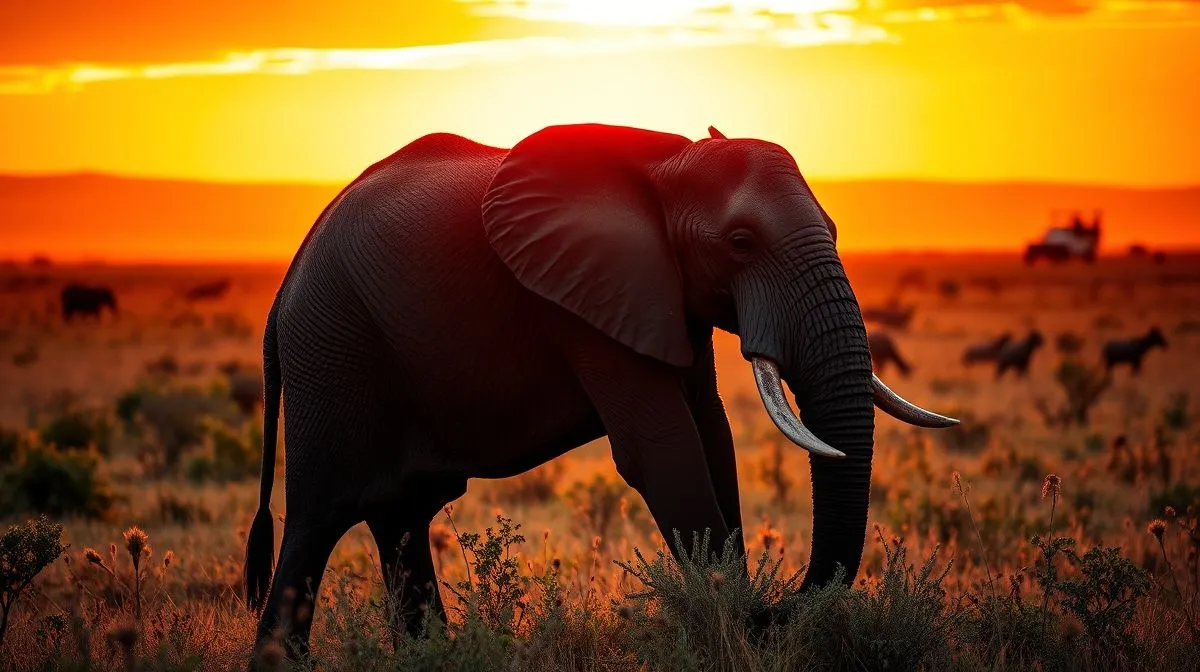
How to Choose an Ethical Wildlife Safari: A Guide to Responsible Adventures
Imagine the thrill of witnessing a lioness stalking her prey, the serene grace of a giraffe grazing against a vibrant sunset, or the playful antics of a family of gorillas in their natural habitat. For many, a wildlife safari represents the pinnacle of travel experiences, an unparalleled connection with the wild. Yet, beneath this awe-inspiring facade lies a critical question: are these encounters truly beneficial for the animals and the local communities, or are they inadvertently contributing to harm?
The growing popularity of wildlife tourism has brought both incredible opportunities for conservation and significant challenges. Unethical practices, driven by profit, can lead to animal exploitation, habitat degradation, and a lack of benefit for indigenous populations. So, how do you navigate this complex landscape to ensure your dream safari doesn't become a nightmare for wildlife?
This comprehensive guide will equip you with the knowledge and tools to confidently choose an ethical wildlife safari. We'll delve into the core principles of responsible tourism, highlight what to look for in an operator, and empower you to make choices that genuinely contribute to conservation and community well-being, ensuring your adventure leaves a positive footprint.
Understanding Ethical Wildlife Tourism
Ethical wildlife tourism is much more than just avoiding harmful activities; it's about actively contributing to the well-being of animals, the preservation of their habitats, and the empowerment of local communities. It's a holistic approach that prioritizes sustainability and respect above all else.
What Defines Ethical Tourism?
At its heart, ethical tourism seeks to minimize negative impacts while maximizing positive ones. This means ensuring that wildlife encounters are on the animals' terms, that revenue directly supports conservation efforts, and that local people benefit economically and culturally from tourism. It's about fostering an appreciation for nature that inspires protection, not exploitation.
- Animal Welfare: The paramount concern. Animals should be wild, free, and undisturbed. No forced interactions, no captive breeding for tourist entertainment, and no activities that cause stress or harm.
- Environmental Conservation: Operators should have robust policies to minimize their ecological footprint, including waste management, water conservation, and support for anti-poaching efforts.
- Community Benefit: Tourism should uplift local communities through employment, fair wages, support for local businesses, and respect for cultural heritage.
- Education and Awareness: Ethical safaris aim to educate visitors about conservation challenges and the importance of responsible behavior in the wild.
Key Criteria for Vetting Safari Operators
Choosing the right safari operator is the single most critical step in planning an ethical wildlife safari. It requires thorough research and a discerning eye. Don't be swayed solely by flashy brochures or low prices; look deeper into their operational philosophy.
Researching Operator Credentials and Certifications
Many reputable organizations offer certifications or accreditations for ethical tourism. While not exhaustive, these can be a good starting point. Look for operators affiliated with recognized bodies like The Long Run, responsible tourism initiatives, or those with transparent sustainability reports.
- Accreditations: Check for certifications from global or regional responsible tourism bodies. These often signify adherence to strict environmental and social standards.
- Awards and Recognition: While not a definitive guarantee, awards for responsible tourism can indicate a commitment to ethical practices.
- Transparency: A truly ethical operator will be open about their conservation efforts, community programs, and how your money contributes to these initiatives.
Understanding Tour Group Sizes and Itineraries
Smaller group sizes generally lead to less disturbance for wildlife and a more intimate, higher-quality experience for visitors. Large groups can overwhelm sensitive ecosystems and animals.
Review the itinerary carefully. Does it allow for respectful viewing distances? Does it include activities that might stress animals, such as 'walking with lions' or elephant riding? These are often red flags.
Animal Welfare: The Non-Negotiable Core
The well-being of the animals should always be the top priority. An ethical wildlife safari ensures that encounters are natural, respectful, and do not compromise the animals' health, behavior, or safety.
Observing Animals in Their Natural Habitat
True ethical safaris focus on observing animals in their wild, undisturbed state. This means no baiting, no forced interactions, and no activities that habituate animals to human presence in an unnatural way. The goal is to witness their natural behaviors, not to interfere with them.
Respectful distances are crucial. Guides should maintain a safe and appropriate distance from wildlife to avoid causing stress or altering natural behaviors. According to the World Animal Protection, direct physical contact with wild animals for entertainment purposes is almost always unethical.
Avoiding Exploitative Practices
Unfortunately, many activities marketed as 'wildlife encounters' are deeply unethical. These include:
- Elephant Riding: Often involves brutal training methods (Phajaan or 'the crush') and lifelong captivity.
- Walking with Big Cats: Animals are typically habituated, often hand-reared, and cannot be truly wild. This can also pose a risk to human safety.
- Bear Parks or 'Dancing' Bears: Involves severe cruelty and deprivation.
- Dolphin or Whale Shows: Keeping intelligent marine mammals in captivity for entertainment is widely condemned by animal welfare organizations.
- Petting Zoos with Wild Animals: Wild animals are not pets and should not be treated as such.
If an activity sounds too good to be true, it likely is. Always prioritize the animal's welfare over your desire for a 'unique' photo opportunity.
Community Engagement and Economic Benefits
A truly ethical wildlife safari extends its positive impact beyond just the animals to the people who live alongside them. Local communities are often the frontline custodians of wildlife and their habitats.
Supporting Local Economies and Employment
Ethical operators prioritize hiring local staff, from guides and drivers to lodge managers and chefs. This provides direct economic benefits, creates livelihoods, and fosters a sense of ownership and pride in conservation efforts among the local population.
Furthermore, look for operators who source supplies locally, support local artisans, and invest a portion of their profits back into community development projects, such as schools, healthcare, or infrastructure. This ensures that tourism revenue circulates within the local economy.
Respecting Local Culture and Heritage
Responsible tourism also means respecting the traditions, customs, and beliefs of the communities you visit. Guides should be knowledgeable about local culture and facilitate respectful interactions. Avoid operators who sensationalize or exploit cultural practices for tourist entertainment.
Environmental Conservation Practices
Safaris take place in fragile ecosystems. An ethical operator understands their responsibility to minimize their environmental footprint and actively contribute to habitat protection.
Minimizing Environmental Impact
This includes practices such as:
- Waste Management: Proper disposal and recycling of waste, avoiding single-use plastics.
- Water and Energy Conservation: Use of renewable energy sources, water-saving fixtures, and encouragement of guest participation in conservation efforts.
- Low-Impact Infrastructure: Lodges and camps built with sustainable materials, designed to blend into the landscape, and easily dismantled if necessary.
- Vehicle Management: Sticking to designated tracks, avoiding off-roading, and using well-maintained vehicles to reduce emissions and noise pollution.
Contribution to Conservation Initiatives
Many ethical safari companies actively participate in or fund conservation projects. This could include anti-poaching units, wildlife monitoring programs, habitat restoration, or research initiatives. Inquire about their direct contributions and partnerships with conservation organizations. For instance, some operators collaborate closely with national parks and wildlife authorities to support their ongoing efforts, as detailed by organizations like the Conservation International.
Red Flags to Watch Out For
While the allure of a cheap deal can be tempting, it often comes at an ethical cost. Being aware of red flags can save you from inadvertently supporting harmful practices.
- Unusually Low Prices: Ethical operations, with their commitment to fair wages, conservation, and quality experiences, typically come at a higher cost. Extremely cheap tours often cut corners on ethics.
- Guaranteed Sightings: Wildlife is unpredictable. Operators promising guaranteed sightings of specific animals (especially rare ones) might be engaging in unethical practices like baiting or confining animals.
- Direct Animal Interaction: Any activity that involves touching, riding, or direct interaction with wild animals (especially big cats, elephants, or primates) should be a major warning sign.
- Lack of Transparency: If an operator is vague about their animal welfare policies, community engagement, or environmental practices, be wary.
- Overcrowded Vehicles or Tourist Sites: Indicates a focus on volume over responsible tourism, potentially leading to animal stress and habitat degradation.
- Negative Reviews Regarding Ethics: Always check independent review sites for comments on animal treatment, guide behavior, and community impact.
Preparing for Your Ethical Safari
Your responsibility doesn't end with choosing the right operator. As a traveler, you also play a crucial role in ensuring a positive impact.
Responsible Traveler Conduct
- Follow Guide Instructions: Your guide is there to ensure your safety and the animals' well-being. Always follow their instructions regarding distances, noise levels, and behavior.
- Respect Wildlife: Never attempt to feed, touch, or approach wild animals. Their natural behaviors should be undisturbed.
- Leave No Trace: Pack out everything you pack in. Do not litter.
- Support Local: Purchase souvenirs from local artisans, eat at local restaurants, and support businesses that directly benefit the community.
- Minimize Your Footprint: Conserve water and energy at your lodge. Opt for reusable water bottles.
What to Pack and Consider
Beyond the usual safari gear, consider packing items that align with ethical travel:
- Reusable Water Bottle: To avoid buying single-use plastic bottles.
- Solar Charger: For small electronics, reducing reliance on grid electricity.
- Eco-friendly Toiletries: Biodegradable options can minimize environmental impact.
- Binoculars and Camera with Zoom: To get great views and photos without needing to get too close to wildlife.
Also, consider offsetting your carbon emissions from flights, though this should be a secondary measure after minimizing travel where possible, as suggested by sources like the UN World Tourism Organization (UNWTO).
Frequently Asked Questions (FAQ)
What is the difference between an ethical safari and a regular safari? An ethical safari prioritizes animal welfare, environmental conservation, and community benefit, ensuring minimal negative impact and maximum positive contribution. A 'regular' safari might not have these strong commitments, potentially leading to exploitative practices.
How can I verify if a safari operator is truly ethical? Look for certifications from recognized responsible tourism bodies, read independent reviews focusing on ethical practices, inquire directly about their animal welfare and community programs, and check their transparency regarding financial contributions to conservation.
Are ethical safaris more expensive? Generally, yes. Ethical operators invest more in fair wages, conservation initiatives, sustainable infrastructure, and smaller group sizes, which naturally leads to higher costs. However, the value lies in knowing your money supports positive change.
Can I still get good wildlife photos on an ethical safari? Absolutely! Ethical safaris allow you to observe animals in their natural, unstressed state, often leading to more authentic and compelling photographs. Good zoom lenses and patience are key.
Is it possible to have an ethical safari experience with children? Yes, many ethical operators cater to families and offer educational programs for children, fostering an early appreciation for conservation and responsible travel.
Recommended Reading
- All Aboard! The Best Railway Museums for Kids in the UK Revealed
- Best Cruise for Toddlers with Food Allergies: Safe Sailing Guide
- Europe on a Shoestring: Family Travel Tips That Won't Break the Bank
- Unlock Cheap Train Travel: How to Journey Without a Rail Pass!
- Ultimate Guide: Navigating International Air Travel with Your Service Dog
Conclusion
Choosing an ethical wildlife safari is a powerful statement. It's a commitment to ensuring that your desire to connect with nature contributes to its preservation, rather than its detriment. By understanding the core principles of animal welfare, environmental protection, and community empowerment, and by diligently researching operators, you can embark on an adventure that is not only unforgettable for you but also genuinely beneficial for the planet's incredible wildlife and the people who live alongside it. Your choices as a traveler have a profound impact; make them count for a wilder, more compassionate world.



Your email address will not be published. Required fields are marked *