

How to combat rapid battery drain on extreme cold photoshoots?
For over two decades navigating the world's most breathtaking, and often brutal, winter landscapes – from the Canadian Rockies to the Norwegian fjords – I've faced down countless challenges. But none has been as universally frustrating, or as silently destructive to a perfect shot, as the dreaded rapid battery drain in extreme cold. I remember a particularly harrowing dawn shoot in Banff, waiting for that ethereal alpenglow, only for my primary battery to flatline just as the light peaked. The backup, tucked away, was barely better. It was a stark lesson learned the hard way: in winter photography, power management isn't just a detail; it's the difference between capturing magic and going home empty-handed.
The biting cold isn't just uncomfortable for us; it's a silent assassin for our camera batteries. What might last hours in temperate conditions can vanish in minutes when temperatures plummet below freezing. This isn't merely an inconvenience; it's a genuine threat to your creative vision and, frankly, your investment in high-quality gear. The frustration of seeing that battery indicator plummet, knowing you're losing precious shooting time and potentially missing irreplaceable moments, is a feeling every serious winter photographer knows intimately.
But it doesn't have to be this way. Through years of trial, error, and meticulous observation in some of the harshest environments imaginable, I’ve refined a suite of strategies that dramatically extend battery life and ensure reliable performance, even when the mercury dips well into the negatives. In this definitive guide, I'll share my battle-tested frameworks, actionable steps, and expert insights on how to combat rapid battery drain on extreme cold photoshoots, ensuring your camera keeps pace with your ambition, no matter the chill.
Understanding the Enemy: Why Cold Kills Batteries
Before we dive into solutions, it's crucial to understand the fundamental science behind why cold temperatures are so detrimental to battery performance, particularly the lithium-ion batteries prevalent in modern cameras. It’s not simply that they 'die faster'; there's a specific electrochemical process at play that significantly reduces their efficiency.
Lithium-ion batteries rely on chemical reactions to generate electricity. Inside your battery, lithium ions move between the anode and cathode through an electrolyte. When temperatures drop, the electrolyte becomes more viscous, impeding the movement of these ions. This increased internal resistance means the battery has to work much harder to deliver the same amount of power, resulting in a dramatic drop in voltage and a perceived rapid drain. The battery isn't necessarily 'empty'; it's just temporarily unable to discharge its full capacity efficiently. According to a detailed study published by Nature Energy on extreme-temperature lithium-ion batteries, the charge-transfer resistance at the electrode-electrolyte interface can increase exponentially with decreasing temperature, severely limiting power delivery.
This phenomenon also means that your camera's battery meter can be misleading. A battery showing 50% charge in freezing conditions might spring back to 70% or 80% once warmed up. This 'cold-induced dormancy' can be both a curse and a blessing – a curse because it can lead to unexpected shutdowns, but a blessing if you know how to leverage it by rewarming your batteries. Understanding this fundamental principle is the first step in effective cold-weather battery management.
The Core Strategy: Keep Them Warm, Always
Given that cold directly impairs the chemical reactions within lithium-ion batteries, the most impactful strategy to combat rapid battery drain on extreme cold photoshoots is deceptively simple: keep your batteries warm. This isn't just about comfort; it's about maintaining their optimal operating temperature, typically above freezing, to ensure they can deliver power efficiently.
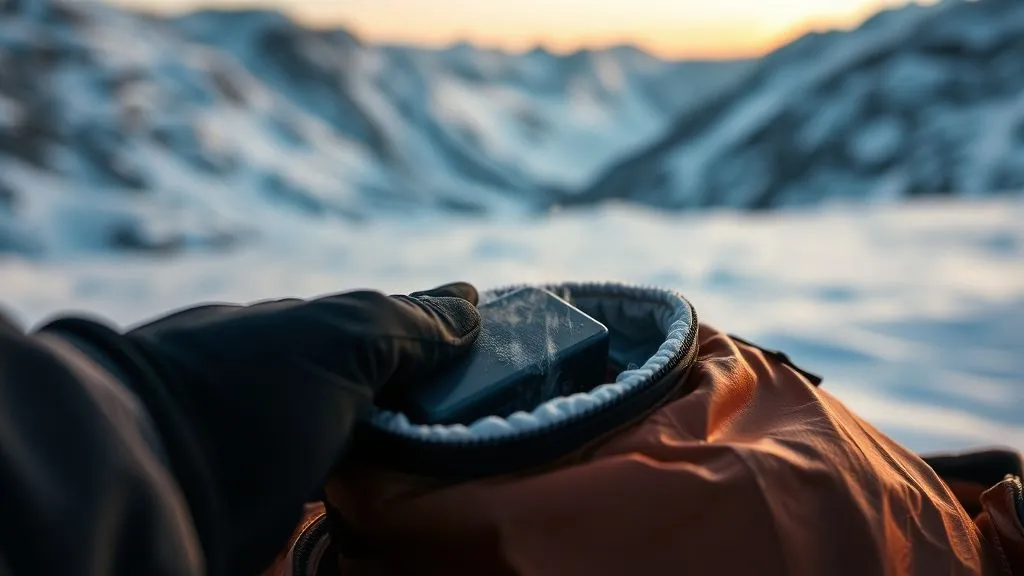
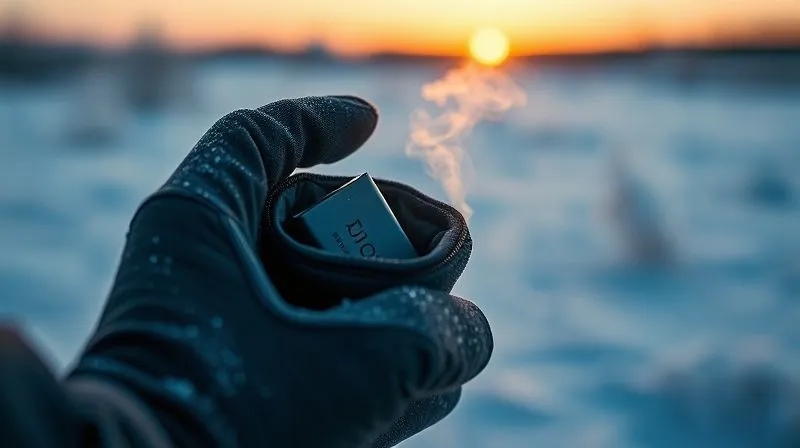
I've seen countless photographers leave spare batteries in their cold camera bags, only to find them useless when needed. Your body heat is your most powerful, readily available resource. Always keep spare batteries in an inside pocket of your jacket, close to your core. A small, insulated pouch or even a thick wool sock can add an extra layer of protection. For more extreme conditions, chemical hand warmers (the air-activated kind) can be incredibly effective when placed alongside batteries in a sealed, insulated pouch – just ensure they don't directly touch the bare battery terminals or the camera itself, as excessive heat can also be damaging. The goal is to create a microclimate for your power source.
- Inside Pocket Placement: Designate an interior jacket pocket, ideally one that's snug against your chest or abdomen, for all spare batteries.
- Insulated Pouches: Invest in small, padded, and insulated battery pouches. These add a crucial layer of thermal protection, especially when temporarily removed from your body.
- Hand Warmer Boost: When temperatures are truly brutal, place a chemical hand warmer (e.g., HotHands) in the insulated pouch with your batteries. Ensure the hand warmer is not directly touching the battery terminals or the camera.
- Camera Bag Strategy: If you must store batteries in your camera bag, ensure they are in a dedicated, insulated compartment, ideally with a hand warmer, and that the bag itself is well-insulated and not left exposed to the elements.
Optimizing Your Camera Settings for Cold
Beyond keeping your batteries physically warm, smart camera management and settings adjustments can significantly reduce power consumption, giving you more precious minutes (or hours) in the field. Every feature your camera offers draws power, and in the cold, every milliamp-hour counts. Think of it as putting your camera on a low-power diet.
One of the biggest culprits of battery drain is the LCD screen. While invaluable for reviewing shots and navigating menus, its backlight is a significant power hog. Prioritize using your electronic viewfinder (EVF) or optical viewfinder (OVF) for framing and composition. Minimize image review time, and if your camera has a 'review image' setting, consider shortening its duration or turning it off entirely, only checking images when absolutely necessary. Features like built-in Wi-Fi, Bluetooth, and GPS are incredibly convenient but are constantly searching for signals, consuming power even when not actively used. Turn them off unless you specifically need them. Image stabilization, while fantastic for sharp handheld shots, also draws power. If you're on a sturdy tripod, disable it. Similarly, continuous autofocus modes, especially those tracking fast-moving subjects, can be very demanding. Consider single-shot AF or manual focus when appropriate.
Even the way you shoot can impact battery life. Rapid-fire continuous shooting, especially with a mechanical shutter, can drain batteries quickly. Slow down your shooting pace if the situation allows. Avoiding frequent video recording, which puts a heavy load on the processor and sensor, is also wise unless it's the primary goal of your shoot. The goal here is to be mindful of every setting and operation, asking yourself: 'Is this absolutely essential right now?'
| Feature | Power Draw | Recommendation |
|---|---|---|
| LCD Screen (Backlight) | High | Minimize use, use EVF/OVF |
| Image Stabilization | Medium | Disable on tripod |
| Wi-Fi/Bluetooth/GPS | Medium-High | Turn off when not needed |
| Live View/Video Recording | Very High | Use sparingly |
| Continuous AF/Tracking | High | Consider single-shot AF |
| Image Review Duration | Low-Medium | Shorten or disable |
Portable Power Solutions: Beyond the Camera Body
Even with optimal settings and warm batteries, there are times when your internal camera battery simply won't be enough. This is where external power solutions become invaluable. In my experience, relying solely on in-camera batteries for extended extreme cold photoshoots is a recipe for disappointment. Professional photographers often carry a sophisticated array of external power options, treating them as essential gear as much as lenses or tripods.
High-capacity USB-C PD (Power Delivery) power banks are a game-changer. Modern mirrorless cameras, and even some DSLRs, can often be charged or even powered directly via USB-C. These power banks, when kept warm (again, inside your jacket), can significantly extend your shooting time. Look for models with high wattage output (45W or more) and a large capacity (20,000mAh+). Always ensure the power bank itself is rated for low temperatures, as some cheaper models can also suffer performance dips.
For cameras that don't support direct USB-C power, dummy batteries (also known as DC couplers) are an excellent alternative. These devices insert into your camera's battery compartment but are wired to an external power source, such as a large V-mount or Gold-mount battery (often used for video equipment) or a robust power bank. This allows you to keep the bulk of your power supply warm and external, feeding a constant stream of energy to your camera. While solar chargers exist, their utility in deep winter conditions – with short days, low sun angles, and often overcast skies – is typically limited, making them less reliable as a primary power source for extreme cold scenarios.
Case Study: Arctic Expeditions and Power Reliability
Consider the experience of renowned wildlife photographer, Dr. Anya Sharma, on her multi-week expedition to photograph polar bears in Svalbard. Facing consistent temperatures of -20°C to -30°C, her initial strategy of simply carrying more spare batteries quickly proved insufficient, as even warm spares would rapidly succumb to the cold once exposed. By implementing a system of V-mount battery packs (kept warm in insulated, chest-worn pouches) connected via dummy batteries to her mirrorless camera, she dramatically extended her operational time. This allowed her to capture critical behavioral sequences that would have been impossible with standard battery setups, demonstrating the power of a dedicated external power strategy in the harshest environments. Her success wasn't just about having power; it was about having *reliable* power, consistently delivered regardless of the ambient temperature.
The Right Batteries Make a Difference
Not all batteries are created equal, and in extreme cold, the differences become starkly apparent. While the fundamental chemistry of lithium-ion batteries is similar, variations in manufacturing quality, internal resistance, and protective circuitry can significantly impact performance in challenging conditions. Investing in the right batteries is a proactive step to combat rapid battery drain on extreme cold photoshoots.
My unwavering advice is to always prioritize genuine OEM (Original Equipment Manufacturer) batteries. While third-party options might seem like a cost-effective alternative, they often fall short in critical areas. OEM batteries are designed and tested to meet the specific power demands and operating parameters of your camera, often incorporating superior internal components and more robust protective circuits. They tend to have lower internal resistance, which means they perform better and suffer less voltage drop in the cold. I've personally witnessed countless instances where a third-party battery, showing full charge indoors, would register as nearly dead within minutes of exposure to sub-zero temperatures, while a genuine OEM battery continued to perform.
"In winter photography, your batteries are your lifeline. Compromising on their quality is like going into battle with a faulty weapon. Invest in genuine OEM; it's an investment in reliability and missed opportunities."
Furthermore, pay attention to the health of your existing batteries. Most modern cameras offer a battery health indicator in their menu. A battery showing reduced health will perform even worse in the cold. Regularly check this and retire batteries that are showing significant degradation. While some companies claim 'extreme cold' rated batteries, always read reviews and understand the actual technology; often, careful management of standard OEM batteries outperforms poorly designed specialized alternatives.
Pre-Shoot Preparation: Your First Line of Defense
Success in extreme cold photography isn't just about what you do in the field; it's meticulously planned long before you even step out the door. Pre-shoot preparation is your first and most critical line of defense against rapid battery drain. Overlooking these steps is akin to showing up to a marathon without training – you're simply setting yourself up for failure.
The most fundamental step is to ensure all your batteries, both primary and spares, are fully charged. I mean 100% full, not 90%. Charge them the night before, or even the morning of the shoot, if possible. A freshly charged battery simply has more available energy. Beyond charging, take the time to inspect your batteries. Look for any signs of physical damage, swelling, or corrosion on the terminals. Even minor damage can affect performance, especially in challenging conditions. If a battery looks suspect, leave it home.
For batteries that haven't been used in a while, consider a full discharge and recharge cycle. This can sometimes 'recalibrate' the battery's internal fuel gauge and ensure it's operating optimally. While lithium-ion batteries don't suffer from the 'memory effect' of older NiCd batteries, occasional cycling can still be beneficial for overall health. Finally, consider how many spare batteries you'll need. My rule of thumb for extreme cold is to double or even triple the number of batteries I'd typically carry for a temperate shoot of similar duration. If a normal shoot requires two batteries, I'll pack four to six for a sub-zero expedition. This redundancy is crucial because even with the best care, cold can be unpredictable. You can find excellent reviews and comparisons of various camera batteries, including OEM and select third-party options, on reputable sites like DPReview's battery comparison section.
Field Management: Smart Habits for Sustained Power
Once you're out in the field, even with all the preparation, the battle against battery drain continues. This is where active field management and smart habits come into play. These aren't just about extending the life of your current battery; they're about preserving your entire power ecosystem throughout the day.
One of the most effective strategies is battery rotation. Don't just run one battery until it's 'dead' and then swap to another cold one. Instead, use a battery for a period, then swap it for a warm one from your inside pocket. The 'spent' battery then goes into your warm pocket to recuperate. As mentioned earlier, cold often doesn't permanently drain a Li-ion battery; it merely inhibits its ability to discharge. Warming it up can bring back a significant portion of its charge, effectively giving you 'free' power. I often carry three batteries in rotation: one in the camera, one warming in my inner jacket pocket, and one 'resting' in another warm pocket, ready to be swapped in.
When swapping batteries, do it quickly and, if possible, inside your jacket or beneath a protective layer. Exposing the camera's internal compartment to freezing air for too long can cause rapid cooling of internal components, potentially leading to condensation when you eventually bring it indoors. Speaking of power, always turn your camera off when you're not actively shooting. Even in standby mode, cameras consume power. Every minute it's off is a minute of conserved energy. Minimize lens changes in the field; not only does this risk cold air ingress into your sensor chamber, but it also exposes internal electronics to the cold. Finally, protect your camera itself. While batteries are the most vulnerable, wrapping your camera in a warm, insulating cloth (like a lens cloth or even a scarf) when not in use can help maintain its temperature and reduce the rate at which the battery cools inside the body.
Post-Shoot Care: Extending Overall Battery Lifespan
The work doesn't stop when the shoot ends. Proper post-shoot care, particularly after exposure to extreme cold, is vital not just for the immediate health of your batteries but for their long-term lifespan and your camera's longevity. Neglecting this final stage can lead to premature battery degradation and even damage to your valuable equipment.
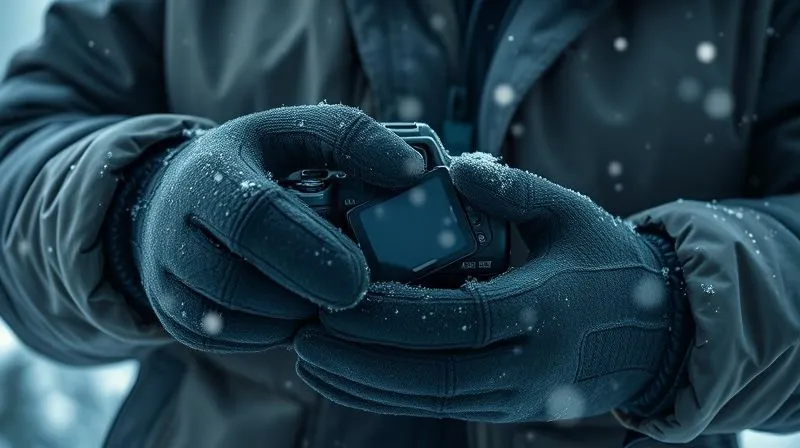
The most critical aspect of post-shoot care in winter is managing the transition from extreme cold to warm indoor environments. Bringing a freezing-cold camera and batteries directly into a warm, humid room is a surefire way to induce condensation, which can be catastrophic for electronics. I've seen moisture literally drip from lenses and inside battery compartments. To prevent this, place your camera (without batteries) and lenses into a sealed plastic bag (like a Ziploc bag) before bringing them indoors. Allow them to slowly acclimatize to room temperature over several hours while still inside the bag. The condensation will form on the *outside* of the bag, not on your gear. Batteries can be removed and allowed to warm up slowly outside the bag, but still away from direct heat sources.
Once everything has slowly warmed up and dried, remove the batteries. For long-term storage, lithium-ion batteries are best stored at around a 50% charge level in a cool, dry place, away from direct sunlight or extreme temperatures. Storing them fully charged or completely depleted can accelerate degradation. Never leave 'dead' batteries sitting in a cold environment for extended periods; recharge them once they've acclimatized. Following these steps ensures your batteries remain healthy and ready for your next adventure, preventing them from suffering permanent damage from the rigors of winter photography. For more in-depth guidance on battery care, consult your camera manufacturer's official recommendations, such as this Canon Battery Care Tips guide.
| Action | Method | Benefit |
|---|---|---|
| Acclimatize Gear | Sealed plastic bag, slow warm-up | Prevents condensation, protects electronics |
| Store Batteries at 50% Charge | Check charge level before storage | Extends overall battery lifespan |
| Cool, Dry Storage | Avoid direct heat/sunlight/humidity | Maintains battery chemistry, prevents damage |
| Recharge Depleted Batteries | Do not leave 'dead' in cold | Prevents deep discharge, preserves health |
| Regular Inspection | Check for damage, swelling, corrosion | Identifies issues before they cause failure |
Frequently Asked Questions (FAQ)
Q: Should I use generic or third-party batteries to save money for cold weather shoots? A: As an experienced specialist, I strongly advise against it for extreme cold. While some third-party batteries are decent in mild conditions, they frequently underperform drastically in sub-zero temperatures compared to genuine OEM batteries. The internal resistance and protective circuitry are often inferior, leading to even more rapid drain and unreliable performance. The cost savings are rarely worth the risk of missed shots or compromised reliability when you are trying to combat rapid battery drain on extreme cold photoshoots.
Q: How do I prevent condensation when bringing my cold camera gear indoors after a shoot? A: The most effective method is to place your camera (without batteries) and lenses into a sealed plastic bag (like a large Ziploc or trash bag) before you bring them from the cold into a warm indoor environment. Seal the bag tightly to trap the cold air inside. As the gear slowly warms up to room temperature over several hours, any condensation will form on the outside of the bag, protecting your electronics. Do not open the bag until the gear has fully acclimatized and is no longer cold to the touch.
Q: What's the ideal temperature and charge level to store camera batteries for long periods? A: For optimal long-term health, lithium-ion camera batteries should be stored at approximately a 50% charge level. Store them in a cool, dry place, away from direct sunlight, extreme heat, or freezing temperatures. A typical room temperature (around 20-25°C or 68-77°F) is generally fine, but cooler is often better, as long as it's not freezing. Avoid storing them fully charged or completely depleted, as both can accelerate degradation over time.
Q: Can I use a microwave or oven to quickly warm up a cold battery? A: Absolutely NOT. This is extremely dangerous and can lead to battery explosion, fire, or severe damage. Never expose camera batteries to extreme, rapid heating methods like microwaves, ovens, or direct flame. Always use safe, gradual warming methods like body heat, insulated pouches, or chemical hand warmers, ensuring they do not overheat the battery. Safety is paramount.
Q: Does using a battery grip help improve battery life in cold weather? A: A battery grip doesn't inherently improve a single battery's performance in the cold. However, it typically allows you to house two batteries simultaneously, effectively doubling your in-camera power capacity. This means you have more power before needing to swap. If the grip itself is well-insulated and you employ strategies to keep the grip and batteries warm (e.g., by keeping the camera tucked inside your jacket when not shooting), it can contribute to longer operational times by providing more reserves. But the fundamental cold-weather principles of keeping batteries warm still apply to each individual battery within the grip.
Key Takeaways and Final Thoughts
Navigating the challenges of winter photography, especially the relentless drain on battery life, requires a blend of scientific understanding, meticulous preparation, and disciplined field habits. As someone who has spent a significant part of my career in these icy realms, I can attest that mastering battery management is not just a technicality; it's a foundational skill that empowers you to seize fleeting moments of beauty in the harshest conditions.
- Understand the 'Why': Cold slows chemical reactions, increasing internal resistance and reducing perceived capacity.
- Prioritize Warmth: Body heat, insulated pouches, and hand warmers are your best allies for keeping batteries operational.
- Optimize Settings: Minimize LCD use, disable unnecessary features (Wi-Fi, GPS, IS on tripod), and be mindful of continuous shooting.
- Embrace External Power: High-capacity USB-C PD power banks and dummy batteries are crucial for extended shoots.
- Invest in Quality: Genuine OEM batteries offer superior cold-weather performance and reliability.
- Prepare Diligently: Full charges, battery health checks, and carrying ample spares are non-negotiable.
- Manage Actively: Rotate batteries, swap quickly and warmly, and power off when not shooting.
- Care Post-Shoot: Acclimatize gear slowly to prevent condensation and store batteries properly for longevity.
The allure of winter photography is undeniable – the pristine snow, the dramatic light, the unique wildlife. Don't let a dead battery cut short your pursuit of these extraordinary scenes. By implementing these expert strategies, you're not just prolonging your battery life; you're safeguarding your creative flow, ensuring reliability, and ultimately, capturing those breathtaking winter moments that others might miss. Embrace the cold, but empower your gear, and your photographic journey will be all the more rewarding.
Recommended Reading
- 7 Pillars: Differentiating Luxury Yurt Glamping in Saturated Markets
- Preventing Executive Burnout: 5 Strategic Rejuvenation Travel Frameworks
- 7 Strategies: How Skilled Volunteers Avoid Creating Local Dependency?
- 7 Proven Strategies for Battling Burnout on Cross-Country Road Trips
- Urgent: Balancing Client Calls During Unexpected Road Trip Delays?




Your email address will not be published. Required fields are marked *