

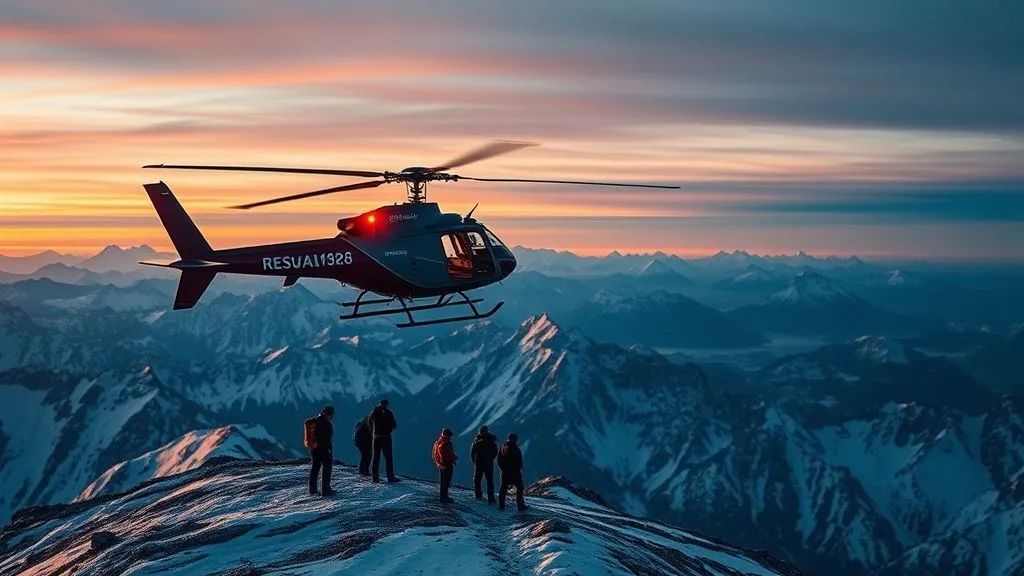
How to Coordinate Remote Emergency Evacuation on High-Altitude Treks?
For over two decades, I've led expeditions into some of the world's most formidable high-altitude environments, from the Himalayas to the Andes. In that time, I've witnessed firsthand the sheer terror and logistical nightmare that can unfold when a medical emergency strikes miles from civilization, high above the tree line.
The stark reality is that in these extreme settings, where oxygen is scarce and terrain is unforgiving, a minor injury can quickly escalate into a life-threatening crisis. The isolation, the unpredictable weather, and the limited resources compound every challenge, making a coordinated, swift evacuation seem like an insurmountable task.
This article isn't just a guide; it's a distillation of my experience and hard-won lessons. I'll provide you with a comprehensive, actionable framework for how to coordinate remote emergency evacuation on high-altitude treks, ensuring you have the knowledge and systems in place to protect your team when it matters most.
The Non-Negotiable Foundation: Pre-Expedition Planning
Before you even consider setting foot on a high-altitude trail, meticulous planning is paramount. This isn't just about packing the right gear; it's about anticipating every conceivable worst-case scenario and having a clear, rehearsed response.
Comprehensive Risk Assessment
Every trek carries inherent risks, but high-altitude expeditions magnify them. I always begin by conducting a thorough risk assessment, identifying potential hazards such as altitude sickness, falls, extreme weather, and even political instability in certain regions. Understanding these risks allows you to mitigate them proactively.
Consider the specific route, the season, the experience level of your team, and the local infrastructure. Document everything, and don't shy away from uncomfortable truths about potential dangers. This foresight is your first line of defense.
| Risk Category | Examples | Mitigation Strategy |
|---|---|---|
| Environmental | Altitude Sickness, Avalanches, Extreme Weather | Acclimatization, Route Planning, Weather Monitoring |
| Human Factor | Falls, Medical Conditions, Poor Decision-Making | Training, Medical Screening, Experienced Leadership |
| Logistical | Communication Failure, Supply Shortages, Evacuation Delays | Redundant Systems, Contingency Plans, Local Contacts |
Medical Screening & Training
Never underestimate the importance of a medically fit team. Every participant should undergo a thorough medical screening to assess their suitability for high-altitude trekking. This includes pre-existing conditions, medication, and a history of altitude-related issues. Furthermore, I insist that at least one, if not multiple, team members possess advanced wilderness medical training.
Certification as a Wilderness First Responder (WFR) or even a Wilderness Emergency Medical Technician (WEMT) is invaluable. These individuals are equipped to provide extended care in remote settings, potentially stabilizing a patient for hours or even days until external help arrives. You can find more information on these certifications through organizations like NOLS Wilderness Medicine here.
Crafting a Detailed Evacuation Plan
Your evacuation plan must be a living document, tailored to each specific expedition. It should detail primary, secondary, and even tertiary evacuation routes and methods. This includes identifying potential landing zones for helicopters, understanding local ground transport options, and knowing the nearest medical facilities, their capabilities, and their contact information.
Expert Insight: Proactive planning isn't just about preparing for problems; it's about creating a framework that transforms chaos into a series of manageable steps, giving your team confidence and clarity when every second counts.
I always carry printed copies of this plan, along with digital backups, and ensure every key team member is intimately familiar with it. Practice drills, even mental ones, can significantly improve response times.
Building Your Communication Lifeline in the Wilderness
In remote, high-altitude environments, communication is your umbilical cord to the outside world. Without it, even the best-laid plans are useless. Redundancy is not a luxury; it's a necessity.
Redundant Communication Systems
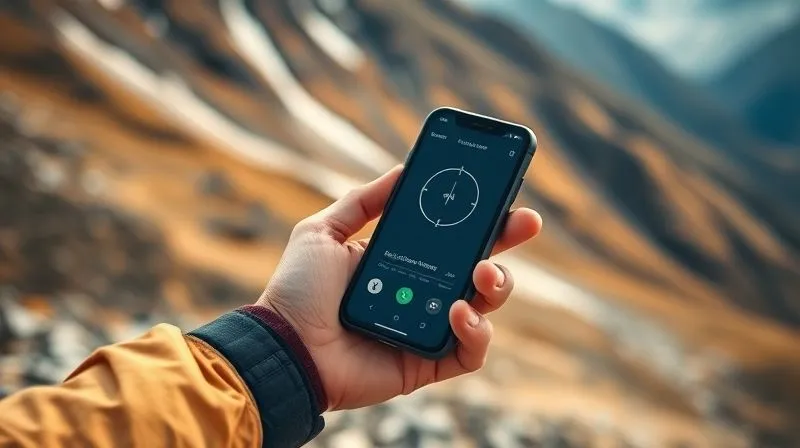
Relying on a single communication device is a recipe for disaster. I always carry multiple, independent systems. A satellite phone is essential for voice communication, allowing direct contact with emergency services or your base contact. Devices like the Garmin InReach or SPOT trackers provide two-way text messaging, GPS tracking, and an SOS button that alerts a global rescue coordination center.
Additionally, personal locator beacons (PLBs) are critical for transmitting your exact location to search and rescue (SAR) satellites, even if you can't communicate verbally. Always ensure all devices are fully charged, have spare batteries, and are tested before departure. The European Space Agency provides excellent resources on satellite communication technologies here.
- Satellite Phones: For voice calls, robust and reliable.
- Satellite Messengers (e.g., InReach, SPOT): Two-way texting, GPS tracking, SOS function.
- Personal Locator Beacons (PLBs): Transmit distress signal to satellites.
- VHF Radios: For short-range, line-of-sight communication within the team or with local support.
Establishing Emergency Contacts & Protocols
Designate a reliable, calm, and informed base contact who remains accessible 24/7. This person should have a copy of your detailed itinerary, team manifest, medical information, and evacuation plan. They are your primary link to external resources.
Establish clear communication protocols: what information to convey, in what order, and how frequently. This includes patient status (using an 'S.T.O.P.' format: Symptoms, Treatment, Observation, Plan), location coordinates, and environmental conditions. Avoid panic; clear, concise information saves lives.
On-Ground Medical Preparedness: Beyond the Basic First Aid Kit
While external rescue is the goal, your immediate response team is the most critical factor in the initial hours of an emergency. Equipping them with knowledge and specialized tools is non-negotiable.
Advanced Wilderness First Aid Training
As mentioned, WFR/WEMT training is a game-changer. These courses teach critical skills like long-term patient assessment, wound management, fracture stabilization, and recognizing/treating common wilderness ailments, including severe altitude sickness (HACE and HAPE). This knowledge empowers your team to provide effective care in remote settings, often buying precious time until professional medical help can arrive.
I've seen situations where a well-trained team member's ability to manage hypothermia or a severe allergic reaction has been the difference between life and death, simply by knowing how to use the contents of an advanced medical kit effectively.
Specialized Medical Kits for Altitude-Related Illnesses
Your medical kit for high-altitude treks must go beyond band-aids and antiseptic wipes. It needs to be tailored to the specific risks of the environment. This includes medications for altitude sickness (e.g., Dexamethasone, Nifedipine, Acetazolamide), oxygen saturation monitors (pulse oximeters), and potentially a portable hyperbaric chamber (Gamow Bag) for severe cases of HACE/HAPE when immediate descent isn't possible.
| Item Category | Specific Items | Purpose |
|---|---|---|
| Altitude Sickness Meds | Dexamethasone, Nifedipine, Acetazolamide | Treat HACE/HAPE symptoms |
| Diagnostics | Pulse Oximeter, Thermometer | Monitor vital signs, oxygen saturation |
| Trauma/Wound Care | Sterile Dressings, Splints, Antiseptics | Manage injuries in remote settings |
| Emergency Equipment | Gamow Bag (optional), Oxygen Cylinder (optional) | Provide critical support for severe AMS |
Designated Medical Lead & Responsibilities
Before the trek, clearly designate a medical lead (ideally the WFR/WEMT). This person is responsible for the medical kit, patient assessment, and communicating medical status to the base contact. Their authority in medical decisions should be respected by all team members. This clarity of roles minimizes confusion and ensures a structured response during a crisis.
Real-Time Crisis Management: The Evacuation Trigger
Once an incident occurs, the clock starts ticking. Effective crisis management hinges on swift, accurate assessment and the immediate activation of your pre-established protocols.
Recognizing & Assessing Emergency Situations
The decision to evacuate is never taken lightly, especially in remote, high-altitude environments where it's complex, costly, and risky. However, delaying the decision can have catastrophic consequences. Establish clear, objective criteria for when an evacuation is necessary. This might include: uncontrolled bleeding, suspected fractures, severe altitude sickness symptoms unresponsive to initial treatment and descent, unconsciousness, or any condition that impairs the patient's ability to self-evacuate.
- Severity: Is the injury/illness life-threatening or debilitating?
- Stability: Can the patient's condition be managed and stabilized on-site?
- Environment: Are weather conditions deteriorating, making a delay more dangerous?
- Resources: Do we have the medical supplies and expertise to manage the situation long-term?
- Progression: Is the condition worsening despite best efforts?
Initiating the Evacuation Protocol
Once the decision to evacuate is made, immediately activate your communication plan. The medical lead should relay the patient's status, location (GPS coordinates are crucial), and the nature of the emergency to your base contact. The base contact, in turn, initiates contact with local authorities, insurance providers, and rescue services.
Expert Insight: In a crisis, decisive action is born from clear preparation. Don't second-guess your protocols; trust the plan you meticulously built. Hesitation can cost lives.
Simultaneously, the on-ground team should prepare the patient for transport, administer further first aid, and establish a clear, safe landing zone if a helicopter evacuation is anticipated. This might involve marking the area, clearing debris, and ensuring proper hand signals are understood.
Coordinating External Resources: When Help is Miles Away
This is where your base contact becomes invaluable. Their ability to liaise effectively with various external entities will determine the speed and success of the evacuation.
Engaging Local Authorities & Rescue Services
In many high-altitude regions, mountain rescue is managed by specialized police units, military, or dedicated volunteer organizations. Your base contact must know precisely who to call and how to communicate effectively with them. Providing accurate GPS coordinates, a clear description of the patient's condition, and a summary of your on-ground capabilities is vital. Be prepared for potential language barriers and cultural differences in emergency response.
Helicopter vs. Ground Evacuation Logistics
The choice between helicopter and ground evacuation depends on numerous factors: the severity of the patient's condition, terrain, weather, altitude, and available resources. Helicopter evacuations are often the fastest but are highly dependent on weather conditions and altitude ceilings. They are also significantly more expensive.
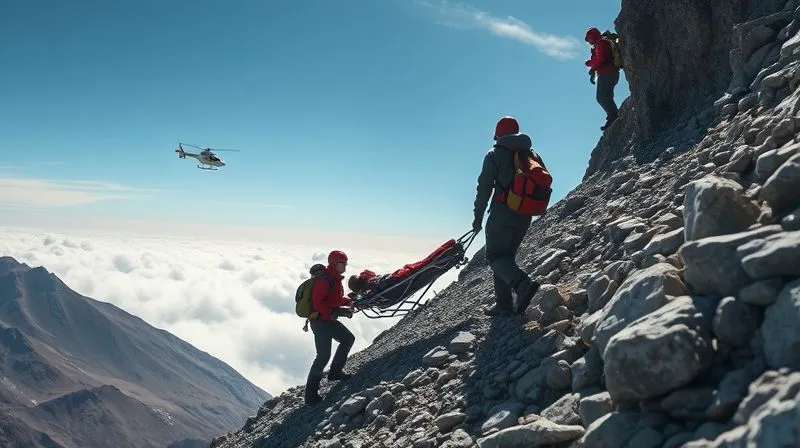
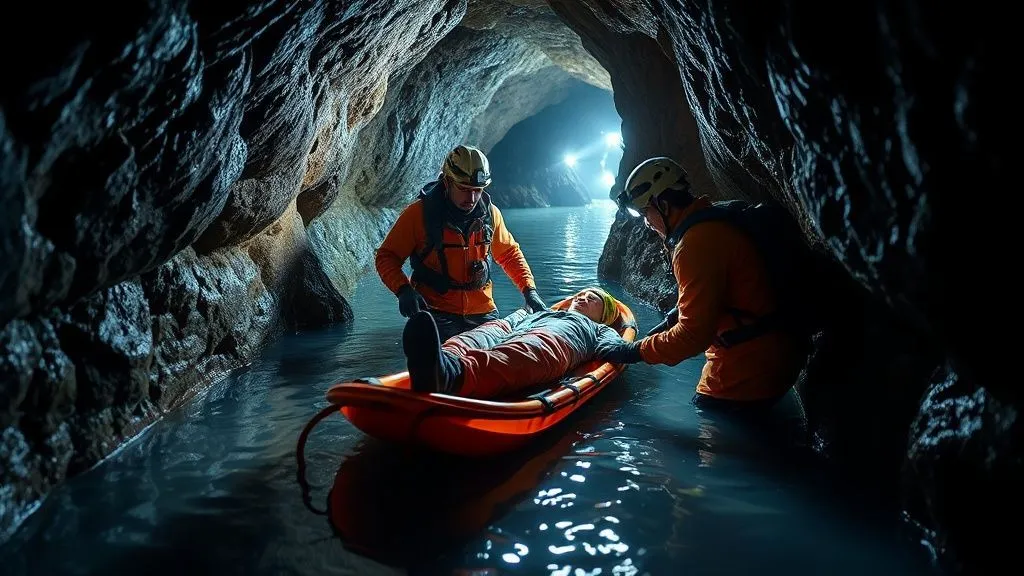
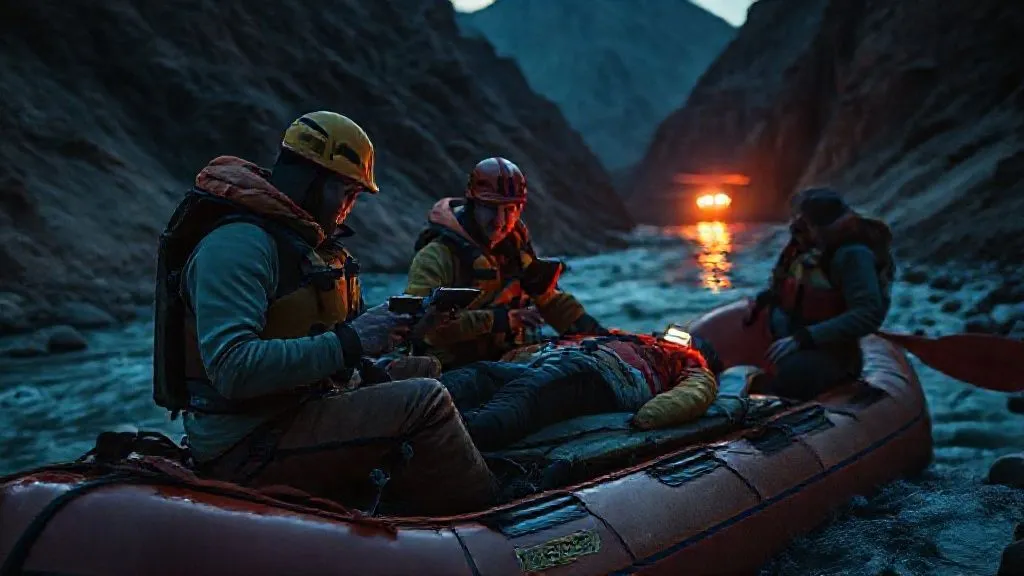
Ground evacuations, while slower and more arduous, are often the only option in poor weather or extremely remote areas. This might involve local porters, pack animals, or even improvising a stretcher. Your plan should detail both options, with clear triggers for each.
For insights into international mountain rescue operations, resources like the International Commission for Alpine Rescue (ICAR) provide valuable information.
Insurance & Financial Considerations
This is a critical, often overlooked, aspect. High-altitude rescue, especially helicopter evacuations, can cost tens of thousands of dollars. Comprehensive travel insurance that specifically covers high-altitude trekking and emergency medical evacuation is non-negotiable for every team member. Verify policy limits, exclusions (e.g., altitude restrictions, specific activities), and the claims process before departure.
Case Study: The Annapurna High-Pass Evacuation
Case Study: The Annapurna High-Pass Evacuation
In 2018, during an expedition across a high pass in the Annapurna region of Nepal, one of our trekkers, Sarah, began exhibiting severe symptoms of High Altitude Cerebral Edema (HACE) at 5,000 meters. Despite immediate descent of 300 meters, her condition deteriorated rapidly. She became disoriented, struggled with coordination, and her pulse oximeter reading plummeted.
Our WFR-trained medical lead quickly administered Dexamethasone and began preparing for an immediate evacuation. Our base contact, alerted via satellite phone, initiated contact with our insurance provider and a local helicopter rescue service. The challenge was the rapidly approaching monsoon weather, which threatened to ground all flights.
Working against the clock, our base contact coordinated with the helicopter company, providing precise GPS coordinates and regular updates on Sarah's deteriorating condition. On the ground, the team located a suitable, though small, flat area for a potential landing zone. After a tense few hours, a window in the weather allowed the helicopter to reach our location. The pilot, guided by our team's clear ground signals, executed a challenging landing.
Sarah was safely evacuated to a hospital in Kathmandu, where she made a full recovery. This incident underscored the critical importance of a redundant communication system, a well-trained medical lead, and a pre-established, well-rehearsed evacuation plan that could adapt to rapidly changing conditions. Without these elements, the outcome could have been tragic.
The Human Element: Leadership, Team Dynamics, and Psychological Impact
Beyond the technical aspects, an emergency tests the human spirit. Strong leadership and cohesive team dynamics are crucial for navigating these high-stress situations.
Maintaining Calm Under Pressure
As the expedition leader, I've learned that my demeanor directly influences the team's morale and effectiveness. Panic is contagious, but so is calm. It's my responsibility to project confidence, even when I'm internally wrestling with immense pressure. This comes from extensive preparation and a deep trust in the plan and the team.
Breathing exercises, clear communication, and delegating specific tasks can help manage stress for everyone involved. Remember, a calm mind makes better decisions.
Roles and Responsibilities During a Crisis
In the throes of an emergency, ambiguity is dangerous. Every team member should know their role: who is the medical lead, who handles communication, who assists with patient care, who manages logistics, and who ensures the safety of the remaining team. These roles should be assigned and understood during pre-expedition briefings.
Expert Insight: True leadership in the wilderness isn't about being fearless; it's about channeling fear into decisive action through meticulous preparation and empowering your team with clear roles and unwavering support.
Regular check-ins and debriefs, even brief ones, help maintain situational awareness and ensure everyone is aligned with the evolving plan.
Post-Evacuation Debriefing & Support
The ordeal doesn't end when the patient is evacuated. The remaining team, and often the patient, will experience significant psychological impact. A thorough debriefing is essential to process the event, identify lessons learned, and address any lingering trauma. Encourage open discussion, provide psychological first aid, and if necessary, facilitate access to professional counseling. Ignoring the emotional toll is a disservice to your team.
Technological Advancements Enhancing Remote Rescue
The landscape of remote rescue is constantly evolving, with new technologies offering unprecedented capabilities for coordination and response.
GPS Tracking & Mapping Software
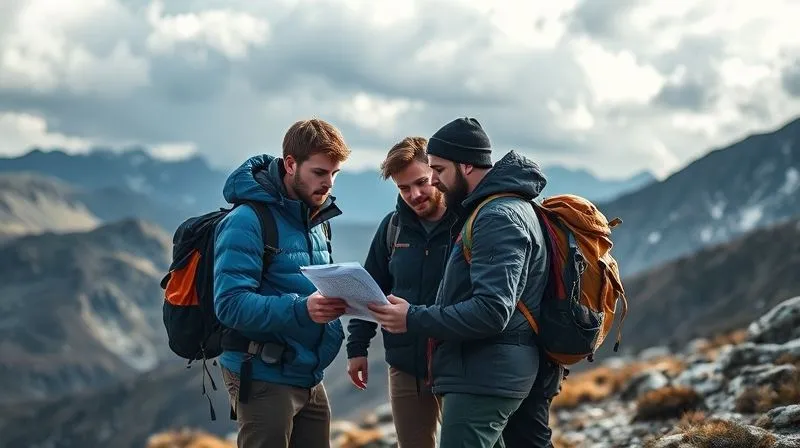
Beyond basic GPS devices, advanced mapping software (like Gaia GPS, CalTopo, or even Google Earth Pro for planning) allows for highly detailed route planning, real-time location tracking of team members, and the ability to overlay critical information like potential landing zones, water sources, and emergency shelters. This level of situational awareness is invaluable during an emergency.
I personally use these tools to pre-mark critical waypoints and potential hazards, ensuring that if an emergency arises, I can provide exact coordinates and terrain descriptions to rescue services.
Drone Technology in Search & Rescue
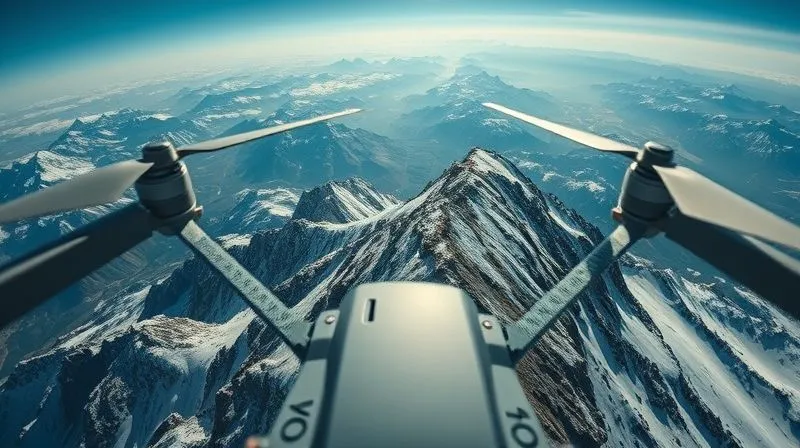
Drones are becoming increasingly sophisticated and are proving to be powerful tools in SAR operations. Equipped with high-resolution cameras, thermal imaging, and even payload delivery capabilities, they can quickly scout vast areas, locate missing persons, and assess terrain that is dangerous or inaccessible to human rescuers. While not yet a standard part of every expedition's gear, their potential in remote high-altitude scenarios is immense, especially for initial search efforts.
Telemedicine in Remote Settings
The ability to consult with a doctor remotely can be a game-changer. Services offering telemedicine for wilderness expeditions allow your medical lead to describe symptoms, relay vital signs, and even send images or videos to a qualified physician. This can help confirm diagnoses, guide treatment, and inform the decision to evacuate. It's a powerful adjunct to on-ground medical skills, providing expert guidance when professional medical help is days away.
Frequently Asked Questions (FAQ)
How critical is pre-acclimatization for preventing emergencies? Pre-acclimatization is absolutely critical. Gradual ascent, adequate hydration, and avoiding overexertion are your best defenses against altitude sickness, which is a leading cause of emergencies on high-altitude treks. A well-planned itinerary that includes rest days and 'climb high, sleep low' strategies significantly reduces risk and can prevent many medical evacuations. It buys you time and prepares your body.
What if satellite communication devices fail or lose signal? This is why redundancy is key. Always carry multiple, independent communication devices and know how to operate each. If all electronic communication fails, your backup plan might involve sending a runner to the nearest village with a pre-written message, or relying on visual signals (like ground-to-air signals for aircraft). Having a pre-arranged 'check-in' schedule with your base contact can also trigger a response if you miss a scheduled call.
How do I choose the right travel insurance for high-altitude treks? Choosing the right insurance requires careful scrutiny. Look for policies that explicitly cover 'high-altitude trekking' or 'mountaineering' up to your planned maximum elevation. Ensure it includes comprehensive emergency medical evacuation, including helicopter rescue, with sufficient coverage limits. Read the fine print for exclusions related to specific activities, pre-existing conditions, or geographical areas. Don't just tick a box; understand your coverage.
What is the role of a local guide or porter in an emergency? Local guides and porters are invaluable assets. They possess intimate knowledge of the terrain, local customs, weather patterns, and often have established relationships with local communities and rescue services. In an emergency, they can provide critical logistical support, act as translators, assist with ground evacuations, and guide external rescue teams to your location. Treat them as integral members of your team and involve them in your emergency planning.
Can I self-evacuate a patient in a high-altitude emergency? Self-evacuation should only be attempted if the patient's condition is mild, stable, and allows for controlled descent, and if external help is either unavailable or would take too long to arrive. For severe cases, especially HACE or HAPE, immediate, controlled descent is paramount, but often requires assistance. Attempting to move a severely ill patient without proper support or equipment can worsen their condition or endanger the rescuers. Always prioritize patient safety and the safety of the rescue team.
Key Takeaways and Final Thoughts
Coordinating a remote emergency evacuation on high-altitude treks is arguably the most challenging aspect of expedition leadership. It demands meticulous planning, robust systems, and a calm, decisive approach when chaos threatens to engulf everything.
- Prioritize Pre-Expedition Planning: A thorough risk assessment, medical screening, and a detailed, rehearsed evacuation plan are your bedrock.
- Build Redundant Communication: Never rely on a single device; satellite phones, messengers, and PLBs are essential for your lifeline to the outside world.
- Invest in Medical Training & Kits: Wilderness First Responder (WFR) certification and a specialized medical kit are non-negotiable for on-ground care.
- Establish Clear Protocols: Know when and how to trigger an evacuation, and ensure your base contact is fully equipped to coordinate external resources.
- Embrace Technology: Leverage GPS mapping, drones, and telemedicine to enhance situational awareness and response capabilities.
- Cultivate Strong Leadership: Maintain calm, delegate roles, and provide post-evacuation support to mitigate the psychological impact on your team.
Remember, the mountains are unforgiving, but they also reward careful preparation and respect. By implementing these strategies, you're not just preparing for the worst; you're building a foundation of confidence and capability that allows you and your team to safely explore the world's most breathtaking high-altitude landscapes. Stay safe, plan diligently, and trek wisely.
Recommended Reading
- Secure Your Sleep: Top Tips for Safe Overnight Rest Stop Parking
- Unlock the Secrets: Your Ultimate Guide to Sustainable Volunteer Trips
- Unlock Your Best Cruise: How to Master Your Entertainment Schedule
- Solo & Social: Your Guide to the Best International Festivals
- Unraveling the Truth: Are Space Tourism Safety Regulations Ready for Blast-Off?


Your email address will not be published. Required fields are marked *