

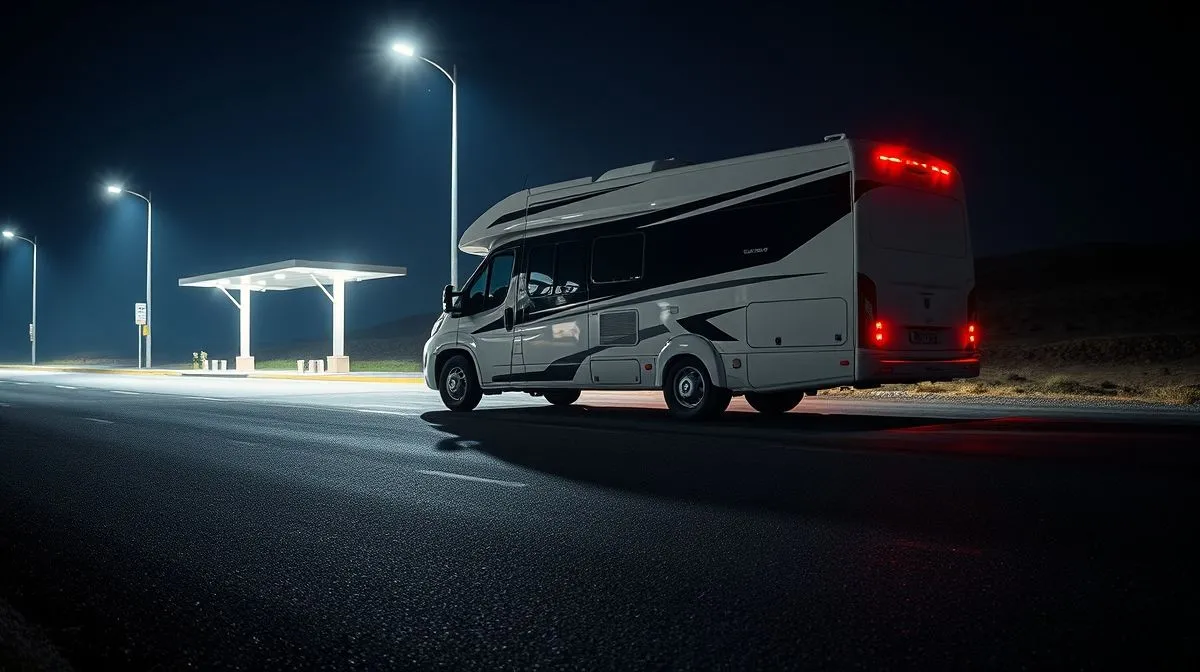
Navigating the Night: Tips for Safe Overnight Rest Stop Parking
The open road calls to many, promising adventure, freedom, and the thrill of discovery. Yet, as the sun dips below the horizon, a common concern often surfaces for travelers: where to safely stop for the night. The allure of a convenient rest stop can quickly turn into anxiety if you're unprepared for the potential vulnerabilities of overnight parking.
Many travelers, from long-haul truckers to families on vacation and solo adventurers, face the dilemma of finding a secure place to rest. The question isn't just about legality, but about personal safety, vehicle security, and achieving a restful sleep in an unfamiliar environment. This challenge is amplified by varying state regulations, the isolated nature of some stops, and the unfortunate reality of opportunistic crime.
This comprehensive guide offers definitive tips for safe overnight rest stop parking, empowering you with the knowledge and strategies to transform potential anxiety into peace of mind. By the end of this reading, you'll be equipped with actionable advice on everything from pre-trip planning and strategic parking to enhancing vehicle security and understanding emergency protocols, ensuring your road trips remain enjoyable and secure.
Understanding Rest Stop Regulations and Risks
Before you even consider pulling over for the night, it’s crucial to understand the landscape of rest stop regulations and the inherent risks. Rules vary significantly from state to state, and even within different jurisdictions of the same state. Ignorance of these laws can lead to fines, unwanted disturbances, or worse, putting your safety at risk.
Legalities of Overnight Parking
Most state-run rest areas are intended for short-term stops, typically limited to a few hours. While some states explicitly prohibit overnight parking, others have more ambiguous rules or allow it for a specific duration, like 8 hours. It's rare to find a rest stop designed for extended overnight stays, especially for recreational vehicles or cars, unlike dedicated campgrounds or truck stops.
- Research State Laws: Always check the Department of Transportation (DOT) website for the states you plan to travel through. Look for specific regulations regarding rest area usage and overnight parking.
- Look for Signage: Upon entering a rest stop, always look for signs explicitly stating parking limits or prohibitions on overnight stays. These signs are your primary indicator.
- Consider Alternatives: If overnight parking is prohibited or unclear, be prepared to seek out alternatives like truck stops, Walmart Supercenters (with permission), or private campgrounds.
Common Risks and How to Spot Them
Even in areas where overnight parking is permitted, rest stops are not immune to crime. The transient nature of these locations can attract individuals looking for easy targets. Being aware of these risks helps you make informed decisions about where and how you stop.
- Theft: Vehicles, especially those that appear unattended or valuable, can be targets for break-ins.
- Personal Safety: While rare, personal assaults can occur, particularly in isolated or poorly lit areas.
- Vehicle Damage: Accidents can happen, especially in crowded rest stops with large vehicles maneuvering.
- Unwanted Interactions: You might encounter panhandlers, solicitors, or individuals with questionable intentions.
A good rule of thumb is to trust your instincts. If a rest stop feels off, or if you notice suspicious activity, it’s always best to move on. Your safety is paramount.
Pre-Trip Planning for Peace of Mind
The foundation of safe overnight rest stop parking isn't laid when you pull into a spot; it begins long before you even leave your driveway. Thorough pre-trip planning is an indispensable step that significantly reduces risks and enhances your overall security.
Researching Your Stops
Gone are the days of relying solely on roadside signs. Modern technology offers a wealth of information at your fingertips, allowing you to vet potential rest stops before you arrive.
- Online Reviews and Forums: Websites like iExit, AllStays, or even Google Maps reviews often contain user comments about rest stop safety, cleanliness, and amenities. Look for recent reviews mentioning security concerns or positive experiences for overnight stays.
- Satellite Views: Use satellite imagery on mapping apps to examine the layout of a rest stop. Look for lighting, visibility from the main road, and the proximity of other businesses or residences.
- Government Resources: State DOT websites often provide information about rest area facilities, including operating hours and specific regulations. For general road safety information, resources like the National Highway Traffic Safety Administration (NHTSA) can be invaluable.
Vehicle Preparation and Maintenance
A well-maintained vehicle is not just about avoiding breakdowns; it's a critical component of your safety strategy. A reliable vehicle means you won't be stranded in a vulnerable location.
- Routine Checks: Before any long trip, ensure your tires, brakes, lights, and fluids are in excellent condition. A breakdown at a remote rest stop is a significant safety hazard.
- Full Tank: Always aim to have a near-full tank of gas when you plan to stop for the night. This ensures you can easily leave if a location feels unsafe and reduces the need to visit a gas station immediately upon waking.
- Emergency Kit: Stock your vehicle with an emergency kit that includes a first-aid kit, jumper cables, a flashlight with extra batteries, blankets, non-perishable food, and ample water.
- Communication Devices: Ensure your phone is fully charged and consider carrying a portable power bank. Have a list of emergency contacts readily available, perhaps even a satellite messenger for truly remote areas.
Being proactive about your vehicle's readiness provides a crucial layer of security, allowing you to focus on the immediate environment rather than potential mechanical failures.
Strategic Arrival and Parking Techniques
Once you've chosen a rest stop, your arrival and parking strategy are paramount to maximizing your safety. It's not just about finding an empty spot; it's about intelligent placement that enhances your visibility and options.
Arriving Before Dark
One of the most important tips for safe overnight rest stop parking is to arrive while it's still daylight. Navigating an unfamiliar rest area in the dark significantly limits your ability to assess the environment and identify potential risks.
- Visual Assessment: Daytime arrival allows you to visually inspect the rest stop for adequate lighting, the presence of security cameras (if any), and the general activity level.
- Spotting Suspicious Activity: It's easier to notice loiterers, unusual vehicles, or other red flags when you have good visibility.
- Optimal Parking Selection: You can better evaluate parking spots for safety features like proximity to other vehicles, visibility, and ease of exit.
Choosing the Right Spot
Not all parking spots are created equal. Your choice of parking location can drastically impact your security.
- Well-Lit Areas: Always prioritize parking under bright lights. Criminals prefer the cover of darkness.
- Proximity to Activity: Park near other occupied RVs or trucks, or close to the main rest stop building where there's more foot traffic and visibility. Avoid isolated corners or very remote spots.
- Avoid Overhanging Trees: While shade is nice during the day, large trees can obscure lighting and provide cover for someone approaching your vehicle at night.
- Surface and Levelness: Ensure the spot is level for comfortable sleep and on a solid surface, especially if it has been raining, to avoid getting stuck.
Parking for Quick Exit
The ability to leave quickly if a situation feels unsafe is a critical safety measure. Always consider your escape route.
- Forward Facing: Whenever possible, park facing the exit. This eliminates the need to back up, saving precious seconds if you need to depart rapidly.
- No Obstructions: Ensure your path to the exit is clear of any potential obstructions, such as other vehicles, trees, or light poles.
- Don't Get Boxed In: Avoid parking in a spot where other vehicles could easily block you in, particularly large trucks in dedicated truck parking areas.
Enhancing Vehicle Security
Even with the best planning and parking, your vehicle remains your primary sanctuary. Implementing robust security measures can deter potential threats and provide an extra layer of protection during your overnight stay.
Layered Security Measures
Think of vehicle security as a series of layers, each designed to make your vehicle less appealing as a target or harder to access.
- Lock All Doors and Windows: This is the most basic, yet most important step. Double-check all entry points before settling in.
- Steering Wheel Lock: A visible steering wheel lock can be a strong deterrent, signaling to potential thieves that your vehicle is not an easy target.
- GPS Tracker: Consider installing a hidden GPS tracker in your vehicle, especially if you carry valuable equipment. This can aid in recovery if your vehicle is stolen.
- Dash Cam: A dash cam with parking mode can record activity around your vehicle, providing evidence in case of an incident.
Window Coverings and Valuables
What's visible inside your vehicle can either invite trouble or deter it. Managing visibility is key.
- Opaque Window Coverings: Use blackout curtains, reflective sunshades, or even dark towels to cover all windows. This prevents outsiders from seeing into your vehicle, protecting your privacy and hiding any valuables.
- Hide Valuables: Never leave electronics, bags, wallets, or other tempting items in plain sight. Stow them away in locked compartments, under seats, or in the trunk. If it's not visible, it's less likely to be targeted.
- Exterior Appearance: While not always possible, try to make your vehicle look less like an easy target. Avoid leaving camping gear or other items visibly accessible on the exterior.
Alarms and Monitoring
Modern technology offers several tools to enhance your vehicle's active security.
- Car Alarm: Ensure your car alarm is armed. If your vehicle has a shock sensor, make sure it's active.
- Motion Sensors: Some RVs and vans can be equipped with interior motion sensors that trigger an alarm if someone enters the vehicle.
- Portable Security Lights: Small, battery-operated motion-activated lights placed inside your vehicle can startle potential intruders if they manage to open a door.
- Personal Alarm: Keep a loud personal safety alarm or whistle within reach. This can be used to attract attention and deter an attacker.
Personal Safety and Situational Awareness
Beyond vehicle security, your personal awareness and preparedness are critical. Maintaining situational awareness and trusting your instincts are powerful tools in preventing incidents during your overnight rest stop parking.
Trusting Your Gut
Your intuition is a powerful warning system. If a situation or a person makes you feel uneasy, listen to that feeling.
- Assess the Environment: Before you even commit to parking, take a moment to observe the overall atmosphere. Are there suspicious vehicles? Are people loitering? Does the lighting feel adequate?
- If in Doubt, Move On: It's always better to drive a few extra miles to find a more suitable or safer location than to spend a night feeling vulnerable. There's no shame in changing your plans for safety.
- Avoid Confrontation: If someone approaches your vehicle in a way that makes you uncomfortable, do not engage. Lock your doors, avoid eye contact, and be prepared to leave.
Emergency Preparedness
Having a plan for emergencies, even if you hope never to use it, significantly reduces panic and improves response time.
- Emergency Contacts: Program emergency numbers (local police, roadside assistance, trusted family/friends) into your phone's speed dial.
- Escape Plan: Mentally rehearse how you would exit your vehicle and the rest stop if an emergency arises. Keep keys and phone easily accessible.
- Self-Defense Tools: While not universally recommended, some travelers choose to carry non-lethal self-defense items like pepper spray. Ensure you understand the legalities and proper use of any such item.
Interaction with Others
While most people at rest stops are fellow travelers, it's wise to be cautious about interactions.
- Keep a Low Profile: Avoid drawing unnecessary attention to yourself or your vehicle. Don't display large amounts of cash or valuables.
- Limit Conversations: Be polite but brief if approached by strangers. Avoid sharing personal details about your travel plans or where you're sleeping.
- Buddy System (if applicable): If traveling with others, establish a buddy system for restroom breaks or walks around the rest stop.
Alternative Overnight Parking Options
While this guide focuses on tips for safe overnight rest stop parking, it's important to acknowledge that rest stops aren't always the best or safest option. Exploring alternatives can provide greater peace of mind and often, better amenities.
Truck Stops and Travel Centers
These commercial establishments are often a safer bet than state-run rest areas, particularly for larger vehicles like RVs.
- Dedicated Parking: Many truck stops have designated parking for RVs and cars, often separate from the noisy truck parking.
- Amenities: They offer restrooms, food, showers, and often 24/7 staffing, which adds a layer of security.
- Lighting and Surveillance: Truck stops are typically well-lit and may have security cameras.
- Noise: Be prepared for noise from idling trucks, especially in areas not separated from truck parking.
Walmart and Other Retailers
Many large retailers, particularly Walmart Supercenters, have a long-standing tradition of allowing RVers and travelers to park overnight in their lots.
- Permission is Key: Always, always ask the store manager for permission before parking. Policies vary by location and can change.
- Security: While not always present, the constant activity and presence of staff can offer a sense of security. Some stores have security patrols.
- Amenities: Access to restrooms (during store hours) and food is a major benefit.
- Not a Campsite: Remember you are a guest. Do not set up camp (no awnings, grills, or excessive noise).
Campgrounds and RV Parks
For guaranteed security and amenities, nothing beats a dedicated campground or RV park. These are designed for overnight stays and offer the highest level of safety and comfort.
- Security: Many have gated access, security patrols, and dedicated staff.
- Amenities: Full hookups (water, electricity, sewer), showers, restrooms, laundry facilities, and often recreational areas.
- Cost: The primary downside is the cost, which can range from modest to expensive depending on the location and amenities.
- Reservations: Especially during peak season, reservations are often necessary.
What to Do in an Emergency
Despite all precautions, emergencies can happen. Knowing how to react calmly and effectively is crucial for your safety and the safety of your companions.
Contacting Authorities
If you feel threatened or witness a crime, immediate action is necessary.
- Call 911: For any immediate threat, crime in progress, or serious medical emergency, call 911 (or your local emergency number). Provide your exact location (mile marker, highway, rest stop name) and a clear, concise description of the situation.
- Non-Emergency Police: For non-urgent issues, like suspicious activity that isn't an immediate threat, find the non-emergency number for local law enforcement.
- Roadside Assistance: If your vehicle breaks down and you're in a vulnerable spot, contact your roadside assistance provider immediately.
Evacuation Procedures
Having a mental (or even physical) escape plan can save lives.
- Keys and Phone Ready: Always keep your car keys and phone within arm's reach when sleeping.
- Quick Start: Practice starting your vehicle and putting it in gear quickly.
- Exit Strategy: Know your exit route from the rest stop. If you've parked facing the exit, this will be much easier.
- Drive to Safety: If you feel unsafe, drive to the nearest well-lit, populated area, like a gas station, 24-hour convenience store, or police station. Do not stop until you feel secure.
Remember, your safety is the priority. Possessions can be replaced, but your well-being cannot.
Frequently Asked Questions (FAQ)
Is it legal to sleep in a rest stop overnight? The legality of sleeping overnight at rest stops varies widely by state. Many states prohibit it or limit parking to a few hours, while some may allow it for a specific duration. Always check the state's Department of Transportation (DOT) website or look for posted signs at the rest stop.
How can I tell if a rest stop is safe? Look for well-lit areas, the presence of other occupied vehicles (especially RVs or trucks), and a general sense of activity. Avoid isolated or poorly maintained rest stops. Trust your gut feeling – if it feels unsafe, it likely is. Online reviews and satellite views can also provide insights before you arrive.
What should I do if I feel unsafe while parked overnight? If you feel unsafe, do not hesitate to leave. Lock your doors, start your vehicle, and drive to the nearest well-lit and populated area, such as a 24-hour gas station, truck stop, or police station. If there's an immediate threat, call 911.
Are truck stops safer than rest stops for overnight parking? Generally, yes. Truck stops and travel centers are often better lit, have more people around (including staff), and offer amenities like restrooms and food, which can contribute to a safer environment. They are designed for longer stays for commercial drivers, often implicitly accommodating others.
Can I get a ticket for overnight parking at a rest stop? Yes, if overnight parking is prohibited or if you exceed the posted time limits, you can receive a ticket. Enforcement varies, but it's always best to adhere to the rules to avoid fines and potential disturbances.
Recommended Reading
- Unlock Winter Fun: Your Guide to Non-Skiing Destinations
- Wide Feet? The Best Rock Climbing Shoes for Beginners Revealed!
- The Ultimate Guide: How to Stay Safe at Multi-Day Dance Festivals
- Solo Female Foodie? Best Street Food Cities Await Your Taste Buds!
- Unveiling the Hidden Health Effects of Private Space Travel: Are You Ready?
Conclusion
The journey on the open road offers unparalleled freedom, but it also demands an intelligent approach to safety, especially when it comes to finding a secure place to rest. By understanding state regulations, embracing proactive planning, employing strategic parking techniques, and enhancing your vehicle's security, you can significantly mitigate the risks associated with overnight rest stop parking. Remember to always prioritize your personal safety, trust your instincts, and be prepared for any eventuality. With these comprehensive tips for safe overnight rest stop parking, you're not just preparing for a trip; you're investing in peace of mind, ensuring that every leg of your adventure, including your rest, is as safe and enjoyable as the destination itself. Drive safely, sleep soundly, and let the road lead you to unforgettable experiences.

Your email address will not be published. Required fields are marked *