

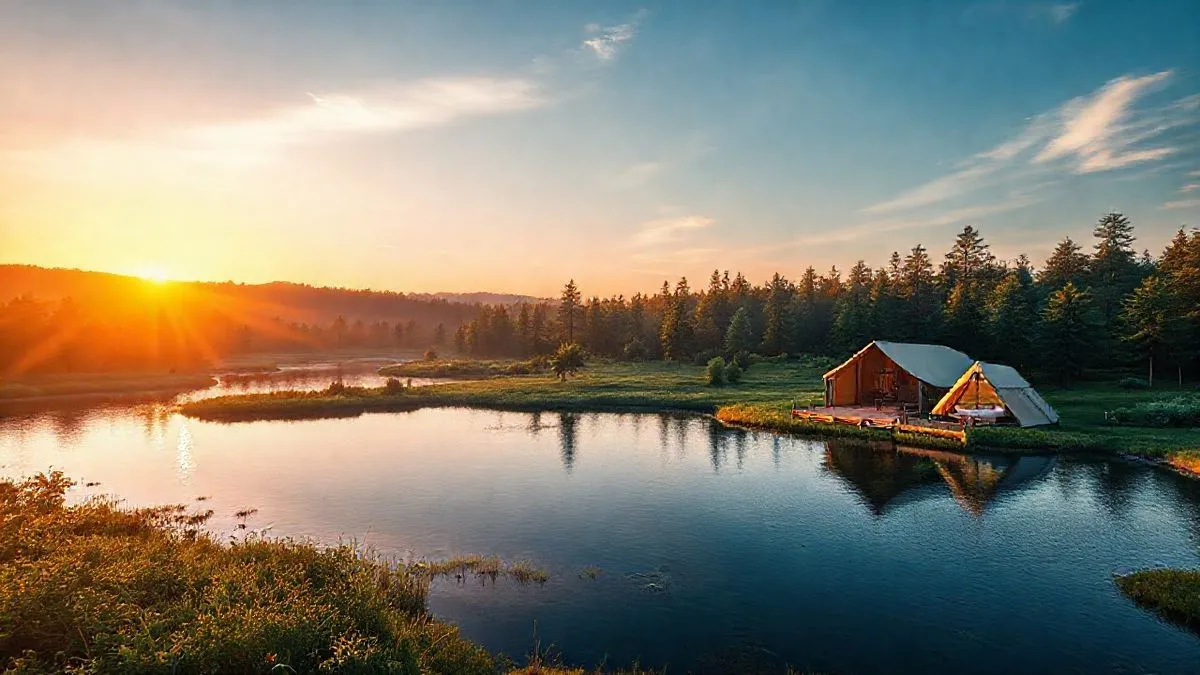
How to Design Authentic Deep Nature Immersion Glamping?
Designing for authentic deep nature immersion glamping is far more nuanced than simply placing a luxurious tent in a scenic spot. In my fifteen years in this evolving industry, I've learned that it's about curating an experience where the guest feels not just *in* nature, but an integral part of it, with minimal intervention and maximum sensory engagement. It demands a holistic approach, starting from the very first thought about a site.
The foundation of any truly immersive glamping experience lies in **site selection**. This isn't merely about finding a beautiful view; it's about identifying a location with unique ecological characteristics, a sense of profound solitude, and natural features that can be respectfully integrated into the design. A common mistake I see is prioritizing accessibility or existing infrastructure over the raw, untouched potential of a site.
When scouting, consider these critical elements:
- Ecological Sensitivity: What flora and fauna are present? How can the structure minimize disturbance to their habitats? This dictates everything from foundation type to lighting choices.
- Natural Soundscapes: Are there natural sounds – a babbling brook, rustling leaves, birdsong – that can enhance the experience? Conversely, are there disruptive noises like distant roads or farm machinery?
- Privacy and Seclusion: Deep immersion requires a sense of being truly alone with nature. Each unit must offer unobstructed views and a feeling of individual sanctuary.
- Elemental Exposure: How does the sun track across the site? What are the prevailing wind patterns? Can you leverage a natural overhang, a rock formation, or a stand of ancient trees for shade or shelter?
- Water Features and Views: A vista, a river, or even a small spring can dramatically elevate the sensory experience, offering both visual appeal and soothing auditory elements.
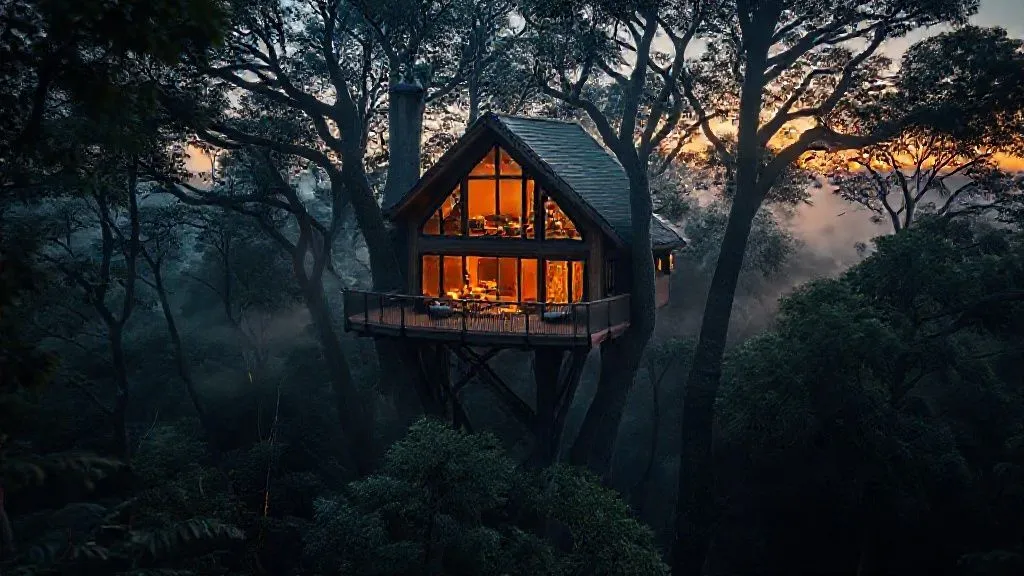
Once the perfect site is chosen, the architectural design of the glamping structure itself becomes paramount. Here, the goal is **biomimicry and transparency**. The structure should feel like an extension of the landscape, not an imposition upon it. This often means embracing unconventional forms and materials that harmonize with the surroundings.
For the structure and interior, I advocate for:
- Low-Impact Footprint: Elevated platforms or minimal foundations reduce ground disturbance. Think of structures that float above the terrain rather than digging into it.
- Natural, Local Materials: Whenever possible, utilize locally sourced timber, stone, or even recycled materials that reflect the regional ecosystem. This connects the guest more deeply to the place.
- Expansive Views: Large, strategically placed windows, retractable walls, or even open-air sections blur the lines between inside and out. The goal is to bring the forest, mountain, or desert *into* the living space.
- Sensory Integration: Design elements that allow the scent of pine, the sound of rain, or the touch of raw wood to permeate the space. It’s about stimulating all senses, not just sight.
The interior design then becomes a further extension of this philosophy. It's not about replicating a five-star hotel room; it’s about providing **uncompromising comfort within a raw, natural aesthetic**. Every item should feel thoughtfully chosen to enhance the immersion, never to distract from it.
Consider these interior design principles:
- Earthy Color Palettes: Draw inspiration directly from the surrounding landscape – greens, browns, grays, and muted blues. Avoid jarring, artificial colors.
- Tactile Textures: Use natural fibers like linen, wool, cotton, and raw wood. These invite touch and ground the guest in the natural world.
- Thoughtful Lighting: Warm, dimmable lighting that mimics natural light cycles. Avoid harsh overhead lights. Incorporate options for stargazing, like skylights or outdoor lanterns.
- Minimalism with Purpose: Declutter the space. Each piece of furniture or decor should serve a function or enhance the aesthetic connection to nature. Less is truly more when the "artwork" is the view outside.
- High-Quality Essentials: While minimalist, never compromise on a comfortable bed, luxurious bedding, or a well-designed bathing area. These are the "glam" elements that elevate the experience.
Finally, the true depth of immersion comes from **experiential design** – what guests *do* and *feel* beyond the confines of their structure. This includes curated activities, thoughtful amenities, and a narrative that encourages connection and introspection.
Think about:
- Curated Nature Activities: Guided forest bathing, stargazing sessions with telescopes, foraging walks, or silent meditation spots. These deepen the connection to the specific location.
- Outdoor Living Spaces: A well-designed fire pit area, comfortable outdoor seating, and perhaps an outdoor shower or bath tub, all encourage guests to spend more time outside.
- Self-Sufficiency & Education: Integrating subtle elements of sustainable living, like composting toilets, rainwater harvesting systems, or solar power, can educate guests about their impact and connection to resources.
In my experience, the most successful deep nature glamping isn't about escaping *from* the wild, but about escaping *into* it, with comfort as a bridge rather than a barrier. It’s about fostering a profound sense of place and presence.
Ultimately, designing for authentic deep nature immersion is about humility and respect for the environment. It's about stepping back and letting nature be the star, while providing a comfortable, luxurious, and mindful way for guests to truly connect with it. It’s a delicate balance, but one that yields unparalleled experiences and fosters a deeper appreciation for our wild spaces.
What materials are best for eco-friendly glamping structures?
Choosing the right materials for your glamping structures is perhaps the most fundamental decision in designing an authentic, deep nature experience. In my fifteen years of developing and operating eco-conscious glamping sites, I've learned that it's not just about what looks natural, but what truly minimizes impact from cradle to grave.The goal is to select materials that offer a harmonious blend of durability, aesthetic appeal, and minimal environmental footprint. This means looking beyond initial cost to consider the energy expended in production, transportation, installation, and ultimately, disposal.
"True eco-friendly design isn't just about what you see; it's about the invisible journey of every fiber and beam, from its origin to its end-of-life."
Let's break down the categories of materials that consistently prove best for eco-friendly glamping, focusing on practical application.
1. Renewable and Sustainably Sourced Natural Materials: These are often the first choice for good reason, but careful selection is paramount.
- FSC-Certified Timber: For structural elements, platforms, and interior finishes, wood remains a champion. Opt for FSC-certified timber like cedar, pine, or even engineered wood products. Cedar, for instance, offers natural resistance to rot and insects, extending its lifespan without chemical treatments.
- Organic Canvas and Natural Fabrics: For tent structures, organic cotton or hemp canvas is superior to synthetic blends. These materials are breathable, reducing condensation, and they biodegrade at the end of their life. In my experience, the feel of natural canvas inside a bell tent or safari tent significantly enhances the guest's connection to nature.
- Bamboo: As one of the fastest-growing plants on Earth, bamboo is an incredible renewable resource. It offers excellent structural strength and a unique aesthetic. I've used laminated bamboo panels for flooring and even as decorative wall elements in more permanent glamping cabins, adding both durability and a touch of exotic elegance.
2. Recycled and Upcycled Content: Giving new life to discarded materials dramatically reduces waste and resource consumption.
- Recycled PET Fabrics: While I champion natural canvas, for certain applications like external flysheets or ground tarps where extreme durability and water resistance are key, recycled PET (from plastic bottles) can be a responsible choice. It diverts plastic from landfills and oceans, but always ensure it's high quality to prevent microplastic shedding.
- Reclaimed Wood and Salvaged Materials: Sourcing local reclaimed barn wood, old fence posts, or even railway sleepers for non-structural elements or aesthetic features adds immense character and reduces demand for new timber. This is where storytelling really begins; each piece has a history.
- Reused Metal Components: For more industrial-chic glamping designs, consider reclaimed corrugated iron for cladding or even upcycled shipping containers for modular units. The inherent durability and existing structure of these materials can significantly reduce the need for new construction materials, though careful insulation is critical for thermal comfort.
3. Low-Impact and Innovative Materials: These often address specific challenges or offer superior performance with reduced environmental cost.
- Natural Insulation: Materials like sheep's wool, hemp fiber, or recycled denim provide excellent thermal and acoustic insulation without the toxic off-gassing associated with some synthetic foams. This creates a healthier indoor environment, crucial for a deep nature experience.
- Eco-Friendly Sealants and Finishes: It's not just the primary building materials; the glues, paints, and sealants matter too. Opt for low-VOC (Volatile Organic Compound) or zero-VOC options. Natural oils and waxes, for instance, protect wood surfaces beautifully while remaining non-toxic.
- Permeable Ground Coverings: Around your structures, consider permeable materials like gravel, wood chips, or permeable pavers. This allows rainwater to infiltrate the ground naturally, reducing runoff and supporting the local ecosystem, a detail often overlooked but vital for long-term site health.
A common mistake I see is a singular focus on a "natural" label without considering the full lifecycle. For instance, a beautifully crafted yurt made from local, sustainably harvested wood is excellent. However, if that yurt's canvas cover needs replacing every three years due to poor quality or lack of UV protection, its overall environmental impact can quickly exceed a more durable, albeit less "natural," alternative with a 15-year lifespan.
Ultimately, the "best" materials are those that are durable, locally sourced whenever possible to minimize transportation emissions, and have a clear, responsible end-of-life plan. Longevity is perhaps the most eco-friendly attribute of all; a structure that stands strong for decades is far better than one requiring frequent replacement.
How can I integrate local culture and wildlife into my glamping design?
Integrating local culture and wildlife isn't merely an aesthetic choice; it's the bedrock of truly authentic deep nature glamping. In my fifteen years, I've seen that the most impactful and memorable experiences stem from a genuine, respectful immersion into the local ecosystem and community. This isn't about token gestures, but about weaving the spirit of the place into every fiber of your design and operation. A common mistake I see is the superficial application of local motifs, perhaps a few craft items bought from a tourist market. True cultural integration goes much deeper, demanding respect, partnership, and an understanding of the region's soul. It's about creating a narrative that guests can participate in, enriching their understanding and connection. Here are concrete ways to integrate local culture into your glamping design: * **Architectural Authenticity:** Utilize local building materials and traditional construction techniques wherever feasible. This could mean incorporating adobe in arid regions, specific timber framing in forested areas, or even the subtle curvature of a traditional dwelling. * **Artisan Collaboration & Storytelling:** Partner with local artisans to furnish and decorate your accommodations. Commission bespoke textiles, pottery, or carvings that reflect indigenous patterns and stories. Each piece then becomes a conversation starter, a tangible link to the community. * **Culinary Immersion:** Design culinary experiences that celebrate local foodways. Offer cooking classes with community members, source ingredients directly from local farms, and feature traditional recipes that tell a story of the land and its people. This transforms dining into a cultural journey. * **Community Engagement & Employment:** Actively employ and train local staff, offering fair wages and opportunities for growth. This not only supports the economy but also ensures your guests interact with true custodians of the culture, gaining authentic insights. * **Experiential Programming:** Develop activities led by local experts, such as guided nature walks by indigenous trackers, traditional music performances, or storytelling sessions around a campfire. These are not just activities; they are windows into a living heritage."Authentic cultural integration isn't about bringing the world to your glamp site; it's about bringing your guests deeply into the world of your site."When it comes to wildlife, our role as glamping operators shifts from mere observers to active stewards. It's about designing an environment where human presence is not just tolerated but actively contributes to the well-being and preservation of local fauna and flora. This requires careful planning and a deep understanding of the ecosystem. Consider these strategies for integrating local wildlife responsibly: * **Habitat Preservation and Enhancement:** Prioritize minimal disturbance during construction. Plant native flora that provides food and shelter for local wildlife, creating ecological corridors and supporting pollinator populations. This transforms your site into a mini-nature reserve. * **Low-Impact Design and Lighting:** Implement elevated structures to minimize ground disturbance, use permeable surfaces, and employ dark-sky compliant lighting. This reduces light pollution, allowing nocturnal animals to thrive and enhancing star-gazing for guests. * **Responsible Wildlife Viewing Protocols:** Establish clear guidelines for guests, emphasizing observation from a distance, never feeding animals, and respecting quiet hours. Provide educational materials on local species, their behaviors, and conservation needs. * **Partnerships with Conservation Groups:** Collaborate with local wildlife sanctuaries, research institutions, or conservation organizations. This can involve contributing to their efforts, hosting educational workshops, or even participating in citizen science projects that guests can join. * **Minimizing Human-Wildlife Conflict:** Implement waste management systems that prevent animals from accessing food sources, and design structures that deter pests humanely. Understanding local species' habits is crucial to preventing negative interactions. In my experience, a glamping site that thoughtfully integrates both local culture and wildlife offers an unparalleled depth of immersion. It moves beyond a mere luxury stay, providing a transformative experience that educates, inspires, and fosters a profound connection to both the natural world and the human stories intertwined within it.
What are common mistakes to avoid when designing nature immersion glamping?
Having spent over fifteen years immersed in the evolution of glamping, I've observed a recurring set of missteps that can inadvertently sabotage the very essence of deep nature immersion. These aren't always obvious oversights; often, they stem from well-intentioned but misguided design choices.
A common mistake I frequently encounter is the tendency towards over-glamorization at the expense of genuine connection. Designers, in a bid to offer unparalleled luxury, sometimes inadvertently create a barrier between the guest and the wild.
Think of it this way: if your glamping unit feels like a five-star hotel room simply dropped into a forest, complete with excessive artificial lighting and climate control that isolates guests from ambient temperatures, you've missed the point. The goal isn't just comfort; it's *comfort within context*.
- Solution: Prioritize natural materials that blend seamlessly, incorporate large, operable windows or mesh walls, and design for passive climate control. Allow nature's sounds and scents to permeate, rather than be entirely shut out.
- Example: I once visited a site where the 'luxury tent' had solid, insulated walls and a heavy, sealed door, effectively turning it into a cabin. While comfortable, it completely negated the feeling of being in a tent, losing that crucial permeable boundary with nature.
Another significant pitfall is the disregard for the local ecosystem and its unique character. Many designers make the mistake of imposing a generic glamping aesthetic without truly understanding the flora, fauna, and geological nuances of the chosen site.
This isn't just about sustainability; it's about authenticity. An African safari tent might look stylish, but if you're placing it in a temperate rainforest, you're creating a jarring, incongruous experience that feels artificial and disrespectful to the landscape.
"Authentic immersion demands that your structure whisper to the land, not shout over it."
- Solution: Conduct thorough site surveys – not just for buildability, but for ecological and cultural integration. Use local, sustainable materials, draw inspiration from indigenous architecture, and design *around* existing natural features rather than clearing them.
- Example: I championed a project where the design team spent weeks observing sun paths, prevailing winds, and animal trails before a single stake was driven. This led to units strategically placed to maximize natural light and airflow, and to offer unobscured views of wildlife corridors without disturbing them.
A third error, often subtle but profoundly impactful, is the superficial approach to sensory design. True immersion engages all five senses, yet many designs focus almost exclusively on visual aesthetics, neglecting the powerful roles of sound, smell, touch, and even taste (through local foraging experiences or cuisine).
If your glamping site is beautiful but devoid of the rustle of leaves, the scent of pine, or the feel of natural textures, it's missing depth. Guests will feel like observers, not participants, in the natural world.
- Solution: Design for soundscapes – minimize artificial noise, consider water features or wind chimes that harmonize with nature. Introduce aromatic plants, use tactile materials like rough-hewn wood or natural fibers. Offer guided sensory walks or wild food tasting experiences.
- Analogy: Imagine visiting a glamping site where you can only *see* the forest, not hear the birdsong, smell the damp earth after rain, or feel the cool morning mist. It's like watching a silent movie of a symphony.
Finally, a critical oversight that can undermine even the best physical design is the failure to adequately prepare guests for the immersion experience. Many operators assume guests understand the nuances of deep nature glamping, leading to mismatched expectations and potential discomfort.
When guests arrive expecting hotel-level amenities and are unprepared for natural sounds, insects, or varying temperatures, their experience of immersion quickly turns into one of frustration. This isn't about roughing it; it's about setting realistic and exciting expectations.
- Solution: Provide a comprehensive pre-arrival guide detailing what to expect regarding wildlife, weather, light pollution, and the level of 'unplugging'. Offer a suggested packing list tailored to the environment and activities.
- My Recommendation: Frame it positively. Instead of "beware of bugs," say "embrace the symphony of the forest, including its tiny inhabitants." Educate them on how to engage respectfully and safely with the environment.
Reading Recommendations:
- Unlock Your Best Cruise: How to Master Your Entertainment Schedule
- The Secret to Saving Fuel on Extended Cross-Country Drives Revealed!
- 7 Proven Cruise Activities to Combat Executive Burnout Effectively
- Unlock Your Alpine Adventure: The Ultimate Packing Guide for Hut Trips
- Food Photography for Travel Bloggers: Top Tips & Tricks Revealed

Your email address will not be published. Required fields are marked *