

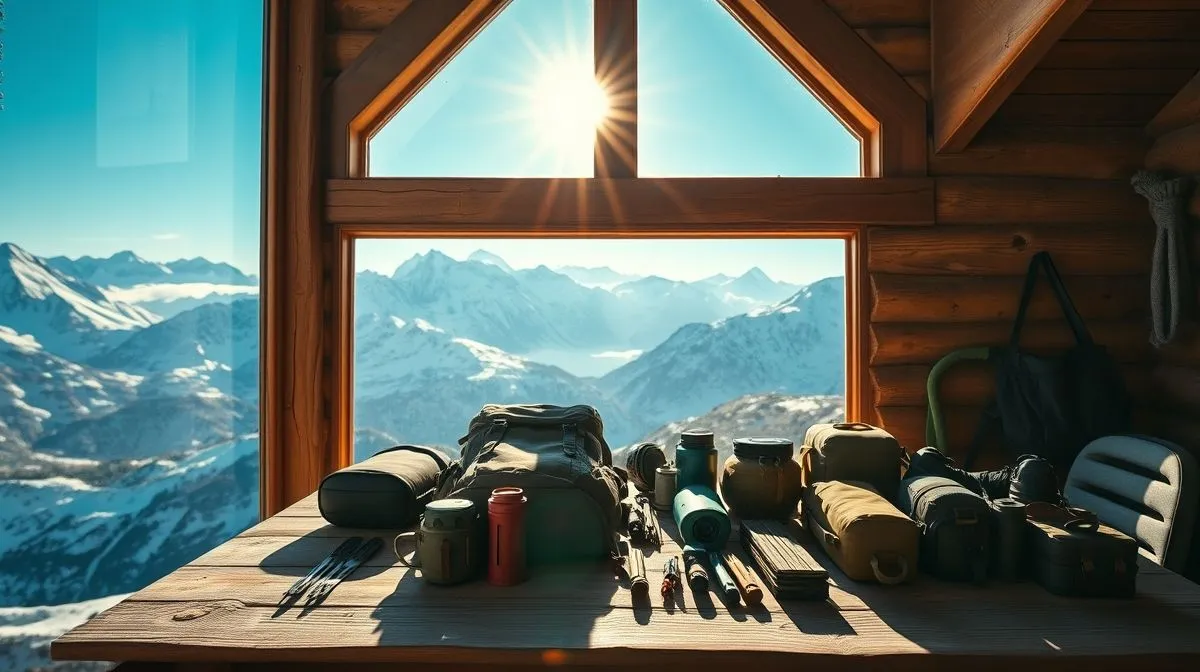
What to Pack for a Multi-Day Alpine Hut Trip? The Definitive Guide
Imagine standing amidst towering peaks, the crisp mountain air filling your lungs, and the promise of a warm, communal shelter awaiting you after a day of exhilarating trekking. This is the magic of a multi-day alpine hut trip – an experience that combines the rugged beauty of the wilderness with the comfort and camaraderie of mountain refuges. But as the dream takes shape, a crucial question emerges: what exactly do you need to bring to ensure safety, comfort, and enjoyment in such an unpredictable environment?
Many aspiring alpine adventurers face a common dilemma: the fear of overpacking, leading to an unnecessarily heavy load, or worse, underpacking, and finding themselves unprepared for the mountain's harsh realities. The unique nature of hut trips, where you carry your essentials but don't need a tent or extensive cooking gear, requires a specialized approach to packing that balances minimalism with preparedness.
This comprehensive guide is designed to demystify the packing process for your next multi-day alpine hut trip. We'll walk you through every essential item, from the critical layers of clothing to vital safety equipment, ensuring you embark on your journey feeling confident, well-equipped, and ready to fully immerse yourself in the breathtaking alpine landscape. By the end of this reading, you'll know exactly how to pack smart, light, and effectively for an unforgettable mountain adventure.
Understanding the Alpine Hut Environment
Before diving into specific items, it’s crucial to understand the unique characteristics of alpine hut environments. These mountain refuges, often perched high in remote areas, provide basic shelter, warmth, and sometimes food. They are not hotels; expect shared dormitories, communal eating areas, and limited amenities. Your packing list must reflect this self-sufficient, yet supported, style of travel.
The Variability of Mountain Weather
One of the most defining aspects of the alpine environment is its unpredictable weather. A clear, sunny morning can quickly give way to sudden thunderstorms, snow, or dense fog. Temperatures can fluctuate wildly, dropping significantly at higher altitudes or after sunset. This volatility dictates a layered clothing system and preparedness for all conditions, even if the forecast seems benign. Always check the local mountain weather forecast before and during your trip for the most up-to-date information. For instance, reputable meteorological services like those provided by national park authorities or specialized alpine weather sites (e.g., MeteoSwiss for the Alps) offer crucial insights.
Hut Facilities and Expectations
Huts typically provide sleeping platforms (often bunk beds), mattresses, and blankets. However, a sleeping bag liner is almost always required for hygiene. Some huts offer meals, but it's wise to carry emergency food or snacks. Water sources might be limited to collected rainwater or meltwater, so purification methods are often necessary if you plan to refill away from the hut. Understanding these realities helps you avoid bringing unnecessary items while ensuring you have what's truly essential.
The Essential Backpack: Your Mobile Base
Your backpack is more than just a bag; it's your mobile basecamp for the duration of the trip. Choosing the right size and fit is paramount for comfort and efficiency, especially when carrying it for multiple days over challenging terrain.
Sizing and Fit for Comfort
For a multi-day alpine hut trip, a backpack in the 35-50 liter range is generally ideal. This capacity allows for enough space for your gear without encouraging overpacking. Look for features like adjustable shoulder straps, a padded hip belt, and a ventilated back panel. A properly fitted backpack distributes weight evenly, reducing strain on your shoulders and back. Many outdoor retailers offer fitting services, which can make a significant difference in your comfort on the trail.
Key Features to Look For
- Durability: Your pack will endure rugged conditions, so robust materials and strong zippers are essential.
- Accessibility: Top-loading is common, but external pockets, hip-belt pockets, and front zipper access can improve convenience.
- Hydration Compatibility: A sleeve for a hydration reservoir and exit ports for the drinking tube are highly beneficial.
- Rain Cover: Many packs come with integrated rain covers, or you'll need to purchase one separately to protect your gear from sudden downpours.
- Compression Straps: These help stabilize your load and reduce the pack's volume when it's not full.
Layering for Success: Clothing Essentials
The cornerstone of alpine dressing is the layering system. This allows you to adapt quickly to changing temperatures and activity levels, preventing both overheating and hypothermia. Think in terms of three core layers: base, mid, and outer.
The Base Layer: Moisture Management
This layer sits directly against your skin and is crucial for wicking away sweat. Synthetic materials (polyester, nylon) or merino wool are excellent choices. Avoid cotton, as it absorbs moisture and dries slowly, leading to chilling.
- Long-sleeve top: Provides warmth and sun protection.
- Bottoms: Lightweight leggings or long johns for warmth on colder days or for sleeping.
The Mid Layer: Insulation and Warmth
The mid-layer provides warmth and traps body heat. Options include fleece jackets, lightweight down or synthetic insulated jackets, or even thicker merino wool sweaters.
- Fleece jacket or pullover: Versatile and quick-drying.
- Lightweight insulated jacket: Essential for colder conditions, especially at higher altitudes or evenings at the hut.
The Outer Layer: Protection from Elements
This is your shield against wind, rain, and snow. A high-quality waterproof and windproof jacket and pants are non-negotiable. Look for Gore-Tex or similar breathable, waterproof membranes.
- Hardshell jacket: Waterproof and windproof, with a hood.
- Rain pants: Lightweight, waterproof, and ideally with full-length zippers for easy on/off over boots.
Other Clothing Items
- Hiking pants: Quick-drying and durable, convertible pants offer versatility.
- Hiking shorts: (Optional) for very warm weather, but always carry long pants.
- Socks: Multiple pairs of merino wool or synthetic hiking socks (e.g., 2-3 pairs). Avoid cotton.
- Hut shoes: Lightweight sandals, crocs, or soft slippers for comfort inside the hut.
- Hat: Warm beanie for cold weather, sun hat or cap for sun protection.
- Gloves: Lightweight gloves for chilly mornings, potentially waterproof outer gloves for severe weather.
Sleep System and Personal Comfort
While huts provide basic sleeping arrangements, your personal sleep system ensures hygiene and additional comfort.
Sleeping Bag Liner
Most alpine huts require or highly recommend using a sleeping bag liner for hygiene purposes. These are lightweight fabric sacks made from silk, cotton, or fleece. Silk liners are incredibly light and pack small, while fleece offers more warmth. This is a non-negotiable item for any multi-day alpine hut trip.
Earplugs and Eye Mask
Shared dormitory sleeping can be noisy. Earplugs are a lifesaver for light sleepers, and an eye mask can help block out ambient light, ensuring a restful night's sleep before another demanding day on the trails.
Minimalist Toiletries
Pack travel-sized versions of essential toiletries. Remember, water can be scarce, and facilities are basic. A small towel (quick-drying microfiber), biodegradable soap, toothbrush, toothpaste, and any personal medications are typically sufficient. Consider bringing hand sanitizer as well.
Navigation, Safety, and First Aid
Safety is paramount in the mountains. Proper navigation tools and a well-stocked first aid kit can be life-saving. Even with modern technology, traditional methods remain crucial.
Navigation Tools
Do not rely solely on your phone for navigation. Batteries die, signals are lost. Always carry:
- Physical Map: A detailed topographic map of the area.
- Compass: And know how to use it in conjunction with your map.
- GPS Device or App: A reliable GPS device or a downloaded offline map on your smartphone (e.g., with apps like Gaia GPS or AllTrails) can be a valuable backup, but ensure it's fully charged and you have a power bank.
Safety Gear
- Headlamp: With extra batteries. Essential for early morning starts, late arrivals, or navigating inside the hut at night.
- Whistle: For signaling in emergencies.
- Knife/Multi-tool: Useful for various tasks.
- Sun protection: High-SPF sunscreen, lip balm with SPF, and sunglasses (category 3 or 4 for high altitude).
- Emergency shelter: A lightweight emergency bivy sack or space blanket can provide crucial warmth if unexpectedly stranded.
- Communication device: A fully charged mobile phone (though signal might be limited) and consider a satellite messenger device for remote areas.
First Aid Kit
Your first aid kit should be tailored to common hiking injuries and personal needs. Essential contents include:
- Blister treatment: Moleskin, athletic tape, blister plasters.
- Pain relief: Ibuprofen, paracetamol.
- Antiseptic wipes and bandages: For cuts and scrapes.
- Sterile gauze pads and medical tape.
- Personal medications: Enough for the entire trip plus a few extra days.
- Tweezers: For splinters or ticks.
- Small scissors.
- Any specific items: e.g., allergy medication, EpiPen if needed.
Consider taking a basic wilderness first aid course to know how to effectively use your kit. Organizations like the National Outdoor Leadership School (NOLS) offer excellent programs.
Food, Water, and Hydration
Staying fueled and hydrated is critical for performance and safety in the mountains. While huts might offer food, it's wise to carry your own provisions.
Water Management
Carry at least 1-2 liters of water capacity (bottles or hydration reservoir). Water sources can be unreliable or contaminated. Always bring:
- Water filter or purification tablets: Essential for treating water from streams or snowmelt.
- Electrolyte tablets/powder: To replenish salts lost through sweating.
Trail Food and Snacks
Even if huts offer meals, carrying your own snacks and emergency food is prudent. Opt for high-energy, non-perishable, and compact options.
- Energy bars/gels: Quick boosts of energy.
- Nuts and dried fruit: Excellent for sustained energy.
- Jerky/biltong: Protein-rich.
- Chocolate/candy: A morale booster and quick sugar hit.
- Dehydrated meals: (Optional) if you prefer to be self-sufficient for dinners, check if huts allow cooking or have hot water available.
Miscellaneous Essentials and Considerations
These are the often-overlooked items that can significantly enhance your trip's comfort and enjoyment.
Trekking Poles
Highly recommended for stability, especially on uneven terrain, steep descents, and to reduce impact on your knees. They also aid in river crossings and balance.
Repair Kit
A small kit with duct tape, safety pins, needle and thread can fix minor gear failures on the trail.
Trash Bag
Always pack out everything you pack in. Follow Leave No Trace principles rigorously. Carry a small, sturdy trash bag for all your waste.
Cash and Documents
Many remote huts operate on cash only. Carry sufficient local currency. Also, bring your ID, hut membership cards (if applicable), and any reservation confirmations.
Camera and Power Bank
Capture the stunning scenery, but ensure you have a power bank to recharge your devices, as outlets are often limited or non-existent in huts.
Packing Smart: Tips for Efficiency
Knowing what to pack is one thing; knowing how to pack it efficiently is another. A well-packed bag feels lighter and is easier to navigate.
Weight Distribution
Place heavier items close to your back, at shoulder blade level, for optimal balance. Lighter, bulkier items can go at the bottom, and frequently accessed items should be at the top or in external pockets.
Waterproofing
Even with a rain cover, use dry bags or sturdy plastic bags to protect critical items like your sleeping bag liner, extra clothing, and electronics from moisture. A damp sleeping bag is a miserable experience.
Compression
Use compression sacks for bulky items like your sleeping bag liner or puffy jacket to save space. Roll your clothes tightly to minimize wrinkles and maximize space.
Prioritize Essentials
When in doubt, remember the fundamental needs: shelter (your hut reservation), warmth (layers), hydration, navigation, and first aid. Everything else is secondary. Overpacking is a common mistake that can significantly detract from your enjoyment of the trip.
Frequently Asked Questions (FAQ)
Do I need a full sleeping bag for an alpine hut trip? No, most alpine huts provide blankets, so a lightweight sleeping bag liner is typically sufficient and often required for hygiene.
Can I buy food at alpine huts? Many huts offer basic meals and snacks for purchase, but it's always wise to carry your own emergency food and additional snacks, especially for lunch on the trail. Check specific hut offerings beforehand.
What's the most important item to pack for unpredictable mountain weather? A high-quality waterproof and windproof outer shell (jacket and pants) is paramount, along with a versatile layering system to adapt to temperature changes.
How much water should I carry? Aim for at least 1-2 liters of carrying capacity. However, focus more on having a reliable water purification method (filter, tablets) so you can refill from natural sources along the trail.
Are hiking poles really necessary? While not strictly necessary for everyone, trekking poles significantly enhance stability, reduce strain on your knees, and provide balance on varied terrain, making them highly recommended for multi-day alpine trips.
Recommended Reading
- Tube Smart: Essential Safety Rules for Snow Tubing Hills You MUST Know
- The Ultimate Guide: How to Ensure Authentic Farm-to-Table Dining Experiences
- Unlock Europe: Saving Money on Food While Backpacking – The Ultimate Guide
- Mastering Meals: How to Prepare Food for Long Train Journeys with Ease
- The Ultimate Guide: How to Select Family Friendly Tours for All Ages
Conclusion
Embarking on a multi-day alpine hut trip is an incredible way to experience the raw beauty of the mountains. By carefully considering what to pack for a multi-day alpine hut trip, you lay the foundation for a safe, comfortable, and truly unforgettable adventure. Remember, the key is balance: bringing everything you need without carrying anything you don't. Prioritize safety, embrace layering, and ensure you have reliable navigation and communication. With this definitive guide in hand, you're now equipped with the knowledge to pack smart and light, leaving you free to fully savor the breathtaking vistas and the unique camaraderie of the alpine environment. So, plan meticulously, pack thoughtfully, and step into the grandeur of the high mountains with confidence.




Your email address will not be published. Required fields are marked *