


How to Design Ethical Cultural Tours to Overcrowded Heritage Sites?
For over two decades in the cultural travel sector, I've witnessed firsthand the delicate balance between showcasing humanity's incredible heritage and the unintended consequences of its popularity. The allure of iconic sites like Machu Picchu, the Roman Colosseum, or the Great Wall of China is undeniable, yet their very fame now threatens their integrity and the authenticity of the visitor experience.
The problem of overtourism at heritage sites isn't just about long queues or crowded photos; it's a systemic challenge that can lead to irreversible damage to ancient structures, cultural erosion, and the marginalization of local communities who often bear the brunt of mass visitation without reaping equitable benefits. This pain point is keenly felt by conscientious tour operators and travelers alike, yearning for meaningful engagement without contributing to the problem.
In this definitive guide, I will share five actionable, expert-backed strategies on how to design ethical cultural tours to overcrowded heritage sites. We'll move beyond superficial solutions, diving into actionable frameworks, a realistic case study, and insights gleaned from years of navigating these complex landscapes, ensuring your tours are both enriching and responsible.
The Overtourism Conundrum: Why Ethical Design is Imperative
Overtourism has become a buzzword, but its implications for cultural heritage are profoundly serious. From Venice's sinking foundations to the cultural dilution in parts of Southeast Asia, the sheer volume of visitors strains infrastructure, degrades the visitor experience, and often alienates local populations.
"The true measure of a successful cultural tour is not how many sites you check off, but how deeply you connect with the place and its people, leaving a positive footprint behind."
As an industry specialist, I've seen this cycle repeat: a site gains popularity, visitor numbers surge, and without proactive management, its unique charm begins to fade. This makes the imperative to design ethical tours not just a moral choice, but a strategic necessity for the long-term viability of cultural travel.
Understanding the Triple Bottom Line in Cultural Tourism
Ethical cultural tourism operates on a 'triple bottom line' — focusing on social, environmental, and economic sustainability. It's about ensuring that tours are:
- Socially Equitable: Benefiting local communities, respecting their culture, and involving them in decision-making.
- Environmentally Sound: Minimizing ecological impact, conserving resources, and protecting natural and built heritage.
- Economically Viable: Generating fair income for locals and tour operators, without leading to over-commercialization or exploitation.
Ignoring any one of these pillars risks undermining the others and perpetuating the very problems we seek to solve.
Strategy 1: Rethinking Itinerary Design for Dispersion and Depth
The conventional 'highlights tour' often concentrates visitors at the most famous spots during peak hours. An ethical approach demands a radical rethinking of where and how we travel.
Moving Beyond the 'Must-See' List
I've always advocated for a 'beyond the brochure' mentality. Instead of solely focusing on the most Instagrammable locations, ethical tours should actively seek out and promote lesser-known, equally fascinating heritage sites or alternative entry points to popular ones. This helps in visitor dispersion, easing pressure on hotspots.
- Identify Complementary Sites: Research and include nearby, less-visited archaeological parks, museums, or cultural centers that offer similar historical or cultural context.
- Stagger Visit Times: If visiting a popular site is unavoidable, schedule visits during off-peak hours (early morning or late afternoon) or even during the shoulder seasons.
- Offer Thematic Diversions: Create itineraries centered around specific themes (e.g., 'Ancient Artisans of Rome' instead of 'Rome's Top 5') that naturally lead to a wider array of locations.
Slowing Down: The Power of Immersive Experiences
Fast-paced tours that rush from one site to another contribute to a superficial understanding and increased visitor traffic. Ethical tours prioritize depth over breadth, allowing travelers more time to engage meaningfully.
Instead of a quick photo stop, imagine spending half a day learning traditional crafts from a local artisan near a historical village, or participating in a cooking class that delves into regional culinary heritage. These experiences not only disperse visitors but also create stronger, more memorable connections.
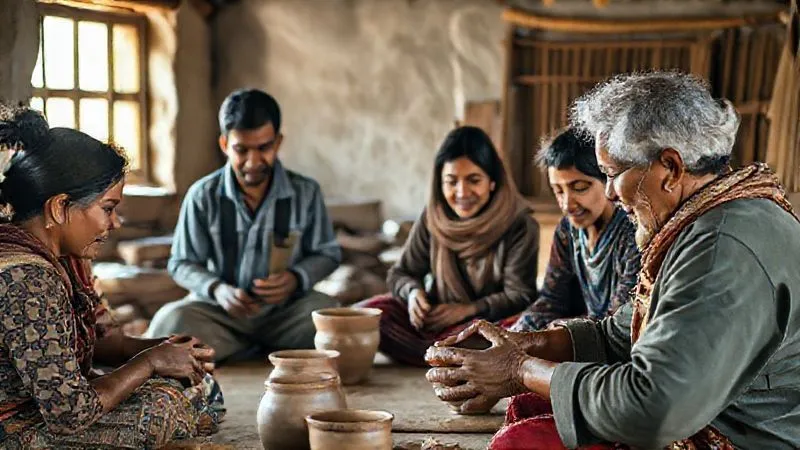
Strategy 2: Empowering Local Communities and Voices
True ethical cultural tourism places local communities at its heart, ensuring they are not just recipients of tourism but active participants and beneficiaries. This is crucial for the long-term sustainability of any heritage site.
Direct Economic Benefits: Beyond the Gate Fees
It's not enough for a heritage site to simply collect entrance fees. Ethical tour operators go further, ensuring a significant portion of the tourism revenue directly benefits the people living around the site.
- Local Sourcing: Prioritize local accommodations, restaurants, transport providers, and suppliers for all tour needs.
- Fair Wages: Ensure that all local partners, guides, and service providers are paid fair, living wages, going beyond minimum requirements.
- Community Funds: Establish or contribute to community development funds that address local needs like education, healthcare, or infrastructure, directly linked to tour operations.
Authentic Cultural Exchange: From Spectator to Participant
The most profound cultural experiences occur when travelers move beyond observation to genuine interaction. This requires empowering local voices to share their stories and traditions on their own terms.
I've seen tours transform when local elders or community leaders are invited to share oral histories, or when local youth are trained as guides, offering fresh perspectives. This not only enriches the traveler's experience but also fosters pride and economic opportunity within the community.
| Aspect | Community Engagement | Economic Benefit | Cultural Exchange |
|---|---|---|---|
| Traditional Tour Model | Minimal, transactional | Indirect, often leakage | Superficial, observational |
| Ethical Tour Model | Active, participatory | Direct, equitable distribution | Deep, interactive, co-created |
"Ethical tours are not just about seeing a culture; they're about respectfully engaging with it, allowing local narratives to shape the journey."
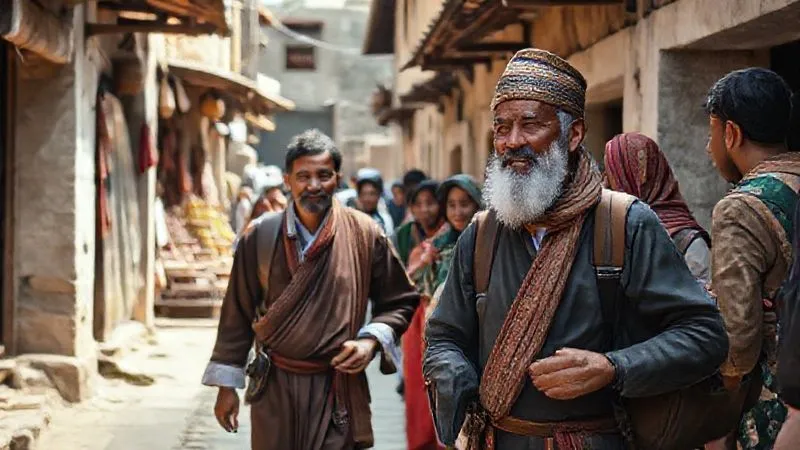
Strategy 3: Implementing Advanced Visitor Management Techniques
Even with dispersed itineraries, some popular heritage sites will always attract significant numbers. The key lies in smart management to mitigate impact.
Time-Slotting and Capacity Limits: A Practical Approach
Many overcrowded sites are now implementing time-slotting and strict capacity limits, and ethical tour operators should embrace and advocate for these measures. This isn't about restricting access; it's about preserving the quality of the experience and the site itself.
- Pre-Booking Mandates: Insist on pre-booking all site visits, ensuring adherence to allocated time slots and group sizes.
- Smaller Group Sizes: Design tours with significantly smaller group sizes than typical mass tourism, reducing physical impact and enhancing intimacy.
- Dynamic Scheduling: Work with site authorities to adjust schedules based on real-time crowd data or seasonal variations, avoiding peak congestion.
Leveraging Technology for Smart Dispersion
Technology offers powerful tools for managing visitor flow. From real-time crowd monitoring apps to virtual reality experiences that can complement physical visits, innovation is key.
I've observed how smart tourism initiatives, using sensors and data analytics, can help operators guide visitors to less crowded areas or suggest alternative routes within large complexes. This proactive approach helps spread the load and improves the overall visitor experience. A recent report by the World Tourism Organization (UNWTO) highlights the transformative potential of technology in sustainable tourism management. Read more about UNWTO's initiatives on sustainable tourism.
Strategy 4: Educating Travelers for Responsible Engagement
The most effective ethical tours begin long before the traveler sets foot on foreign soil – with education. Informed travelers are responsible travelers.
Pre-Trip Briefings: Setting Expectations and Norms
It's our responsibility as tour designers to equip travelers with the knowledge they need to be respectful and mindful visitors. This should be an integral part of the pre-departure communication.
- Cultural Etiquette: Provide clear guidelines on local customs, dress codes, photography rules, and appropriate behavior at sacred sites.
- Environmental Impact: Educate on waste management, water conservation, and avoiding single-use plastics.
- Economic Impact: Explain how their spending directly benefits local communities and the importance of fair bargaining.
- Overtourism Awareness: Discuss the challenges of overtourism and how their tour design actively mitigates it, making them part of the solution.
On-Site Sensitization: Guides as Cultural Ambassadors
Your tour guides are on the front lines, and their role extends far beyond historical narration. They are cultural ambassadors, reinforcing ethical practices and fostering deeper understanding.
I've always emphasized that guides should be trained not just in facts, but in storytelling that conveys the living culture, the challenges faced by the heritage site, and the positive impact of responsible tourism. They should be empowered to gently correct behavior if necessary and to facilitate meaningful interactions.
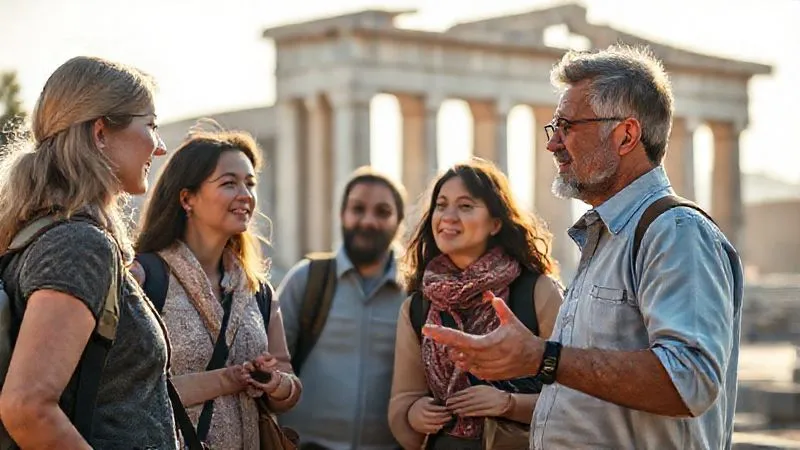
Case Study: The "Respectful Explorer" Program
Acme Cultural Journeys, a mid-sized tour operator specializing in historical tours to Southeast Asia, faced increasing pressure from overtourism at popular temples. Their solution was the "Respectful Explorer" program.
By implementing comprehensive pre-trip online modules covering cultural etiquette, sustainable practices, and the impact of overtourism, they educated travelers before arrival. On-site, they reduced group sizes to a maximum of 10, introduced mandatory quiet zones at spiritual sites, and ensured all local guides received advanced training in responsible tourism principles. They partnered with local NGOs to establish a 'Heritage Guardian Fund' where 5% of tour profits were directly channeled. Within two years, Acme reported a 25% increase in positive traveler feedback regarding authenticity and a measurable reduction in their tours' footprint, as verified by local site managers. This success demonstrates that ethical design is not only possible but can enhance brand reputation and traveler satisfaction.
Strategy 5: Collaborative Partnerships and Policy Advocacy
No single tour operator can solve overtourism alone. Collective action and advocacy are essential for systemic change.
Working with Site Authorities and Local Governments
Ethical tour operators must actively engage with heritage site management, local governments, and conservation bodies. This collaboration is vital for developing and implementing effective visitor management plans.
I've seen operators successfully lobby for staggered entry times, contribute to infrastructure improvements, or co-create educational signage. Building these relationships fosters trust and allows for a more integrated approach to heritage protection. Organizations like UNESCO provide guidelines for heritage site management that emphasize community involvement and sustainable tourism practices. Explore UNESCO's recommendations for sustainable tourism at World Heritage Sites.
The Role of Tour Operators in Advocacy for Sustainable Policies
Beyond individual site management, tour operators have a powerful voice in advocating for broader sustainable tourism policies at regional and national levels. This includes supporting regulations that promote fair labor practices, environmental protection, and cultural preservation.
By joining industry associations focused on responsible travel, operators can amplify their influence, share best practices, and collectively push for policies that create a more sustainable tourism ecosystem for everyone. The World Travel & Tourism Council (WTTC) often publishes research and advocates for policies that balance economic growth with environmental and social responsibility. Discover WTTC's initiatives on sustainable tourism.
| Partnership Type | Benefits | Challenges |
|---|---|---|
| Site Management | Coordinated visitor flow, resource sharing, policy input | Bureaucracy, differing priorities |
| Local Community | Authentic experiences, equitable benefits, cultural preservation | Trust building, capacity gaps |
| Industry Associations | Policy advocacy, knowledge sharing, collective impact | Consensus building, resource commitment |
Measuring Impact and Continuous Improvement
Designing ethical cultural tours to overcrowded heritage sites is not a one-time endeavor; it's a commitment to continuous learning and adaptation. Measuring your impact is paramount.
Key Performance Indicators for Ethical Tours
Beyond financial metrics, ethical tour operators should track KPIs related to their social and environmental performance. These might include:
- Local Economic Impact: Percentage of tour revenue spent locally, number of local employees.
- Visitor Satisfaction: Feedback on authenticity, cultural engagement, and perception of crowding.
- Community Feedback: Surveys or direct engagement with local communities regarding tourism impacts.
- Environmental Footprint: Waste reduction, carbon emissions per traveler, water usage.
- Site Preservation: Feedback from site managers on visitor behavior and site condition.
Feedback Loops and Adaptive Management
I always advise my clients to establish robust feedback mechanisms. This includes post-tour surveys for travelers, regular check-ins with local partners, and direct communication with heritage site authorities. Use this feedback to identify areas for improvement and adapt your tour designs accordingly.
The landscape of cultural travel is constantly evolving. Being agile and willing to refine your approach based on real-world data and community input is the hallmark of a truly ethical and sustainable tour operator. For deeper insights into impact assessment in tourism, reputable academic journals or organizations like the Global Sustainable Tourism Council (GSTC) offer valuable resources. Learn more about GSTC criteria and indicators for sustainable tourism.
Frequently Asked Questions (FAQ)
How do I convince clients to visit lesser-known sites instead of just the famous ones? It's about crafting compelling narratives. Instead of simply listing alternatives, frame them as opportunities for deeper immersion, unique discoveries, and authentic interactions that are increasingly rare at overcrowded sites. Use evocative language and showcase the unique value proposition of these hidden gems, perhaps even offering exclusive experiences.
What is the biggest challenge in implementing ethical tours to overcrowded sites? The biggest challenge often lies in shifting mindsets – both among travelers who have a 'bucket list' mentality and within the industry, which can be resistant to change. Overcoming this requires consistent education, clear communication of benefits (to sites, communities, and travelers), and demonstrating that ethical travel can be just as, if not more, rewarding.
How can small operators compete with large ones on ethical practices? Small operators often have an inherent advantage: agility and the ability to build deeper, more personal relationships with local communities. They can specialize in niche, immersive experiences that larger operators struggle to scale. Focus on transparency, authenticity, and the unique, positive impact of your tours, which can be a powerful differentiator.
What role does technology play in reducing overtourism beyond visitor management? Beyond managing visitor flow, technology can play a crucial role in virtual tourism (offering experiences for those who cannot or should not travel), augmented reality at sites (reducing the need for physical interaction with delicate structures), and enabling direct booking platforms that empower local providers and reduce reliance on intermediaries.
How do we measure the "authenticity" of an experience, and why is it important for ethical tours? Measuring authenticity is complex but crucial. It involves qualitative feedback from travelers (their sense of connection, learning, and genuine interaction) and quantitative data on local involvement. Authenticity is vital because it's what travelers seek, and when it's lost due to overtourism or commercialization, the core value of cultural travel diminishes, impacting both the site and the experience.
Key Takeaways and Final Thoughts
Designing ethical cultural tours to overcrowded heritage sites is more than a trend; it's the future of responsible travel. It demands a holistic approach that prioritizes preservation, community empowerment, and authentic experiences over sheer volume. By embracing these five strategies, we can transform the challenges of overtourism into opportunities for profound, positive impact.
- Rethink Itineraries: Disperse visitors, prioritize depth over breadth.
- Empower Locals: Ensure direct economic benefits and authentic cultural exchange.
- Manage Visitors: Utilize time-slotting, capacity limits, and smart technology.
- Educate Travelers: Prepare them for responsible, respectful engagement.
- Collaborate & Advocate: Work with stakeholders for systemic change and policy reform.
As industry veterans, it's our duty and privilege to lead this charge. Let's commit to crafting cultural journeys that not only inspire awe for our shared human heritage but also protect it for generations to come, ensuring that every visit leaves a positive, lasting legacy. The power to make a difference lies in our design choices, and the time to act is now.
Recommended Reading
- Travel Dialysis for Seniors: Top Tips for Safe & Worry-Free Trips
- Uncover the Secret: How to Plan Travel for International Food Festivals Like a Pro
- Unlock Local Secrets: How to Plan a Food Festival Trip Like a True Expert!
- 7 Steps: Measure True Environmental Impact of Eco-Travel Itineraries?
- 5 Elite Strategies: Guarantee Unique VIP Access to Historical Festivals





Your email address will not be published. Required fields are marked *