

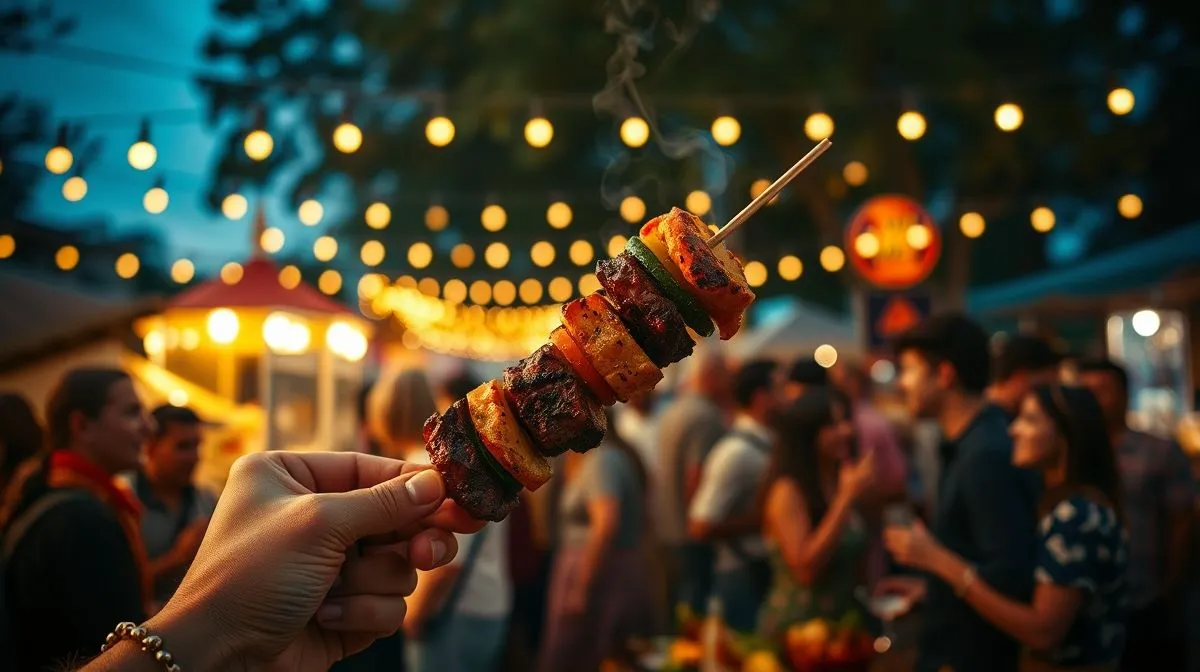
How to Plan a Food Festival Trip Like a Local Expert?
Ever wondered why some travelers seem to effortlessly navigate bustling food festivals, discovering hidden culinary gems while others just scratch the surface? It's a common observation, where some seem to possess an innate ability to connect with the local pulse, finding the most authentic bites and experiencing the true spirit of the event, while others are left feeling like they've merely skimmed the surface. This disparity often stems from a lack of strategic planning and an understanding of how to tap into local knowledge.
The challenge isn't just finding a festival; it's transforming a mere visit into an immersive, authentic gastronomic journey that resonates with the local culture and traditions. Without the right approach, you might find yourself stuck in long lines for overpriced, tourist-centric fare, missing out on the true essence of the celebration. The goal is to move beyond being a passive observer and become an active participant in the culinary narrative of the region.
This comprehensive guide will equip you with the strategies and mindset of a seasoned local, ensuring your next food festival trip is an unforgettable adventure into regional flavors and culture. By the end of this article, you will know exactly how to plan a food festival trip like a local expert, maximizing your enjoyment, discovering hidden delights, and creating lasting memories.
The Local Mindset: Beyond the Tourist Trap
To truly experience a food festival like a local, you must first adopt their perspective. This means moving beyond the obvious main attractions and delving into the nuances that make a festival unique. It's about understanding the rhythm of the event and the community it serves.
Researching the Unsung Heroes
The official festival website is a good starting point, but it rarely tells the whole story. True local insights come from digging deeper. Explore local blogs, community forums, and region-specific food groups on social media. These platforms often highlight smaller, independent vendors, traditional dishes, or special events that might not receive mainstream promotion.
Look for discussions about past festivals: what were the highlights? What were the hidden gems? This kind of qualitative data is invaluable for crafting an authentic experience. Sometimes, the best advice comes from a casual comment in a local online group, pointing you towards a family-run stall that serves a secret recipe passed down through generations.
Embracing Spontaneity with a Plan
While meticulous planning is crucial, a local expert knows when to deviate from the itinerary. Balance your pre-planned must-try dishes with an openness to spontaneous discoveries. Talk to vendors, ask for their personal recommendations, and don't be afraid to try something that looks intriguing, even if it wasn't on your original list.
Locals often have a favorite stall or a dish they return to year after year. Engaging in conversation can unlock these insider tips. Sometimes, the most memorable experiences are the unexpected ones, like stumbling upon a live cooking demonstration or a folk music performance tucked away in a quiet corner.
Pre-Festival Prep: Your Culinary Reconnaissance
A successful food festival trip begins long before you arrive. Strategic preparation is key to maximizing your time and culinary adventures. Think of it as a mission briefing before an exciting expedition into the world of flavors.
Deep Dive into Vendor Lists
If available, scrutinize the vendor list beforehand. Prioritize must-try dishes and vendors that align with your interests, whether it's traditional cuisine, innovative fusion, or specific dietary options. Look for vendors offering unique, traditional, or limited-time offerings that you won't find anywhere else.
Consider creating a shortlist of 5-7 vendors you absolutely want to visit. Research their menus, and even their social media, to get a sense of their offerings and popularity. This helps you navigate the crowds efficiently and ensures you don't miss out on your top choices. For example, if a particular vendor is known for a rare regional delicacy, make that a priority.
Mastering the Logistics: Tickets, Transport, and Timing
Secure your tickets in advance, especially if there are early bird discounts or limited capacities. Research public transport routes, parking options, and peak hours to avoid unnecessary stress. Arriving early, perhaps even before the official opening, can give you a significant advantage in avoiding initial crowds and getting first dibs on popular items.
Consider visiting on a weekday if the festival spans multiple days, as weekends are typically the busiest. Familiarize yourself with the festival layout if a map is provided. Knowing where key amenities like restrooms, water stations, and first aid are located can save you time and discomfort later.
The Power of Local Currency and Payment
While many festivals accept cards, some smaller, independent vendors might be cash-only. Always carry a mix of small denominations of the local currency. This not only speeds up transactions but also shows respect for local customs. In some regions, having exact change is highly appreciated.
Check if the festival uses a token system or a specific payment app. Being prepared with the correct payment method will prevent delays and ensure a smoother experience. According to various travel guides, cash is still king in many local market settings, including parts of larger food festivals, for its simplicity and directness.
Navigating the Festival: A Sensory Expedition
Once inside the festival gates, the real adventure begins. This is where your local expert skills truly shine, allowing you to maximize every moment and every bite.
Strategic Sampling: Don't Fill Up Too Fast
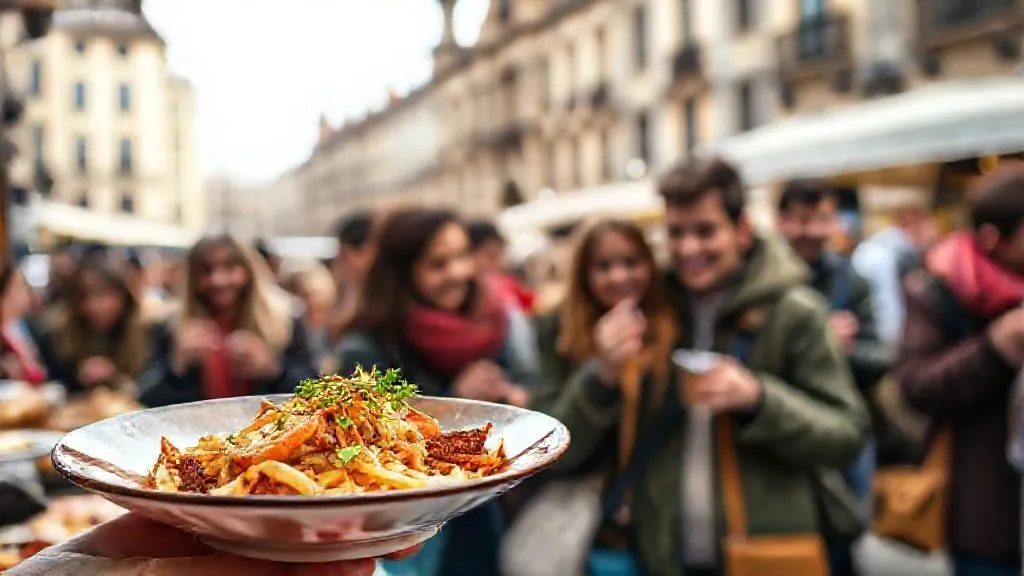
The biggest mistake first-timers make is overeating at the first few stalls. Pace yourself! Plan to share dishes with companions so you can sample a wider variety of offerings. Focus on small, tasting portions from many vendors rather than full meals from a few. Think of it as a culinary marathon, not a sprint.
Hydrate frequently, especially if the weather is warm. Water helps cleanse your palate and prevents you from feeling sluggish. Remember, the goal is to experience diversity, not just quantity.
Engaging with the Artisans: The Story Behind the Food
Don't just eat and run. Take a moment to engage with the vendors and chefs. Ask them about their ingredients, their recipes, and the history behind their dishes. Many are passionate artisans eager to share their knowledge and stories. This interaction enriches your experience and offers insights into authentic local experiences that you wouldn't get otherwise.
Learning about the provenance of ingredients or the cultural significance of a dish adds layers to your gastronomic journey. For instance, understanding why a certain spice is used or how a specific cooking technique has been preserved through generations can transform a simple meal into a profound cultural immersion. This also aligns with principles promoted by sustainable food movements like Slow Food, which emphasize connecting with producers.
Hydration and Comfort: The Unsung Heroes
You'll be doing a lot of walking and standing, so comfortable shoes are non-negotiable. Carry a reusable water bottle to stay hydrated, and consider bringing a small backpack for essentials like sunscreen, a hat, and a portable charger for your phone. A fully charged phone is crucial for navigation, photos, and quick payments.
Being physically comfortable allows you to fully focus on the food and the atmosphere, rather than being distracted by discomfort. Sun protection is particularly important for outdoor festivals, preventing sunburn and heat exhaustion that could cut your experience short.
Beyond the Bites: Immersing in Local Culture
A food festival is often a microcosm of the local culture. To truly plan a food festival trip like a local expert, you must look beyond just the food stalls.
Exploring the Surrounding Area
Before or after the festival, take time to explore the immediate surroundings. Visit local markets, small independent shops, or historical sites. This provides context for the food you're eating and deepens your understanding of the region's heritage. A dish often tastes even better when you understand the local environment from which its ingredients originate.
For example, if the festival specializes in seafood, visiting the local fishing port can offer a profound appreciation for the fresh catches. If it's a cheese festival, a visit to a local dairy farm can provide insights into the production process and the dedication involved.
Attending Workshops and Demonstrations
Many food festivals offer workshops, cooking classes, or chef demonstrations. These are invaluable opportunities to learn new culinary techniques, understand traditional recipes, and interact with local food experts. These hands-on experiences often provide a deeper appreciation for the craft and effort behind the dishes you're enjoying.
Check the festival schedule for these educational opportunities. They can range from bread-making classes to wine-pairing sessions, offering a rich, interactive dimension to your trip. This participatory approach is a hallmark of truly immersive travel.
The Art of Post-Festival Reflection
After the festival, take time to reflect on your experiences. Document your favorite dishes, vendors, and discoveries. This not only preserves your memories but also helps you refine your approach for future food festival trips. Share your insights with friends or online communities, contributing to the collective knowledge of food enthusiasts.
Consider creating a small 'food diary' for your trip, noting down the names of dishes, ingredients, and the stories behind them. This practice transforms a fleeting experience into a lasting personal archive of culinary adventures. It also helps you remember specific tastes and aromas that you might want to seek out again.
Common Pitfalls to Avoid on Your Food Festival Journey
Even the most seasoned travelers can fall prey to common mistakes. Being aware of these pitfalls can help you navigate your food festival experience more smoothly.
Over-Planning vs. No Planning
While planning is essential, over-planning can stifle spontaneity and lead to disappointment if things don't go exactly as expected. Conversely, no planning at all can lead to aimless wandering, missed opportunities, and frustration. The key is to find a balance: have a flexible framework, but allow room for serendipitous discoveries.
Don't try to visit every single stall. Prioritize your top choices and then let curiosity guide you for the rest. If a particular line is too long, be prepared to move on and explore other options rather than wasting precious festival time.
Sticking to the Familiar
It's tempting to gravitate towards dishes you already know and love, but a food festival is the perfect opportunity to expand your palate. Be adventurous! Try dishes that sound unusual, incorporate local ingredients you've never heard of, or are prepared using traditional methods unique to the region. This is how you truly experience the global phenomenon of food festivals.
Challenge yourself to try at least one new dish you wouldn't typically order. This willingness to step outside your comfort zone is a defining characteristic of a true culinary explorer.
Underestimating Crowds and Logistics
Food festivals, especially popular ones, can be incredibly crowded. Underestimating this can lead to frustration. Be prepared for long lines, limited seating, and difficulty moving through dense areas. Patience is a virtue, and a good attitude can make all the difference.
Consider carrying a small, foldable bag for any purchases you might make, like artisanal products or ingredients. Also, identify meeting points with your group in case you get separated in the throng.
Sustainable and Ethical Festival Going
As a local expert, your responsibility extends beyond just enjoying the food; it includes respecting the environment and supporting the local community.
Supporting Local Producers
Whenever possible, choose vendors who source their ingredients locally. This not only ensures freshness and authentic flavors but also directly supports the local economy and agricultural community. Ask vendors about their sourcing practices; many will be proud to share this information.
By consciously choosing to support local producers, you contribute to the sustainability of the region's food system and help preserve traditional farming methods and culinary heritage.
Minimizing Your Environmental Footprint
Food festivals can generate a lot of waste. Be mindful of your environmental impact. Bring reusable bags for purchases, consider carrying your own reusable cutlery and containers if allowed, and always dispose of waste properly in designated bins. Look for recycling and composting stations.
Many festivals are increasingly adopting eco-friendly practices, such as using compostable serving ware. By actively participating in these efforts, you help ensure that these vibrant celebrations can continue for years to come without undue environmental strain.
Frequently Asked Questions (FAQ)
How do I find authentic local food festivals that aren't widely advertised? Look beyond major tourism sites. Explore local community event calendars, regional tourism boards, university cultural departments, and even local newspapers or blogs. Engage with local residents on social media groups or forums; they often share hidden gems.
What's the best way to manage my budget at a food festival without missing out? Set a daily budget and stick to it. Prioritize a few 'must-try' items, then explore smaller, less expensive samples. Sharing dishes with friends can significantly reduce costs and allow for more variety. Carry cash in small denominations to avoid overspending on card.
Should I eat a big meal before going to a food festival? Absolutely not! Arrive hungry but not famished. Eating a light, easily digestible snack a few hours before can prevent you from getting 'hangry' while waiting in lines, but save your appetite for the festival's diverse offerings. The goal is to sample widely, not to fill up quickly.
How can I best interact with local vendors and chefs? Approach them with genuine curiosity and respect. Ask open-ended questions about their ingredients, their family recipes, or the history of their dishes. Listen attentively to their answers. A simple 'Where does this ingredient come from?' or 'What's the story behind this dish?' can open up fascinating conversations.
What are some essential items to bring to a food festival? Comfortable shoes are paramount. Also, bring a reusable water bottle, sunscreen, a hat, a portable phone charger, a small backpack for purchases, and a mix of cash and card. Consider bringing your own reusable cutlery if you're committed to reducing waste.
Recommended Reading
- Your Ultimate Guide: How to Select a Space Tourism Company for Your Journey
- The Ultimate Guide: How to Prepare for a Luxury Overnight Train Journey
- The Ultimate Secret: How to Pick a Beach with Crystal Clear Water Every Time
- Unlock the Secrets: What's the True Difference Between Ultra-Luxury and Luxury Cruises?
- Wide Feet? The Best Rock Climbing Shoes for Beginners Revealed!
Conclusion
Mastering how to plan a food festival trip like a local expert transforms a simple outing into a profound cultural and culinary exploration. By adopting a local mindset, conducting thorough reconnaissance, engaging strategically with vendors, and embracing both planning and spontaneity, you unlock a richer, more authentic experience. Remember to prioritize sustainable practices and immerse yourself not just in the food, but in the stories, traditions, and community that bring it to life. Go forth, explore, and let your next food festival adventure be a testament to the power of thoughtful, expert-level travel.


Your email address will not be published. Required fields are marked *