

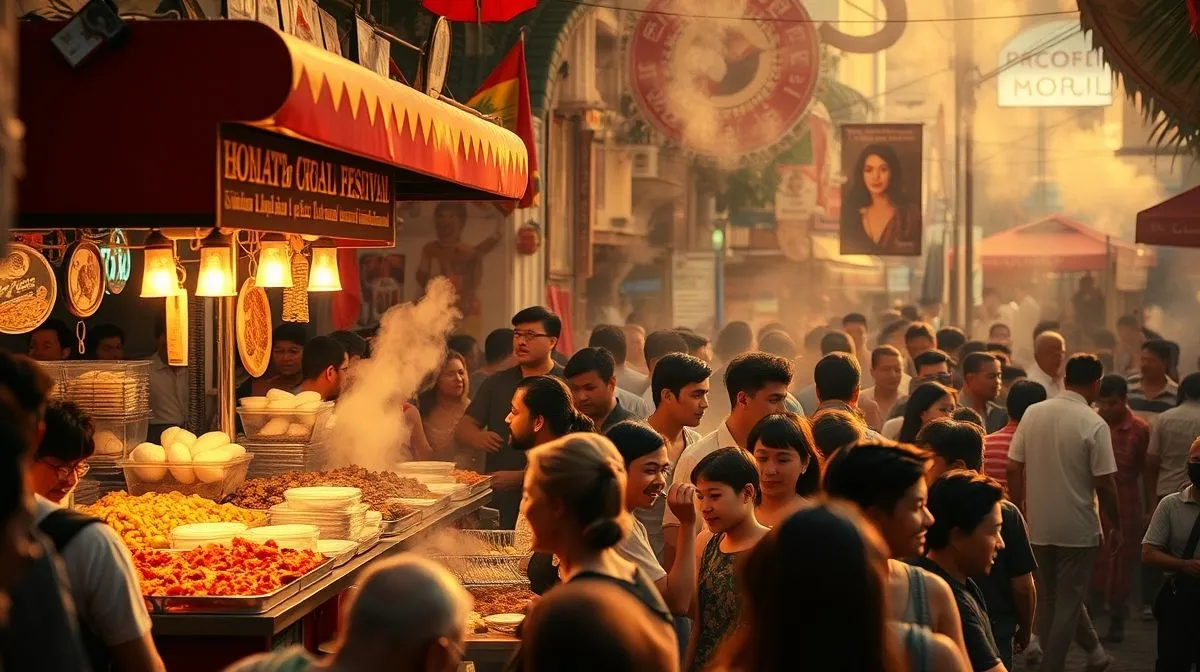
How to Plan Travel for International Food Festivals: Your Ultimate Blueprint
Have you ever dreamt of savoring authentic Italian pasta in Bologna, sampling spicy street food in Bangkok, or clinking steins at Oktoberfest in Munich? The world of international food festivals offers an unparalleled sensory journey, a chance to immerse yourself in local culture through its most delicious expression. It's an adventure that promises unforgettable flavors and memories that linger long after the last bite.
Yet, the thought of orchestrating such a trip can feel daunting. From navigating complex visa requirements and flight bookings to securing accommodation and understanding local customs, the logistical challenges can seem as vast as the global culinary landscape itself. Many aspiring food travelers find themselves overwhelmed, unsure where to begin their quest for gastronomic exploration abroad.
This comprehensive guide is your definitive solution. We will demystify the entire process, providing you with a step-by-step blueprint on how to plan travel for international food festivals, ensuring your journey is as smooth and enjoyable as the dishes you'll encounter. By the end of this reading, you'll be equipped with the knowledge and confidence to transform your culinary travel dreams into a delectable reality.
Why International Food Festivals? More Than Just a Meal
Attending an international food festival transcends a simple meal; it's a profound cultural immersion. These events are vibrant showcases of tradition, innovation, and community spirit, offering insights into a country's heart and soul through its cuisine.
Cultural Immersion Beyond the Plate
Food festivals are living museums of culture. They offer a unique window into local customs, history, and social dynamics. You'll witness traditional cooking techniques, participate in age-old rituals, and interact with local producers and chefs who are passionate about their heritage.
- Authentic Experiences: Taste dishes prepared with generational recipes, often unavailable in typical restaurants.
- Community Connection: Engage with locals, share stories, and learn about their culinary traditions firsthand.
- Sensory Overload (in a good way!): Beyond taste, experience the aromas, sounds, and vibrant sights that define a culture's food scene.
Unforgettable Culinary Discoveries
These festivals are fertile grounds for discovering new ingredients, innovative cooking styles, and unexpected flavor combinations. It's an opportunity to expand your palate and challenge your culinary perceptions in ways that no cookbook or restaurant can replicate.
- Rare Delicacies: Sample seasonal or regional specialties that are difficult to find elsewhere.
- Chef Interactions: Meet renowned chefs and local culinary heroes, gaining insights into their craft.
- Inspiration: Return home with fresh ideas for your own cooking and entertaining, fueled by global flavors.
The Foundational First Step: Festival Selection and Timing
The world hosts thousands of food festivals annually, each with its unique charm. The key to a successful trip lies in selecting the right festival that aligns with your interests and ensuring your travel dates coincide perfectly.
Researching the Best Festivals
Start by exploring reputable food and travel publications, official tourism websites, and specialized food festival calendars. Look for events that highlight cuisines you're passionate about or offer unique cultural experiences.
- Consider Scale: Do you prefer a massive, world-renowned event or a smaller, more intimate local gathering?
- Specialty Focus: Are you interested in wine, seafood, chocolate, street food, or a general culinary celebration?
- Reviews and Reputation: Check reviews from past attendees to gauge the festival's quality and organization.
Aligning with Your Travel Style
Once you have a shortlist, consider how the festival fits into your broader travel plans. Is it a standalone trip, or part of a longer itinerary? Factor in the time of year, as peak travel seasons can impact costs and crowd levels.
- Seasonal Considerations: Some festivals are tied to harvests or specific cultural dates, dictating the best time to visit.
- Crowd Tolerance: Popular festivals can be extremely crowded. If you prefer a calmer experience, look for off-peak times or smaller events.
- Flexibility: Booking flights and accommodation well in advance is crucial, especially for high-demand festivals.
Budgeting for Gastronomic Grandeur: A Financial Blueprint
A well-planned budget is the cornerstone of stress-free international travel, especially when your primary goal is culinary exploration. Don't underestimate the costs associated with indulgence!
Deconstructing Travel Costs
Beyond flights and accommodation, remember to account for visa fees, travel insurance, local transportation, and a realistic daily allowance for food, drinks, and incidentals.
- Flights: Book early for the best deals. Consider flexible dates if possible.
- Accommodation: Research options near the festival venue to save on transport. Airbnb, hotels, or hostels offer different price points.
- Transportation: Factor in airport transfers, inter-city travel if applicable, and daily public transport or taxi fares.
Festival-Specific Expenses and Contingencies
Food festivals often have entrance fees, tasting tickets, and plenty of opportunities for souvenir purchases. Always build in a contingency fund for unexpected expenses.
- Entrance Fees/Tickets: Some festivals require pre-purchased tickets; others are free to enter but charge for food/drink.
- Food & Drink Budget: Be generous here! You're traveling for food, so allow yourself to try a variety of dishes.
- Shopping: Leave room in your budget (and luggage!) for local spices, artisanal products, or culinary tools.
- Contingency Fund: Aim for an extra 10-15% of your total budget for emergencies or spontaneous splurges.
Logistical Labyrinth: Flights, Accommodation, and Local Transport
Mastering the practicalities of travel is essential for a smooth journey. This involves securing your passage, finding a comfortable base, and understanding how to move around your destination.
Mastering Flight Bookings
Booking flights requires strategy. Use flight comparison websites, consider flying into smaller, nearby airports, and be flexible with your travel dates to snag the best deals.
- Comparison Sites: Utilize tools like Google Flights, Skyscanner, or Kayak to compare prices across airlines.
- Alerts: Set up price alerts for your desired routes to be notified of fare drops.
- Red-Eye vs. Day Flights: Weigh the cost savings of red-eye flights against potential fatigue.
- Direct vs. Layover: Direct flights save time but often cost more. Factor in layover duration and potential risks.
Securing the Perfect Stay
Your accommodation choice can significantly impact your festival experience. Proximity to the festival, public transport links, and amenities should all be considered.
- Location, Location, Location: Prioritize accommodation within walking distance or a short public transport ride from the festival grounds.
- Booking Platforms: Use reputable sites like Booking.com, Airbnb, or directly with hotel chains.
- Read Reviews: Pay attention to reviews regarding cleanliness, noise levels, and customer service.
- Early Booking: Especially for popular festivals, accommodation can sell out months in advance.
Navigating Local Transit
Understanding the local transportation system before you arrive can save time and reduce stress. Research public transport options, ride-sharing services, and taxi availability.
- Public Transport Apps: Download relevant local transit apps (e.g., Citymapper, Google Maps) for real-time information.
- Travel Cards: Many cities offer multi-day or weekly travel cards that can save money.
- Safety: Be aware of local transport etiquette and safety precautions, especially late at night.
Navigating Visas, Vaccinations, and Travel Insurance: Your Pre-Trip Checklist
These crucial elements often go overlooked until the last minute, but they are non-negotiable for a smooth and safe international food festival trip. Neglecting them can lead to denied entry or significant financial loss.
Visa Requirements Demystified
Always check the visa requirements for your nationality for the destination country well in advance. Visa application processes can be lengthy and require specific documentation.
- Official Sources: Consult the embassy or consulate website of your destination country for the most accurate and up-to-date information.
- Processing Times: Be aware of visa processing times, which can range from days to several weeks or even months.
- Required Documents: Gather all necessary documents, such as passport photos, bank statements, flight itineraries, and accommodation bookings.
Health and Safety First
Consult your doctor about recommended vaccinations for your destination. Research local health advisories and any specific precautions regarding food and water safety.
- Routine Vaccinations: Ensure all your routine vaccinations are up to date.
- Travel-Specific Vaccinations: Your doctor can advise on vaccinations like Hepatitis A, Typhoid, or Yellow Fever, depending on your destination.
- Prescription Medications: Carry sufficient supplies of any prescription medications, along with a doctor's note.
- Food Safety: Be mindful of street food hygiene, especially in countries with different sanitation standards.
The Unsung Hero: Travel Insurance
Travel insurance is not an optional extra; it's a vital safety net. It protects you against unforeseen circumstances, from medical emergencies and trip cancellations to lost luggage.
- Medical Coverage: Ensure your policy covers overseas medical expenses, including emergency evacuation.
- Trip Interruption/Cancellation: This is crucial for protecting your financial investment if your trip is unexpectedly cut short or cancelled.
- Baggage & Personal Belongings: Covers loss, theft, or damage to your luggage and personal items.
- Policy Details: Read the fine print carefully to understand what is and isn't covered. Compare different providers.
For comprehensive travel advice, including health and safety, consider reviewing official government travel advisories. For example, the U.S. Department of State's International Travel website offers country-specific information and alerts.
Packing Smart for the Palate: Essentials for the Savvy Food Traveler
Packing for a food festival trip goes beyond clothes. You'll want to be comfortable, prepared for various weather, and have space for culinary souvenirs.
Comfort and Convenience
You'll likely be doing a lot of walking and standing at festivals, so comfortable shoes are paramount. Layers are also key for adapting to changing temperatures.
- Comfortable Shoes: This cannot be stressed enough. Prioritize comfort over style.
- Layered Clothing: Be prepared for temperature fluctuations, especially if you're spending all day outdoors.
- Small Backpack or Crossbody Bag: For carrying essentials like water, hand sanitizer, and a portable charger.
Culinary Tools & Souvenir Space
Consider bringing a few items that will enhance your food experiences, and always leave ample space in your luggage for delicious souvenirs.
- Reusable Water Bottle: Stay hydrated, especially when sampling many dishes.
- Portable Cutlery/Chopsticks: For hygiene or convenience.
- Collapsible Shopping Bag: Perfect for carrying purchases or taking home leftovers (if permitted).
- Extra Luggage Space: Dedicate a portion of your suitcase or bring a foldable duffel bag for food souvenirs.
- Food-Safe Packaging: Ziploc bags or small containers can be useful for transporting delicate food items.
Maximizing Your Festival Experience: Tips from the Pros
Beyond the planning, there are strategies to ensure you get the most out of the festival itself. These insider tips can transform a good experience into an extraordinary one.
Arrive Early, Stay Late
Getting to the festival shortly after opening allows you to explore before the biggest crowds arrive, giving you better access to popular stalls and fewer queues. Staying until closing can offer a more relaxed atmosphere and sometimes even discounted food as vendors clear out.
- Beat the Rush: Enjoy shorter lines and more space to move around.
- Capture Photos: Easier to get great shots without too many people in the background.
- Evening Ambiance: Experience the festival's unique evening atmosphere, often with live music and different energy.
Embrace the Local Vibe
Don't be afraid to step outside your comfort zone. Engage with vendors, try dishes you've never heard of, and participate in any workshops or demonstrations offered.
- Talk to Vendors: Ask about their ingredients, techniques, and the history behind their dishes.
- Try Everything (within reason!): Be adventurous with your food choices.
- Learn a Few Phrases: Basic greetings and 'thank you' in the local language can go a long way.
Document Your Journey
Take photos, jot down notes about your favorite dishes, and collect business cards from vendors. These mementos will help you relive the experience and share your discoveries.
- Photo Journal: Capture the sights, sounds, and, of course, the food.
- Taste Notes: Keep a small notebook to record dishes, ingredients, and where you found them.
- Share Experiences: Post on social media or write a blog post to share your culinary adventure.
Common Pitfalls to Avoid When Planning Your Food Festival Trip
Even with careful planning, some common mistakes can derail an otherwise perfect trip. Being aware of these pitfalls can help you navigate around them.
Underestimating Costs
Many travelers budget for flights and accommodation but forget the daily expenditure on food, drinks, souvenirs, and unexpected costs. Overspending early can lead to a less enjoyable second half of the trip.
- Food Costs Add Up: Individual portions might seem small, but tasting many items quickly accumulates.
- Exchange Rates: Be aware of currency conversion fees and the local cost of living.
- Spontaneous Purchases: Leave room for unexpected tours, classes, or unique local finds.
Overpacking Your Itinerary
Trying to squeeze too many activities into one trip can lead to burnout and less enjoyment of each individual experience. Remember, the goal is to savor, not rush.
- Quality Over Quantity: Focus on a few key experiences rather than trying to see everything.
- Allow Downtime: Build in time for rest, relaxation, and spontaneous exploration.
- Flexibility: Be prepared to adjust your plans based on energy levels or unexpected opportunities.
Ignoring Local Customs
Cultural insensitivity can lead to awkward situations or even offense. Research local etiquette, especially regarding dining, tipping, and personal space.
- Dining Etiquette: Understand local customs regarding chopsticks, sharing plates, or specific table manners.
- Tipping Norms: Tipping expectations vary widely by country.
- Dress Code: Be aware of appropriate attire, especially if visiting religious sites or formal establishments.
For deeper insights into cultural nuances, a resource like Lonely Planet's guide on responsible travel can be invaluable, emphasizing respect for local customs and environments.
Frequently Asked Questions (FAQ)
How far in advance should I start planning my international food festival trip? Ideally, begin planning at least 6-12 months in advance, especially for popular festivals. This allows time for visa applications, securing cheaper flights, and booking desirable accommodation.
What's the best way to carry money for an international food festival? A combination is usually best: some local currency for small purchases, a travel credit card with no foreign transaction fees, and a debit card for ATM withdrawals. Inform your bank of your travel plans.
Are international food festivals usually family-friendly? Many are, but it varies. Some festivals have specific children's activities or family zones, while others are more geared towards adults. Check the festival's official website for details on age restrictions or family amenities.
What if I have dietary restrictions at an international food festival? While many festivals are becoming more accommodating, options can be limited. Research vendors beforehand if possible, or carry a translation card explaining your restrictions. Focus on naturally compliant dishes (e.g., plain fruits, vegetables, specific protein sources).
How can I find authentic local experiences beyond the main festival? Explore local markets, take a cooking class, or seek out small, family-run eateries recommended by locals. Engage with your accommodation hosts for insider tips.
Recommended Reading
- Universal Design Hotels: Booking Tips for Wheelchair Users
- Unlock the Secrets: Your Ultimate Luxury Yacht Cruise Tipping Etiquette Guide
- Tube Smart: Essential Safety Rules for Snow Tubing Hills You MUST Know
- Master Your First White Water Rafting Trip: Essential Prep Guide
- Unveiling the Truth: Are Glamping Eco Pods Truly Green?
Conclusion
Embarking on a journey to an international food festival is more than just a vacation; it's an immersive cultural adventure that tantalizes the taste buds and broadens horizons. By meticulously planning every detail – from selecting the perfect festival and budgeting wisely to navigating visas and packing smart – you lay the groundwork for an unforgettable experience. Remember, the goal is not just to eat, but to truly experience the heart of a culture through its cuisine. Armed with this guide on how to plan travel for international food festivals, you are now ready to transform your culinary dreams into a delicious reality. So, choose your destination, pack your bags (and an empty stomach!), and prepare to feast your way across the globe.


Your email address will not be published. Required fields are marked *