


How to Prevent Mold Growth in Glamping Yurts During Humid Seasons?
For over two decades in the glamping industry, I’ve witnessed the incredible allure of yurts – their unique charm, robust structure, and the unparalleled connection they offer to nature. However, I’ve also seen the silent, insidious enemy that can undermine that beauty and guest experience: mold, especially during those notoriously humid seasons.
The frustration is palpable when a glamping operator discovers patches of mildew on their pristine canvas or a musty odor greets guests upon arrival. Beyond the aesthetic damage, mold poses significant health risks and can drastically shorten the lifespan of your valuable yurt, impacting both your reputation and bottom line.
This isn’t just about cleaning; it’s about proactive, strategic prevention. In this definitive guide, I’ll share my proven frameworks, actionable steps, and expert insights drawn from years of hands-on experience to show you exactly how to prevent mold growth in glamping yurts during humid seasons, ensuring your structures remain pristine, healthy, and inviting year-round.
Understanding Mold: Your Glamping Yurt’s Silent Enemy
Before we can conquer mold, we must understand it. Mold is a type of fungi that thrives in damp, humid environments, feeding on organic matter – and guess what? Yurt canvases, wood frames, and even accumulated dust provide ample sustenance.
The very nature of a yurt, often situated in natural settings and constructed with breathable materials, makes it uniquely susceptible to moisture accumulation. When the air is thick with humidity, and there’s insufficient airflow, condensation forms, creating the perfect breeding ground for mold spores that are always present in the air.
In my experience, many operators underestimate mold’s rapid growth. A small patch can explode into a significant infestation within days if conditions are right, turning a minor inconvenience into a costly problem.
The Foundation of Prevention: Site Selection and Preparation
The battle against mold begins long before your yurt is even pitched. Strategic site selection and meticulous preparation are paramount.
Elevate Your Yurt: The Crucial Role of Platforms
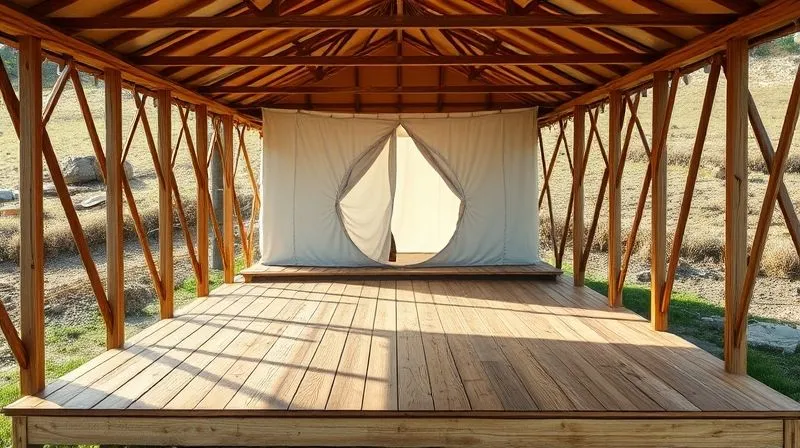
One of the most critical steps in preventing mold is ensuring adequate airflow beneath your yurt. A solid, elevated platform is non-negotiable.
- Choose Durable Materials: Opt for pressure-treated lumber, composite decking, or concrete for your platform to resist moisture and rot.
- Ensure Ample Airflow: Design the platform with sufficient height (at least 12-18 inches) and open lattice work or gaps to allow air to circulate freely underneath the yurt.
- Slope for Drainage: Ensure the ground beneath and around the platform is graded to direct rainwater away, preventing pooling that could lead to rising dampness.
Strategic Orientation for Sun and Airflow
Positioning your yurt wisely can leverage natural elements to your advantage.
- Maximize Sunlight Exposure: Orient your yurt to receive direct sunlight, especially on sides prone to dampness. Sunlight is a natural disinfectant and helps dry out surfaces.
- Consider Prevailing Winds: Understand your local wind patterns. Positioning doors and windows to catch prevailing breezes can significantly boost natural ventilation.
- Avoid Shady, Damp Spots: While shade is welcome in summer, constant shade, especially in humid seasons, can prevent your yurt from drying out after rain or heavy dew. Clear vegetation that might block sunlight or airflow.
A well-chosen and prepared site lays the groundwork for a mold-free glamping experience, reducing the baseline humidity challenges significantly.
Mastering Ventilation: Your First Line of Defense
Ventilation is the single most powerful tool in your arsenal against mold. It’s about ensuring a constant exchange of indoor and outdoor air, expelling humid air and bringing in drier air.
Natural Airflow: Doors, Windows, and Crown Vents
Yurts are inherently designed for natural ventilation, but proactive management is key.
- Daily Airing Out: During dry periods of humid seasons, open doors, windows, and the crown vent daily for at least a few hours to flush out stale, moist air.
- Cross-Ventilation: Create a cross-breeze by opening windows on opposite sides of the yurt. This is far more effective than just opening one.
- Optimize Crown Vent Usage: The crown vent is critical for allowing hot, moist air to escape. Ensure it’s fully functional and opened whenever possible, especially after cooking or showering inside.
Mechanical Ventilation: Fans and Dehumidifiers
When natural ventilation isn’t enough – which is often the case in truly humid climates – mechanical aids become indispensable.
- Circulation Fans: Even simple oscillating fans can help move air around inside the yurt, preventing stagnant pockets where mold can start. Position them to aid airflow towards vents or open windows.
- Extractor Fans: If your yurt features an enclosed bathroom or kitchen area, an extractor fan is essential to remove localized humidity at its source.
- Dehumidifiers: A high-quality dehumidifier is a game-changer. It actively removes moisture from the air, maintaining optimal indoor humidity levels. We’ll delve deeper into these later.
Case Study: How 'Whispering Pines Glamp' Eliminated Interior Dampness
Whispering Pines Glamp, a serene retreat nestled in the notoriously humid Appalachian foothills, struggled with persistent musty odors and early signs of mildew on their yurt canvases. Their initial approach relied solely on natural ventilation, which proved insufficient during prolonged rainy spells.
By implementing a multi-pronged ventilation strategy, they saw dramatic improvements. First, they installed small, energy-efficient ceiling fans in each yurt to ensure constant air circulation. Second, they equipped each yurt with a smart dehumidifier, set to maintain a 50% relative humidity level. Finally, they educated their guests on the importance of opening the crown vent during the day when not raining. Within one humid season, all musty odors vanished, and new mold growth ceased entirely. This resulted in improved guest satisfaction scores and significantly reduced maintenance costs.
For further reading on the importance of indoor air quality, I recommend this article from the Environmental Protection Agency.
Moisture Barriers and Material Choices
Beyond airflow, the materials your yurt is made of and how they’re protected play a critical role in preventing moisture intrusion.
Breathable Canvas and Waterproofing
Most yurts feature a canvas outer layer. While durable, it needs care. High-quality yurt canvas is often treated for water resistance and mildew resistance, but these treatments aren’t permanent.
- Inspect Regularly: Check your canvas for signs of wear, tears, or areas where water might be pooling or soaking in.
- Re-Treat as Needed: Depending on your climate and canvas type, you may need to reapply waterproofing and mildew-resistant treatments every few years. Use products specifically designed for canvas tents.
- Avoid Trapping Moisture: Ensure your outer canvas is taut and free of sags where water can collect.
Ground Moisture Management: Vapor Barriers
Moisture doesn’t just come from the air; it can also wick up from the ground. A good vapor barrier is essential, especially under your yurt’s flooring.
- Install Under Flooring: A heavy-duty polyethylene sheet placed directly on your platform (under any subflooring or finished flooring) acts as an effective barrier against ground moisture.
- Seal Edges: Ensure the vapor barrier extends slightly up the yurt walls and is securely sealed to prevent moisture from sneaking around the edges.
- Consider Breathable Groundsheets: If your yurt has a removable floor or integrated groundsheet, ensure it’s made of a breathable, yet waterproof, material to prevent condensation between layers.
Choosing the right materials and implementing effective barriers creates a formidable defense against moisture. Here’s a quick comparison of common yurt materials and their mold resistance:
| Component | Mold Resistance | Breathability | Maintenance |
|---|---|---|---|
| Standard Cotton Canvas | Moderate (requires treatment) | High | Regular re-treatment |
| Polyester/Cotton Blend Canvas | Good (better inherent resistance) | Moderate-High | Less frequent treatment |
| Acrylic Coated Polyester | Excellent (often integrated) | Low to Moderate | Wipe clean, durable |
| PVC Outer Cover | Excellent (non-porous) | Very Low | Easy to clean, no treatment |
| Wood Frame (Treated) | Good | N/A | Inspect for rot |
Proactive Maintenance: The Ongoing Battle
Even with the best initial setup, mold prevention is an ongoing commitment. Regular inspection and timely intervention are crucial.
Regular Inspections and Spot Cleaning
You need to be vigilant. Small mold spots are much easier to deal with than a full-blown infestation.
- Weekly Visual Checks: During humid seasons, conduct a quick visual inspection of your yurt’s interior and exterior weekly. Pay close attention to corners, seams, areas behind furniture, and the underside of the crown cover.
- Check for Musty Odors: A musty smell is often the first sign of hidden mold. Investigate immediately if you detect one.
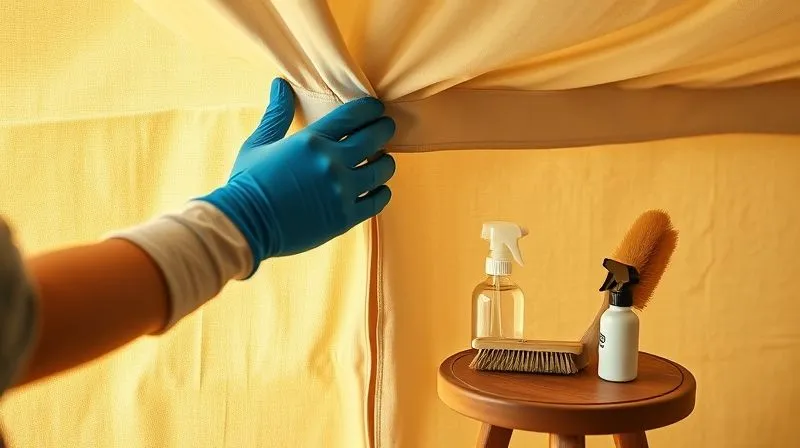
- Spot Clean Promptly: If you find a small patch of mold, address it immediately. Use a mild solution of white vinegar and water (1:1 ratio) or a specialized canvas cleaner. Gently scrub with a soft brush, rinse, and ensure the area dries completely.
- Ensure Proper Drying: After cleaning, or if the yurt gets wet, ensure the area is thoroughly dried. Use fans or open windows to accelerate drying.
Anti-Fungal Treatments and Natural Solutions
Beyond cleaning, certain treatments can offer additional protection.
- Commercial Anti-Fungal Sprays: There are many products designed to prevent mold and mildew growth on fabric. Research reputable brands and apply according to instructions.
- Tea Tree Oil Solution: For a natural approach, a few drops of tea tree oil mixed with water in a spray bottle can act as a mild anti-fungal. Test on an inconspicuous area first.
- Silica Gel Packets: In small, enclosed spaces like storage bins within the yurt, silica gel packets can absorb excess moisture.
The Role of Climate Control: Heating and Dehumidification
Active climate control is often the differentiating factor in successfully preventing mold growth in glamping yurts during humid seasons.
Strategic Heating to Reduce Condensation
It might seem counterintuitive to heat a yurt during a humid season, but it’s incredibly effective.
- Raise Air Temperature: Warmer air can hold more moisture. By slightly heating the yurt, you can prevent cold spots where condensation would otherwise form.
- Intermittent Heating: Even running a small heater for an hour or two on a cool, damp morning can make a significant difference in drying out the interior.
- Ventilate While Heating: Combine heating with ventilation. This allows the warmed, moisture-laden air to escape, replaced by drier outside air.
Dehumidifiers: A Humid Season Must-Have
For truly effective humidity control, a dehumidifier is your best friend.
- Sizing Matters: Choose a dehumidifier appropriate for the square footage of your yurt. An undersized unit will struggle to keep up.
- Smart Features: Look for models with a built-in humidistat that can be set to a target humidity level (e.g., 45-55%). Many also offer continuous drainage options, eliminating the need to empty a reservoir daily.
- Strategic Placement: Place the dehumidifier in a central location, ideally slightly elevated, to maximize its reach. Ensure it has clear space around it for air intake and exhaust.
As marketing guru Seth Godin often says, “Instead of wondering when your next vacation is, maybe you should set up a life you don’t need to escape from.” In the glamping world, this translates to: instead of constantly battling mold, invest in systems that prevent it, creating a pristine environment your guests – and you – will love.
Maintaining optimal indoor humidity levels is crucial. According to the American Society of Heating, Refrigerating and Air-Conditioning Engineers (ASHRAE), relative humidity levels between 30% and 60% are generally recommended for human comfort and to minimize mold growth.
Advanced Strategies for Extreme Humidity
When you’re operating in a region known for relentless humidity, you might need to employ some advanced tactics.
Smart Monitoring Systems
Modern technology can offer a significant advantage in proactive mold prevention.
- Digital Hygrometers: Place these affordable devices inside your yurt to continuously monitor temperature and relative humidity. This data empowers you to know exactly when to increase ventilation or activate a dehumidifier.
- Smart Home Integration: For larger glamping operations, consider smart sensors that can alert you via an app if humidity levels exceed a set threshold. Some smart dehumidifiers can even be controlled remotely.
Professional Mold Remediation vs. Prevention
While our focus is on prevention, it’s important to know when a situation might be beyond DIY.
- When to Call Experts: If you discover extensive mold growth (larger than a few square feet), or if mold returns quickly after cleaning, it might indicate a deeper, systemic moisture problem that requires professional assessment and remediation.
- The Cost of Neglect: Ignoring significant mold can lead to structural damage to your yurt, health issues for guests and staff, and a complete loss of reputation. Prevention is always cheaper than remediation.

Frequently Asked Questions (FAQ)
Question: Can mold growth permanently damage my yurt’s canvas? Yes, absolutely. Mold feeds on organic materials. Over time, it can degrade the canvas fibers, leading to discoloration, weakening, and eventually holes. If left unchecked, it can necessitate costly canvas replacement.
Question: Are there specific plants that can help reduce humidity around a yurt? While some houseplants like Boston ferns or peace lilies are known to absorb minor amounts of indoor humidity, their impact on a large structure like a yurt is negligible. They are more decorative than functional for significant humidity control. Focus on mechanical and structural solutions for effective prevention.
Question: How often should I inspect my yurt for mold during peak humid seasons? During peak humid seasons, I strongly recommend a quick visual inspection at least once a week. If you’ve had recent heavy rains or a period of exceptionally high humidity, a more thorough check every few days, especially in vulnerable areas, is prudent.
Question: What’s the ideal indoor humidity level for a glamping yurt? For optimal comfort and mold prevention, aim to maintain an indoor relative humidity level between 45% and 55%. Levels consistently above 60% significantly increase the risk of mold growth.
Question: Is it safe to use bleach to clean mold from yurt canvas? I generally advise against using bleach on yurt canvas. While it kills mold, bleach can be very harsh, potentially damaging the canvas fibers, stripping waterproofing treatments, and causing discoloration. Milder solutions like white vinegar, specialized canvas cleaners, or hydrogen peroxide are much safer and often just as effective for surface mold. Always test any cleaning solution on an inconspicuous area first.
Key Takeaways and Final Thoughts
Preventing mold growth in glamping yurts during humid seasons is not a one-time fix but a continuous process that blends smart design with diligent maintenance. My years in this industry have taught me that proactive measures always outweigh reactive solutions.
- Elevate and Ventilate: Start with a well-designed, elevated platform and maximize both natural and mechanical airflow.
- Monitor and Control: Use dehumidifiers and smart sensors to actively manage indoor humidity levels, keeping them below 60%.
- Inspect and Act: Regular inspections and prompt spot cleaning are your best defense against small problems becoming big ones.
- Educate and Empower: Inform your guests about best practices for ventilation to involve them in maintaining a healthy environment.
By implementing these strategies, you’re not just protecting your investment; you’re ensuring a superior, healthy, and memorable experience for every guest. A mold-free yurt is a happy yurt, and a happy yurt leads to glowing reviews and a thriving glamping business. Embrace these practices, and watch your glamping yurts flourish, even in the most challenging climates. For more insights into sustainable glamping practices, visit Glamping.com.
Recommended Reading
- 7 Secrets: How to Eat Healthy & Affordably on Frugal Adventures
- Unveiling the Secret: How Geodomes Conquer Extreme Weather for Glamping
- G-Force Blackout: 5 Proven Ways to Stay Conscious in Space
- The Ultimate Guide: What to Pack for Baby's First International Trip
- Universal Design Hotels: Booking Tips for Wheelchair Users




Your email address will not be published. Required fields are marked *