

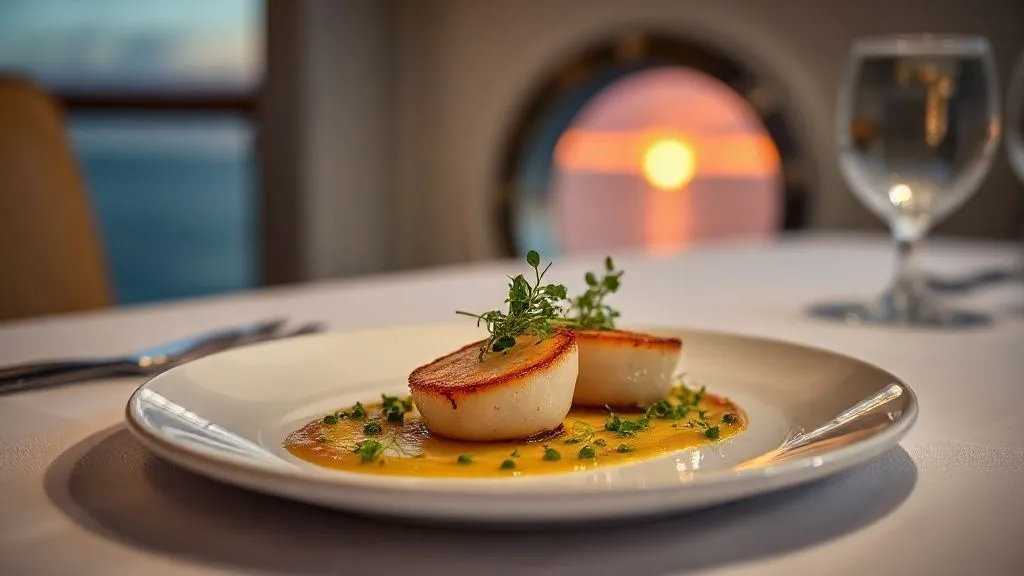
How to guarantee authentic gourmet dining on luxury cruises?
For over two decades navigating the intricate world of luxury cruise travel, I've witnessed a dramatic evolution in onboard dining. The promise of "gourmet" has become a pervasive marketing buzzword, often leading to a stark reality check once you're actually at sea. I've heard countless stories, and frankly, experienced a few myself, where the anticipation of a truly authentic culinary journey on a high-end cruise ship sadly gave way to well-presented but ultimately uninspired meals.
The problem is palpable: you invest significantly in a luxury cruise, expecting an unparalleled experience that extends to your plate. Yet, distinguishing genuine culinary excellence from clever branding can feel like deciphering a cryptic menu in a foreign language. The disappointment of a mediocre meal, when you've envisioned Michelin-star quality, can detract significantly from your overall vacation, leaving you wondering if true gourmet dining at sea is merely a myth.
But I assure you, it is not. My goal with this guide is to equip you with the insider knowledge and actionable frameworks I've honed over years. We'll cut through the marketing fluff, delve into the nuances of what makes a cruise truly gourmet, and provide you with precise strategies to not just hope for, but to confidently guarantee authentic gourmet dining on luxury cruises. Prepare to transform your next voyage into a true gastronomic adventure.
Beyond the Brochure: Decoding Culinary Marketing Hype
The first step in securing an authentic gourmet experience is to become a discerning reader of cruise line marketing. Every brochure and website will tout "world-class dining," "award-winning chefs," and "exquisite ingredients." But what do these phrases truly mean? In my experience, the devil is always in the details – or the lack thereof.
Many cruise lines use broad strokes, painting a picture of culinary grandeur without offering tangible proof. I've seen this mistake countless times: travelers swayed by beautiful imagery and vague promises, only to find the reality falls short. True gourmet isn't just about the price tag; it's about a relentless pursuit of quality, innovation, and provenance.
To effectively decode the culinary marketing hype, I recommend the following actionable steps:
- Scrutinize Menu Examples: Don't just look for "steak" or "lobster." Seek out detailed descriptions of preparation methods, specific cuts, and unusual ingredients. Are seasonal variations mentioned? Are there regional specialties that align with the itinerary?
- Identify Named Chefs: If a cruise line boasts "award-winning chefs," they should name them. Research their backgrounds. Have they worked in Michelin-starred restaurants or renowned culinary establishments on land? Generic statements like "our culinary team is led by a world-class chef" are often red flags.
- Investigate Ingredient Sourcing Claims: Look for specifics. Do they mention "locally sourced produce," "sustainable seafood from X region," or "artisanal cheeses from Y producer"? Vague terms like "finest ingredients" are meaningless.
- Examine Restaurant Concepts: Are the specialty restaurants unique concepts with a clear culinary vision, or do they feel like generic steakhouse/Italian/Asian options found everywhere? A truly gourmet cruise will often have innovative, concept-driven dining experiences.
- Look for Culinary Partnerships: Some luxury lines partner with famous chefs, culinary institutes, or renowned restaurants on land. These partnerships, if genuine and deeply integrated, can be a strong indicator of commitment to high standards. For example, The Culinary Institute of America often consults with top-tier hospitality groups, a sign of serious intent.
True gourmet dining on luxury cruises isn't just about price; it's about passion, provenance, and precision. It's a commitment to the craft that permeates every aspect of the dining experience, from sourcing to service.
The Chef's Pedigree: Researching Culinary Leadership
Just as a ship needs a skilled captain, a truly gourmet kitchen requires an exceptional Executive Chef. This individual sets the tone, dictates the standards, and inspires the entire culinary team. In my extensive career, I've learned that the caliber of the Executive Chef is perhaps the single most important factor in guaranteeing authentic gourmet dining on luxury cruises.
A cruise line can invest millions in beautiful dining rooms and high-quality ingredients, but without a visionary chef at the helm, the potential for culinary excellence remains untapped. These chefs are not just managers; they are artists, innovators, and leaders who can transform raw ingredients into unforgettable experiences. Their philosophy and expertise ripple through every dish served onboard.
Here’s how you can research and evaluate the culinary leadership:
- Look for Named Executive Chefs: As mentioned, a true luxury cruise line proud of its culinary team will feature its Executive Chef prominently. Find their name.
- Investigate Their Background: Use professional networking sites like LinkedIn, culinary news sites, and general web searches. Where did they train? What restaurants have they worked in previously? Have they held positions in Michelin-starred establishments or highly acclaimed independent restaurants?
- Seek Out Interviews or Articles: Often, renowned chefs are interviewed by culinary publications or travel magazines. Reading these can give you insight into their philosophy, preferred ingredients, and culinary style. Do they talk about innovation, sustainability, or regional authenticity?
- Check for Awards and Recognitions: While not always public for cruise chefs, some may have prior recognition from their land-based careers.
- Examine Team Structure: Beyond the Executive Chef, does the cruise line highlight other key culinary personnel, such as a dedicated Pastry Chef, Sommelier, or Specialty Restaurant Chefs? A strong, specialized team indicates a deeper commitment to diverse culinary excellence.
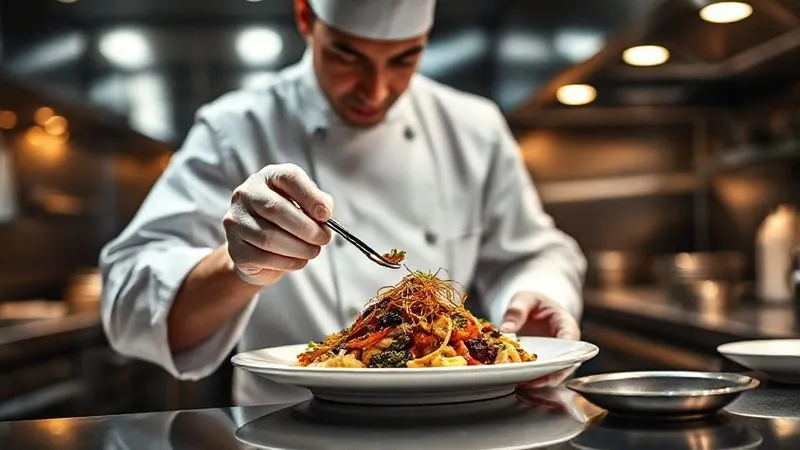
As culinary guru Anthony Bourdain often emphasized, the soul of a restaurant lies in its kitchen and the people who work there. The same holds true for a cruise ship. A chef with a genuine passion for food and a track record of excellence is your best bet for a truly authentic gourmet experience.
Ingredient Sourcing: Farm-to-Table (or Sea-to-Table) Authenticity
The foundation of any authentic gourmet meal is the quality and provenance of its ingredients. On land, the "farm-to-table" movement has revolutionized dining. At sea, the challenge is greater, but the commitment to "sea-to-table," "farm-to-ship," or "local-to-port" sourcing is a hallmark of true culinary excellence. I've always maintained that you can't make a great dish from mediocre ingredients, no matter how skilled the chef.
A cruise line genuinely committed to gourmet dining will go to extraordinary lengths to source the best possible ingredients, often establishing relationships with local producers in various ports of call. This not only ensures freshness and quality but also allows for a more authentic reflection of the regions visited, enriching your culinary journey significantly. It’s a commitment that transcends mere logistics and speaks to a deeper respect for food.
To evaluate a cruise line’s ingredient sourcing, consider these points:
- Specific Supplier Mentions: Does the cruise line mention specific farms, fisheries, or artisanal producers they work with? Look for names of local purveyors in their descriptions.
- Seasonal and Regional Menus: Are menus adapted to reflect the season and the geographical region the ship is sailing through? This is a strong indicator of fresh, local sourcing. For instance, a Mediterranean cruise should feature local seafood, olives, and produce from that region.
- Sustainability Practices: A focus on sustainable sourcing, particularly for seafood, is often aligned with higher quality. Look for commitments to organizations like Monterey Bay Aquarium Seafood Watch or similar certifications.
- Onboard Gardens/Hydroponics: While rare, some ultra-luxury lines are experimenting with onboard herb gardens or hydroponic farms. This is a clear signal of an extreme commitment to freshness.
- Freshness Over Frozen: Inquire (if possible, through travel agents or forums) about the proportion of fresh versus frozen ingredients, especially for key items like seafood and produce.
Case Study: How 'The Oceania Pearl' Elevated Its Culinary Game
The Oceania Pearl, a mid-sized luxury cruise ship, faced criticism for inconsistent dining quality despite its premium price point. Their marketing highlighted "global cuisine" but lacked specific sourcing details. After an internal review, I advised their culinary director to pivot towards a "Port-to-Plate" philosophy. They forged direct relationships with local farmers and fishermen in each major port on their itineraries, from Alaskan salmon purveyors to Tuscan olive oil producers. This meant smaller, more agile procurement, but the impact was transformative. Within two seasons, passenger satisfaction scores for dining rose by 40%, with specific commendations for freshness and authentic regional flavors. This resulted in increased repeat bookings and a solidified reputation as a top-tier culinary cruise.
Specialty Restaurants vs. Main Dining Rooms: Where True Gastronomy Resides
On most luxury cruises, you'll find a hierarchy of dining venues. While the main dining room (MDR) has certainly improved across the board, the true bastions of authentic gourmet dining are almost invariably the specialty restaurants. These are typically smaller, more intimate venues, often requiring reservations and sometimes an additional fee. This structure allows for a higher staff-to-guest ratio, more personalized service, and a greater focus on intricate, high-quality dishes.
In my experience, thinking of the MDR as your daily sustenance and the specialty restaurants as your "culinary events" is a helpful framework. The specialty venues are where chefs often have more creative freedom, access to premium ingredients, and the opportunity to showcase true culinary artistry. They are designed to deliver a more exclusive and memorable dining experience, often mirroring the quality and ambiance of a high-end land-based restaurant.
To maximize your gourmet experience through specialty dining:
- Book Early: Reservations for popular specialty restaurants fill up quickly, often months in advance, especially for smaller ships. Plan your dining schedule as soon as booking opens.
- Understand the Surcharge: Don't let an extra fee deter you. This charge often covers the cost of higher-end ingredients, more complex preparations, and superior service. View it as an investment in a truly memorable meal.
- Examine Specialty Menus Closely: Compare the specialty menus to the MDR menus. Look for unique dishes, specific ingredient call-outs, and a clear culinary theme or direction.
- Inquire About Chef Interaction: In some specialty restaurants, you might have the opportunity to interact with the chef or sous chef, particularly on smaller luxury vessels. This personal touch can enhance the experience.
- Don't Overlook Tasting Menus: Many gourmet specialty restaurants offer tasting menus with optional wine pairings. This is often the best way to experience the chef's full range and vision.
| Feature | Main Dining Room | Specialty Restaurant | Gourmet Indicator |
|---|---|---|---|
| Cost | Included | Often Surcharge | Higher investment for superior experience |
| Ambiance | Larger, sometimes bustling | Intimate, refined | Conducive to focused dining |
| Menu Complexity | Broader appeal, simpler dishes | Fewer choices, intricate dishes | Focus on quality over quantity |
| Ingredient Quality | Good, but standard | Premium, often unique | Access to exceptional ingredients |
| Service Style | Efficient, often fast-paced | Personalized, attentive | Elevated service matching culinary standards |
Wine Pairings & Beverage Programs: Elevating the Culinary Journey
Authentic gourmet dining extends beyond the food itself; it encompasses the entire sensory experience, and a sophisticated beverage program is integral to this. A truly exceptional culinary cruise will feature not just an extensive wine list, but also knowledgeable sommeliers, innovative cocktail programs, and perhaps unique non-alcoholic pairings. I've often found that the quality of the wine program is a strong proxy for the overall commitment to gourmet excellence.
A skilled sommelier can transform a good meal into an extraordinary one, guiding you through selections that perfectly complement and enhance the flavors on your plate. Their expertise is invaluable, and their presence indicates a cruise line's dedication to a holistic gourmet experience. Furthermore, a focus on craft cocktails using fresh ingredients or a curated selection of artisanal beers speaks volumes about attention to detail.
To assess and leverage the beverage program:
- Review the Wine List Pre-Cruise: Many luxury cruise lines publish their wine lists online. Look for breadth, depth, and specific vintages. Are there well-known regions represented, alongside interesting smaller producers?
- Inquire About Sommeliers: Does the cruise line employ certified sommeliers? Are they dedicated to specific restaurants or available throughout the ship? A Wine Spectator-level wine program is a strong positive.
- Consider Wine Pairing Dinners: Many specialty restaurants offer specific wine pairing menus. These are designed to showcase the synergy between food and wine and are often highlights of the gourmet experience.
- Explore Craft Cocktail Menus: Beyond the standard bar offerings, look for unique, house-made cocktails featuring fresh juices, artisanal spirits, and creative flavor combinations.
- Ask About Non-Alcoholic Pairings: For those who don't drink alcohol, some ultra-luxury lines are starting to offer sophisticated non-alcoholic pairings, such as artisanal teas, custom mocktails, or gourmet juices. This is a sign of truly inclusive gourmet thinking.
Dietary Needs & Customization: A Sign of True Flexibility
In today's diverse culinary landscape, the ability of a kitchen to gracefully and expertly accommodate dietary restrictions and preferences is a significant indicator of its gourmet credentials. It's not just about providing a gluten-free option; it's about crafting an equally delicious and thoughtful meal that respects individual needs without compromising on flavor or presentation. I've found that cruise lines truly committed to gourmet dining view dietary requests as an opportunity to showcase their culinary skill, not a burden.
This level of flexibility requires highly trained chefs, a well-organized kitchen, and a proactive approach to guest communication. It reflects a deep understanding of ingredients and preparation techniques, allowing chefs to adapt dishes without sacrificing authenticity or taste. When a cruise line can deliver an exceptional meal for every guest, regardless of their dietary profile, it speaks volumes about their overall culinary excellence.
To ensure your dietary needs are met with gourmet standards:
- Communicate Early and Clearly: Inform your travel agent and the cruise line directly about all dietary restrictions or allergies well in advance of your sailing. Provide specific details.
- Reconfirm Onboard: Upon embarkation, speak with the Maître d' or the restaurant manager. In specialty restaurants, try to speak directly with the chef or sous chef if possible.
- Look for Dedicated Menus: Some luxury lines offer separate gluten-free, vegan, or vegetarian menus that go beyond simple adaptations, offering genuinely creative dishes.
- Observe Staff Knowledge: Pay attention to how knowledgeable the waitstaff are about ingredients and preparation methods when you ask questions regarding your dietary needs.
- Provide Feedback: If your dietary needs are handled exceptionally well (or poorly), provide specific feedback. This helps cruise lines refine their offerings.
A truly gourmet kitchen demonstrates its mastery not just in creating extraordinary dishes, but in its ability to adapt and innovate for every guest, ensuring no one's culinary journey is compromised.
Pre-Cruise Due Diligence: Reviews, Forums, and Expert Opinions
While marketing materials and chef profiles are important, real-world experiences offer invaluable insights into how to guarantee authentic gourmet dining on luxury cruises. In my extensive career, I've learned that combining official information with peer reviews and expert opinions provides the most comprehensive picture. However, sifting through the noise to find credible information requires a keen eye and a critical approach.
Not all reviews are created equal. Some are overly enthusiastic, others overly critical, and many lack the detailed specifics needed to truly assess culinary quality. Your goal is to identify patterns, look for consistent praise or criticism regarding specific aspects of the dining experience, and seek out insights from seasoned cruisers who share your appreciation for genuine gourmet food. This due diligence is a critical step in setting realistic expectations and making informed choices.
Here's how to conduct effective pre-cruise due diligence:
- Target Specific Review Sites: Focus on reputable cruise review sites (e.g., Cruise Critic, forums dedicated to luxury travel) rather than generic travel sites, as these often have more experienced and detailed reviewers.
- Look for Detailed Food Reviews: Don't just read overall cruise reviews. Search specifically for comments on dining, mentioning specific restaurants, dishes, ingredient quality, and chef performance.
- Identify Experienced Reviewers: Pay more attention to reviews from individuals who have sailed on multiple luxury lines or who clearly articulate what "gourmet" means to them, using specific culinary terms.
- Cross-Reference Information: If multiple independent sources (different review sites, travel blogs, expert articles) consistently praise or criticize a particular dining venue or aspect, it's likely accurate.
- Engage in Forums: Join online cruise forums and ask specific questions about the culinary program of the ship or line you're considering. Seasoned members often have firsthand, up-to-date insights.
- Consult Travel Advisors: Work with a travel advisor specializing in luxury cruises. They often have direct relationships with cruise lines and receive regular updates and feedback on culinary programs.
Post-Cruise Feedback: Shaping Future Culinary Excellence
Your journey to guarantee authentic gourmet dining on luxury cruises doesn't end when you disembark. In fact, providing thoughtful, constructive feedback post-cruise is a powerful, yet often overlooked, step in shaping future culinary excellence. Cruise lines, especially those in the luxury segment, genuinely value guest input. Your detailed observations can help them refine their menus, improve sourcing, and enhance the overall dining experience for everyone, including yourself on future voyages.
Think of your feedback as a contribution to the ongoing evolution of luxury cruise gastronomy. By articulating what worked wonderfully and where improvements could be made, you become an active participant in maintaining and elevating the standards of gourmet dining at sea. This is not just about complaining; it's about providing actionable insights from an informed perspective, helping cruise lines meet the high expectations of discerning foodies like us.
Here's how to provide effective post-cruise feedback:
- Be Specific and Detailed: Instead of saying "the food was bad," specify which dishes, which restaurants, and what aspects (e.g., seasoning, temperature, quality of ingredients) were unsatisfactory or exceptional.
- Highlight Positives: Always commend what was excellent. Praise specific chefs, servers, dishes, or experiences. Positive reinforcement is just as valuable as constructive criticism.
- Utilize Official Channels: Complete the cruise line's official post-cruise survey thoroughly. These surveys are typically reviewed by management.
- Consider a Direct Email: For particularly noteworthy experiences (positive or negative), consider writing a polite, detailed email to the cruise line's guest relations department.
- Share on Forums (Thoughtfully): While sharing experiences on public forums is useful for others, ensure your feedback is balanced, factual, and constructive, not just a rant.
- Suggest Solutions (If Applicable): If you have ideas for improvement, share them. For example, "I noticed a lack of local seafood options in X region; perhaps partnering with local fishermen there could enhance the authenticity."
Frequently Asked Questions (FAQ)
What's the difference between "fine dining" and "gourmet" on a cruise? While often used interchangeably, "fine dining" typically refers to the elevated ambiance, service, and presentation. "Gourmet," in my expert opinion, goes deeper – it signifies a profound commitment to exceptional ingredient quality, innovative culinary techniques, the chef's artistry, and often a reflection of regional authenticity. You can have fine dining that isn't truly gourmet, but true gourmet dining should always encompass fine dining standards.
Are there specific cruise lines known for consistently exceptional gourmet experiences? Absolutely. Lines like Regent Seven Seas Cruises, Oceania Cruises (especially for foodies), Silversea, Seabourn, and to a significant extent, Viking Ocean Cruises, have built strong reputations for their culinary programs. However, even within these lines, specific ships or itineraries might excel more than others. Always do your due diligence on the specific voyage.
How much extra should I expect to pay for true gourmet dining? This varies significantly. Some ultra-luxury lines include all specialty dining in their fare. Others charge a per-person surcharge, typically ranging from $40-$150 per person, for their most exclusive venues. Wine pairings or premium beverages will almost always be an additional cost. Consider these surcharges an investment in a significantly elevated experience.
Can I trust online reviews about cruise ship food? You can, but with caution and critical analysis. Look for detailed reviews that mention specific dishes, ingredients, and dining venues, rather than vague statements. Prioritize reviews from experienced cruisers who have a clear understanding of what constitutes gourmet. Cross-reference multiple sources to identify consistent patterns.
What if I have very specific dietary needs for gourmet meals? Communicate early and often. Inform the cruise line and your travel agent well in advance. Upon embarkation, speak with the Maître d' or the Executive Chef (if possible) to reconfirm. True luxury cruise lines with gourmet aspirations are typically very adept at handling complex dietary needs, often preparing bespoke meals to ensure your experience is as exceptional as any other guest's.
Key Takeaways and Final Thoughts
Guiding you through the intricacies of how to guarantee authentic gourmet dining on luxury cruises has been a passion of mine for years. It's a journey that demands discernment, proactive research, and an appreciation for the art of food. Remember, a truly authentic gourmet experience at sea is not just about eating; it's about savoring, discovering, and connecting with the culinary traditions of the world, all from the comfort of your luxurious floating haven.
To recap the most critical, actionable advice:
- Decode the Marketing: Look beyond glossy images for specific details on menus, chefs, and sourcing.
- Research the Chefs: A strong Executive Chef with a proven pedigree is paramount.
- Prioritize Sourcing: Seek out lines committed to fresh, local, and sustainable ingredients.
- Embrace Specialty Dining: These are often the true culinary gems onboard.
- Evaluate Beverage Programs: Expert sommeliers and curated lists elevate the entire meal.
- Communicate Dietary Needs: A truly gourmet kitchen will accommodate with grace and skill.
- Conduct Thorough Due Diligence: Leverage credible reviews and expert insights.
- Provide Constructive Feedback: Your input helps shape future culinary excellence.
By adopting these strategies, you're not just booking a cruise; you're curating a bespoke culinary adventure. The world of luxury cruise travel offers incredible gastronomic potential, and with this knowledge, you are now empowered to unlock it fully. Bon voyage, and bon appétit!
Recommended Reading
- 7 Pillars: Vetting Unique City Walking Tours for Elite Client Entertainment
- Streamlining Spaceports: 7 Strategies for Cost-Effective Tourist Flights
- Safeguard Your Beachfront Villa: 7 Climate Risk Protection Strategies
- 5 Critical Steps: Mitigating Professional Liability in Unsound Urban Ruins
- 7 Metrics: How to Evaluate True Conservation Impact of Short-Term Volunteer Teams?





Your email address will not be published. Required fields are marked *