

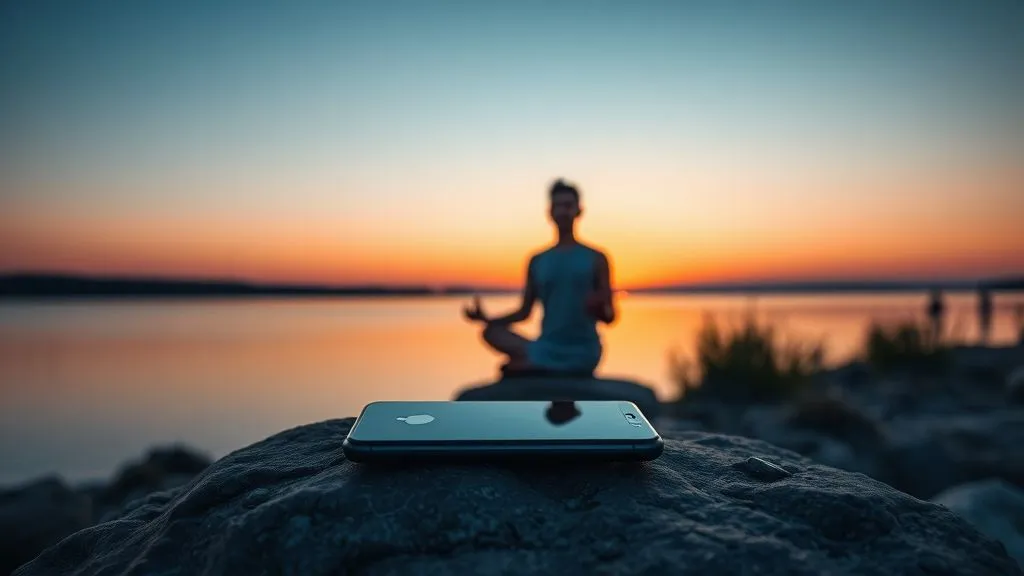
How to Disconnect from Work During a Solo Relaxation Retreat?
For over 15 years in the solo travel and wellness space, I’ve witnessed a common, often heartbreaking, pitfall: individuals embarking on a solo relaxation retreat, brimming with hope for rejuvenation, only to find themselves tethered to their work. They physically leave their desks, but their minds remain stubbornly in the office, scrolling through emails or mentally drafting presentations.
This isn’t just a minor inconvenience; it’s a profound betrayal of the very purpose of a retreat. The constant hum of work-related thoughts, the irresistible urge to “just check one email,” or the gnawing guilt of being away, can utterly sabotage any attempt at true rest and introspection. It robs you of the deep, restorative peace that a solo journey promises.
In this definitive guide, I’ll share the actionable frameworks, proven strategies, and expert insights I’ve cultivated over years of experience. You’ll learn not just what to do, but how to genuinely sever the digital and psychological ties to your job, allowing you to fully embrace the transformative power of your solo relaxation retreat.
The Modern Solo Traveler's Dilemma: Why Disconnecting is So Hard
The allure of a solo retreat is powerful: a chance to step away, reflect, and recharge on your own terms. Yet, the reality for many is a constant battle against the encroachment of work. Why is it so incredibly difficult to truly disconnect?
One major factor is the pervasive “always-on” culture that modern technology has fostered. Our smartphones, tablets, and laptops are not just tools; they’ve become extensions of our professional identity, blurring the lines between work and personal life. The expectation, often self-imposed, to be constantly available creates a psychological tether that’s hard to cut.
Furthermore, many professionals struggle with what I call “productivity guilt.” Taking time off, especially for pure relaxation, can feel indulgent or even irresponsible when deadlines loom or colleagues are working. This internalized pressure prevents us from fully surrendering to rest, leading to a state of “present but not present” during our precious time away.
Finally, the fear of missing out (FOMO) – not just socially, but professionally – plays a significant role. We worry about important decisions being made without us, opportunities slipping away, or a mountain of work piling up upon our return. Addressing these deep-seated anxieties is paramount for a successful disconnect.
Pre-Retreat Preparation: Setting the Stage for True Unplugging
True disconnection doesn’t happen spontaneously; it’s a deliberate act of preparation. My experience shows that the success of your solo retreat hinges significantly on the actions you take before you even leave.
Communicate Your Absence Effectively
This is your first line of defense. Don’t just send a generic “out of office” email. Be proactive and comprehensive:
- Inform Key Stakeholders: Weeks in advance, notify your team, clients, and essential contacts about your upcoming retreat dates.
- Set Clear Expectations: Explicitly state that you will have limited or no access to email and phone. Emphasize that responses will be delayed until your return.
- Provide Emergency Contacts: Designate a colleague or manager who can handle urgent matters in your absence. Make sure they are fully briefed.
- Craft a Detailed Out-of-Office Message: Include your return date, who to contact for urgent issues, and a polite but firm statement about your unavailability.
Delegate and Automate Tasks
Before you go, systematically offload responsibilities. This requires trust in your team and meticulous planning.
- Task Assignment: Clearly assign ongoing projects and daily tasks to colleagues. Provide all necessary context and resources.
- Process Documentation: Ensure any critical processes you usually handle are well-documented and accessible to those covering for you.
- Automation: Leverage scheduling tools for social media posts, email newsletters, or routine reports.
According to a study published in the Harvard Business Review, effective delegation is not just about offloading work, but about empowering your team and improving overall organizational efficiency, making your absence smoother.
Establish Digital Boundaries
This is where the rubber meets the road. Decide on your digital rules *before* you leave.
- Device Management: Will you bring your work phone/laptop? If so, will it be turned off and stored away? Or left at home entirely?
- App Removal: Consider deleting work-related apps (email, Slack, project management tools) from your personal phone.
- Notification Disablement: Turn off all non-essential notifications on your personal devices.
Case Study: David’s Pre-Retreat Protocol
David, a marketing manager, consistently struggled with disconnecting. Before his last solo retreat to the mountains, he implemented a strict pre-retreat protocol. Two weeks prior, he started delegating 80% of his routine tasks, creating a comprehensive “vacation handover” document. He set up an out-of-office message specifying no email access and even removed his work email app from his personal phone. This meticulous planning allowed him to leave with a clear conscience, knowing his team was supported and he wouldn’t be tempted.
| Pre-Retreat Task | Status | Notes |
|---|---|---|
| Inform Stakeholders | Completed | Sent email to team and clients |
| Delegate Critical Tasks | Completed | Assigned ongoing projects to Sarah and Tom |
| Set Up Out-of-Office | Completed | Custom message with emergency contact |
| Remove Work Apps | Completed | Deleted Slack and Email from personal phone |
| Charge & Store Work Devices | Completed | Laptop and work phone off and in a drawer |
Embracing the Digital Detox: Strategies for Your Retreat
Once you’re on your retreat, the real challenge – and opportunity – begins. This is where you actively engage in the process of unplugging.
The “Sacred Device” Rule
If you absolutely must bring a phone for safety or navigation, designate it a “sacred device” with very specific, limited uses. In my experience, this means:
- No Work-Related Apps: Reiterate that all work apps should be deleted or at least disabled.
- Time-Blocked Access: Allow yourself one brief, pre-scheduled window (e.g., 15 minutes every 2-3 days) to check only essential personal messages or flight details.
- Physical Separation: Keep the device out of sight and out of reach when not in use. Don’t have it by your bed or at the dinner table.
Mindful Engagement with Technology
If a complete digital detox isn’t feasible, practice mindful engagement. This means being acutely aware of why you’re picking up your device and what you’re doing with it.
- Ask Yourself: “Is this truly necessary right now?” or “Am I reaching for this out of habit or genuine need?”
- Set a Timer: If you need to look something up, set a timer for 5-10 minutes. When it goes off, put the device away.
- Observe Your Feelings: Notice how checking emails or social media makes you feel. Does it enhance your relaxation or detract from it?

Cultivating Presence: Immersive Activities for Deep Relaxation
Disconnecting from work isn’t just about avoiding technology; it’s about actively engaging with the present moment and replacing old habits with new, restorative ones. This is where the true “relaxation” in your retreat truly begins.
Engage Your Senses: Nature and Art
Solo retreats often place you in beautiful, stimulating environments. Leverage them:
- Nature Walks/Hikes: Focus on the sounds (birds, waves), smells (pine, ocean air), and sights (colors, textures). Leave the camera in your bag for a while and just *be*.
- Art & Creativity: Visit local galleries, sketch in a notebook, or try a local craft. Engaging your creative side is a powerful way to shift your mental focus away from analytical work.
- Culinary Exploration: Savor local foods. Pay attention to flavors, textures, and the experience of eating slowly and mindfully.
Embrace Solitude: Journaling and Reflection
A solo retreat is a unique opportunity for introspection. Don’t let it pass you by.
- Daily Journaling: Dedicate time each day to free-form writing. Explore your thoughts, feelings, and observations without judgment. This helps process any lingering work-related thoughts.
- Meditation & Mindfulness: Even 10-15 minutes of guided or unguided meditation can significantly reduce stress and enhance presence. Apps like Calm or Headspace can be useful, but remember the “sacred device” rule.
- Reading for Pleasure: Pick up a physical book. Immerse yourself in a story or learn about a topic completely unrelated to your profession.
Physical Movement as Meditation
Movement is a fantastic way to release tension and ground yourself.
- Yoga or Tai Chi: These practices combine physical movement with breathwork and mindfulness.
- Swimming: The rhythmic motion and sensory immersion of water can be incredibly calming.
- Dancing: Put on some music and just move. Let go of inhibitions and enjoy the freedom of your body.

Overcoming the Guilt Trap: Shifting Your Mindset
Even with meticulous planning and engaging activities, the “guilt trap” – the feeling that you should be working or being more “productive” – can creep in. This is a crucial psychological barrier to address.
Reframing Productivity
We often equate productivity with constant activity. But true productivity, especially in a demanding professional world, includes periods of rest and recovery. As renowned author and marketing guru Seth Godin often emphasizes, “Rest isn’t idleness, it’s an investment.”
Your solo relaxation retreat is not a break from productivity; it is a form of productivity. It’s an investment in your mental clarity, creativity, and long-term resilience, which will ultimately make you more effective when you return to work.
Understanding the Benefits of True Rest
Remind yourself of the scientific benefits of deep rest:
- Enhanced Creativity: Stepping away allows your subconscious mind to make new connections.
- Improved Problem-Solving: A rested mind is better equipped to tackle complex challenges.
- Reduced Burnout: Regular breaks are essential for preventing chronic stress and exhaustion.
- Better Decision-Making: Fatigue impairs judgment. Rest sharpens it.
Case Study: Sarah’s Journey to Guilt-Free Relaxation
Sarah, a driven project manager, found herself constantly checking emails even on her “solo relaxation” retreats. She realized her guilt stemmed from a belief that her value was tied to her constant availability. During her last trip, she focused on reframing her understanding of rest. She started a gratitude journal, listing everything she appreciated about her time away and how it contributed to her well-being. She also read articles about the science of rest. By actively challenging her internal narrative, she gradually shed the guilt, allowing herself to truly relax and return to work feeling genuinely refreshed and more focused than ever before.
Building a 'Re-Entry' Strategy: Sustaining Your Peace Post-Retreat
The benefits of your solo relaxation retreat shouldn’t evaporate the moment you step back into your office. A thoughtful re-entry strategy is vital for sustaining the peace and clarity you’ve cultivated.
Gradual Reintroduction to Work
Don’t dive headfirst into your inbox on day one. Ease back in.
- Buffer Day: If possible, schedule your return home a day or two before you’re due back at work. This allows for unpacking, grocery shopping, and mentally preparing without the immediate pressure of work tasks.
- Prioritize Your First Day: On your first workday, dedicate the initial hours to reviewing emails, prioritizing tasks, and catching up with your team, rather than jumping straight into meetings or demanding projects.
- Block “Catch-Up” Time: Schedule specific blocks in your calendar for clearing your inbox and processing information. Avoid letting this spill over into your entire day.
Implementing Post-Retreat Boundaries
The boundaries you set on your retreat can and should extend to your daily life.
- Designated “No-Work” Hours: Establish clear times when you stop working – and stick to them.
- Digital Sabbath: Consider implementing a regular “digital Sabbath” – a few hours or a full day each week where you consciously disconnect from screens.
- Mindful Breaks: Integrate short, mindful breaks into your workday, similar to the activities you enjoyed on your retreat (e.g., a 10-minute walk, a moment of quiet reflection).

Leveraging Tools & Techniques for a Seamless Disconnect
While the core of disconnecting is about mindset and intentional action, certain tools and techniques can significantly support your efforts.
App Blockers and Focus Apps
For those who struggle with digital temptations, technology can actually be part of the solution:
- App Blockers: Tools like Freedom, Cold Turkey, or Forest can block distracting websites and apps for set periods. This is particularly useful if you’re bringing a device for non-work purposes but want to avoid accidental slips into work-related platforms.
- Focus Timers: Apps based on the Pomodoro Technique (e.g., Focus To-Do, Tomato Timer) can help you manage your “allowed” screen time by breaking it into focused bursts followed by short breaks.
Mindfulness Apps and Guided Meditations
These can be invaluable for cultivating presence and managing anxiety, especially during the initial phase of your retreat:
- Calm & Headspace: Offer guided meditations, sleep stories, and mindfulness exercises that can help quiet a busy mind.
- Insight Timer: Provides a vast library of free guided meditations from various teachers, perfect for beginners and experienced meditators alike.
- Nature Sound Apps: If you’re in an urban environment or simply want to enhance your relaxation, apps with ambient nature sounds (rain, waves, forest) can create a calming atmosphere.
Remember, the goal is to use these tools strategically, not to become reliant on them. They are aids to help you build the habit of disconnection and presence.

| Category | Tool/Technique | Benefit |
|---|---|---|
| Pre-Retreat Planning | Detailed Out-of-Office Message | Clear communication, manages expectations |
| Digital Detox | App Blockers (e.g., Freedom) | Prevents access to distracting work apps |
| Mindset Shift | Journaling | Processes thoughts, reframes guilt |
| Presence Cultivation | Guided Meditation Apps (e.g., Calm) | Enhances mindfulness, reduces stress |
| Re-Entry Strategy | Buffer Day | Smooth transition back to routine |
Frequently Asked Questions (FAQ)
What if an actual work emergency happens? How do I handle it without completely breaking my disconnect? This is precisely why pre-retreat planning is critical. By designating a clear emergency contact and outlining protocols, you minimize the chances. If an absolute, unavoidable emergency occurs, process it calmly. Address the urgent task, and then immediately return to your unplugged state. Don't let one incident derail your entire retreat. Reaffirm your boundaries and remind yourself that the emergency was an exception, not a reason to abandon your efforts.
Is it realistic to completely avoid checking work emails for an entire week? For many, yes, it is entirely realistic and highly recommended. The key is in the preparation: clear communication, effective delegation, and setting firm boundaries with yourself and your team. If your role genuinely requires some minimal check-ins, establish a strict, time-limited schedule (e.g., 15 minutes every 3 days) and stick to it religiously. The less you check, the deeper your relaxation will be.
I feel guilty leaving my team with extra work. How do I overcome this? This is a common and empathetic concern. Recognize that taking time to recharge is not a burden; it’s an investment in your long-term capacity to contribute effectively. A well-rested leader or team member is more productive, creative, and resilient. By empowering your team through delegation, you’re also fostering their growth and capability. Frame it as an opportunity for them to step up, and for you to return stronger.
What if my company culture doesn't support disconnecting? This is a challenging but not insurmountable obstacle. Start by setting personal boundaries within what you can control. Communicate your intentions clearly and professionally. Demonstrate the positive impact of your rejuvenated state upon return. Over time, your example might even inspire a shift in culture. Advocating for better work-life balance starts with individual action. You might also find valuable insights on navigating this in resources like Forbes’ articles on workplace culture.
How do I prevent myself from immediately falling back into old habits upon returning from my retreat? This is where the re-entry strategy comes in. Don't wait until you're back at your desk to think about it. Plan your first few days back carefully. Continue some of the mindful practices you enjoyed on your retreat, like journaling or short walks. Maintain your digital boundaries by not immediately re-installing work apps or checking emails late at night. Gradually reintroduce work, and be intentional about protecting your newfound peace.
Key Takeaways and Final Thoughts
Disconnecting from work during a solo relaxation retreat is not a passive act; it’s a proactive, intentional journey. It requires foresight, discipline, and a deep understanding of your own psychological triggers. As an experienced industry specialist, I’ve seen firsthand how transformative these retreats can be when approached with the right strategy.
- Preparation is Paramount: Meticulous pre-retreat planning, including clear communication and delegation, is your strongest foundation.
- Embrace Digital Boundaries: Whether it’s a full detox or mindful engagement, control your devices, don’t let them control you.
- Cultivate Presence: Actively engage your senses and mind in non-work activities like nature, art, journaling, and movement.
- Challenge Guilt: Reframe rest as a vital component of productivity and self-care, not an indulgence.
- Plan Your Re-Entry: Create a strategy to gradually transition back to work and sustain the peace you’ve gained.
Your solo relaxation retreat is a sacred opportunity to reconnect with yourself, recharge your spirit, and return to your life with renewed vigor and clarity. By applying these expert strategies, you’re not just taking a break; you’re investing in a healthier, more balanced, and ultimately more fulfilling way of living. Embrace the journey, trust the process, and allow yourself the profound gift of true disconnection.
Recommended Reading
- The Ultimate Guide: How to Avoid Hidden Travel Fees & Surcharges?
- 7 Steps: Verify Zip Line Safety for Your Luxury Adventure Clients
- Minimize Impact: Natural Wonder Tourism - 7 Proven Strategies
- Unveiling the Truth: How to Avoid Harmful Voluntourism Experiences?
- 7 Proven Strategies: Funding Historical Railway Preservation Projects





Your email address will not be published. Required fields are marked *