

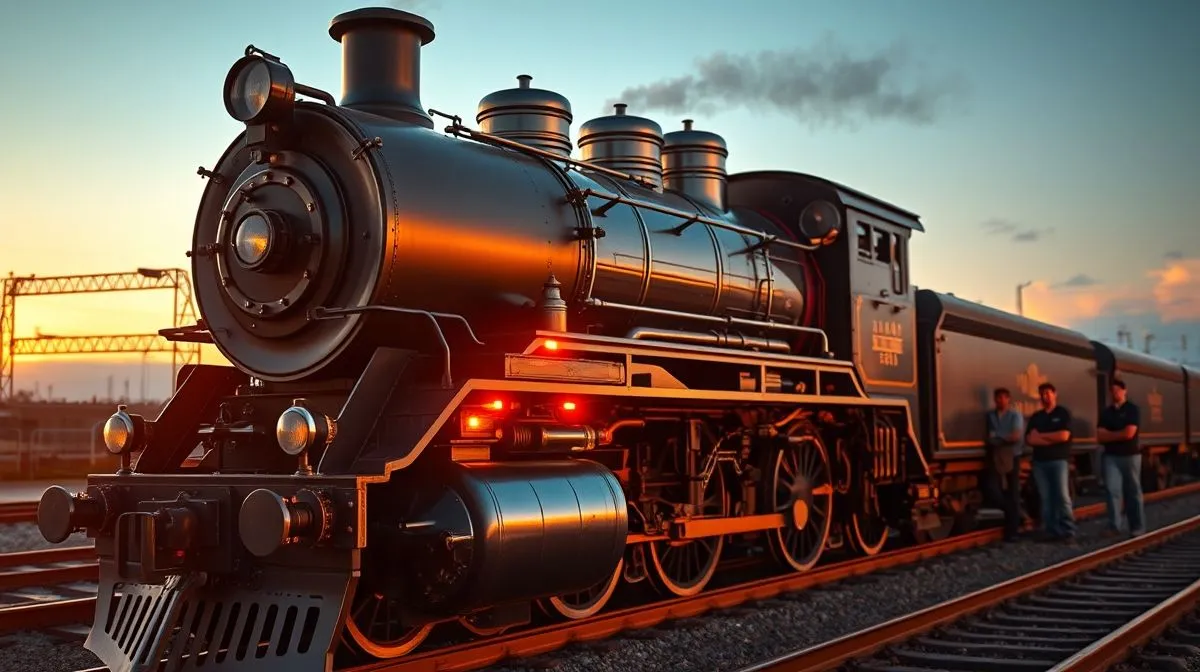
Struggling to fund historical railway preservation projects?
For over three decades immersed in the fascinating, often challenging, world of railway heritage, I've seen countless steam locomotives brought back to life, historic stations lovingly restored, and vital rail lines saved from oblivion. This isn't just about steel and steam; it's about preserving a tangible link to our industrial past, a connection to the very veins that built our nations and shaped our communities.
The enduring challenge, however, for almost every preservation society, museum, or volunteer group, is a persistent one: finding and securing the necessary financial resources. Whether it's the sheer cost of boiler repair, track maintenance, or simply keeping the lights on, many find themselves perpetually struggling to fund historical railway preservation projects? It’s a battle fought with immense passion, but often, a lack of consistent, robust funding.
Through years of navigating these very waters, from securing pivotal grants to orchestrating ambitious community campaigns, I've distilled the core strategies that truly work. In this definitive guide, I'll share my insights, battle-tested frameworks, and actionable steps to help you overcome these financial hurdles, ensuring your vital railway heritage projects not only survive but thrive for generations to come.
The Unseen Costs: Why Railway Preservation is So Expensive
Before we dive into solutions, it’s crucial to understand the unique financial demands of railway preservation. Unlike a static museum exhibit, a heritage railway is often a living, breathing, and moving entity, subject to immense wear and tear, stringent safety regulations, and the relentless march of time.
The Mechanical Marvels: Rolling Stock Restoration
Restoring a locomotive or carriage is not just a coat of paint. It involves painstaking work on boilers, frames, running gear, and interiors. Parts are often bespoke, requiring skilled artisans and engineers. A single boiler overhaul can run into hundreds of thousands, if not millions, of dollars.
- Boiler inspections and repairs: Mandatory, complex, and costly.
- Component fabrication: Many parts are no longer manufactured.
- Specialist labor: Highly skilled and specialized individuals are needed.
Infrastructure & Operations: More Than Just Tracks
A railway needs tracks, bridges, signals, stations, and depots. Maintaining these elements to modern safety standards is an ongoing, capital-intensive endeavor. Then there are the operational costs: insurance, utilities, fuel, staff wages, and marketing.
"The true cost of railway preservation isn't just the initial restoration; it's the perpetual commitment to safety, maintenance, and operational excellence."
According to a report by the National Heritage Lottery Fund, infrastructure and operational costs often represent the largest long-term financial burden for heritage railway organizations. This is where many projects, despite initial enthusiasm, can falter without a sustainable funding strategy.
Building a Robust Funding Foundation: Beyond Membership Dues
While membership dues and ticket sales are foundational, they rarely provide enough capital for major projects or long-term sustainability. A diversified funding portfolio is essential, much like a balanced investment strategy.
Strategic Pillars for Sustainable Funding
- Grants & Foundations: Often overlooked or intimidating, but a powerful source.
- Corporate Sponsorships: Mutually beneficial partnerships.
- Individual Giving & Campaigns: Engaging your passionate supporters.
- Earned Income & Commercial Ventures: Innovative ways to generate revenue.
- Legacy & Endowment Giving: Securing the distant future.
I've seen organizations pivot successfully by recognizing that reliance on a single income stream is a recipe for instability. Diversification reduces risk and opens doors to larger-scale ambitions.
Mastering the Grant Application Process: Your Blueprint for Success
Grants are often the lifeblood for significant projects, but the application process can seem daunting. My advice? Treat it like a strategic campaign, not just paperwork.
Key Steps to Grant Success
- Research Thoroughly: Identify grants specifically for heritage, preservation, education, or community development. Look beyond obvious railway-specific grants. Many general arts, culture, or community funds have criteria that fit.
- Understand the Funder's Mission: Tailor your application to align with their goals, not just your own. Show how your project helps them achieve their objectives.
- Articulate Impact: Don't just list what you'll do; explain the tangible impact. How many people will benefit? What historical knowledge will be preserved? What economic impact will it have on the local community?
- Demonstrate Need & Capacity: Clearly state why the funds are needed and show that your organization has the expertise, volunteers, and governance to successfully execute the project.
- Craft a Compelling Narrative: Grants are often won on emotion as much as logic. Tell the story of your railway, its significance, and the passion behind its preservation.
- Budget Meticulously: Provide a clear, detailed, and realistic budget. Show how every dollar will be spent.
- Proofread & Review: A sloppy application reflects poorly on your organization. Get multiple eyes on it.
Case Study: The 'Iron Horse Revival' Grant Success
The fictional 'Iron Horse Revival Society' was struggling to fund historical railway preservation projects, specifically a major boiler overhaul for their flagship locomotive, 'The Pioneer.' They had relied heavily on local fundraising. Following a grant strategy, they identified a national heritage trust with a focus on industrial history education. Instead of simply asking for money for a boiler, they framed their application around 'The Pioneer' as a living classroom, detailing how the restored locomotive would enable educational programs for schools, teaching engineering principles and industrial history. They secured a £500,000 grant, demonstrating how a shift in narrative can unlock significant funding.
Forging Powerful Partnerships: Corporate, Community, and Collegiate Collaborations
Partnerships extend your reach, resources, and credibility. Look beyond monetary contributions for mutually beneficial relationships.
Corporate Sponsorships: More Than Just Logos
Companies are increasingly looking for meaningful Corporate Social Responsibility (CSR) initiatives. Approach them with a clear value proposition: how can partnering with your railway benefit their brand, employees, or customer base?
- Naming rights: For a locomotive, carriage, or station.
- Project-specific funding: Sponsoring a specific restoration phase.
- Employee engagement: Volunteer days for staff.
- Brand alignment: If your railway's values align with theirs (e.g., sustainability, education, engineering).
As Harvard Business Review often highlights, successful corporate partnerships are built on shared values and measurable outcomes, not just philanthropy.
Community Engagement: From Enthusiasts to Advocates
Your local community is a goldmine of support. Beyond individual donations, think about how local businesses, schools, and civic groups can contribute.
- Local business sponsorships: Small, recurring contributions for specific items (e.g., benches, signs).
- Volunteer programs: Skilled tradespeople, administrative help, marketing support.
- School partnerships: Educational programs, field trips, student projects.
Collegiate Collaborations: Tapping Academic Resources
Universities often have departments in history, engineering, tourism, and even business that might be interested in your railway as a living laboratory or case study.
- Research projects: Students researching railway history, engineering challenges, or tourism impact.
- Internships: Students assisting with marketing, grant writing, or archival work.
- Engineering support: Faculty or students offering technical expertise.
Innovating Revenue Streams: From Experience Economy to Digital Assets
Traditional ticket sales are foundational, but the modern 'experience economy' offers vast potential for heritage railways. Think creatively about how your unique assets can generate income.
Beyond the Ride: Expanding Your Offerings
- Special Events: Themed rides (Christmas, Halloween, Easter), dining experiences (lunch/dinner trains), murder mystery events, 'Driver for a Day' experiences.
- Facility Hire: Renting out station buildings, carriages, or sections of track for film shoots, corporate events, or private parties.
- Merchandise & Retail: High-quality, unique souvenirs, books, and railway-themed gifts.
- Educational Programs: Workshops on railway history, engineering, or photography.
"Your railway isn't just a mode of transport; it's a unique venue, a historical artifact, and an educational institution waiting to be fully leveraged."
Leveraging Digital Assets
In the digital age, your content and online presence can be monetized. Consider:
- Online merchandise store: Reaching a global audience.
- Digital archives: Selling access to high-resolution historical photos or documents.
- Virtual tours/Experiences: Charging for exclusive online content or virtual reality tours.
- Patreon/Subscription models: For exclusive content or early access to news/events for loyal fans.
The Power of Storytelling: Engaging Hearts, Opening Wallets
People don't just donate to projects; they donate to causes they believe in, stories that move them, and visions they want to be part of. Effective storytelling is paramount when you're struggling to fund historical railway preservation projects.
Crafting Your Narrative
- Highlight the 'Why': Why is this specific railway important? What historical events did it witness? What role did it play in the community?
- Focus on the Human Element: Share stories of the engineers, the passengers, the communities it served, and the volunteers who are passionately working to save it today.
- Show, Don't Just Tell: Use powerful imagery, videos, and testimonials. A short, professionally produced video showing the railway's past glory and current state, combined with interviews with passionate volunteers, can be incredibly effective.
- Be Transparent: Share successes and challenges. People appreciate honesty and feel more invested when they understand the journey.
I’ve often advised organizations that a well-told story can unlock more funding than a meticulously detailed budget alone. Emotion drives initial interest; logic sustains it.
Legacy and Endowment Giving: Securing the Future of Heritage Rail
For long-term sustainability, heritage railways must think beyond immediate needs and cultivate legacy giving and endowment funds. This secures the future, ensuring your railway continues for generations.
Understanding Legacy Giving
Legacy giving (bequests) involves individuals designating a portion of their estate to your organization in their will. It's a testament to their deep commitment and often represents the largest single gift a person can make.
- Educate & Inform: Provide clear information on how to include your organization in a will.
- Recognize Donors: Create a 'Legacy Society' or similar program to acknowledge those who have made this commitment.
- Promote Consistently: Include information about legacy giving in newsletters, on your website, and at events. It’s a long game, but vital.
Building an Endowment Fund
An endowment fund is a permanent pool of capital where the principal is invested, and only a portion of the investment income is used annually. This provides a stable, predictable income stream for the long term.
- Start Small: Even modest initial contributions can grow over time.
- Define Purpose: Clearly state what the endowment income will support (e.g., boiler overhauls, track maintenance, educational programs).
- Transparent Management: Show donors how the fund is managed and its impact.
Securing an endowment can transform an organization from one constantly struggling to fund historical railway preservation projects to one operating from a position of financial strength and foresight.
Financial Prudence and Transparency: Building Trust and Sustainability
No matter how much funding you secure, without sound financial management, it can quickly dissipate. Trust, built on transparency and accountability, is the bedrock of sustained donor support.
Key Principles of Financial Stewardship
- Robust Accounting Practices: Maintain clear, accurate, and up-to-date financial records.
- Regular Reporting: Provide financial reports to your board, members, and major donors. Annual reports should be easily accessible.
- Budget Adherence: Stick to your budgets. If deviations occur, explain why.
- Cost-Benefit Analysis: Before undertaking major expenditures, analyze the long-term benefit and sustainability.
- Diversify Investments: If you have reserves or an endowment, ensure they are managed prudently by qualified professionals.
- Communicate Impact: Regularly inform donors how their contributions are being used and the tangible impact they are having.
"Trust is currency in the non-profit world. Transparent financial management is not just good practice; it's essential for attracting and retaining support."
Organizations that clearly demonstrate their financial health and impact are far more likely to attract repeat donations and larger investments from philanthropists and foundations. The Council on Foundations consistently emphasizes transparency as a core tenet of effective philanthropy.
Frequently Asked Questions (FAQ)
Question: What's the biggest mistake organizations make when seeking funding? The biggest mistake I've observed is a lack of diversification and a reactive approach to fundraising. Many organizations wait until they are in crisis before actively seeking major funding. A proactive, multi-faceted strategy that combines grants, individual giving, earned income, and partnerships is far more resilient. Also, failing to articulate a clear, compelling 'why' beyond just 'we need money.'
Question: How can a small, volunteer-run railway compete for large grants? Small, volunteer-run railways can absolutely compete. The key is to demonstrate passion, a clear vision, strong community support, and a realistic plan for project execution. Focus on local and regional grants first, which often have less competition. Leverage your volunteer expertise, and consider partnering with a larger, more established non-profit or a university to add credibility and administrative capacity. Storytelling is even more critical for smaller organizations to stand out.
Question: Is crowdfunding a viable option for major railway preservation projects? Crowdfunding can be highly effective for specific, tangible projects with a clear emotional appeal (e.g., restoring a particular carriage, rebuilding a section of track). It's less suited for ongoing operational costs. Success hinges on a strong online presence, a compelling video, regular updates, and a network of passionate supporters willing to share your campaign. It works best as one component of a broader fundraising strategy, not a standalone solution for the entirety of a project when you're struggling to fund historical railway preservation projects.
Question: How important is a professional website and social media presence for fundraising? Critically important. Your website is your virtual storefront and information hub. It needs to be professional, easy to navigate, mobile-friendly, and include clear calls to action for donations, volunteering, and event participation. Social media allows you to share your stories, engage with supporters, and reach new audiences daily. Many donors, especially younger generations, will research your online presence before considering a contribution. It's a foundational element for building trust and engagement.
Question: What role do 'friends of' groups play in funding? 'Friends of' groups are invaluable. They often form the bedrock of grassroots support, organizing local fundraising events, recruiting volunteers, and acting as passionate advocates. While their individual contributions might be smaller, their collective power, enthusiasm, and ability to spread awareness are immense. They are crucial for maintaining community connection and can be a vital pipeline for new members and even future board members.
Recommended Reading
- Unlock Eco-Travel: What Gear Is Essential for Sustainable Adventure Travel?
- Glamping Outdoor Kitchen Setup Ideas: Create Your Dream Campsite!
- River Cruise for Burnout? 7 Ways to Reclaim Executive Vitality
- Unlock Cozy Nights: The Ultimate Guide to Ensuring Comfort in Cold Weather Glamping Tents
- Roadside Emergency? 7 Steps for Business Travelers on a Tight Schedule
Key Takeaways and Final Thoughts
The journey of preserving our railway heritage is one of profound dedication and immense challenge. Overcoming the persistent issue of struggling to fund historical railway preservation projects requires a blend of passion, strategic thinking, and relentless execution. As an industry veteran, I've seen that success isn't about finding one magical solution, but about weaving together multiple threads of support.
- Diversify your funding streams: Don't put all your eggs in one basket.
- Master the art of storytelling: Connect emotionally with potential donors.
- Build strong partnerships: Leverage corporations, communities, and academia.
- Embrace innovation: Explore new revenue models and digital opportunities.
- Prioritize transparency: Build and maintain trust with all stakeholders.
- Think long-term: Cultivate legacy giving and endowment funds for future stability.
Your work is more than just maintaining old trains; it's about safeguarding history, inspiring future generations, and sustaining a unique cultural legacy. By adopting these strategic approaches, you can transform your financial challenges into opportunities, ensuring that the whistle continues to blow, the wheels keep turning, and the stories of our railways echo for centuries to come. The tracks ahead may have their curves, but with a solid funding strategy, your journey towards preservation will be a triumphant one.



Your email address will not be published. Required fields are marked *