

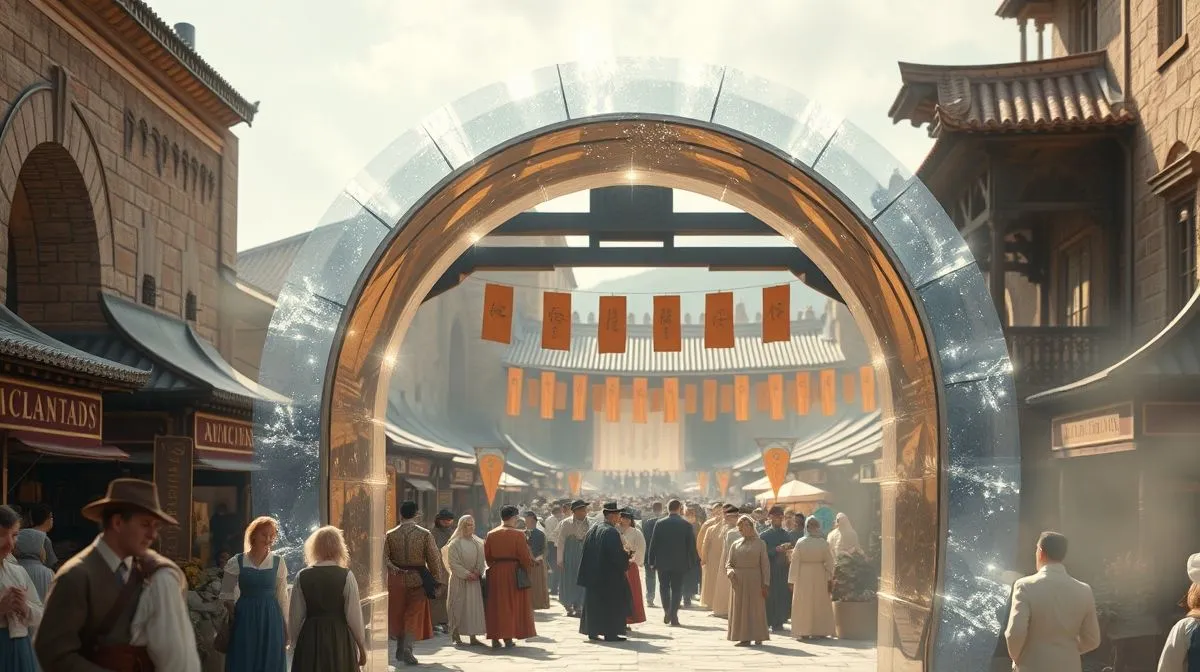
How to effectively market historical festival travel experiences?
Marketing historical festival travel isn't about simply selling tickets; it's about selling a journey through time, a tangible connection to the past. In my fifteen years navigating this unique niche, I've learned that success hinges on understanding the deep emotional and intellectual hunger that draws people to these experiences. It's about crafting an irresistible narrative that transcends mere attendance. A common mistake I see is treating historical festivals like any other event, focusing on dates and logistics rather than the profound immersion offered. To truly stand out, we must tap into the core desire for authenticity and discovery that defines our target audience. This requires a multi-faceted approach, deeply rooted in storytelling and precision targeting."You aren't selling a festival; you're selling a meticulously curated portal to another era. Your marketing must reflect that magic."One of the most potent tools in our arsenal is **crafting an irresistible narrative**. People don't just want to see history; they want to *feel* it, *taste* it, *hear* it. Your marketing content must transport them before they even book. * **Highlight the Human Element:** Focus on the stories of individuals – the struggles of a Roman legionary, the daily life of a medieval artisan, the courtly intrigue of a Renaissance noble. These human connections make history relatable. * **Evoke Sensory Details:** Describe the smell of woodsmoke, the clang of steel, the vibrant colors of period costumes, or the taste of historical cuisine. Engage all senses in your descriptions. * **Build Anticipation:** Use snippets of historical lore, character profiles, or behind-the-scenes glimpses of re-enactor preparations to pique curiosity and build excitement. Next, we must embrace **precision targeting and community engagement**. The historical festival audience isn't monolithic; it's comprised of distinct segments, each with unique motivations. Trying to appeal to everyone often means appealing effectively to no one. * **Identify Niche Segments:** Are you attracting academic historians, dedicated re-enactors, families seeking educational entertainment, or general culture enthusiasts? Each group requires tailored messaging. * **Leverage Specialized Channels:** Engage with historical societies, genealogy forums, re-enactment groups, and heritage organizations. These are often tight-knit communities eager for authentic experiences. * **Forge Strategic Partnerships:** Collaborate with local museums, historical landmarks, and even universities. Their endorsements and cross-promotional efforts can lend immense credibility and reach. Finally, **immersive visuals and experiential previews** are non-negotiable. Historical festivals are inherently visual spectacles, and your marketing must reflect this grandeur and authenticity. Static images are no longer enough to capture the imagination. * **Invest in High-Quality Photography and Videography:** Capture the dynamic energy, the intricate details of costumes, and the scale of the historical re-enactments. Professional imagery is paramount. * **Create Short Documentary-Style Films:** Go beyond promotional clips. Offer mini-documentaries about the historical period, the re-enactors' dedication, or the research behind the festival's authenticity. * **Utilize Interactive Content:** Consider 360-degree virtual tours of the festival grounds, interactive timelines, or augmented reality filters that place users in a historical setting. * **Encourage User-Generated Content:** Feature testimonials, photos, and videos from past attendees. Authentic experiences shared by peers are incredibly powerful in building trust and desire. By focusing on these core principles – a captivating narrative, precise audience targeting, and stunning visual storytelling – you can elevate your historical festival travel experiences from mere events to unforgettable journeys through time. It's about selling an education, an adventure, and a genuine connection to our shared human story.
Reading Recommendations:
- Best Age for Disney World with Toddlers: Maximize the Magic!
- Food Photography for Travel Bloggers: Top Tips & Tricks Revealed
- 7 Steps to Delegate Work for a Stress-Free Beach Holiday Return
- 5 Ways Inner Peace Travel Shields Leaders from Decision Fatigue
- Unlock Peace of Mind: Your Guide to Preventing Child Abduction During Family Travel
Key Points and Final Thoughts
Having spent over fifteen years immersed in the vibrant world of festival travel, I've seen firsthand that marketing historical festival experiences isn't just about promoting an event; it's about inviting travelers into a living, breathing narrative. It’s a delicate balance of preserving the past while making it vibrantly accessible to a modern audience.
The bedrock of any successful historical festival marketing campaign is **authenticity**. This extends beyond mere historical accuracy to the emotional resonance and genuine passion behind the recreation. In my experience, travelers don't just want to see history; they want to feel it, taste it, and become a part of it, even for a fleeting moment.
This is where **storytelling** becomes your most potent tool. Forget dry historical facts. Instead, craft narratives that evoke wonder, intrigue, and a personal connection, transforming your festival into a series of compelling chapters waiting to be explored.
Another crucial element often underestimated is the power of **community**. Historical festivals thrive on shared enthusiasm, and leveraging user-generated content, creating forums for discussion, and fostering a sense of belonging before, during, and after the event builds a loyal following that becomes your most effective marketing army.
And never, ever neglect your **digital footprint**. A common mistake I see is historical festivals believing their unique niche exempts them from modern digital marketing strategies. This is a fallacy; your website, social media, and digital content are the essential gateways for discovery, particularly for younger demographics seeking unique travel experiences.
Finally, remember the strength in **strategic partnerships**. Collaborating with local tourism boards, history societies, educational institutions, and even complementary travel brands can exponentially expand your reach and credibility. These alliances can unlock new audiences and resources that would be impossible to secure alone, solidifying your long-term market presence.
Marketing historical festival travel is not a sprint; it's a marathon. The strategies we've discussed are designed for sustained engagement and long-term growth, building a legacy as compelling as the history you celebrate.
Consider the global success of events like the Renaissance Faire circuit in the US. Their triumph isn't solely in the historical accuracy of their costumes or crafts, but in their unwavering commitment to creating an *immersive world* where visitors can shed modern anxieties and embrace a different persona. They market an escape, a transformation, an active role in history, not just a passive observation. This fundamental understanding of experiential desire is what truly sells.
Ultimately, your goal is to transform passive observers into active participants and passionate advocates. By focusing on the emotional, experiential, and communal aspects of history, you don't just market a festival; you market an unforgettable journey through time that resonates deeply and inspires future exploration.


Your email address will not be published. Required fields are marked *