

Preventing Child Abduction During Family Travel: A Parent's Definitive Guide
Imagine the excitement: the bags are packed, passports are ready, and the promise of new adventures hangs in the air. Family travel is a cherished experience, a mosaic of shared laughter, discovery, and unforgettable memories. It's a time when bonds strengthen, and the world opens up to curious young minds.
Yet, beneath the joy and anticipation, a subtle undercurrent of concern often lingers for parents. The thought of a child going missing, even for a moment, is a fear that no parent ever wants to confront. How do we balance the desire for exploration with the paramount need for our children's safety, especially in unfamiliar environments?
This comprehensive guide is designed to empower you with knowledge and practical strategies for preventing child abduction during family travel. By the end of this reading, you will possess a robust framework of preparation, vigilance, and communication, ensuring your next family adventure is as safe as it is memorable.
Understanding the Risks: Why Vigilance Matters
While the actual statistics of child abduction by strangers during travel are relatively low, the potential impact is catastrophic. Understanding the nature of these risks isn't about fostering fear, but about cultivating a proactive mindset. Abductions can occur in various forms, from opportunistic snatchings in crowded places to more calculated scenarios involving estranged family members or individuals with malicious intent.
Common Scenarios and Misconceptions
Many parents associate abduction with strangers, but a significant portion of cases involve family members or acquaintances. During travel, custody disputes can escalate, or individuals with ill intentions might exploit a moment of distraction. It's crucial to understand that a child doesn't need to be physically taken; even being lured away or separated can lead to dangerous situations.
- Crowded Public Spaces: Airports, train stations, theme parks, and bustling markets present prime opportunities for separation or opportunistic abductions due to sensory overload and high traffic.
- Online Predators: Prior online interactions, especially if a child has unsupervised access to social media or gaming platforms, can sometimes lead to real-world encounters during travel.
- Custody Disputes: International travel can complicate cases where one parent might attempt to abscond with a child against court orders.
A common misconception is that only children who wander off are at risk. In reality, even children within arm's reach can be targeted if a parent's attention is momentarily diverted. Vigilance is not paranoia; it's a fundamental component of responsible parenting, especially when away from familiar surroundings.
Pre-Trip Preparations: Laying the Groundwork for Safety
The foundation of effective child safety during travel is laid long before you leave home. Comprehensive preparation can significantly reduce vulnerabilities and equip your family with the tools to respond effectively if an incident occurs. This proactive approach is key to preventing child abduction during family travel.
Creating a Family Safety Plan
Every family should have a clear, concise safety plan that all members, especially children, understand. This plan isn't meant to frighten but to empower. Discuss potential scenarios in an age-appropriate manner, emphasizing what to do if separated.
- Designated Meeting Points: Choose a specific, easily identifiable meeting spot at each major location (e.g., the information desk at an airport, a specific statue in a park).
- Emergency Contacts: Ensure children know their full name, parents' full names, and a primary phone number. For younger children, consider a laminated card or a wristband with this information.
- Code Words: Establish a family code word that only trusted individuals would know. Teach your child never to go with anyone, even someone claiming to be a friend or family member, who doesn't know the code word.
- ‘Safe’ Adults: Teach children to identify 'safe' adults in uniforms (police, security guards, airline staff) or those working in family-friendly establishments (e.g., a cashier in a store).
Digital Safety and Communication Tools
Leverage technology to enhance safety without becoming overly reliant on it. Ensure all devices are charged and that communication methods are established.
- Phone Numbers: Program essential emergency numbers into your phone and, if applicable, your child's phone.
- Family Communication Apps: Apps like Life360 or Find My Friends allow for location sharing, which can be invaluable for peace of mind.
- Photos of Your Child: Take a clear, current photo of your child each day of your trip, noting what they are wearing. This is invaluable information if you need to provide a description to authorities.
- Identification: Consider a child ID kit, which includes fingerprints and DNA samples. Organizations like the National Center for Missing and Exploited Children (NCMEC) offer resources for creating these.
Remember to discuss these preparations calmly and reassuringly with your children. The goal is to build their confidence and awareness, not to instill fear.
On-the-Go Strategies: Active Protection Measures
Once your journey begins, active vigilance becomes paramount. These strategies are about maintaining awareness, managing your immediate environment, and teaching your children to be active participants in their own safety.
Buddy Systems and Designated Meeting Points
For families with multiple children, implement a buddy system. Older children can be paired with younger ones, taking responsibility for their partner. Even for single children, the 'buddy' can be a parent, with a clear understanding of staying together.
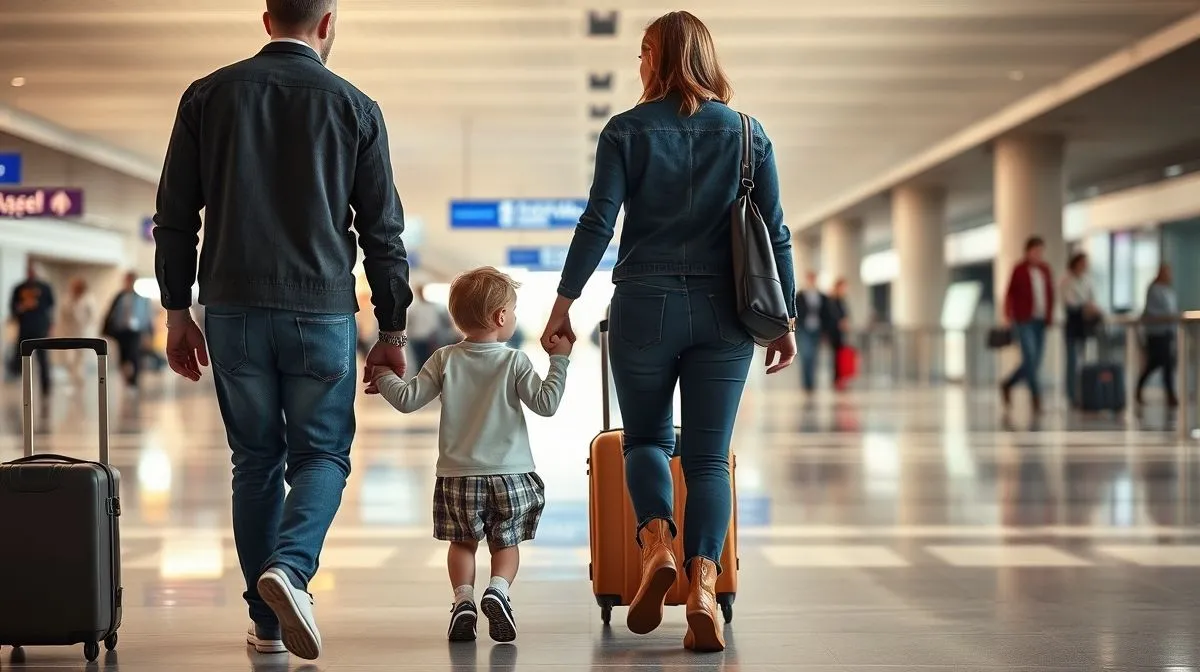
- Hand-Holding: In crowded areas, always hold your child's hand or keep them in a stroller or carrier.
- Designated Adult: If multiple adults are present, clearly assign who is responsible for watching which child at any given moment, especially during transitions like boarding or exiting a vehicle.
- Visual Cues: Dress children in bright, easily identifiable clothing. If traveling in a group, consider matching t-shirts or hats to make everyone stand out.
Stranger Awareness and Communication
Teaching children about stranger danger is an ongoing conversation, not a one-time lecture. Focus on behaviors, not just appearances, as a 'stranger' isn't always menacing-looking.
- No-Go Rule: Teach children never to go anywhere with anyone without parental permission, even if that person seems friendly or offers something appealing.
- Loud Scream: Practice a 'loud scream' if someone tries to take them. Teach them to yell, "This is not my mom/dad!" or "Stranger!" to draw attention.
- Run to Safety: Instruct them to run to the nearest 'safe adult' or a family with children if they feel threatened or separated.
- Trust Your Gut: Encourage children to trust their instincts. If a situation feels wrong, it probably is.
Reinforce these lessons through role-playing games, making it a natural part of their understanding of the world, rather than a scary topic.
Navigating Public Spaces: Airports, Hotels, and Attractions
Different environments present unique challenges. Understanding the specific risks and implementing tailored strategies for each can significantly enhance your family's safety profile.
Airport Security and Boarding Procedures
Airports are busy, often chaotic environments. The security checkpoint is a particularly vulnerable moment when parents might be distracted by bags, shoes, and paperwork.
- Stay Together: Keep children engaged and close during security checks. Consider using a child leash or carrier for younger ones.
- Boarding First: Airlines often allow families with young children to board first. Take advantage of this to settle in without the rush and chaos of general boarding.
- Gate Vigilance: Keep an eye on children even when seated at the gate. They might wander towards windows or restrooms.
Hotel Safety Protocols
Hotels are temporary homes, but they still require vigilance. Many incidents can be prevented with simple precautions.
- Room Security: Always use all available locks on your hotel room door. Teach older children not to open the door to strangers.
- Balconies and Windows: Ensure children understand the dangers of balconies and open windows, especially in high-rise buildings.
- Pool Safety: Never leave children unsupervised at hotel pools. Even a moment's distraction can be dangerous.
- Identifying Staff: Teach children how to identify hotel staff by their uniforms or name tags if they need help.
Crowded Attraction Strategies
Theme parks, museums, and popular tourist sites are designed for fun but are also prime locations for accidental separation. This is where preventing child abduction during family travel requires heightened awareness.
- Pre-Planned Meeting Spots: Before entering, show children a specific, easy-to-find meeting point if they get lost.
- Current Photo: As mentioned, take a daily photo of your child in their outfit for the day. This is crucial for quick identification.
- Buddy System: Reinforce the buddy system.
- Stay in Sight: Even if children are playing in a designated area, ensure they remain within your direct line of sight.
The key across all these environments is constant, active supervision and clear communication with your children about safety rules.
Emergency Protocols: What to Do If the Unthinkable Happens
Despite all precautions, separation can occur. Knowing what to do in the critical moments immediately following a child's disappearance can make all the difference. Panic is natural, but a clear plan helps you act effectively.
Immediate Actions and Reporting
Time is of the essence. Act quickly but methodically.
- Stay Calm and Search Immediately: First, check your immediate vicinity. Children often hide or wander only a short distance. Call their name loudly.
- Alert Authorities: If your child is not found within minutes, immediately notify local security (e.g., airport security, hotel staff, park rangers) and the local police. Provide a detailed description, including the clothing from your daily photo.
- Do Not Leave the Area: While one parent searches, the other should remain at the last known location. This is where the child might return if they realize they are lost.
- Use Resources: If in the U.S., contact NCMEC's 24/7 hotline at 1-800-THE-LOST (1-800-843-5678). They can provide support and coordinate with law enforcement.
International Incident Considerations
If you are traveling internationally, the complexities increase. Familiarize yourself with the local emergency numbers and procedures of your destination.
- Contact Your Embassy/Consulate: Immediately contact your country's embassy or consulate. They can provide assistance with local law enforcement, translation services, and guidance on navigating foreign legal systems. The U.S. Department of State offers resources for parental child abduction.
- Local Laws: Be aware that local laws and procedures for missing persons may differ significantly from your home country.
- Documentation: Have copies of all essential documents (passports, visas, birth certificates) readily accessible, both physical and digital.
While a terrifying prospect, having a clear mental pathway for these situations can reduce chaos and improve outcomes.
Empowering Your Child: Education and Awareness
The most effective safety measure is an empowered child. Teaching children about personal safety in an age-appropriate, non-frightening way builds their confidence and equips them with essential life skills. This proactive education is a cornerstone of preventing child abduction during family travel.
Age-Appropriate Conversations
Start early with simple concepts and gradually introduce more complex ideas as your child matures. Focus on 'tricky people' rather than 'strangers' to avoid teaching children that all unfamiliar adults are dangerous.
- Body Safety: Teach children about their personal space and that their body belongs to them. No one should touch them in a way that makes them uncomfortable.
- Trusted Adults: Help them identify a network of trusted adults they can go to for help (teachers, family friends, specific neighbors).
- Asking for Help: Encourage them to always ask for help if they feel unsafe, lost, or confused.
Role-Playing Scenarios
Practice makes perfect. Role-playing helps children internalize safety rules in a fun, low-pressure environment.
- Lost in a Store: Practice what to do if they get separated in a store (e.g., go to a cashier, ask for help, stay put).
- Approached by a Stranger: Role-play what to say and do if someone they don't know tries to lure them away (e.g., "No!" "You're not my parent!" and running away).
- Code Word Practice: Regularly review your family's code word.
These conversations should be ongoing, not just before a trip. They build resilience and a strong foundation of personal safety awareness.
Leveraging Technology for Enhanced Safety
While technology is not a substitute for active supervision, it can be a valuable tool in your family's safety arsenal. From tracking devices to communication apps, these tools offer additional layers of security.
GPS Trackers and Wearables
For younger children or those prone to wandering, wearable GPS trackers can provide real-time location data. These come in various forms, from watches to clip-on devices.
- Smartwatches for Kids: Many smartwatches offer GPS tracking, two-way communication, and even SOS buttons.
- Bluetooth Trackers: Devices like Tile or Apple AirTags can be placed in a child's backpack or pocket, allowing you to track their proximity. Note: These are short-range and rely on a network of other devices.
- Dedicated GPS Trackers: Some devices are specifically designed for child tracking, offering geofencing capabilities (alerts when a child leaves a designated safe zone).
Always ensure these devices are fully charged and functioning before you rely on them. Discuss their purpose with your child, framing them as a fun way to stay connected, not as a sign of distrust.
Communication Apps for Families
Beyond simple messaging, several apps are designed to enhance family communication and safety.
- Family Locator Apps: Apps like Life360 or Glympse allow family members to share their real-time location, create geofenced zones, and send emergency alerts.
- Walkie-Talkie Apps: These can be useful in crowded areas where cell service might be spotty, allowing for quick, direct communication between family members.
- Emergency Contact Apps: Ensure quick access to emergency contacts and medical information through dedicated apps or your phone's built-in emergency features.
Remember, technology is a tool. It works best when integrated into a broader, well-understood safety plan that prioritizes active supervision and open communication.
Common Mistakes to Avoid and Best Practices
Even with the best intentions, parents can sometimes fall into common pitfalls. Awareness of these can help you maintain optimal vigilance.
Over-Reliance on Devices vs. Active Supervision
One of the biggest mistakes is assuming that a GPS tracker or a phone app replaces active supervision. While helpful, these tools are secondary to a parent's direct attention. A device cannot physically prevent a child from being taken or from wandering into danger.
- Active Engagement: Engage with your children. Play games, talk to them, and keep them occupied, which also helps keep them close.
- Minimize Distractions: Limit your own use of phones or other devices in crowded or unfamiliar areas. Your full attention should be on your children.
Underestimating Local Customs and Laws
When traveling internationally, cultural norms and legal systems can differ significantly. What might be acceptable in your home country could be misinterpreted or even illegal elsewhere.
- Research Destination: Understand local child protection laws, reporting procedures, and any specific safety concerns for tourists.
- Cultural Sensitivity: Be aware of how children are perceived and interacted with in the local culture.
- Documentation: Always carry necessary identification and travel documents, and keep digital copies.
Adopting best practices means constant learning and adapting your safety strategies to your environment and your children's evolving needs.
Frequently Asked Questions (FAQ)
What is the single most important thing I can do to prevent child abduction during family travel? The most crucial step is constant, active supervision. Never take your eyes off your child in public, especially in crowded or unfamiliar environments.
Should I use a child leash or harness? For very young or highly energetic children, a child leash or harness can be an effective tool in crowded places to prevent them from darting away. It's a personal choice, but safety should always be the priority.
What if my child doesn't want to follow the safety rules? Make safety rules a non-negotiable part of travel. Explain the 'why' behind them in a calm, firm manner. Use positive reinforcement when they follow the rules and consistent, gentle reminders when they don't. Role-playing can make it feel less like a chore.
Is it safe to let my older child (e.g., a teenager) explore on their own? This depends entirely on the child's maturity, the safety of the location, and your family's established communication protocols. Always have a clear meeting time and place, ensure they have a charged phone, and know their exact itinerary. Consider using a family location-sharing app.
How do I talk to my child about abduction without scaring them? Focus on empowerment and safety strategies rather than scary scenarios. Use terms like 'tricky people' instead of 'strangers.' Emphasize what they CAN do to stay safe (e.g., use their voice, run to a safe adult, know the code word) rather than focusing on the danger itself. Make it an ongoing, positive conversation about staying safe and smart.
Recommended Reading
- Glamping in the Cold: The Ultimate Packing List for Winter
- Master Off-Grid Trekking: Your Ultimate Guide to Safe Navigation
- Food Photography for Travel Bloggers: Top Tips & Tricks Revealed
- Uncover the Secret: How to Plan Travel for International Food Festivals Like a Pro
- Stop Scams: Your Ultimate Guide to Preventing Eco Volunteer Travel Scams
Conclusion
Family travel offers invaluable opportunities for growth, learning, and connection. While the thought of child abduction is deeply unsettling, comprehensive preparation, continuous vigilance, and open communication with your children can significantly mitigate risks. By implementing the strategies for preventing child abduction during family travel outlined in this guide—from pre-trip planning and on-the-go awareness to empowering your child and knowing emergency protocols—you can transform potential anxieties into confidence. Embrace your adventures with peace of mind, knowing you've taken every possible step to ensure your family's safety and create cherished memories that will last a lifetime.




Your email address will not be published. Required fields are marked *