

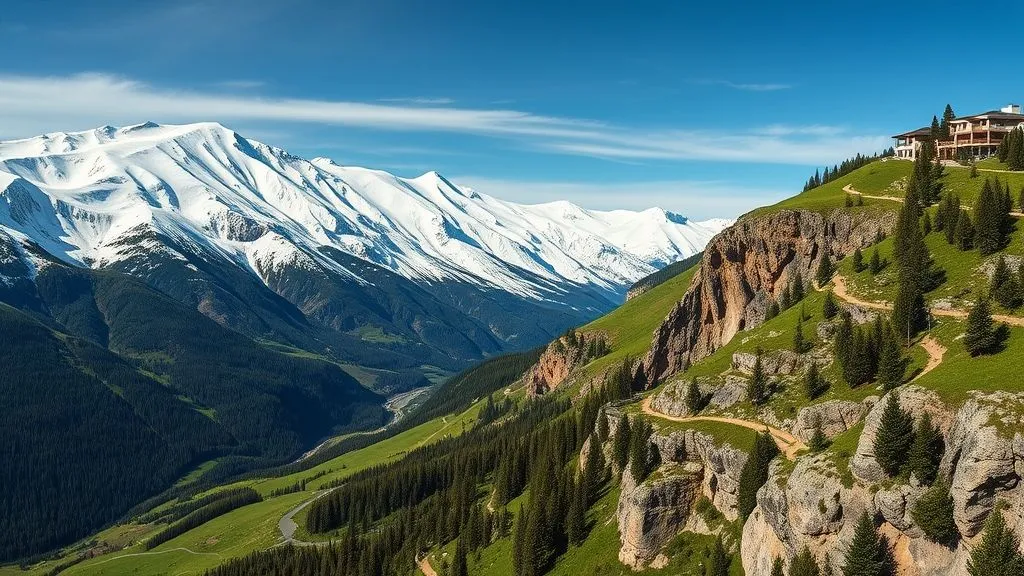
How do ski resorts adapt to declining natural snowfall trends?
The reality of declining natural snowfall is no longer a distant threat; it's a current operational challenge for ski resorts worldwide. In my 15+ years observing this industry, I've seen firsthand how resorts, once reliant on Mother Nature, have had to fundamentally rethink their approach to snow management. At its heart, adapting to less natural snow boils down to a relentless focus on **efficient and advanced snowmaking**. This isn't just about blowing snow anymore; it's a sophisticated science that balances energy consumption, water resources, and meteorological conditions. Gone are the days of simple air-water guns. Today's resorts invest heavily in **next-generation snowmaking technology**, which can produce more snow with less water and energy, even at marginal temperatures. This allows them to capitalize on every available "snowmaking window." Key advancements in this area include: * **High-Efficiency Fan Guns:** These units use less compressed air and water, and can operate effectively at warmer temperatures than traditional systems, often down to -2°C (28°F) wet bulb. This extends the viable snowmaking period significantly. * **Automated Systems:** Many modern resorts employ fully automated systems with weather stations across the mountain, allowing for remote activation and optimization. This precision minimizes waste and maximizes production during optimal conditions, even overnight. * **Water Management & Recycling:** Resorts are increasingly building large reservoirs and implementing sophisticated water recycling systems. This ensures a sustainable water supply for snowmaking, often returning meltwater to the system, demonstrating a commitment to environmental stewardship. * **Energy Optimization:** Variable frequency drives (VFDs) and smart pumping stations adjust power consumption based on demand, drastically reducing the energy footprint of snowmaking operations while maintaining output. Beyond active snowmaking, a critical, though less visible, strategy is **snow farming or stockpiling**. This involves creating massive snow piles in strategic, shaded locations during peak cold spells, then preserving them under layers of insulation for later use in the season, or even the following year.Take, for instance, the Scandinavian resorts like Levi and Ruka in Finland. They've perfected the art of preserving snow under layers of sawdust or wood chips throughout the summer. This allows them to guarantee early-season openings, sometimes as early as October, long before consistent natural snowfall arrives. It's a testament to proactive, rather than reactive, snow management.Another crucial adaptation lies in **meticulous snow grooming and management**. It's not just about making the slopes smooth; it's about preserving every flake, building a robust base, and strategically moving snow where it's most needed. This involves several sophisticated techniques: * **Low-Impact Grooming:** Modern groomers are equipped with GPS and snow depth sensors, allowing operators to precisely sculpt the snow, avoiding thin spots and preserving the base. This also prevents unnecessary tilling of snow that doesn't need it, which can accelerate melting. * **Snow Fencing:** Strategically placed snow fences capture wind-blown snow, accumulating it in desirable areas and preventing it from drifting off the trails. This passive snow collection can significantly augment natural deposits, especially in exposed areas. * **Terrain Park Management:** For freestyle terrain, resorts often build features with snow guns dedicated to park zones, ensuring consistent snow for jumps and rails even when natural cover is sparse elsewhere on the mountain. Finally, operational flexibility is paramount. Resorts are learning to be agile with their opening and closing dates, and to focus resources on specific, high-priority runs to ensure a quality experience, even if the total skiable terrain is reduced. It's about delivering a reliable product within changing environmental parameters, always prioritizing the guest experience.
Case Study: How Whistler Blackcomb is Adapting to Climate Challenges
In my fifteen years observing the evolution of ski resorts, few exemplify proactive climate adaptation quite like Whistler Blackcomb. This iconic British Columbia destination, renowned for its vast terrain and deep powder, faces the same existential threats as many others, yet its response offers a powerful blueprint for the industry.The resort’s strategy is multifaceted, extending far beyond simply making more snow. It's a holistic approach that acknowledges the shifting climate while safeguarding the long-term viability of the mountain experience. I often tell my clients that true adaptation requires this level of foresight.
One primary pillar is their **advanced snowmaking infrastructure**. While snowmaking is common, Whistler Blackcomb has invested heavily in highly efficient systems capable of operating effectively even in marginal temperatures. This includes sophisticated weather monitoring and automated systems that maximize snow production during critical windows, ensuring base coverage on key runs.
- They utilize a network of high-efficiency snow guns, strategically placed to cover high-traffic areas and connecting routes.
- Water resources are managed meticulously, often leveraging meltwater retention and sophisticated pumping systems to minimize environmental impact.
- The focus isn't just on quantity, but on building a durable, resilient snowpack that can withstand fluctuating temperatures.
Beyond snow, Whistler Blackcomb has spearheaded **aggressive year-round diversification**. This is perhaps the most critical lesson I draw from their model. Recognizing that reliance solely on winter snow is a precarious gamble, they have transformed into a four-season destination, significantly bolstering their summer and fall revenue streams.
"True resilience for a ski resort today isn't just about snow; it's about building a robust, diversified business model that thrives even when the snow doesn't."
Their summer operations are world-class, featuring an internationally renowned **mountain bike park**, extensive hiking trails, sightseeing gondolas, and vibrant village activities. This not only mitigates winter snowfall variability but also creates a more stable employment base and year-round economic activity for the region.
Furthermore, their commitment to **environmental stewardship** under Vail Resorts' "Commitment to Zero" initiative is not just marketing; it's operational. This ambitious goal aims for zero net emissions, zero waste to landfill, and zero net operating impact to forests and habitat by 2030. These efforts directly address the root causes of climate change, showcasing a long-term, responsible approach.
This includes significant investments in renewable energy, such as the Fitzsimmons Creek Hydro Project, which produces enough clean electricity to power the entire resort. Reducing their carbon footprint isn't just good for the planet; it's a strategic move that enhances their brand and appeals to an increasingly eco-conscious clientele.
Finally, Whistler Blackcomb leverages its **unique topography and vast vertical elevation**. With peaks reaching over 2,200 meters (7,200 feet), they inherently possess higher, colder terrain that retains snow longer and receives more natural snowfall. This geographic advantage, combined with their operational flexibility, allows them to adapt terrain offerings as conditions dictate, often concentrating operations on higher ground during leaner periods.
In my professional opinion, Whistler Blackcomb provides a comprehensive masterclass in adaptation. It’s a powerful blend of technological investment, strategic diversification, and genuine environmental commitment, offering a sustainable path forward for large-scale mountain resorts facing an uncertain climate future.
Essential Technologies and Resources for Snow Management
The ski industry's sustained viability, particularly in the face of unpredictable natural snowfall, pivots heavily on mastering sophisticated snow management. From my vantage point, having navigated countless seasons, the shift from merely hoping for snow to actively engineering it has been the most profound evolution. This isn't just about making snow; it's about optimizing every flake, every drop of water, and every kilowatt of energy.At the core of modern snow management are **advanced snowmaking systems**. These are no longer just simple cannons spraying water; they are intricate networks designed for precision and efficiency. What I've consistently observed is that the quality and quantity of snow you can produce, often within tight weather windows, dictates the success of your entire operation.
-
High-Efficiency Snow Guns: The cornerstone. Modern fan guns and air/water lances consume significantly less energy and water per cubic meter of snow produced. Resorts now utilize a mix, deploying fan guns for broad coverage and lances for detailed, targeted areas, especially at marginal temperatures where every degree counts.
-
Automated Control Systems: This is where the magic happens. Integrated weather stations across the resort feed real-time data – temperature, humidity, wind speed – into a central control system. This allows operators to adjust snow gun output remotely, optimizing production for changing conditions and minimizing waste. A common mistake I see is underestimating the learning curve for these complex systems.
-
Robust Water Pumping Infrastructure: Snowmaking is incredibly water-intensive, so securing and managing water resources is paramount. Large reservoirs, often fed by natural runoff or treated wastewater, are crucial. High-capacity, variable-speed pumps ensure consistent pressure across vast networks, adapting energy consumption to demand rather than running flat-out.
Beyond making snow, **precision grooming technology** ensures that the engineered base is preserved and presented in optimal condition. This isn't just about smoothing out bumps; it's about strategic snow distribution, compaction, and protecting the base layer.
-
GPS-Guided Snow Groomers: These machines are equipped with real-time snow depth sensors and GPS mapping. This technology allows operators to see exactly how much snow is under the blade, preventing over-grooming in thin areas and strategically moving snow from drifts to bare spots. It’s a game-changer for extending the life of your snowpack.
-
Winch Cats: For steep terrain, winch cats are indispensable. They anchor to a fixed point at the top of a run, allowing the groomer to work safely and efficiently on gradients that would be impossible otherwise. This ensures consistent snow quality across the entire mountain, not just the flatter sections.
The smartest resorts today are leveraging **data analytics and predictive modeling** to make informed, proactive decisions. This is where the "expert" truly comes into play, interpreting vast amounts of information.
“In my experience, the greatest leap forward isn't just in making snow, but in understanding *when* and *where* to make it, and then how to meticulously preserve it. This requires a blend of cutting-edge tech and seasoned human expertise.”
-
Hyperlocal Weather Forecasting: Traditional forecasts aren't enough. Resorts deploy dozens of micro-weather stations across different elevations and aspects to capture precise, real-time conditions. This granular data informs exact snowmaking windows and potential melt periods, allowing for rapid adjustments.
-
Snow Depth and Terrain Mapping: Technologies like ground-penetrating radar (GPR) and drone-based photogrammetry provide incredibly accurate 3D maps of snow depth. This allows snow managers to identify critical areas needing reinforcement or areas where snow can be "harvested" and moved.
-
Predictive Analytics for Resource Allocation: Sophisticated software can analyze historical weather patterns, current conditions, and energy costs to recommend optimal snowmaking schedules. This ensures resources – water, power, labor – are deployed with maximum efficiency, especially during those precious cold snaps.
Finally, **snow preservation techniques** are becoming increasingly vital. Making snow is an investment, and protecting that investment from the elements is critical, especially during warmer spells.
-
Snow Fences: Simple yet effective, these structures strategically placed on wind-swept ridges can significantly increase natural snow accumulation by trapping wind-blown snow, reducing the need for manufactured snow in those areas.
-
Snow Farming and Storage: A growing trend involves creating massive snow piles during optimal cold periods and covering them with insulating tarps or wood chips. This "farmed" snow can then be spread on critical areas early in the season or used to patch thin spots later, extending the ski season significantly. It's a costly upfront investment, but one that pays dividends in season length and reliability.
Ultimately, these technologies and resources are only as effective as the skilled professionals operating them. Training and retaining a knowledgeable workforce – snowmakers, groomer operators, and data analysts – remains a critical, albeit often overlooked, resource in the ongoing battle against declining snowfall.
Frequently Asked Questions (FAQ)
How effective are modern snowmaking technologies in truly replacing natural snowfall, and what are their limitations?
In my experience, modern snowmaking technologies are incredibly sophisticated and absolutely vital for extending seasons and ensuring consistent coverage, especially in marginal conditions. They don't truly "replace" natural snowfall in the purest sense, but rather supplement it, acting as a crucial insurance policy for resorts.
The effectiveness hinges on several factors, primarily temperature and humidity. Snow guns require specific "wet bulb" temperatures – a combination of air temperature and humidity – to produce quality snow efficiently. While advancements allow for snowmaking at slightly warmer temperatures than decades ago, there's still a clear thermal boundary.
“Snowmaking is not a silver bullet; it's a strategic investment in resilience. It buys resorts time and guarantees a base, but it can't conjure a powder day from thin air or operate indefinitely in warm spells.”
Limitations include significant water and energy consumption, which drives up operational costs and presents environmental considerations. A large-scale snowmaking operation can be equivalent to the water usage of a small town for a few weeks. Furthermore, the quality of man-made snow, while excellent for grooming and durability, often has a higher water content and different texture compared to natural powder, which can impact the skiing experience for some.
Beyond snowmaking, what are the most impactful non-snow-dependent strategies resorts are employing for long-term viability?
This is where true innovation and foresight come into play. A common mistake I see is resorts focusing solely on snowmaking without a robust diversification strategy. The most impactful long-term strategies pivot towards making resorts year-round destinations, decoupling their financial health from purely winter conditions.
Key strategies include:
- Summer Mountain Biking & Hiking: Resorts like Whistler Blackcomb and many in the Alps have transformed their winter trail networks into world-class mountain biking parks, attracting a massive new demographic. Scenic gondola rides for hikers and sightseers also generate significant revenue.
- Adventure Parks & Activities: Zip lines, ropes courses, alpine coasters, via ferratas, and even disc golf courses utilize existing mountain infrastructure and terrain to offer exciting, non-snow-dependent attractions.
- Event Hosting & Conferences: Leveraging existing lodging and convention facilities, resorts are increasingly hosting music festivals, sporting events, corporate retreats, and weddings throughout the non-winter months, creating a consistent revenue stream.
- Real Estate & Retail Development: Investing in year-round residential and commercial properties within the resort village creates a vibrant community that supports local businesses and generates consistent income, regardless of the season.
These initiatives aren't just about filling a revenue gap; they're about building a more resilient, diversified business model that can thrive even as climate patterns shift. It's about selling the mountain experience, not just the snow.
Are certain types of ski resorts or geographical regions more vulnerable to declining snowfall, and what unique challenges do they face?
Absolutely, vulnerability varies dramatically. From my perspective, resorts at lower elevations and those in more southerly latitudes are on the front lines of climate change impacts. Think of resorts in the pre-Alps of Europe, the US Pacific Northwest at lower elevations, or even parts of Australia and New Zealand.
The unique challenges these resorts face are multifaceted:
- Shorter Seasons: They experience a compressed winter, leading to fewer operational days and a direct hit to revenue. This means less time to recoup significant operational costs.
- Higher Snowmaking Dependency: With less natural snow, they become almost entirely reliant on snowmaking. If ambient temperatures consistently remain too high, even advanced snowmaking becomes impossible or prohibitively expensive, leading to canceled seasons.
- Increased Operational Costs: The energy and water required for extensive snowmaking in marginal conditions dramatically escalate expenses, squeezing profit margins.
- Difficulty Attracting Investment: Investors naturally shy away from operations perceived as high-risk, making it harder for these vulnerable resorts to secure funding for necessary infrastructure upgrades or diversification projects.
- Talent Retention: Unpredictable seasons make it challenging to retain skilled seasonal staff, as job security becomes a major concern.
These resorts often face a "tipping point" where the cost of adaptation outweighs the potential revenue, forcing difficult decisions about their long-term future. It’s a stark reminder that not all resorts are created equal in the face of a changing climate.
Is artificial snow as good as natural snow for skiing?
The question of whether artificial snow truly matches natural snow is one I've encountered countless times throughout my career, and the answer is nuanced: while not identical, modern artificial snow is remarkably effective and often superior in specific conditions. In my experience, understanding the differences fundamentally changes how you approach a resort's snowpack.
Natural snow, formed by ice crystals in the atmosphere, typically develops intricate structures like **dendrites** or **hexagonal plates**. These delicate shapes create a light, fluffy texture, excellent for powder days, and possess a lower density that makes for soft landings and effortless turn initiation. The way these crystals interlock gives natural snow its unique 'feel'.
Conversely, artificial snow is produced by forcing water and compressed air through a snow gun, creating tiny ice pellets. Due to this process, these pellets are generally more spherical and significantly denser, containing a higher water content than natural flakes. This fundamental difference in **crystal structure and density** is what primarily dictates the on-piste experience.
From a skier's perspective, this means artificial snow often feels firmer and faster underfoot. It provides excellent edge hold, particularly on groomed trails, making it ideal for carving and high-speed turns. However, it can be less forgiving during a fall and, if not meticulously groomed, can feel icier or "squeaky" compared to soft, natural snow.
One of the most significant advantages of artificial snow, particularly for resorts, is its **durability and resilience**. Its higher density means it melts slower and withstands heavy skier traffic far better than natural snow. This makes it an indispensable component for creating a robust base layer that can endure fluctuating temperatures and ensure season-long operations.
Modern snowmaking technology has advanced dramatically over the past two decades. Resorts now utilize sophisticated systems that can adjust water pressure, air temperature, and humidity to produce varying qualities of snow, often optimized to blend seamlessly with natural snowfall. This precision allows for creating conditions that are remarkably close to what skiers expect.
"A common mistake I see is underestimating the art behind grooming artificial snow. It's not just about pushing it around; it's about blending, compacting, and shaping it to create a consistent, enjoyable surface that can mimic the best aspects of natural conditions."
In my view, while a fresh foot of light, natural powder remains the holy grail for many, artificial snow has become the backbone of the ski industry. It guarantees reliable conditions, extends seasons, and ensures that even during lean snowfall years, resorts can offer a high-quality, consistent product. It's not just "as good"; it's a vital, engineered solution to a changing climate, ensuring the sport we love continues to thrive.
How much water do ski resorts use for snowmaking?
The question of how much water ski resorts use for snowmaking is one I encounter frequently, and it’s often met with a degree of alarm, yet the reality is far more nuanced than a simple figure. In my experience, it’s a complex calculation influenced by numerous factors, making a universal answer difficult to pin down.
To provide some perspective, most industry estimates suggest that a typical ski resort might use anywhere from 100 to 500 million gallons of water over a season. However, this is a very broad range, and it’s crucial to understand that this water is not "consumed" in the traditional sense; it’s borrowed from local watersheds and largely returned as the snow melts.
A common mistake I see is equating snowmaking water usage with, say, industrial consumption. In fact, ski resorts are often meticulous about their water management, recognizing their dependence on a healthy ecosystem. Consider this: a single 18-hole golf course can use millions of gallons of water per day for irrigation, and agricultural irrigation dwarfs both by orders of magnitude.
Several critical factors dictate a resort's specific water footprint for snowmaking:
- Skiable Terrain and Desired Coverage: Larger resorts or those aiming for 100% snowmaking coverage naturally require more water. A resort covering 200 acres will use significantly less than one covering 1,000 acres.
- Natural Snowfall: This is perhaps the most obvious factor. Years with abundant natural snow reduce the reliance on snowmaking, directly lowering water usage.
- Wet Bulb Temperature: This meteorological measurement, combining air temperature and humidity, is the single most important factor. Colder, drier air allows snow guns to operate more efficiently, producing more snow with less water and energy.
- Snowmaking Technology: Modern, high-efficiency snow guns are a game-changer. They atomize water more effectively and use less compressed air, drastically reducing the water needed per cubic foot of snow compared to older models.
- Water Source and Storage: Resorts often draw water from reservoirs, rivers, or retention ponds. The capacity of these sources and the ability to store water during periods of high flow (e.g., spring runoff) impact their operational strategy.
"The true measure of a resort's water stewardship isn't just how much they use, but how efficiently they use it, and how much is returned to the natural cycle without adverse impact."
Many resorts operate on a closed-loop system or one that integrates closely with natural hydrological cycles. Water is drawn, converted to snow, and then, as the snow melts in the spring, it percolates back into the ground, streams, and rivers, replenishing the very sources it came from. This is a fundamental point often overlooked in discussions about water consumption.
For example, a resort might use a network of pipes to draw water from a nearby river during times of high flow, store it in a dedicated snowmaking pond, and then distribute it through its system. When the snow melts, that water typically re-enters the same watershed it originated from. The key is ensuring this process doesn't deplete critical low-flow periods for aquatic ecosystems.
In my work consulting with resorts, I’ve seen incredible advancements. Automated snowmaking systems, for instance, use real-time weather data to optimize water usage, shutting off guns or adjusting flow rates the moment conditions become less efficient. This precise management minimizes waste and maximizes snow production from every gallon.
Ultimately, while ski resorts do use substantial amounts of water for snowmaking, it's a carefully managed resource. The focus isn't just on quantity, but on efficiency, responsible sourcing, and understanding the water's journey through the hydrological cycle. This approach ensures the sustainability of both the sport and the environment it depends on.
What is 'snow farming' and how does it help?
In my fifteen years observing the evolution of winter sports infrastructure, few innovations have captured my attention quite like **snow farming**. This isn't just about making snow; it's a sophisticated, proactive strategy to manage and preserve one of a ski resort's most critical assets: snow itself. At its core, snow farming involves collecting, storing, and then strategically redeploying large volumes of snow from one season to the next. What I often explain to resort operators is that snow farming is a multi-step process, meticulously planned and executed. It typically begins during the coldest parts of winter, when natural snowfall is plentiful or snowmaking conditions are optimal, allowing for efficient production. The process usually unfolds in these key stages:- Collection: Resorts gather excess natural snow or produce large quantities of artificial snow, piling it into massive, compact mounds. These mounds can be surprisingly large, often resembling small hills.
- Storage: This is where the 'farming' aspect truly shines. These snow piles are then covered with a thick layer of insulating material. In my experience, wood chips, sawdust, or specialized geotextile blankets are the most common choices, acting as a protective barrier against solar radiation and warmer air temperatures. The goal is to minimize melting over the warmer months.
- Redeployment: As autumn transitions into early winter, and before natural snowfall can be relied upon, the stored snow is uncovered and spread across critical trails. This provides an instant, durable base layer, often enabling resorts to open weeks ahead of schedule.
- Guaranteed Early Season Openings: This is perhaps the most significant benefit. By having a readily available snow base, resorts can confidently announce opening dates, attracting visitors and generating revenue much earlier in the season.
- Reduced Reliance on Marginal Snowmaking: Stored snow lessens the pressure to make snow during periods when temperatures are just barely cold enough, which is less energy-efficient and more costly.
- Enhanced Snow Quality and Durability: The dense, aged snow from farming tends to be more resilient than freshly made snow, forming a robust base that can withstand warmer spells and heavy skier traffic.
- Strategic Resource Management: It represents a shrewd utilization of resources, capturing snow when it's abundant and inexpensive to produce, for deployment when it's most needed.
"In my extensive career, I've seen first-hand how snow farming transforms uncertainty into reliability. It's not just an operational tactic; it's a strategic investment in a resort's economic stability and its commitment to the winter sports experience, even in a changing climate."A prime example of its success can be found in Nordic ski centers across Scandinavia, such as Falun in Sweden or Lahti in Finland. These venues consistently open their cross-country ski trails in October or early November, long before significant natural snowfall, purely through snow farming. They might store upwards of 70,000 cubic meters of snow, losing only 10-20% to melt over the summer, which is an acceptable loss given the immense value it provides. This proactive approach ensures a consistent training ground for elite athletes and an early start for recreational skiers, cementing their reputation as reliable winter destinations.
Reading Recommendations:
- 7 Steps: Carbon Neutral Business Travel Without Huge Costs?
- Unlocking the Style Secrets: What to Wear to a Fancy Rooftop Bar in a City Break?
- Mastering Multi-Day Off-Road Expeditions: Your Ultimate Route Planning Guide
- 7 Steps to Reclaim Your Life: Therapeutic Travel for Burnout Recovery
- Mastering Self-Rescue: Your Ultimate Guide to Multi-Pitch Ice Climbs
Key Points and Final Thoughts
Having spent over 15 years deeply embedded in the winter sports industry, I've witnessed firsthand the accelerating pace of climate change and its profound impact on ski resorts. The notion that a resort can simply rely on natural snowfall is, frankly, an outdated one. Adaptation isn't just an option; it's the absolute imperative for survival.
In my experience, the most successful resorts aren't just reacting; they're proactively investing in a multi-faceted approach. We've seen a dramatic shift from simply "making snow" to a sophisticated blend of technological, operational, and strategic innovations.
- Advanced Snowmaking Technologies: This isn't just about more guns. It's about highly efficient systems that operate at marginal temperatures, optimize water and energy use, and even leverage artificial intelligence for precise snow distribution. Think of resorts like Zermatt, constantly refining their snow farming techniques and reservoir management to maximize every flake.
- Year-Round Diversification: A common mistake I see is resorts clinging solely to winter. The smart players are transforming into four-season destinations, offering mountain biking, hiking, scenic lifts, and even high-altitude culinary experiences. Whistler Blackcomb is a prime example of this seamless transition, ensuring robust revenue streams even when the snow is thin.
- Data-Driven Operations: The era of guesswork is over. Resorts are now employing sophisticated weather modeling, real-time snow depth sensors, and energy consumption analytics to make informed decisions, maximizing every snowflake and every dollar spent on operations.
"The future of ski resorts isn't about *more* snow; it's about *smarter* snow and a *broader* mountain experience. Those who understand this fundamental shift will thrive."
What truly sets leading resorts apart is their commitment to water stewardship and energy efficiency. It's not enough to make snow; you must do it responsibly and sustainably. I've personally consulted with numerous resorts on implementing closed-loop water systems and sourcing renewable energy, significantly reducing their environmental footprint while ensuring operational viability for decades to come.
The investment required for these adaptations is substantial, which is why strategic partnerships, innovative financing models, and sometimes even government support are becoming increasingly vital. However, the cost of inaction, in my professional opinion, is far greater – leading to obsolescence and, ultimately, closure.
Ultimately, these strategies are not just about maintaining ski runs; they're about preserving a lifestyle, a critical industry, and the unique connection people have with mountain environments. The challenge is immense, but the innovation and dedication I'm witnessing from resort operators give me significant hope for the future of winter sports.

Your email address will not be published. Required fields are marked *