

Solve executive burnout: independence solo travel strategy?
For over two decades in the demanding world of leadership and high-stakes business, I've witnessed firsthand the insidious creep of executive burnout. It's not just fatigue; it's a deep-seated erosion of passion, purpose, and ultimately, performance. I've seen brilliant minds, once vibrant and innovative, reduced to shadows of their former selves, trapped in a cycle of endless demands and diminishing returns.
This isn't just about working long hours; it's about the constant mental load, the relentless decision-making, and the profound lack of personal space that chips away at an executive's core. The traditional advice – 'take a vacation' – often falls short, as family trips or group tours can inadvertently replace one set of obligations with another, failing to provide the true mental detox needed.
But what if there was a strategic, deeply personal antidote? What if the very independence that defines your leadership could be harnessed to rejuvenate your spirit? In this comprehensive guide, I will unveil a powerful framework: the independence solo travel strategy. You will learn not just how to travel alone, but how to leverage the unique power of solitude and self-reliance to genuinely solve executive burnout, reclaim your clarity, and return to your professional life more resilient and inspired than ever before.
The Silent Epidemic: Understanding Executive Burnout's Grip
Executive burnout is more than just feeling tired; it’s a syndrome conceptualized by the World Health Organization (WHO) as resulting from chronic workplace stress that has not been successfully managed. It manifests in three key dimensions:
- Feelings of energy depletion or exhaustion: A persistent, overwhelming weariness that sleep cannot alleviate.
- Increased mental distance from one’s job: A growing cynicism or negativity towards work, often accompanied by detachment.
- Reduced professional efficacy: A feeling of incompetence and a decline in performance, despite increased effort.
From my vantage point, I've seen how this trifecta leads to a domino effect. Decision-making becomes clouded, creativity wanes, and interpersonal relationships, both professional and personal, suffer. The pressure to always be 'on', to innovate, and to lead can create a gilded cage, where the very success you've built becomes a source of your undoing. The symptoms are often subtle at first – a persistent headache, difficulty focusing, irritability – but left unaddressed, they can lead to severe health issues and career derailment.

"Burnout is not a sign of weakness; it's a sign that you've been strong for too long, under too much pressure, without adequate recovery." – An experienced mentor's insight.
According to a Harvard Business Review article, executive burnout has reached epidemic levels, with many leaders feeling an intense pressure to perform while simultaneously struggling with their well-being. This isn't sustainable. The challenge is finding a recovery strategy that truly disconnects you from the source of stress, allowing for genuine mental and emotional repair.
Why Independence Solo Travel is the Ultimate Executive Antidote
While any break can offer some relief, independence solo travel provides a unique set of benefits precisely tailored to combat executive burnout. It's not just about seeing new places; it's about the profound internal shift that occurs when you are solely responsible for your journey, your decisions, and your well-being.
- Forced Self-Reliance and Empowerment: As an executive, you're constantly making decisions for others. Solo travel shifts that focus entirely to yourself. Every choice, big or small, from where to eat to which path to take, rebuilds your sense of personal agency and self-trust, often diminished by constant corporate demands.
- Unfiltered Self-Discovery: Without the influence or expectations of colleagues, family, or friends, you confront yourself. This solitude offers a rare opportunity for introspection, allowing you to reconnect with your core values, passions, and what truly brings you joy, far removed from professional identity.
- Complete Digital Detox and Mental Space: The absence of external demands makes a true digital detox not just possible but often necessary. This creates invaluable mental space, allowing your overloaded executive brain to finally decompress, process, and even find creative solutions to long-standing problems.
- Embracing the Unplanned and Cultivating Adaptability: Executive life thrives on control and planning. Solo travel, by its nature, introduces an element of the unknown. Navigating unexpected situations builds resilience and adaptability – skills that translate directly back into a more agile leadership style.
- Authentic Connection and Perspective Shift: While traveling alone, you're often more open to genuine interactions with locals and fellow travelers. These encounters provide fresh perspectives, challenge assumptions, and remind you of the vast diversity of human experience beyond your corporate bubble.
The power of this strategy lies in its ability to dismantle the very structures that contribute to burnout: constant external demands, lack of personal autonomy, and a blurred line between work and self. By immersing yourself in an environment where you are both the leader and the sole beneficiary of your journey, you begin to heal.
Phase 1: Strategizing Your Solo Escape (Pre-Travel)
A successful independence solo travel strategy to solve executive burnout requires meticulous planning, not just for the trip itself, but for the crucial handoff of responsibilities at work. This isn't a spontaneous whim; it's a strategic maneuver for your well-being.
The Art of Delegation and Digital Detox Planning
Before you even book a flight, the most critical step is preparing your team and your role for your absence. I've coached countless executives through this, and the key is empowerment, not abandonment.
- Identify Key Responsibilities: List all your active projects, critical decisions, and routine tasks. Categorize them by urgency and importance.
- Empower Your Second-in-Command: Designate a clear interim leader. Provide thorough briefings, access to necessary information, and explicit authority to make decisions within defined parameters. This isn't just about covering your bases; it's about developing your team.
- Set Clear Communication Boundaries: This is non-negotiable for a true detox. Communicate to your team and stakeholders that you will have extremely limited (or zero) availability. Set an emergency protocol – for example, only contact via a specific channel for true, urgent crises.
- Automate and Delegate Routine Tasks: Leverage technology where possible. Delegate non-critical tasks to other team members, seeing it as an opportunity for their growth.
- Prepare for Your Return: Schedule a clear re-entry plan. Block out your first day or two back for internal meetings and catch-ups, not immediate high-pressure tasks.
This pre-trip preparation is your first step towards independence. It forces you to trust your team and relinquish control, which is often a major hurdle for executives. Remember, your ability to step away empowers your team to step up.
Choosing Your Destination and Duration
The 'where' and 'how long' are critical. For solving executive burnout, I recommend:
- Nature-Immersive Destinations: Mountains, remote coastlines, or national parks often provide the deepest sense of peace and disconnection.
- Culturally Rich but Manageable: A place where you can engage with a new culture without overwhelming logistical complexity. Think charming European towns, serene Asian villages, or tranquil South American landscapes.
- Minimum Duration: Aim for at least 10-14 days. Anything less often doesn't allow enough time for the initial decompression and subsequent rejuvenation. The first few days are often spent simply 'unwinding' from stress.
| Destination Type | Burnout Benefit | Executive Relevance |
|---|---|---|
| Nature Retreat | Deep relaxation, digital detox, physical activity | Mental clarity, stress reduction, resilience building |
| Cultural Immersion | Perspective shift, creative stimulation, social engagement | Problem-solving, empathy, adaptability |
| Adventure Expedition | Challenge, self-discovery, physical endurance | Goal setting, overcoming obstacles, renewed energy |
Phase 2: Immersive Independence (During Travel)
Once on your solo journey, the focus shifts to intentional engagement with your environment and, more importantly, with yourself. This isn't just a vacation; it's a therapeutic immersion.
Embracing the Unplanned and Cultivating Presence
The beauty of solo travel is the freedom to change your mind. Wake up and decide to hike instead of visit a museum, or linger over coffee for hours. This spontaneous freedom is a direct counter to the rigid schedules of executive life.
- Daily Digital Disconnect: Dedicate specific times (e.g., 30 minutes in the evening) for essential communication. Otherwise, keep your devices off or in airplane mode. Use a physical map and notebook.
- Engage Your Senses: Actively notice the smells, sounds, sights, and tastes of your surroundings. Practice mindful walking, eating, and observing. This pulls you out of your head and into the present moment.
- Keep a Journal: Document your thoughts, feelings, and discoveries. This is a powerful tool for self-reflection and processing the experiences without external input.
- Try Something New: Take a cooking class, learn a few phrases of the local language, or try a new activity. Stepping outside your comfort zone, even slightly, stimulates new neural pathways and builds confidence.
This phase is about actively seeking discomfort in small, manageable ways and finding joy in simplicity. It’s about rediscovering the world through your own unburdened eyes.
Case Study: David's Journey from Despair to Discovery
How a Solo Trek Transformed a Tech CEO
David, a 48-year-old CEO of a rapidly scaling tech firm, was a textbook case of executive burnout. He was working 80+ hour weeks, constantly tethered to his phone, and felt an escalating sense of dread each morning. His team noticed his irritability, and his strategic vision had become reactive rather than proactive. He reached out to me, desperate for a change.
Following our independence solo travel strategy, David planned a three-week solo trekking trip through the Patagonian wilderness. His pre-trip preparation was rigorous: he empowered his COO with clear decision-making authority, set strict 'emergency-only' communication protocols, and even conducted several 'dry runs' of his absence with his leadership team.
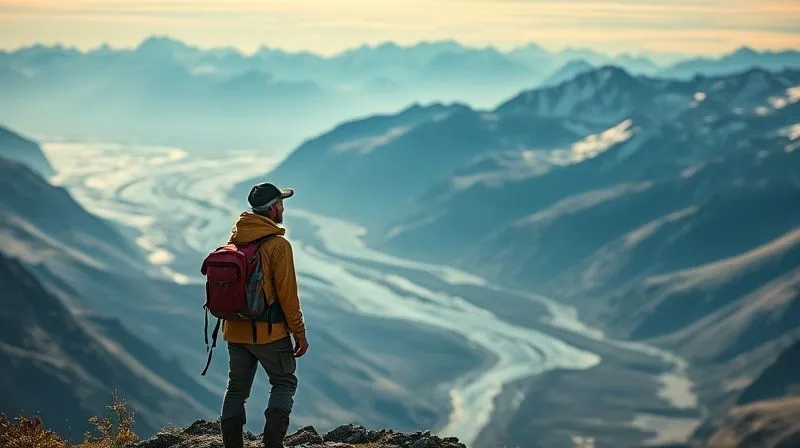
During his trip, David initially struggled with the silence and the lack of digital connection. But as the days passed, the rhythm of walking, the raw beauty of the landscape, and the necessity of independent navigation began to chip away at his stress. He kept a journal, noting not just his daily hikes but also the thoughts that surfaced – reflections on his leadership style, his priorities, and his personal values, all uninfluenced by board meetings or investor calls.
He returned not just physically rested, but profoundly transformed. His team noted a renewed sense of calm and clarity in his leadership. He implemented a 'no-meetings-Wednesdays' policy for himself, dedicated time for strategic thinking, and fostered a culture of empowering delegation that he had learned to embrace himself. David's journey is a testament to how independence solo travel strategy can truly solve executive burnout, leading to sustainable well-being and enhanced leadership.
The Science of Solitude: Data Supporting Solo Travel's Impact
The benefits of solo travel for mental well-being aren't just anecdotal; they are increasingly supported by psychological research. Studies indicate that stepping out of routine and engaging in novel experiences, especially independently, can significantly reduce stress and improve cognitive function.
According to research highlighted in Psychology Today, solo travel can foster self-discovery, build confidence, and enhance problem-solving skills. The act of navigating unfamiliar environments alone forces individuals to rely on their own resources, leading to a profound sense of accomplishment and increased self-efficacy. These are critical components often eroded by the pressures of executive roles.
| Benefit of Solo Travel | Mechanism | Impact on Executives |
|---|---|---|
| Stress Reduction | Reduced external demands, digital detox, mindfulness | Lower cortisol, improved mood, enhanced focus |
| Increased Self-Efficacy | Independent decision-making, navigating challenges alone | Greater confidence, improved problem-solving, resilience |
| Enhanced Creativity | Exposure to novelty, mental space for divergent thinking | Innovative solutions, strategic breakthroughs, fresh perspectives |
| Emotional Regulation | Confronting emotions in solitude, self-reflection | Better stress management, reduced reactivity, improved interpersonal skills |
"The greatest discovery in life is self-discovery. Until you find yourself, you will always be someone else's copy." – A profound reflection on the journey of independence.
Furthermore, the element of 'independence' is crucial. While group travel offers social benefits, it often lacks the deep introspective opportunities that solitude provides. For executives, who are constantly managing group dynamics, the absence of this social obligation allows for a complete mental reset, addressing the core issue of executive burnout.
Integrating Insights: Bringing the Solo Spirit Back to the Boardroom
The true measure of a successful independence solo travel strategy isn't just the relief you feel during your trip, but how you integrate those learnings back into your daily life and leadership. This is where the temporary escape transforms into sustainable change.
- Maintain Digital Boundaries: Re-evaluate your relationship with technology. Schedule dedicated 'deep work' blocks with no interruptions. Resist the urge to check emails constantly.
- Prioritize Solitude and Reflection: Integrate short periods of solo time into your weekly routine – a walk in nature, an hour of reading, or quiet contemplation. This sustains the mental space you cultivated.
- Empower and Delegate More: Having experienced the benefits of relinquishing control, continue to empower your team. This not only lightens your load but also fosters growth and resilience within your organization.
- Embrace the Unplanned (Within Reason): Bring a degree of flexibility and adaptability into your work. Not every problem needs an immediate, perfectly planned solution. Trust your intuition more.
- Cultivate New Perspectives: The diverse experiences and interactions from your travels can inform your leadership. Approach challenges with the open-mindedness you developed on the road.
As detailed in this Forbes article on avoiding burnout, sustaining well-being requires continuous effort and strategic adjustments to one's professional life. Your solo journey provides the blueprint for these adjustments.

Avoiding the Rebound: Sustaining Your Revitalization
The biggest risk after a powerful solo journey is falling back into old habits. Preventing a 'rebound' into burnout requires conscious, consistent effort. I always advise my clients to view their solo travel not as a one-off cure, but as the initiation of a new lifestyle philosophy.
One crucial aspect is to regularly audit your stress levels and identify triggers. Don't wait until you're on the brink again. Schedule regular 'mini-breaks' – even just a day or two of complete disconnection – to keep your mental reserves topped up. Consider making independence solo travel an annual or biannual ritual, a non-negotiable part of your executive development plan.
Furthermore, cultivate a strong personal support network outside of work. These relationships can provide perspective and emotional buffering when professional pressures mount. Remember, the goal is not just to solve executive burnout once, but to build a resilient, fulfilling career and life. Learn more about long-term well-being strategies from resources like the Mayo Clinic's guide on burnout.
Frequently Asked Questions (FAQ)
Q: Is solo travel safe for executives, especially women? A: Safety is paramount. Research your destination thoroughly, choose reputable accommodations, share your itinerary with a trusted person, and always trust your intuition. Many destinations are incredibly safe for solo female travelers, and with careful planning, the rewards far outweigh perceived risks. I always recommend travel insurance and understanding local customs.
Q: How can I convince my board or team that this type of break is necessary, not just a luxury? A: Frame it as a strategic investment in your leadership and the company's future. Present the data on burnout's impact on productivity, innovation, and retention. Explain how this specific strategy will enhance your resilience, clarity, and long-term effectiveness. Emphasize your robust delegation plan and commitment to a smooth handover and return. It's about proactive prevention, not reactive recovery.
Q: What if I feel lonely during solo travel? Isn't that counterproductive for burnout? A: Loneliness is a possibility, but it's distinct from solitude. Embrace the quiet moments; they are opportunities for introspection. If you crave connection, seek out group activities, local cooking classes, or stay in guesthouses where interaction is common. The goal isn't to be isolated, but to have the freedom of choice – to connect when you want, and to retreat when you need. Often, confronting loneliness leads to deeper self-understanding.
Q: How do I ensure I truly disconnect and don't just work remotely from a different location? A: This requires ironclad discipline. Set clear boundaries BEFORE you leave. Inform your team of your limited availability. Turn off email notifications, delete work apps from your phone, and consider leaving your work laptop at home. The physical and mental separation is crucial. If you absolutely must check in, designate a specific, short time slot once every few days, and stick to it rigidly.
Q: What if I'm not an 'adventurous' traveler? Can this still work for me? A: Absolutely. Independence solo travel isn't just about extreme adventures. It can be a quiet retreat to a charming European city, a serene beach getaway, or a guided tour where you still have significant personal time. The 'independence' and 'solitude' are the key ingredients, not the type of activity. Choose a destination and activities that genuinely appeal to your personal idea of relaxation and exploration.
Recommended Reading
- Solo Female Foodie? Best Street Food Cities Await Your Taste Buds!
- Train Eco-Tourism Guides: 5 Steps for Impactful Education
- Unlock Your Alpine Adventure: The Ultimate Packing Guide for Hut Trips
- Unraveling the Truth: Are Space Tourism Safety Regulations Ready for Blast-Off?
- Unlock Your Best Cruise: How to Master Your Entertainment Schedule
Main Points and Final Considerations
Executive burnout is a serious threat to both individual well-being and organizational success. The traditional approaches to 'taking a break' often fall short because they fail to address the core need for true independence, self-reliance, and mental detachment.
- Independence solo travel offers a uniquely potent strategy to solve executive burnout by fostering self-reliance, deep introspection, and complete digital disconnection.
- Strategic pre-trip planning, including robust delegation and clear communication boundaries, is crucial for a successful and guilt-free escape.
- During your journey, actively embrace spontaneity, digital detox, and mindful engagement with your surroundings to maximize restorative benefits.
- The insights gained from solo travel – renewed clarity, resilience, and personal agency – can be powerfully integrated back into your leadership style and daily life.
- Sustaining these benefits requires ongoing commitment to digital boundaries, prioritizing personal reflection, and making solo rejuvenation a regular part of your well-being strategy.
As a seasoned expert, I've seen the transformative power of this approach. It’s more than just a trip; it’s a recalibration of your entire being. By strategically embracing the independence of solo travel, you're not just escaping burnout; you're investing in a more resilient, inspired, and effective version of yourself – a leader ready to navigate future challenges with renewed vigor and unparalleled clarity. Take that first step; your future self will thank you.





Your email address will not be published. Required fields are marked *