

How to Ensure Food Safety for Clients on International Market Tours?
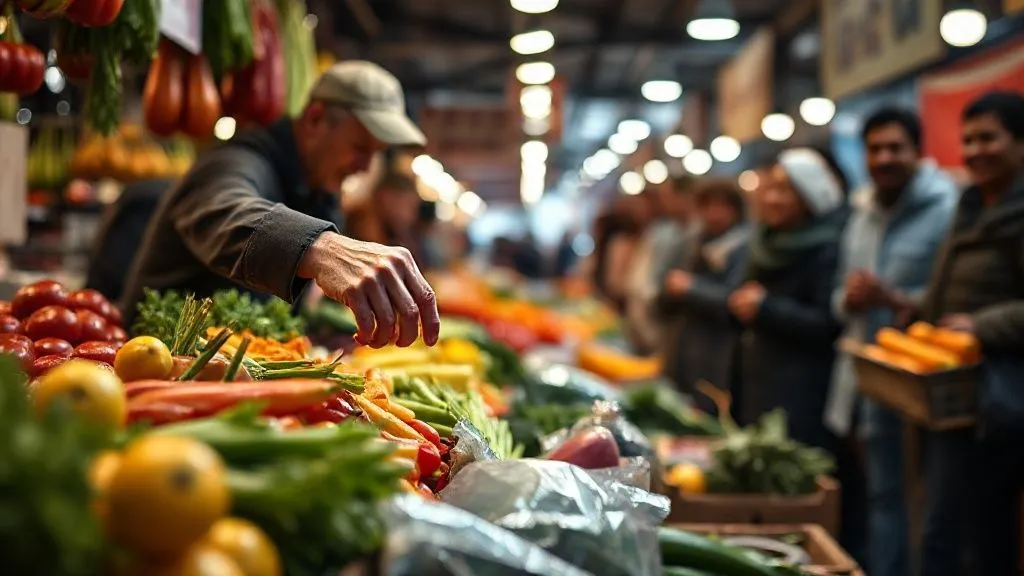
For over 15 years, I've had the privilege of guiding countless travelers through the vibrant, sensory explosion that is an international food market. From the spice-laden souks of Marrakech to the bustling fish markets of Tokyo, these experiences are often the highlight of a culinary tour. However, I've also seen the flip side – the subtle anxieties of clients, the occasional upset stomach, and the very real threat to a tour operator's reputation if food safety isn't meticulously managed. The allure of authentic local flavors comes hand-in-hand with a unique set of challenges.
The problem is clear: while the desire for authentic, immersive food experiences is at an all-time high, the varying hygiene standards, unknown sourcing practices, and language barriers in international markets can create a minefield for unsuspecting travelers and unprepared tour operators. A single incident of foodborne illness can not only ruin a client's trip but can severely damage your brand's credibility, leading to negative reviews, lost business, and even legal repercussions. It's a risk no responsible tour operator can afford to take lightly.
This isn't just about avoiding illness; it's about building an unparalleled level of trust with your clients, allowing them to fully immerse themselves without a shadow of doubt. In this definitive guide, I will share the actionable frameworks, real-world insights, and expert strategies I've honed over years in the field. You'll learn not just what to do, but how to implement robust food safety protocols that protect your clients, enhance their experience, and solidify your reputation as a leader in safe, authentic food travel. Let's dive into how to ensure food safety for clients on international market tours.
Pre-Tour Due Diligence: Research & Vetting Local Vendors
The foundation of any successful and safe international food market tour begins long before your clients step off the plane. It starts with rigorous, often painstaking, pre-tour due diligence. In my experience, this phase is where you identify and mitigate the vast majority of potential risks.
Deep Dive into Local Food Culture & Risks
Every region, every country, and often every market, has its own unique culinary traditions and, crucially, its own set of food safety considerations. What's perfectly safe in one culture might pose a significant risk in another. Understanding these nuances is paramount.
- Common Ingredients & Preparation: Research staple ingredients. Are there common allergens? How are meats typically stored and cooked? Is seafood a major component, and what are the local standards for freshness and refrigeration?
- Water Sources & Ice: Investigate the local tap water quality. Assume it's unsafe for consumption unless explicitly proven otherwise by official health advisories. This extends to ice in drinks, which is often made from tap water.
- Street Food Culture: While often the most exciting part, street food varies wildly. Some cultures have highly regulated and clean street food scenes, while others are more laissez-faire. Identify high-turnover stalls where food is cooked fresh and served hot.
- Regional-Specific Illnesses: Be aware of common foodborne illnesses prevalent in the region. For example, in some areas, particular types of raw fish or unpasteurized dairy might carry risks not common elsewhere.
Expert Insight: "Cultural immersion doesn't mean abandoning caution. It means understanding local practices well enough to discern safe options from risky ones, and educating your clients accordingly. It's about respectful vigilance."
Establishing Vendor Selection Criteria
Once you understand the general landscape, you need a systematic approach to selecting the specific vendors your tour will engage with. This isn't about judgment; it's about informed decision-making based on observable criteria.
- Observe Cleanliness & Hygiene: Look for clean stalls, surfaces, and utensils. Are vendors handling money and food with separate hands or wearing gloves? Is there a visible water source for washing hands and dishes?
- Refrigeration & Storage: Perishable items (meats, dairy, cut fruits) should be kept cold, ideally in refrigerated units or on ice. Cooked food should be kept hot, above 60°C (140°F). Avoid food left at room temperature for extended periods.
- High Turnover: Prioritize stalls with a steady stream of local customers. High turnover means food is prepared and consumed quickly, reducing the time bacteria have to multiply.
- Freshness of Ingredients: Can you see fresh, vibrant ingredients being prepared? Is the produce crisp, and are meats/seafood free from discoloration or off-odors?
- Cooking Methods: Opt for foods that are cooked thoroughly and served hot right in front of you. Frying, grilling, and boiling are generally safer than raw or lightly cooked items.
- Reputation & Local Recommendation: While not always foolproof, asking trusted local contacts (hotel staff, other guides, reputable locals) for their favorite, safe spots can be invaluable.
I always recommend making an initial scouting trip, if feasible, to personally inspect potential vendors and build relationships. This hands-on approach is invaluable for truly understanding local conditions.
Comprehensive Guide Training & Client Briefing
Your tour guides are your frontline defenders of client safety. They need to be more than just knowledgeable about local cuisine; they must be fully trained food safety ambassadors. Equally important is empowering your clients with the knowledge to make safe choices themselves.
Empowering Your Guides with Food Safety Knowledge
A well-trained guide can proactively identify risks, confidently answer client questions, and respond effectively in an emergency. This goes beyond a simple checklist; it requires comprehensive training.
- Identify Red Flags: Train guides to spot common hygiene failures: dirty hands, cross-contamination, inadequate refrigeration, pests, or visibly unclean preparation areas.
- Effective Communication: Guides must be able to politely and effectively communicate with vendors about their practices, and with clients about safe choices, potentially navigating language barriers.
- First Aid & Emergency Response: Ensure guides are certified in basic first aid, particularly for gastrointestinal issues. They should know the location of the nearest reputable medical facilities and emergency contact numbers for the tour company and local services.
- Local Health Contacts: Provide guides with a list of trusted local doctors, clinics, and pharmacies, along with any relevant insurance information for clients.
- Water & Beverage Protocols: Reinforce strict adherence to bottled water and safe beverage choices for both guides and clients.
Regular refreshers and scenario-based training are crucial. I've found that role-playing difficult situations – like a client insisting on eating something questionable – prepares guides far better than just reading a manual.
Educating Clients for Proactive Safety
While your guides are there to protect, informed clients are your best allies in maintaining safety. A clear, concise, and non-alarmist briefing sets the right tone for a worry-free experience.
- Hand Hygiene is Paramount: Emphasize frequent hand washing or the use of alcohol-based hand sanitizer, especially before eating. According to the CDC, proper hand hygiene is the single most important, simplest, and least expensive means of preventing the spread of infection.
- "Boil it, cook it, peel it, or forget it!": This classic adage is still highly relevant. Encourage clients to choose foods that are thoroughly cooked, served hot, or that they can peel themselves.
- Bottled Water Only: Remind clients to drink only bottled, sealed water, and to avoid ice cubes unless they are absolutely certain they're made from purified water.
- Cautious with Raw Foods: Advise caution with raw fruits and vegetables, especially salads, unless they are prepared in a reputable establishment or peeled by the client.
- Listen to Your Guide: Stress the importance of following the guide's recommendations and instructions regarding food choices.
On-Site Protocols: Real-Time Risk Management
Even with the best pre-planning, the dynamic environment of an international market requires real-time vigilance. Your guides, and even your clients, need a framework to assess situations on the spot and make informed decisions about what to consume.
The 'Observe, Ask, Decide' Framework
This simple, three-step framework empowers guides to quickly evaluate a food vendor or item in the moment. I've personally used this countless times to navigate new markets and ensure food safety for clients on international market tours.
- Observe: What do you see? Is the stall clean? Are there flies? Is food being handled hygienically? Are temperatures appropriate (hot food hot, cold food cold)? Do other locals seem to be eating there without issue?
- Ask: If possible and appropriate, ask the vendor about their ingredients, preparation methods, and how long food has been sitting out. Your guide's language skills and cultural sensitivity are crucial here.
- Decide: Based on your observations and any information gathered, make an immediate decision. If there's any doubt, err on the side of caution. It's better to miss out on one dish than to risk a client's health.
This framework is not just for your guides; it's a valuable tool to share with clients during their briefing, encouraging them to be active participants in their own safety without creating undue paranoia.
Emergency Response & Contingency Planning
Despite all precautions, incidents can happen. Having a clear, practiced emergency response plan is non-negotiable.
- Immediate Action: If a client feels unwell, the guide must immediately assess the situation. Is it mild discomfort or something more serious?
- Medical Assistance: Know the protocol for seeking medical help. Is there a specific clinic your company uses? How is transportation arranged? Who is the emergency contact?
- Communication: Establish clear lines of communication. The guide should inform the tour operator's head office immediately. Clients' families should be contacted if necessary, following privacy protocols.
- Documentation: Every incident, no matter how minor, should be documented thoroughly – symptoms, time, location, what was eaten, actions taken. This is vital for insurance and future risk assessment.
Water & Beverage Safety: Beyond the Obvious
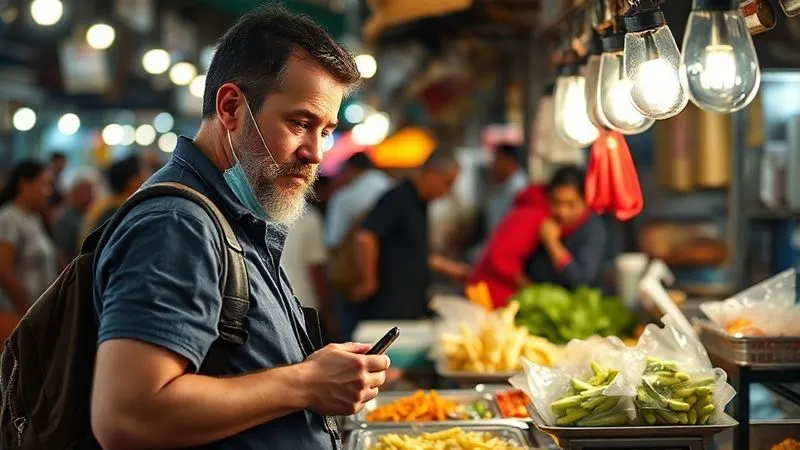
It's easy to focus solely on food, but contaminated water and beverages are equally, if not more, common culprits for traveler's illness. This is an area where absolute vigilance is required to ensure food safety for clients on international market tours.
Always assume that tap water in international destinations is unsafe for drinking, brushing teeth, or even rinsing food, unless explicitly advised otherwise by reliable local health authorities. This rule extends to ice cubes, which are frequently made from tap water. Encourage clients to only consume bottled water with an intact seal. If bottled water isn't available, water purification tablets or a portable filter can be a lifesaver, though these should be a backup, not a primary strategy.
Beyond plain water, be cautious with other beverages. Freshly squeezed juices, while tempting, can be risky if the fruits aren't washed with safe water or if the juicer isn't clean. Stick to commercially bottled or canned drinks, or hot beverages like tea and coffee, where the water has been boiled. The World Health Organization emphasizes safe drinking water as fundamental to public health, and this principle is even more critical when traveling.
Navigating Street Food & Raw Delights: A Balanced Approach
The magic of a food tour often lies in the spontaneity and authenticity of street food. It's where you find the true soul of a cuisine. However, this is also where many of the most significant food safety risks reside. The key is a balanced, educated approach.
The Art of Safe Street Food Sampling
My philosophy has always been that you shouldn't entirely avoid street food; you should approach it intelligently. Here’s how I guide my clients:
- Choose Popular Stalls: As mentioned, high turnover means fresh ingredients and hot food. If a stall is bustling with locals, it’s generally a good sign.
- Watch the Preparation: Observe how food is handled. Are separate utensils used for raw and cooked items? Are hands washed? Is the cooking surface clean?
- Opt for Cooked & Hot: Prioritize dishes that are cooked to order and served piping hot. The heat kills most harmful bacteria. Deep-fried, grilled, or boiled items are generally safer.
- Avoid Reheated Food: Be wary of food that appears to have been cooked hours ago and is merely being kept warm or reheated.
- Portion Control: Start small. Trying a tiny portion of a new dish allows you to assess your body's reaction without overcommitting.
Raw Food: To Eat or Not to Eat?
Raw foods, from fresh salads to ceviche, present a higher risk because they bypass the bacteria-killing power of heat. My advice is usually cautious but not entirely prohibitive:
- Peeled Fruits are Best: Fruits that you can peel yourself (bananas, oranges, mangoes, papayas) are generally safe. Avoid pre-cut fruit from street vendors unless you are absolutely certain of their hygiene.
- Salads & Uncooked Vegetables: These are often washed in local tap water. Unless you are in a high-end restaurant with explicit assurances of purified water use, it's best to avoid them.
- Raw Seafood (Sushi, Ceviche): This is perhaps the riskiest category. Only consume raw seafood from establishments with impeccable reputations, high turnover, and clear evidence of sanitary handling. When in doubt, skip it.
| Category | Safety Indicators | Risk Level |
|---|---|---|
| Street Food (Cooked) | High turnover, cooked to order, served hot, visible hygiene | Moderate |
| Street Food (Raw/Cold) | Pre-cut, unpeeled, room temperature, questionable water source | High |
| Restaurant Food (Cooked) | Reputable establishment, clean kitchen, clear food safety practices | Low to Moderate |
| Restaurant Food (Raw/Cold) | High-end establishment, verified sourcing, strict hygiene protocols | Moderate |
Post-Tour Feedback & Continuous Improvement
The journey to impeccable food safety doesn't end when the tour does. The insights gained from each tour, both positive and negative, are invaluable for refining your protocols and ensuring continuous improvement. This iterative process is crucial for maintaining a high standard of care and for learning how to ensure food safety for clients on international market tours effectively.
Collecting & Analyzing Client Feedback
Structured feedback is your most potent tool for identifying potential issues and areas for improvement. Don't just ask, "How was the food?" Dig deeper.
- Specific Questions: Include questions on your feedback forms directly related to food safety. Did clients feel comfortable with the food choices? Did they have any concerns about hygiene at specific vendors? Were the guide's safety briefings clear?
- Incident Reporting: Implement a clear process for reporting any health incidents, no matter how minor. This includes symptoms, duration, what was eaten, and where.
- Pattern Recognition: Regularly review feedback to identify patterns. Are multiple clients mentioning the same vendor? Are certain types of food consistently causing issues? This data is gold for pinpointing problem areas.
Adapting Protocols Based on Experience
Feedback is useless without action. Use the insights gained to actively adapt and improve your food safety protocols.
- Vendor Review: If a vendor consistently receives negative feedback regarding hygiene or illness, investigate immediately. If concerns are validated, remove them from your approved list.
- Guide Training Updates: Use real-world scenarios from feedback to update guide training. This makes the training more relevant and impactful.
- Briefing Refinements: Adjust client briefings to address common concerns or new risks identified.
Case Study: 'Taste of Thailand' Tour Refines Safety Protocols
A leading culinary tour operator, 'Taste of Thailand Tours,' initially faced sporadic client discomfort related to street food. By implementing a rigorous post-tour feedback system and guide debriefs, they identified specific stalls and preparation methods that posed higher risks. For instance, they discovered a popular fruit shake vendor was using unpurified ice. They then updated their approved vendor list, removing the problematic vendor, and enhanced guide training to specifically address ice safety. Within six months, client health incidents dropped by 70%, and their tour satisfaction scores for food experiences soared, reinforcing their reputation as a trusted provider of authentic and safe culinary journeys.
Leveraging Technology for Enhanced Safety
In today's interconnected world, technology offers powerful tools to augment traditional food safety measures. Smart use of digital resources can significantly enhance your ability to ensure food safety for clients on international market tours.
Consider equipping your guides with smartphones loaded with essential apps. This could include translation apps to facilitate clearer communication with vendors, local health department hotlines, and digital maps with pre-marked reputable medical facilities. There are also travel health apps that provide real-time advisories and disease outbreak information relevant to specific regions. Some advanced systems even allow for digital vendor assessment checklists, enabling guides to quickly log hygiene observations and share them with the home office for immediate review and action.
Furthermore, communication platforms can keep tour groups connected, allowing guides to disseminate urgent safety information quickly or for clients to discreetly report any concerns. While technology is a powerful aid, it should always complement, not replace, human vigilance and expert judgment.
| Tech Tool | Function | Benefit |
|---|---|---|
| Travel Health Apps | Real-time health advisories, disease outbreaks, medical facility locator | Proactive risk awareness for guides and clients |
| Translation Apps | Facilitates communication with local vendors and medical staff | Clearer understanding of practices and needs |
| Digital Checklists/Forms | Standardized vendor assessments, incident reporting | Consistent data collection, quick reporting, trend analysis |
| Group Communication Platforms | Instant messaging, emergency broadcasts to clients | Rapid information dissemination, discreet client reporting |
| Offline Maps with POIs | Pre-marked safe restaurants, pharmacies, hospitals | Efficient navigation to safe resources |
Frequently Asked Questions (FAQ)
How do I handle a client who insists on eating something risky? This is a common challenge. Your guide should politely but firmly reiterate the safety guidelines discussed during the briefing. Explain the specific risks associated with that item (e.g., unpurified water, raw ingredients). Offer a safer, equally delicious alternative. If the client still insists, have them sign a waiver acknowledging the risks and that they are proceeding against expert advice. Document the conversation thoroughly. Ultimately, you cannot physically prevent them, but you must ensure they are fully informed and that your company is protected.
What's the best way to vet a new street food vendor on the fly? Employ the 'Observe, Ask, Decide' framework. Prioritize stalls with high local patronage, visible cleanliness, and where food is cooked fresh and served piping hot. If possible, quickly consult with a trusted local (e.g., a nearby reputable shop owner) for their opinion. If there's any doubt, move on. Trust your gut; it's better to be overly cautious than to risk a client's health.
Should I carry a first-aid kit specifically for food-related issues? Absolutely. A comprehensive first-aid kit is essential. It should include anti-diarrheal medication, oral rehydration salts, anti-nausea medication, probiotics, and basic pain relievers. Ensure your guides are trained on how and when to administer these. This can provide immediate relief and prevent minor issues from escalating.
How do I balance authentic experience with strict safety? This is the art of food travel. It's not about avoiding authenticity; it's about curating it safely. Focus on authentic experiences where safety can be reasonably controlled. This means careful vendor selection, thorough guide training, and transparent client communication. Sometimes, an authentic experience might mean observing a risky practice from a distance, rather than participating directly. The goal is safe authenticity, not reckless immersion.
What are the legal implications if a client gets sick? Legal implications can vary significantly by jurisdiction and the specific terms of your tour operator agreement. Generally, if negligence can be proven (e.g., failing to follow established food safety protocols, knowingly taking clients to unsafe vendors), your company could face liability. This underscores the critical importance of robust protocols, thorough documentation, comprehensive insurance, and potentially legal counsel specializing in travel liability. Consulting legal experts and reviewing your travel insurance policies is highly recommended.
Key Takeaways and Final Thoughts
Ensuring food safety for clients on international market tours is not merely a logistical challenge; it's a testament to your brand's commitment to excellence and client well-being. It transforms a potentially stressful experience into one of pure delight and discovery. By adopting a proactive, multi-layered approach, you safeguard not just your clients' health, but also your company's reputation and long-term success.
- Prioritize Pre-Tour Due Diligence: Thorough research and vendor vetting are your first line of defense.
- Empower Your Guides: Invest in comprehensive training for your guides, making them frontline food safety experts.
- Educate Your Clients: Provide clear, actionable advice to help clients make informed, safe choices.
- Implement On-Site Vigilance: Use frameworks like 'Observe, Ask, Decide' for real-time risk management.
- Be Diligent with Water & Beverages: Assume all local tap water is unsafe and advise accordingly.
- Balance Authenticity with Caution: Curate street food experiences intelligently, prioritizing cooked and hot options.
- Embrace Continuous Improvement: Use feedback and technology to constantly refine your safety protocols.
The culinary world is vast and wondrous, and your role as a food travel specialist is to unlock its treasures safely. By meticulously applying these strategies, you're not just running a tour; you're building unforgettable, safe, and truly immersive experiences that will leave your clients raving, eager for their next adventure with you. Go forth, explore, and savor the world, one safe bite at a time.
Recommended Reading
- 7 Proven Ways: Avoid Greenwashing in Eco-Preservation Tour Marketing
- Unlock Serenity: The Secret to Finding Quiet Festival Camping Spots
- Ultimate Guide: Best Winter Sports Photography Settings
- Market Lesser-Known Historical Cities: 5 Steps for Cultural Trip Success
- The Ultimate Guide: How to Avoid Hidden Travel Fees & Surcharges?


Your email address will not be published. Required fields are marked *