

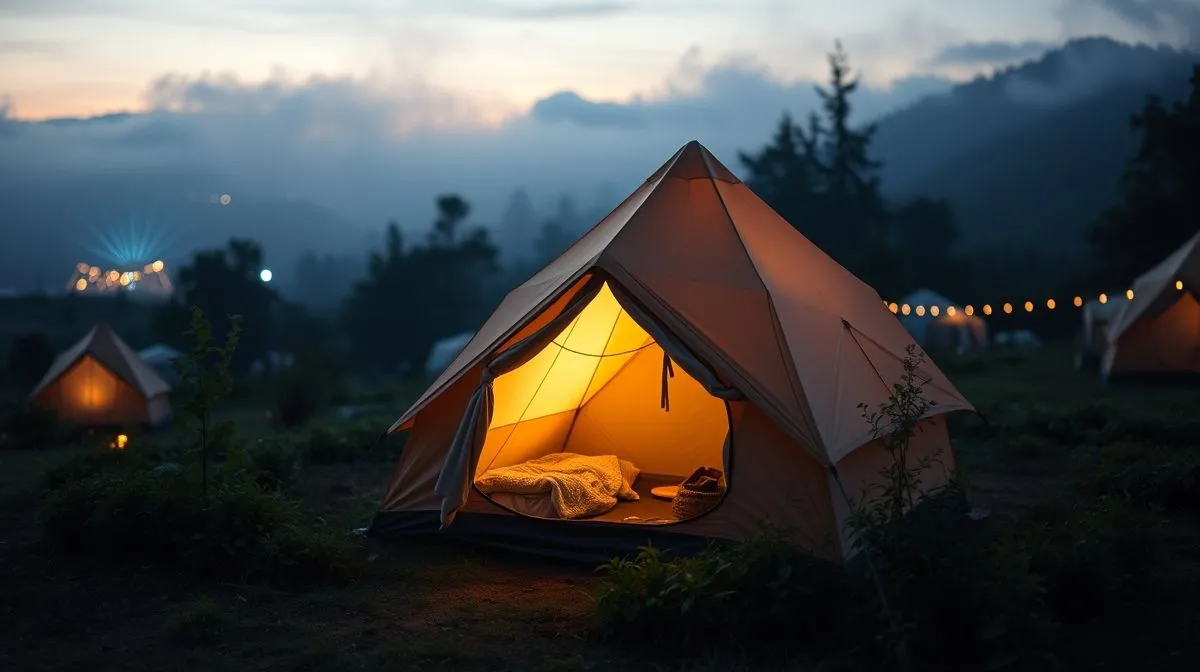
Navigating the Noise: How to Find Quiet Festival Camping Spots for Serene Slumbers
Picture this: You’ve just experienced an exhilarating day of music, dancing, and camaraderie at your favorite festival. Your body is tired, your mind is buzzing, and all you crave is a few hours of peaceful, uninterrupted sleep. But as you retreat to your tent, the distant thumping bass, the chatter of excited neighbors, and the constant stream of late-night revelers turn your dream of slumber into a frustrating, sleepless reality. Does this scenario sound all too familiar?
The quest for quiet at a bustling music festival can often feel like an impossible mission. With thousands of attendees, multiple stages, and a non-stop party atmosphere, finding a peaceful sanctuary for rest seems counter-intuitive. Yet, the quality of your sleep profoundly impacts your overall festival experience, influencing your energy levels, mood, and ability to fully immerse yourself in the daytime festivities. The problem is clear: how do you carve out a slice of serenity in a landscape designed for sound?
This comprehensive guide is your definitive resource on how to find quiet festival camping spots, transforming your chaotic nights into restorative havens. We’ll delve into strategic planning, smart gear choices, and expert on-site tactics that will equip you to secure the tranquil repose you deserve, ensuring you wake up refreshed and ready for another epic day.
Understanding Festival Camping Zones and Their Nuances
Before you even pack your bags, it’s crucial to understand how festival camping areas are typically organized. Festivals are not monolithic entities; they often feature distinct zones, each with its own energy and noise profile. Familiarizing yourself with these nuances is the first step toward finding your quiet oasis.
General Camping vs. Quiet/Family Zones
Many larger festivals offer designated quiet camping areas or family zones. These are often located further from the main stages and late-night activity hubs, with stricter noise curfews. While not always completely silent, they are usually your best bet for a more peaceful night.
General camping, by contrast, is typically a free-for-all, where the party often continues until dawn. If a festival offers a quiet zone, always prioritize it if sleep is your goal. Check the festival’s official website or FAQ for details on these specific areas.
Proximity to Stages and High-Traffic Areas
Common sense dictates that camping closer to stages, vendor areas, or main pathways will expose you to more noise. Stages generate continuous sound, while pathways are conduits for foot traffic, conversations, and sometimes even vehicle movement. Aim for spots that are a comfortable distance away from these high-volume zones.
Consider areas near entry/exit points, as these can also be surprisingly noisy with people arriving and departing at all hours. Similarly, avoid camping directly adjacent to large group camps, which are often prone to late-night revelry.
The Layout Lottery: Early Bird Advantage
Festival camping is often first-come, first-served. This means that arriving early can give you a significant advantage in selecting a prime, quieter spot. Don't underestimate the power of being among the first to enter the campgrounds. It allows you to scope out the terrain and claim a desirable pitch before the best spots are taken.
Later arrivals often find themselves relegated to whatever space is left, which tends to be in the more crowded or less desirable, noisier sections. Plan your arrival time meticulously to maximize your chances of securing a peaceful spot.
Pre-Festival Research: Your Secret Weapon
The internet is a goldmine of information. Leveraging it effectively before you even leave home can dramatically increase your chances of finding a quiet festival camping spot. Don't just show up; show up informed and prepared.
Scrutinizing Festival Maps and Official Guides
Most festivals release detailed maps of their grounds, including camping areas, stages, and facilities. Study these maps intently. Look for areas that appear to be on the periphery, away from main thoroughfares, or bordering natural features that might absorb sound. Some maps even indicate designated quiet zones or family camping.
Pay attention to the location of generators, food vendors, and late-night attractions, and try to position yourself as far away from them as possible. The official guide often contains crucial information about quiet hours or specific camping rules.
Tapping into Community Forums and Social Media
Veteran festival-goers are an invaluable resource. Online communities, such as Reddit forums dedicated to festivals or specific festival fan groups on social media, are excellent places to gather insider tips. Search for threads discussing camping strategies, noise levels, and recommended spots.
You might find discussions about which sections of the campground are historically quieter or which areas to absolutely avoid. Engaging with these communities can provide insights that official guides don't cover. For instance, check out discussions on Reddit's r/festivals community for real-world advice.
Reviewing Past Attendees' Experiences
Look for blog posts, YouTube vlogs, or social media posts from previous years’ attendees. Many people share their camping experiences, including photos and videos that can give you a visual sense of the campground layout and typical noise levels. Pay attention to comments about specific areas or common complaints about noise.
These first-hand accounts can reveal patterns and help you identify areas that consistently offer more tranquility, or conversely, those that are perpetually chaotic. This historical data is incredibly powerful for making an informed decision.
Strategic Arrival and Setup Tactics
Once you arrive at the festival, your initial actions are critical. The choices you make in the first few hours can dictate the peace of your entire weekend. This is where your pre-festival research pays off.
The Early Bird Gets the Quiet Spot
As mentioned, arriving early is paramount. Aim to be there when gates open, or even a few hours before, if allowed. This allows you to bypass the initial rush and have the widest selection of camping spots. The best, most secluded spots are always claimed first.
Being early means you can take your time to walk around, assess potential noise sources, and pick a spot that truly aligns with your desire for peace. Don't just settle for the first empty patch of grass you see.
Choosing Your Pitch Wisely: Beyond the Obvious
When selecting your exact tent pitch, look for subtle cues. Areas at the very edge of the camping zone, especially if they back onto a non-camping area (like a forest line or a service road, provided it's not a noisy one), can offer more seclusion. Avoid pitching directly on a main thoroughfare or at the intersection of multiple paths.
Consider the natural topography. A slight rise or a dip in the land can sometimes offer a small buffer from sound. Observe where others are setting up; if a large, boisterous group is already established, choose a spot as far away from them as possible.
Creating Your Own Sound Buffer
Even if you can't find a perfectly quiet spot, you can create your own micro-environment of tranquility. If you're camping with a group, arrange your tents strategically. Place larger, more solid structures (like an RV or a large communal tent) between your sleeping tent and known noise sources.
Parking your car strategically can also act as a sound barrier. Position its solid side towards the direction of anticipated noise. While not a complete sound wall, every little bit helps to dampen the decibels reaching your tent.
Gear Up for Tranquility: Essential Noise-Cancelling Equipment
No matter how well you pick your spot, a festival is still a noisy environment. The right gear can be the difference between a restless night and restorative sleep. Think of these items as your personal sound-cancelling arsenal.
The Power of High-Quality Earplugs and Noise-Cancelling Headphones
This is non-negotiable. Invest in high-fidelity earplugs designed for musicians or industrial use, which reduce decibels evenly without muffling sound completely. Foam earplugs are better than nothing, but professional-grade ones offer superior noise reduction and comfort for extended wear.
For even greater peace, consider noise-cancelling headphones. These can be worn over earplugs for a double layer of protection, or used with white noise/meditation tracks. According to the National Sleep Foundation, creating a consistent sound environment can significantly improve sleep quality.
Investing in a Soundproof or Heavy-Duty Tent
While no tent is truly soundproof, some materials and designs offer better noise reduction than others. Tents made from heavier, thicker fabrics (like canvas or certain polycottons) will block more sound than lightweight nylon tents. Look for tents with minimal mesh panels or those designed for extreme weather, as their robust construction can offer a slight acoustic advantage.
Some specialized 'blackout' tents also feature thicker walls and darker interiors, which can help block both light and some sound. While a dedicated soundproof tent for festivals is rare, a well-constructed, thicker-walled tent can make a noticeable difference.
Portable White Noise Machines and Apps
A portable white noise machine or a white noise app on your phone can be a game-changer. Consistent ambient sound, like a fan hum, static, or nature sounds, can mask sudden or fluctuating noises, making them less disruptive to your sleep. This creates a personal 'sound bubble' within your tent.
Many apps offer a variety of sounds, from rain to ocean waves, allowing you to find what works best for you. Ensure your device is fully charged or bring a portable power bank, as you'll likely need it running for several hours each night.
Mastering Campsite Etiquette and Communication
Sometimes, the biggest noise source is your immediate neighbor. While you can't control everyone, you can influence your immediate surroundings through respectful interaction and clear communication.
Setting Expectations with Neighbors
Upon setting up, a friendly introduction to your immediate neighbors can go a long way. A simple, "Hey, we're hoping for some solid sleep tonight, so we might be turning in early. Just a heads-up!" can subtly communicate your needs without being confrontational. Most people are reasonable and will appreciate the heads-up.
Establishing this early rapport can make it easier to address any issues later if they arise. Remember, you're all there to have a good time, and mutual respect is key.
Respecting Quiet Hours (if applicable)
Some festivals enforce quiet hours, particularly in designated quiet or family camping zones. If such rules exist, adhere to them strictly yourself and gently remind others if they seem unaware. Leading by example can encourage others to follow suit.
Even if no official quiet hours are stated, the unspoken rule of respect for others' rest generally kicks in after a certain hour (e.g., 1-2 AM). Be mindful of your own noise levels during these times.
The Art of the Polite Request
If your neighbors are genuinely being excessively loud late at night, a polite, calm request is often more effective than an aggressive confrontation. Approach them with a smile and say something like, "Hey folks, having a great time, but we're trying to get some sleep. Would you mind keeping the volume down a bit?"
If they are unresponsive or hostile, avoid escalating the situation. Your safety and peace are paramount. It's better to retreat to your tent with your earplugs than to engage in a heated argument. In extreme cases, contacting festival security might be necessary.
Exploring Alternative Quiet Camping Options
Beyond the standard camping grounds, many festivals are now offering a range of alternatives that prioritize comfort and, often, quiet. These might come at a higher price point, but for some, the investment in peace is well worth it.
Designated Quiet Camping Areas
As discussed, these are the holy grail for those seeking silence. They are specifically managed to enforce noise curfews and often attract campers with similar intentions. Always check if your chosen festival offers such an option and whether it requires a separate pass or booking.
These zones are typically located further away from the main festival bowl, sometimes even requiring a shuttle service, which further reduces ambient noise from the main event.
Glamping or Boutique Camping: A Premium on Peace
For those willing to splurge, glamping (glamorous camping) or boutique camping options often provide a significantly quieter experience. These typically involve pre-pitched, furnished tents or yurts in dedicated, often more secluded, areas. They come with amenities and, crucially, a more controlled environment conducive to rest.
These areas are usually gated, have their own security, and enforce stricter noise policies. Examples of these premium experiences can be found on sites like Glamping.com, which showcases various luxury camping options that prioritize comfort and tranquility.
Off-Site Accommodations and Day Tripping
If festival camping proves too challenging for your sleep needs, consider staying off-site in a hotel, motel, or Airbnb. This allows you to retreat completely from the festival environment each night, ensuring a proper bed and quiet room.
While it means commuting to and from the festival each day, the trade-off for guaranteed sleep can be invaluable. This option also allows you to enjoy the festival during the day without the stress of finding a quiet spot and managing a campsite.
Advanced Strategies for the Determined Camper
For the truly dedicated peace-seeker, there are additional tactics that can enhance your chances of a quiet night. These involve a deeper understanding of sound and environment.
Leveraging Natural Barriers
When scouting for a spot, look for natural sound dampeners. A dense line of trees, a slight hill, or even a large, established bush can help absorb or deflect sound waves. Camping on the leeward side of a natural barrier (downwind from the noise source) can also offer a surprising amount of protection.
Solid structures, like permanent festival buildings or even large, unoccupied storage containers, can also act as effective sound shields if you can find a spot near them that is not a high-traffic area.
Understanding Wind Patterns and Sound Travel
Sound travels with the wind. If the prevailing wind direction is from the main stage towards your campsite, you'll experience more noise. Conversely, if the wind is blowing from your campsite towards the stage, you'll likely hear less. While difficult to predict perfectly, checking the local forecast for wind direction can give you an edge.
Sound also travels further and more clearly over flat, open ground and water. Camping near uneven terrain or areas with more obstacles can help break up sound waves. Learn more about sound propagation from resources like the Acoustical Society of America.
The Role of Festival Security and Staff
Festival security and staff are there to ensure everyone's safety and enjoyment, which includes managing excessive noise. If you've tried polite communication and your neighbors are still being disruptive, don't hesitate to contact festival security. They have the authority to intervene and enforce rules.
Note their presence when choosing a spot; sometimes, camping closer to a security checkpoint can mean more immediate assistance if noise becomes an issue, but it can also mean more foot traffic from security patrols.
Common Mistakes to Avoid When Seeking Silence
Even with the best intentions, certain missteps can inadvertently lead you straight into the loudest parts of the festival. Being aware of these pitfalls can save you a lot of frustration.
Underestimating the Power of Bass
Bass frequencies travel further and penetrate more easily than higher frequencies. Even if you're far from a stage, a powerful sound system's bass can vibrate through the ground and your tent. Don't assume distance alone will eliminate all bass noise.
Consider spots that might have some natural elevation or obstacles between you and the main sound systems, as these can sometimes help dissipate low frequencies.
Choosing High-Traffic Pathways
It might seem convenient to camp right next to a main path, but this is a common mistake for those seeking quiet. Pathways are constant streams of people, often talking loudly, laughing, or even playing music as they walk by, especially late at night and early in the morning.
Opt for a spot set back from the main thoroughfares, even if it means a slightly longer walk to amenities or stages. The trade-off in peace is usually worth it.
Neglecting Proper Gear
Relying solely on your chosen spot to guarantee quiet is a gamble. Many festival-goers make the mistake of not bringing high-quality earplugs or a white noise machine, thinking their remote location will suffice. Always assume there will be some level of ambient noise and come prepared with the right tools to mitigate it.
Even in designated quiet zones, a rogue group or unexpected noise can occur. Your personal noise-cancelling gear is your ultimate backup plan.
Frequently Asked Questions (FAQ)
Can I really find a quiet spot at a major music festival? Yes, it's absolutely possible, but it requires proactive planning, strategic thinking, and the right gear. While complete silence is rare, you can significantly reduce noise levels to ensure restorative sleep.
What's the best time to arrive to secure a good spot? The earlier, the better. Aim to arrive right when the camping gates open, or even a few hours before if allowed, to have the widest selection of spots and avoid the rush.
Are quiet camping zones always quiet? While generally much quieter than general camping, no area is entirely immune to noise at a festival. They have stricter rules and attract quieter campers, but occasional disturbances can still occur. Bring your earplugs as a backup.
What if my neighbors are too loud? Start with a polite, friendly request. If that doesn't work, and the noise is excessive or violating festival rules, contact festival security or staff. Avoid confrontation.
Is it worth paying extra for quiet camping options like glamping? For many, the investment in glamping or designated quiet zones is well worth it for the improved sleep quality and overall festival experience. If sleep is a high priority for you, consider it a valuable investment.
Recommended Reading
- Unlock City Secrets: Best Urban Exploration Apps for City Breaks
- Skydiving Risks: First Time Jumpers' Safety Guide Revealed!
- Unlock Your Dream: How to Get Free Volunteer Teaching Placements
- Unlock the Secrets: How to Choose Eco-Friendly Beach Activities for Kids
- The Savvy Traveler's Guide: What to Look For When Booking a Budget Hostel?
Conclusion
Navigating the vibrant chaos of a music festival while still securing peaceful sleep is not an oxymoron; it's an achievable goal with the right approach. By understanding festival layouts, conducting thorough pre-festival research, employing strategic arrival and setup tactics, and equipping yourself with essential noise-reducing gear, you can transform your festival camping experience. Remember that respect and communication with your fellow campers also play a vital role. Applying these expert strategies on how to find quiet festival camping spots will empower you to enjoy every moment of the music and camaraderie, knowing that a serene slumber awaits you at the end of each exhilarating day.





Your email address will not be published. Required fields are marked *