

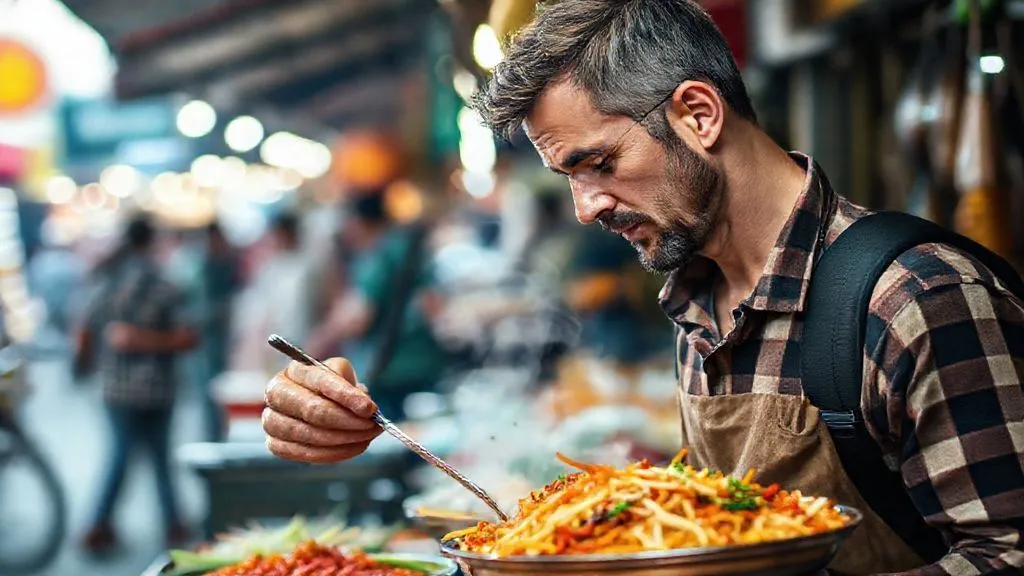
How to ensure food safety on international cultural culinary tours?
For over two decades, I've immersed myself in the vibrant world of cultural culinary tours, guiding countless adventurers through the gastronomic landscapes of the globe. From bustling Moroccan souks to serene Japanese izakayas, I've seen firsthand the incredible joy that comes from truly experiencing a culture through its food. However, I've also witnessed the devastating impact when that experience is derailed by an unexpected illness, turning a dream trip into a nightmare.
The allure of international culinary travel is undeniable: exotic flavors, unique ingredients, and the shared human connection forged over a meal. Yet, this very adventure often comes with an underlying anxiety – the fear of foodborne illness. This isn't just about discomfort; it can lead to serious health complications, ruin carefully planned itineraries, and even deter future explorations. It’s a genuine concern that often overshadows the excitement of discovery.
This comprehensive guide is born from years of on-the-ground experience and deep research. My aim is to equip you with the actionable frameworks, expert insights, and practical strategies needed to confidently navigate the culinary complexities of international travel. You’ll learn precisely how to ensure food safety on international cultural culinary tours, transforming potential worries into pure gastronomic delight.
Understanding the Unique Risks of International Culinary Travel
When we travel, especially to regions with different hygiene standards and food preparation methods, our digestive systems are exposed to unfamiliar bacteria and pathogens. What might be a harmless local microbe for a resident can be a significant challenge for a visitor.
The Allure vs. The Unknown
The charm of a street food stall, the authenticity of a local eatery, or the adventure of trying something entirely new often comes with an element of the unknown. Unlike controlled environments at home, international culinary scenes present variables in water quality, refrigeration, and food handling practices.
Common Culprits: Bacteria, Viruses, and Parasites
Foodborne illnesses are primarily caused by bacteria like E. coli, Salmonella, and Campylobacter, or viruses such as Norovirus and Hepatitis A. Parasites, though less common, can also be a concern. These pathogens thrive in improperly cooked food, contaminated water, or through cross-contamination.

Before You Go: Pre-Trip Preparations for Peace of Mind
The foundation of a safe culinary tour is laid long before you pack your bags. Proactive planning is your most powerful tool in preventing foodborne illness.
Consult Your Doctor & Vaccinations
Before any international trip, a visit to your doctor or a travel clinic is essential. They can advise on region-specific vaccinations, such as Hepatitis A or Typhoid, and discuss prophylactic medications for traveler's diarrhea. I always advise my clients to carry a small supply of broad-spectrum antibiotics, prescribed by their doctor, for emergencies.
Research Your Destination's Food Culture & Hygiene Standards
Understanding local food practices can provide invaluable insights. For instance, in some cultures, food is served lukewarm, which can be a breeding ground for bacteria. Research common street foods, local customs around eating, and general hygiene perceptions. Websites like the CDC's Traveler's Health page offer excellent country-specific advice.
Travel Insurance: A Non-Negotiable Safety Net
While we hope for the best, preparation for the worst is crucial. Comprehensive travel insurance that covers medical emergencies, including evacuation, is non-negotiable. I've seen situations where a simple case of food poisoning escalated, requiring hospital visits, and without insurance, the costs would have been crippling.
| Pre-Trip Checklist Item | Status | Notes |
|---|---|---|
| Doctor's Visit & Vaccinations | Completed | Discussed Hep A, Typhoid, Rx for traveler's diarrhea. |
| Destination Research | Completed | Understood local food norms, potential risks. |
| Travel Insurance | Purchased | Confirmed medical coverage, emergency evacuation. |
| Essential Medications | Packed | Anti-diarrhea, rehydration salts, prescribed antibiotics. |
Choosing Your Culinary Tour Operator Wisely
Your choice of tour operator plays a pivotal role in your food safety. A reputable operator will prioritize your well-being, not just the gastronomic experience.
Vetting for Food Safety Protocols
When selecting a culinary tour, inquire specifically about their food safety protocols. Do they have established relationships with vendors? How do they vet restaurants and street food stalls? Are their guides trained in basic food hygiene? A transparent operator will readily provide this information.
Understanding Local Guides' Expertise
A knowledgeable local guide is your best asset. They understand the nuances of the local food scene, can identify reputable vendors, and know which places maintain high hygiene standards. They can also effectively communicate your dietary needs or allergies, a critical aspect of how to ensure food safety on international cultural culinary tours.
Expert Insight: Never underestimate the value of a tour operator's commitment to local partnerships. Established relationships often mean they work with vendors who understand and adhere to higher safety standards, not just those offering the cheapest prices.
I always recommend looking for operators with strong community ties, as these often translate into a deeper understanding of local practices and a network of trusted food providers. For further research on reputable tour operators, resources like Responsible Travel can offer valuable insights into ethical and safe practices.
On the Ground: Navigating Food & Drink Safely
Once you're immersed in the destination, conscious decision-making about what you consume is paramount. This is where your preparedness truly pays off.
The "Boil It, Cook It, Peel It, or Forget It" Rule
This golden rule is your mantra for safe eating abroad. If food has been thoroughly boiled or cooked, it's generally safe. Fruits and vegetables that you can peel yourself (like bananas or oranges) offer a protective layer. If it doesn't fit these criteria, it's often best to avoid it, especially from questionable sources.
Water Wisdom: Bottled, Boiled, or Purified
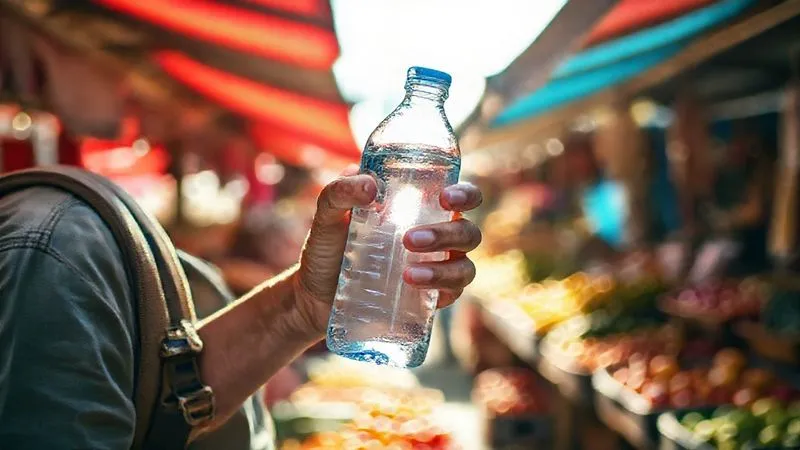
Tap water in many international destinations is not safe for consumption. Stick to commercially bottled water with an unbroken seal, boiled water, or water purified with a reliable filter or purification tablets. Remember, this includes ice in drinks, brushing your teeth, and even washing produce.
Street Food Savvy: How to Spot Safe Vendors
Street food is a highlight of cultural culinary tours, but it requires discernment. Look for vendors with a high turnover of customers, indicating fresh ingredients. Observe their hygiene: are they handling money and food with the same hands? Is the food kept hot or properly refrigerated? A clean stall and fresh ingredients are key indicators.
Case Study: Maria's Moroccan Market Meal
Maria, a client on a culinary tour of Morocco, was initially hesitant about street food. Following my advice, she focused on stalls with long queues, observing vendors meticulously. She chose a stall selling freshly grilled kefta skewers, watching as the meat was cooked to order over hot coals, ensuring it was piping hot. She skipped the pre-cut salads and opted for whole, peeled oranges for dessert. This careful approach allowed her to enjoy authentic Moroccan flavors without any health concerns, a perfect example of how to ensure food safety on international cultural culinary tours.
- Observe Customer Traffic: High turnover means fresh ingredients.
- Check Food Temperature: Hot food should be steaming hot; cold food should be properly chilled.
- Assess Vendor Hygiene: Look for clean hands, separate utensils for handling raw and cooked food, and clean surfaces.
- Evaluate Water Source: Ensure they are using bottled or purified water for washing and cooking.
- Prioritize Cooked-to-Order: Dishes cooked fresh in front of you are generally safer.
Managing Dietary Restrictions and Allergies Abroad
Navigating dietary needs can be challenging at home, and even more so in a foreign country where language barriers exist. Yet, it's a critical aspect of food safety.
Language Barrier Solutions: Allergy Cards
Before you travel, create allergy cards translated into the local language, clearly stating your restrictions (e.g., 'No peanuts,' 'Gluten-free'). Carry multiple copies and show them to your guide, servers, and chefs. This simple tool can prevent misunderstandings that lead to serious health issues.
Communicating with Chefs and Guides
Always communicate your dietary needs clearly and respectfully. Your tour guide should be your primary advocate, helping to convey your requirements to restaurant staff. Don't be afraid to ask questions about ingredients or preparation methods. When in doubt, it's always safer to choose a simpler dish with fewer ingredients or one you know is safe.
For reliable translated allergy cards, I often direct travelers to resources like SelectWisely.com, which provides professionally translated cards for a wide range of dietary needs.
Personal Hygiene: Your First Line of Defense
Beyond the food itself, your personal hygiene habits play a significant role in preventing illness. Many foodborne illnesses are transmitted through fecal-oral routes, making hand hygiene crucial.
Handwashing: The Golden Rule
Wash your hands thoroughly with soap and water before eating, after using the restroom, and after handling money. This simple act is incredibly effective at removing pathogens.
Sanitizer: Your Travel Companion
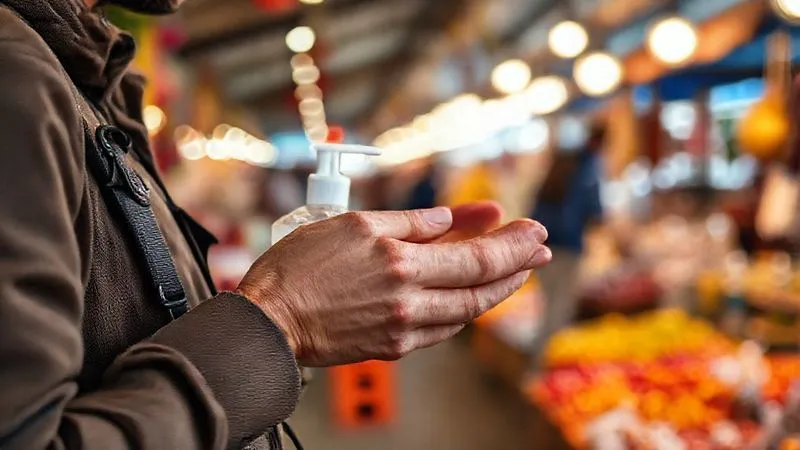
When soap and water aren't available, a good quality alcohol-based hand sanitizer (at least 60% alcohol) is your next best friend. Use it frequently, especially before touching food or your face.
What to Do If You Get Sick: A Prepared Traveler's Guide
Despite all precautions, sometimes illness can strike. Knowing how to react can significantly mitigate the impact.
Recognizing Symptoms & Seeking Medical Attention
Be aware of common symptoms of foodborne illness: nausea, vomiting, diarrhea, abdominal cramps, and fever. If symptoms are severe, persistent, or accompanied by dehydration, seek medical attention immediately. Your travel insurance provider can help you locate reputable medical facilities.
First Aid Kit Essentials for Foodborne Illness
Your travel first aid kit should include: anti-diarrhea medication (like Imodium), oral rehydration salts (ORS) to prevent dehydration, and any prescribed antibiotics from your doctor. These can provide immediate relief and prevent conditions from worsening.
Expert Insight: The most critical response to traveler's diarrhea is hydration. Oral rehydration salts are far more effective than just water or sugary drinks in replenishing lost electrolytes and fluids, which is vital for recovery.
For more detailed information on managing travel-related illnesses, the World Health Organization (WHO) travel health guidelines are an authoritative resource.
Beyond the Plate: Ethical and Sustainable Culinary Tourism
As a veteran in this niche, I believe that how to ensure food safety on international cultural culinary tours extends beyond personal health to the well-being of the communities we visit. Ethical choices enhance your experience and contribute positively.
Supporting Local, Responsible Practices
Choose restaurants and vendors that source locally and support fair wages. This often means fresher ingredients and a more direct connection to the community, indirectly contributing to better food handling practices due to community pride and oversight.
Understanding Food Waste and Impact
Be mindful of food waste. Order reasonable portions and avoid over-ordering. Understanding the local context of food scarcity can deepen your appreciation for the food you consume and encourage more sustainable habits.
Frequently Asked Questions (FAQ)
Is it safe to eat street food anywhere? While street food can be a highlight, safety varies greatly. It's not safe everywhere. Prioritize vendors with high customer turnover, visible cooking, and obvious cleanliness. Avoid anything that looks lukewarm, pre-prepared and sitting out, or handled unhygienically. Always trust your gut feeling – if it doesn't look right, don't risk it.
How do I handle ice in drinks? Unless you are in a country where tap water is explicitly safe for consumption, or a reputable establishment assures you their ice is made from filtered/purified water, it's best to avoid ice. When ordering drinks, specify "no ice." This is a simple yet crucial step to how to ensure food safety on international cultural culinary tours.
What about raw fruits and vegetables? The general rule is: if you can't peel it, it might be risky unless you've thoroughly washed it yourself with purified water. Salads, pre-cut fruits, and raw vegetables served in restaurants where water quality is uncertain should be approached with caution. Stick to fruits you can peel or thoroughly cooked vegetables.
Should I bring my own water filter? For adventurous travelers venturing off the beaten path, a portable water filter or purification system can be an excellent investment. Brands like Sawyer or Lifestraw are popular choices. This provides an extra layer of security, especially in areas where bottled water might be scarce or unreliable.
How do I know if a restaurant is clean? Beyond the obvious visual cues (clean tables, floors, restrooms), observe the staff. Are they wearing clean uniforms? Do they practice good hand hygiene? Is the kitchen visible and appears tidy? A busy restaurant with locals is often a good sign, as it suggests reputation and fresh ingredients.
Key Takeaways and Final Thoughts
Navigating the rich tapestry of international culinary tours safely doesn't require sacrificing adventure; it demands informed choices and proactive preparation. My journey through this incredible niche has taught me that the most memorable experiences are those savored with confidence and good health.
- Prioritize Pre-Trip Planning: Consult your doctor, get vaccinations, and secure comprehensive travel insurance.
- Vet Your Tour Operator: Choose companies with transparent food safety protocols and knowledgeable local guides.
- Practice the "Boil It, Cook It, Peel It, or Forget It" Rule: Your ultimate guide for on-the-ground eating decisions.
- Be Water Wise: Stick to sealed bottled water, boiled water, or purified alternatives.
- Be a Savvy Street Food Explorer: Look for high turnover, visible cooking, and excellent vendor hygiene.
- Manage Allergies Proactively: Use translated allergy cards and communicate clearly with staff.
- Maintain Impeccable Personal Hygiene: Frequent handwashing and sanitizer use are non-negotiable.
- Be Prepared for Illness: Pack a first aid kit and know when to seek medical attention.
By integrating these expert strategies into your travel routine, you're not just preventing illness; you're enhancing your entire cultural culinary journey. You're empowering yourself to explore, taste, and connect with confidence, ensuring that every bite is a delightful memory rather than a cause for concern. Go forth, explore, and savor the world, safely!
Recommended Reading
- 7 Steps to Prove ROI for Luxury Holistic Healing Wellness Programs
- 7 Steps to Secure Hidden Luxury Beach Resorts for VIP Clients
- Best Cruise for Toddlers with Food Allergies: Safe Sailing Guide
- Unlock Your Wanderlust: How to Overcome Fear of Solo Exploration Abroad
- How Do Cruise Lines Assess Sustainable Port Growth? 7 Key Factors Revealed





Your email address will not be published. Required fields are marked *