

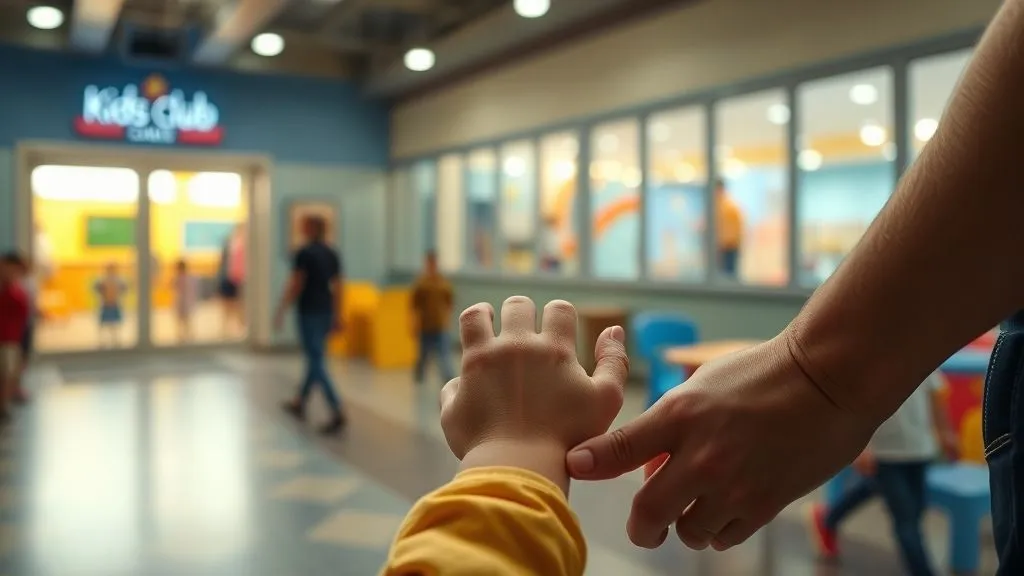
Vetting Family Resort Kids Club Staff for Child Safety? The Ultimate Parental Guide
For over two decades in the family travel industry, I've witnessed firsthand the incredible joy a well-run kids club can bring to a family vacation. That precious time for parents to reconnect, perhaps enjoy a quiet meal, or simply relax by the pool, knowing their children are safe, engaged, and having a blast. However, I've also seen the shadow of anxiety that often accompanies this decision: the inherent worry about entrusting your most precious treasures to unfamiliar hands in an unfamiliar place.
This isn't just a fleeting concern; it's a profound parental instinct. The thought of 'what if?' can overshadow the entire vacation experience. Parents often feel they lack the tools or the access to truly understand the safety protocols and, critically, the people who will be caring for their children. It’s a leap of faith, but one that shouldn't be blind.
That's precisely why I've distilled my years of experience, insights from countless resort visits, and conversations with both parents and industry professionals into this definitive guide. You're not just looking for a checklist; you're seeking a framework for confidence. In this article, I'll walk you through actionable strategies, expert questions, and vital observations that empower you to rigorously assess and confidently decide on the safety of any family resort kids club staff, ensuring your peace of mind is as paramount as your child's well-being.
Understanding the Landscape: Why Kids Club Safety is Paramount
The allure of a family resort often hinges on its ability to cater to all ages, and the kids club is frequently the jewel in that crown. However, beneath the surface of fun activities and colorful playrooms lies a profound responsibility. As parents, our primary concern is always the safety and well-being of our children, especially when they are in an unfamiliar environment with new caregivers.
The Unique Vulnerabilities of Children in New Environments
Children, particularly younger ones, are inherently more vulnerable. They may not always be able to articulate discomfort, recognize potential dangers, or advocate for themselves effectively. In a new resort setting, away from their usual routines and support systems, these vulnerabilities can be amplified. The excitement of new friends and activities can sometimes override their natural caution, making the role of vigilant, trustworthy staff even more critical.
The Psychological Impact of Perceived Risk on Parents
The perception of risk, whether real or imagined, can significantly impact a parent's ability to relax and enjoy their vacation. If you're constantly worried about your child's safety in the kids club, the entire purpose of the holiday is undermined. My goal is to equip you with the knowledge to transform that anxiety into informed confidence, allowing you to truly unwind.
The true luxury of a family vacation isn't just the amenities; it's the profound peace of mind that comes from knowing your children are in genuinely safe and capable hands. This peace is non-negotiable.
The Non-Negotiables: Background Checks & Certifications
When you're vetting family resort kids club staff for child safety, the first layer of defense, and arguably the most critical, lies in the resort's commitment to thorough background checks and essential certifications. This isn't just about ticking boxes; it's about establishing a foundational level of trust and due diligence.
Beyond the Basic Criminal Record: What to Look For
A basic criminal record check is a starting point, but it's often insufficient. In my experience, top-tier resorts go much further. They should be conducting multi-jurisdictional criminal background checks, sex offender registry checks, and often, employment history verification. Ask about the frequency of these checks – are they done upon hiring and then periodically? Are references thoroughly contacted?
Essential First Aid and CPR Certifications
Accidents, however minor, can happen. It's imperative that kids club staff are not only trained but also currently certified in pediatric First Aid and CPR. This isn't just a 'nice-to-have'; it's a life-saving skill. Inquire about the percentage of staff holding these certifications and where their training was obtained. Reputable organizations like the Red Cross or American Heart Association are good indicators.
Child Protection Training: A Must-Have
Beyond physical safety, emotional and psychological safety are equally vital. Staff should undergo specific training in child protection, recognizing signs of abuse or neglect, and understanding appropriate boundaries. This training equips them to handle sensitive situations, implement protective measures, and report concerns through established protocols. A resort that invests in this kind of training demonstrates a deeper commitment to child welfare. According to a study by the National Center for Missing and Exploited Children, proactive child protection training significantly reduces incidents and increases staff confidence in handling difficult situations. Learn more about child protection best practices.
| Check Type | Importance Level | Frequency | Parental Inquiry Focus |
|---|---|---|---|
| Criminal Background (Multi-Jurisdictional) | Critical | Upon Hire & Biennially | Scope & Frequency of checks |
| Sex Offender Registry | Critical | Upon Hire & Annually | Verification process |
| Employment History Verification | High | Upon Hire | Depth of reference checks |
| Pediatric First Aid/CPR Certification | Critical | Upon Hire & Re-certification (e.g., every 2 years) | Certifying body & expiration dates |
| Child Protection Training | Critical | Upon Hire & Annually | Curriculum & reporting protocols |
Interviewing for Intuition: Asking the Right Questions
While policies and certifications are crucial, they only tell part of the story. Your parental intuition is a powerful tool, and you can leverage it by engaging staff in conversation. When you're at the resort, take the time to speak directly with the kids club managers and some of the staff. This is your opportunity to gauge their demeanor, philosophy, and genuine passion for working with children.
Situational Awareness & Problem-Solving Scenarios
Ask open-ended questions that require more than a 'yes' or 'no' answer. For instance, 'Can you describe a challenging situation you've encountered with a child in the club and how you resolved it?' or 'What would you do if a child refused to participate in an activity and wanted to be alone?' Their responses will reveal their problem-solving skills, empathy, and adherence to safety protocols.
Understanding Discipline Philosophies
Every caregiver has a discipline philosophy, and it's important that it aligns with your expectations of a safe and nurturing environment. Ask, 'What is your approach to discipline or managing challenging behavior?' Look for answers that emphasize positive reinforcement, redirection, and age-appropriate responses, rather than punitive measures. A strong focus on understanding the child's needs is a good sign.
Communication Skills with Children and Parents
Effective communication is foundational to safety. Observe how staff interact with children – do they get down to the child's level? Do they listen attentively? Then, assess their communication with you. Do they explain procedures clearly? Are they approachable and open to questions? This two-way communication builds trust.
- "How do you ensure every child feels included and safe, especially those who might be shy or new?" (Reveals empathy and integration strategies).
- "Can you walk me through your protocol if a child experiences a minor injury, like a scraped knee, or a more serious one?" (Assesses First Aid knowledge and communication with parents).
- "What's your approach if a child becomes very upset or homesick during their time here?" (Tests emotional intelligence and comforting techniques).
- "How do you handle situations where a child doesn't want to follow the rules or participate in activities?" (Uncovers discipline philosophy and engagement strategies).
- "What measures are in place to prevent unauthorized individuals from picking up a child?" (Directly addresses security protocols and vigilance).
On-Site Observation: What to Look for During Your Visit
Before committing your child to a kids club, a personal visit and keen observation are indispensable. No amount of online research can replace the insights gained from seeing the facility and staff in action. Trust your instincts; if something feels off, it probably is.
Staff-to-Child Ratios and Supervision Protocols
Observe the staff-to-child ratio. Is it appropriate for the age groups present? Younger children require more direct supervision. Are staff actively engaged with the children, or are they distracted? Look for constant, active supervision, not just passive presence. Are there designated zones for different activities, and are these zones adequately staffed?
<Program Structure and Age-Appropriate Activities
A well-structured program indicates thought and care. Are the activities varied, stimulating, and genuinely age-appropriate? Are there quiet areas for children who need a break, as well as active play zones? A chaotic, unstructured environment can be a breeding ground for overlooked safety concerns.
Facility Security and Emergency Procedures
Pay close attention to the physical security of the kids club. Are entry and exit points controlled? Is the area fenced or secured? Are emergency exits clearly marked and unobstructed? Inquire about their emergency plan for situations like fire, natural disaster, or medical emergencies. A clear, communicated plan is a sign of preparedness.

Never underestimate the power of an unannounced visit. A kids club that welcomes your spontaneous observation demonstrates confidence in its operations and staff. It's a hallmark of transparency and trustworthiness.
Beyond the Brochure: Digging Deeper with Reviews & Reputation
While resort marketing materials present an idealized image, real-world experiences from other parents offer invaluable, unfiltered insights. Learning how to effectively parse through reviews and engage with parent communities is a critical step in vetting family resort kids club staff for child safety.
How to Discern Authentic Feedback from Fakes
Not all reviews are created equal. Look for detailed accounts, specific incidents, and consistent themes across multiple reviews. Be wary of overly generalized praise or criticism. Check the reviewer's history – do they review a wide range of places, or only this one resort? Platforms like TripAdvisor and Google Reviews often have mechanisms to identify verified stays.
Specific Keywords to Search in Reviews
When searching for reviews, use specific keywords related to safety: "kids club safety," "staff attentiveness," "child supervision," "incident," "staff training," or "pickup policy." These terms can quickly surface relevant experiences, both positive and negative, that might otherwise be buried in general vacation feedback. Pay particular attention to how the resort management responds to negative safety-related comments – a proactive, empathetic response is a good sign.
Engaging with Parent Forums and Communities
Online parent forums, Facebook groups dedicated to family travel, and specific travel blogs can be goldmines of information. Post a direct question: "Has anyone had experience with the kids club at [Resort Name]? Specifically, how did you find the staff and safety protocols?" You'll often receive candid, detailed responses from parents who have been in your shoes. Sites like Mumsnet or dedicated family travel groups on social media are excellent resources for these kinds of discussions.
The Resort's Commitment: Policies, Transparency, and Communication
A resort's true dedication to child safety is reflected not just in its individual staff members, but in its overarching policies, its commitment to transparency, and its channels for communication. These institutional factors provide the framework within which individual staff operate.
Clear Policies on Child Pick-Up and Drop-Off
Robust check-in and check-out procedures are non-negotiable. Ask about their system: Do they use photo identification? Passwords? Wristbands? Are only pre-authorized individuals allowed to pick up children? A lax system here is a major red flag. The policy should be clearly communicated to you upon arrival and strictly adhered to by staff.
Transparency in Reporting Incidents
Even in the safest environments, minor incidents can occur. What matters is how the resort handles them. Does the kids club have a clear policy for reporting accidents or behavioral issues to parents? Are parents immediately notified of anything significant? A resort that is open and transparent about incidents, even minor ones, demonstrates integrity and a commitment to continuous improvement. As marketing expert Seth Godin often emphasizes, transparency builds trust, especially in sensitive areas like child safety.
Open Lines of Communication with Parents
Beyond incident reporting, how easy is it for you to communicate with the kids club staff throughout the day? Do they offer a way to check in via text or phone? Are you encouraged to drop by and observe? Resorts that foster open, easy communication are demonstrating confidence in their operations and respect for parental concerns.
Case Study: How 'Azure Family Resort' Transformed Safety Perception
Azure Family Resort, a popular Caribbean destination, faced declining bookings due to a few negative online reviews concerning kids club supervision. Their previous policy was to only notify parents of significant incidents. Recognizing the problem, Azure implemented a three-pronged approach: 1) They introduced a secure app allowing parents to receive real-time updates and photos of their children's activities, and a direct messaging feature with staff. 2) They mandated weekly 'open house' hours for parents to observe the kids club unannounced and meet staff. 3) They revised their incident reporting to include immediate, detailed communication for even minor bumps or disagreements, followed by a personal call from the kids club manager. Within six months, their online safety ratings soared by 40%, and bookings recovered fully, demonstrating that proactive transparency and communication are powerful tools in building parental trust.

Empowering Your Child: Preparing Them for Kids Club
While vetting family resort kids club staff for child safety is primarily your responsibility, empowering your child with certain knowledge and communication skills is a crucial, often overlooked, layer of protection. A prepared child is a safer child.
Teaching Basic Safety Rules
Before your trip, have a conversation with your child about basic safety rules in a kids club setting. This includes things like: always staying with the group, telling a staff member if they need help or feel unwell, and never leaving the club with someone they don't know, even if that person claims to be a friend of the family. Practice role-playing these scenarios in a gentle, reassuring way.
Encouraging Open Communication with Parents
Emphasize to your child that they can tell you anything – good or bad – about their day at the kids club. Reassure them that you will always listen without judgment. Create a safe space for them to share feelings, even if they're negative or uncomfortable. This open line of communication is your most valuable early warning system.
What to Do if They Feel Uncomfortable
Equip your child with an 'escape plan' if they ever feel uncomfortable, scared, or unwell. Teach them to identify a trusted staff member (e.g., the manager, or someone with a specific uniform) and tell them they want to go back to you. Reassure them that it's okay to ask to leave, no matter what. This gives them agency and a sense of control.
- Discuss Expectations: Talk about what the kids club will be like, the fun activities, and that you'll be nearby. Manage excitement and potential anxieties.
- Teach the "Safe Adult" Concept: Help them identify who the 'safe adults' are in the kids club (e.g., staff in uniforms, the manager) and who to approach if they need help or feel unsure.
- Establish a "Secret Word" or Signal: For older children, consider a secret word or phrase that only you and they know. If someone tries to pick them up and doesn't know the word, they know not to go with them.
Continuous Vigilance: Ongoing Monitoring and Feedback
Vetting isn't a one-time event; it's an ongoing process. Even after you've thoroughly researched and observed, continuous vigilance during your stay, coupled with open feedback, ensures sustained safety and enjoyment. Your role as a parent doesn't end when your child enters the kids club.
Daily Check-Ins with Your Child
Every day, after your child leaves the kids club, take a few moments to genuinely check in with them. Ask open-ended questions like, "What was the best part of your day?" or "Was there anything that made you feel sad or confused?" Listen not just to their words, but to their tone and body language. A child's subtle cues can be very telling. As experts in child psychology often point out, parental intuition is finely tuned to a child's non-verbal communication. Explore more on child development and communication.
Providing Constructive Feedback to the Resort
If you observe something that concerns you, or if your child expresses discomfort, don't hesitate to provide feedback to the kids club management. Do so constructively and calmly. Your input is valuable not just for your child, but for the safety of all children at the resort. Conversely, if you have a fantastic experience, share that too! Positive feedback reinforces good practices.
Trusting Your Parental Instincts
Ultimately, your parental instincts are your most powerful safety tool. If something feels off, if you have a persistent nagging doubt, pay attention to it. It's perfectly acceptable to remove your child from the kids club if you're not entirely comfortable, even if you can't articulate a specific 'problem.' Your peace of mind, and your child's safety, always come first.
| Action Item | Frequency | Key Indicator |
|---|---|---|
| Observe Staff-Child Interactions | Daily, during drop-off/pickup | Active engagement, positive reinforcement |
| Direct Child Check-In | Daily, post-kids club | Open-ended questions, listening for cues |
| Review Daily Activity Schedule | Daily | Age-appropriateness, variety, safety considerations |
| Check Facility Cleanliness/Safety | Periodically, during observation | Tidiness, functioning equipment, clear pathways |
| Monitor Child's Enthusiasm/Comfort | Throughout stay | Willingness to attend, happy demeanor, no expressed concerns |
Frequently Asked Questions (FAQ)
What if the resort refuses to share details about staff background checks? This is a significant red flag. While specific personal details of staff are confidential, a reputable resort should be able to confirm *that* comprehensive background checks are conducted, *what types* of checks they are (e.g., multi-jurisdictional criminal, sex offender registry), and *how often* they are updated. If they are evasive, consider it a strong indicator that their vetting process may not be up to standard. Your child's safety warrants full transparency on their processes.
How can I tell if staff-to-child ratios are adequate for different age groups? While there aren't universal legal requirements for resorts, industry best practices suggest higher ratios for younger children. For infants/toddlers (0-2 years), aim for 1:3 or 1:4. For preschoolers (3-5 years), 1:5 or 1:6 is generally good. For school-aged children (6+ years), 1:8 to 1:10 is often acceptable. Observe if staff seem overwhelmed or if children are left unsupervised, even briefly. A good ratio means staff can actively engage and supervise all children.
Should I tip kids club staff, and does it impact the level of care? Tipping policies vary by resort and culture. While a gratuity is always appreciated for excellent service, it should never be a prerequisite for proper care or safety. Good kids club staff are professionals committed to their duty. If you feel compelled to tip, do so at the end of your stay based on the overall quality of care. Never feel pressured to tip to ensure your child's safety.
What's the best way to handle a minor incident reported by my child, like another child being mean? First, listen to your child calmly and empathetically. Validate their feelings. Then, approach the kids club manager or a senior staff member. Describe the situation objectively and ask how they plan to address it. A good kids club will have protocols for managing peer conflicts and ensuring all children feel safe and respected. Follow up to see if the issue was resolved to your satisfaction.
Are there any third-party accreditations or certifications for kids clubs I should look for? While less common than individual staff certifications, some resorts may boast accreditations from international child safety organizations or comply with specific national childcare standards (e.g., certain European or Australian standards if they operate there). While not widespread, if a resort mentions such an accreditation, it's worth researching the body behind it. More commonly, resorts will adhere to their own corporate child protection policies, which you should inquire about.
Key Takeaways and Final Thoughts
- Prioritize Proactive Inquiry: Don't wait until you arrive; research resort safety policies and staff vetting procedures before you book.
- Demand Transparency: A reputable resort will be open about background checks, certifications, and incident reporting.
- Observe and Engage: Use your on-site visit to speak with staff, observe interactions, and assess the facility's security.
- Empower Your Child: Equip them with safety rules and encourage open communication about their experiences.
- Trust Your Instincts: Your parental gut feeling is a powerful safety indicator; never dismiss it.
- Provide Feedback: Both positive and constructive feedback contribute to better safety standards for everyone.
The decision to entrust your child to a kids club is a significant one, and it's one you should make with confidence, not apprehension. By applying the strategies outlined here, you're not just 'vetting family resort kids club staff for child safety?'; you're actively participating in creating a secure, joyful holiday experience for your entire family. Remember, a truly memorable family vacation is one where every member, especially the parents, feels completely at ease. Go forth, inquire deeply, observe keenly, and enjoy your well-deserved peace of mind.
Recommended Reading
- Skydiving Risks: First Time Jumpers' Safety Guide Revealed!
- How to Impress Key Clients at a Global Light Festival on a Tight Schedule: 6 Pro Tips
- Reduce Travel Carbon Footprint Responsibly: The Ultimate Guide
- Solo Backpacking Safety: 10 Budget Tips for Extreme Adventures
- 7 Proven Strategies: Beat City Break Overwhelm for Maximum Productivity





Your email address will not be published. Required fields are marked *