

How to Ethically Access Remote Traditional Music for Documentation?
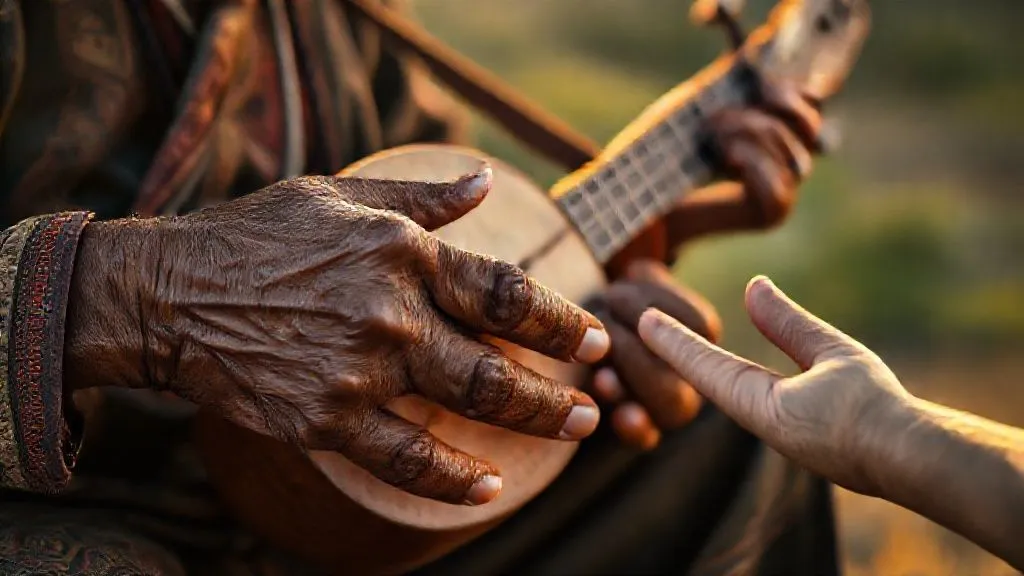
For over two decades, I've journeyed into some of the world's most secluded communities, drawn by the haunting beauty and profound cultural significance of traditional music. The thrill of discovery – of encountering sounds that tell stories generations old – is unparalleled. Yet, this passion is always tempered by a profound responsibility; a recognition that I am not just a listener or a documentarian, but a guest in a sacred space of cultural heritage.
The allure of uncovering rare musical traditions for documentation often overshadows the complex ethical landscape that researchers must navigate. Without careful consideration, what begins as a noble pursuit to preserve can inadvertently lead to exploitation, misrepresentation, or even the erosion of the very cultural fabric we aim to protect. The challenge lies in striking a delicate balance: capturing the essence of these invaluable traditions while upholding the dignity, rights, and autonomy of the communities that create and sustain them.
This guide distills years of fieldwork, countless conversations with elders and community leaders, and the hard-won lessons learned from both successes and missteps. Here, you'll find not just facts, but actionable frameworks, practical steps, and a heart-centered approach to how to ethically access remote traditional music for documentation, ensuring your work contributes genuinely to cultural preservation and fosters respectful collaboration.
The Foundation: Understanding Indigenous Rights and Cultural Sensitivity
Before any equipment is packed or itinerary planned, the most crucial step is to cultivate a deep understanding and respect for indigenous rights and cultural sensitivities. This isn't merely a formality; it's the bedrock upon which all ethical documentation must be built.
Prior Informed Consent (PIC) Beyond a Signature
Prior Informed Consent (PIC) is often misunderstood as a one-time legal waiver. In the context of remote traditional music, it is a continuous, evolving dialogue rooted in trust and mutual understanding. It requires patience, humility, and a genuine commitment to ensuring that individuals and communities fully comprehend the scope, implications, and potential outcomes of your documentation efforts.
- Initiate Early and Establish Rapport: Begin conversations long before you plan to record. Engage through local intermediaries, community leaders, and elders. Attend community gatherings, listen more than you speak, and demonstrate genuine interest in their way of life beyond their music.
- Ensure Comprehension in Native Language: Information must be conveyed in the local language, using culturally appropriate terminology and concepts. This often requires working with trusted translators who understand both the linguistic nuances and the cultural context.
- Explain the 'Why' and 'How': Clearly articulate why you want to document their music, how the recordings will be used (e.g., academic research, public archives, community-controlled platforms), who will have access, and for how long. Discuss potential benefits and risks.
- Address Intellectual Property and Ownership: Be explicit about who will own the recordings and any derivative works. Discuss the community's rights to control access, future use, and potential commercialization.
- Seek Collective and Individual Consent: For community-held traditions, collective consent from governing bodies or cultural committees is paramount. However, individual consent from each performer is also essential, recognizing personal autonomy within collective traditions.
- Offer a Right to Withdraw: Ensure participants understand they can withdraw consent at any time, for any reason, without penalty. This reinforces their agency and control over their cultural expressions.
"Ethical documentation isn't about taking; it's about sharing power. It's about recognizing that the knowledge and art belong to the community, and our role is to facilitate its preservation on their terms."
Intellectual Property and Cultural Heritage
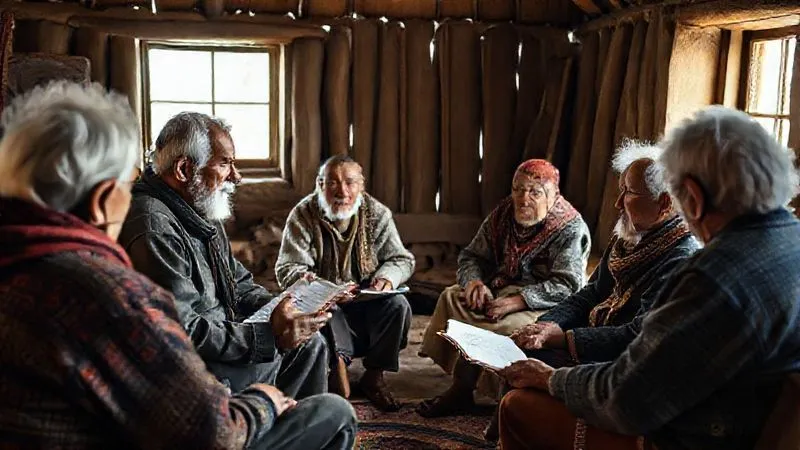
Traditional music is often intertwined with traditional knowledge, spiritual practices, and community identity, making it a form of collective intellectual property. Documentarians must be acutely aware of the potential for appropriation and ensure that their work respects and protects these rights. The United Nations Declaration on the Rights of Indigenous Peoples (UNDRIP) (see UNDRIP Article 31) clearly states that Indigenous peoples have the right to maintain, control, protect and develop their cultural heritage, traditional knowledge and traditional cultural expressions.
Avoiding appropriation means more than just crediting the source. It involves understanding the nuances of how the community views its own music – whether certain songs are sacred, seasonal, or restricted to specific individuals or ceremonies. It means ensuring that any dissemination or commercial use directly benefits the community and is approved by them. Failure to do so can lead to irreparable harm, turning documentation into an act of cultural exploitation rather than preservation.
Building Trust: The Long-Game of Relationship Cultivation
In my experience, the most profound and ethically sound documentation projects are those built on deep, authentic relationships. This isn't a transactional visit; it's an investment in human connection that transcends the immediate goal of recording.
Immersion and Reciprocity
True understanding comes from immersion. This means spending significant time within the community, participating in daily life, and ideally, learning at least some of the local language. It's about moving beyond the role of an observer to become a contributing member, however temporary.
- Live with the Community: Whenever possible, arrange to live in the community rather than commuting. This fosters daily interactions, helps you understand local rhythms, and builds familiarity.
- Learn the Language: Even basic proficiency demonstrates respect and opens doors for more nuanced communication. It shows a commitment beyond your research agenda.
- Participate in Community Activities: Offer your skills where appropriate, or simply participate in daily chores, ceremonies, or social gatherings. Be present and engaged, not just waiting for a recording opportunity.
- Offer Reciprocity: Think about what you can give back. This could be sharing digital literacy skills, assisting with community projects, providing medical aid if you have the background, or even simply bringing useful supplies. The exchange should be meaningful and desired by the community.
Case Study: The Echoes of the Andes Project
The 'Echoes of the Andes' project initially struggled with community engagement in a remote Peruvian village. Researchers, after several unsuccessful short trips, faced reluctance from elders to share their sacred musical traditions. Recognizing their misstep, the project team committed to a six-month immersion. They learned Quechua, participated in daily life, and offered workshops on digital archiving skills and basic music theory to local youth, empowering them to document their own heritage. This deep commitment built profound trust, leading to open sharing of musical traditions and a truly collaborative documentation process. The project not only achieved high-quality, ethically sound recordings but also left a lasting legacy of empowered community members capable of continuing their own cultural preservation efforts.
Navigating Cultural Protocols
Every community has its own set of unwritten rules and social hierarchies. Respecting these protocols is non-negotiable. This involves understanding who holds authority (elders, spiritual leaders, women's councils), appropriate forms of address, gestures, and even dress codes. A seemingly small cultural faux pas can unravel months of trust-building.
For instance, in some cultures, it may be inappropriate for a male researcher to directly interview female elders without specific permission or a female intermediary. In others, certain musical performances may be restricted to specific times of the year or specific ceremonial contexts. "Fieldwork is not just about collecting data; it's about navigating a delicate web of human relationships and cultural norms," as emphasized in many ethnomusicology texts (see The Society for Ethnomusicology for further resources on best practices).
Documentation Methods: Ethical Tools and Practices
Once trust is established and consent secured, the actual act of documentation requires a thoughtful approach. Technology should serve as a bridge, facilitating preservation, not as a barrier that alienates or intimidates.
Recording with Consent and Clarity
The technical aspects of recording must always be subservient to the ethical imperative. High-quality recordings are important for preservation, but they should never come at the expense of comfort, respect, or transparency.
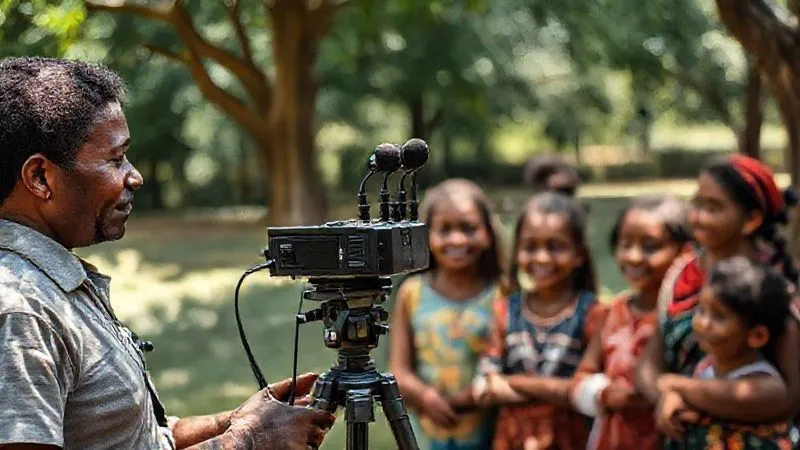
- Explain Equipment Clearly: Demystify your recording gear. Show community members what each piece of equipment does and why it's used. Let them touch and interact with it if appropriate.
- Respect Performance Context: Record music in its natural context whenever possible – during ceremonies, social gatherings, or daily work. Avoid staging performances solely for your benefit, as this can alter the authenticity and meaning of the music.
- Minimize Intrusiveness: Use discreet equipment and position yourself respectfully. Avoid bright lights or obtrusive microphones that might disrupt the performance or make participants uncomfortable.
- Continuously Reconfirm Consent: Even after initial consent, check in regularly. Ask if performers are comfortable, if the recording is still acceptable, or if there are any concerns.
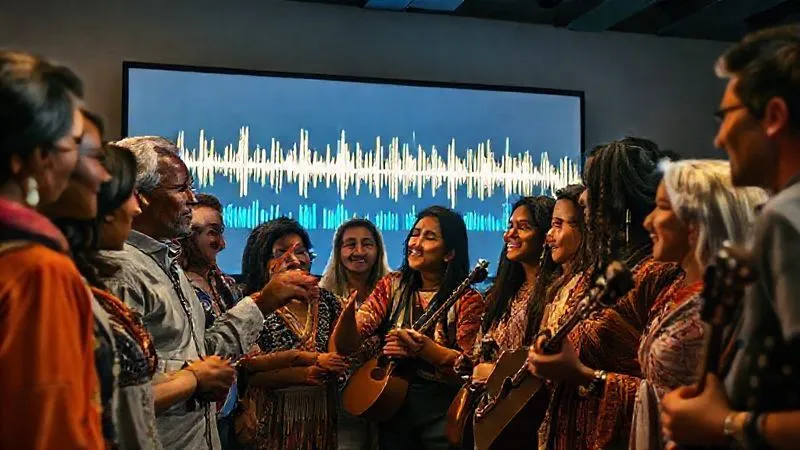
- Offer Immediate Playback: Whenever possible, play back recordings immediately after a session. This allows performers to hear themselves, offer feedback, and feel a sense of ownership over the recorded material.
"The microphone is not just a tool for capturing sound; it's a symbol of your presence. Wield it with awareness, humility, and a constant eye on the comfort and autonomy of those you are recording."
Archiving for Future Generations and Community Access
The purpose of documentation is long-term preservation and access. Ethical archiving means ensuring that the community retains control over their cultural heritage, and that the recordings are stored securely and made accessible on their terms.
| Option | Description | Pros | Cons |
|---|---|---|---|
| Community-Controlled Archive | Physical or digital archive managed directly by the community. Maximizes local control and cultural relevance. | Full autonomy, cultural sensitivity, direct benefit. | Requires local capacity building, funding. |
| Partnered Institutional Archive | Depositing copies in a reputable national or international archive (e.g., university, museum), with explicit community agreements. | Professional preservation, wider academic access (if approved). | Potential for loss of control, institutional bureaucracy. |
| Hybrid Model | Community maintains primary archive, with a secure backup or limited access copy at an external institution. | Balances local control with long-term preservation expertise. | Complex agreements, ongoing coordination required. |
| Open Access (with Consent) | Making recordings publicly available online, only with explicit, informed community consent on terms of use. | Broad dissemination, global awareness. | High risk of appropriation if not carefully managed, requires robust consent protocols. |
In my experience, the ideal scenario is a community-controlled archive, where the community itself manages the recordings. This empowers them to decide who accesses the music, for what purpose, and under what conditions. If this isn't immediately feasible, a partnered institutional archive should always be accompanied by a clear, legally binding agreement that prioritizes community rights and outlines benefit-sharing mechanisms. Resources like the Digital Preservation Coalition offer guidance on robust archiving standards.
Legal and Ethical Frameworks: Ensuring Long-Term Protection
Good intentions are a start, but they are insufficient. Robust legal and ethical frameworks provide the necessary structure to protect traditional music and the rights of its creators in the long term.
Understanding International and Local Laws
Researchers must be aware of both international conventions and national laws that pertain to cultural heritage, intellectual property, and indigenous rights. The aforementioned UNDRIP is a critical document. Additionally, national heritage laws, copyright laws, and any specific legislation regarding traditional knowledge in the host country must be understood and adhered to. Ignorance of the law is no excuse, and navigating these complexities often requires local legal counsel.
Benefit Sharing and Repatriation
Ethical documentation is not a one-way street. If your work leads to publications, exhibitions, or commercial ventures, the community must benefit equitably. This principle of benefit sharing is a cornerstone of ethical engagement.
- Financial Returns: Establish clear agreements for royalties or other financial compensation from any commercial use of recordings.
- Co-Authorship and Credit: Ensure community members who contribute significantly to the research (e.g., as performers, storytellers, cultural advisors) receive appropriate credit, including co-authorship on academic publications.
- Repatriation of Materials: Beyond the recordings themselves, consider the repatriation of any physical artifacts, photographs, or research materials that may have been removed from the community over time.
- Capacity Building: Invest in training local individuals in recording, editing, and archiving techniques, enabling them to manage their own cultural resources.
- Community-Directed Projects: Support community-led initiatives that use the documented music for their own cultural revitalization, education, or economic development.
Common Pitfalls and How to Avoid Them
Even with the best intentions, missteps can occur. Recognizing common pitfalls allows us to proactively avoid them and ensure our work remains ethical and impactful.
The 'Parachute Researcher' Syndrome
This refers to researchers who drop into a community for a short period, extract data, and then leave without establishing meaningful relationships or offering lasting benefits. This approach is inherently unethical as it treats communities as mere data sources rather than partners.
"Sustainable documentation is built on sustained relationships, not fleeting visits. If you can't commit to the time, find partners who can, or reconsider the scope of your project."
To avoid this, commit to longer periods of engagement, prioritize relationship building over data collection in the initial phases, and ensure your project includes mechanisms for ongoing community interaction and benefit even after your departure.
Misinterpreting Consent
Consent is a nuanced concept, and cultural differences can lead to misinterpretations. A polite nod might signify understanding in one culture but reluctant agreement or deference to authority in another. Power imbalances inherent in researcher-community dynamics can further complicate genuine consent.
- Look Beyond Verbal Agreement: Pay attention to non-verbal cues, body language, and community dynamics.
- Facilitate Open Dialogue: Create safe spaces for community members to express doubts or concerns without fear of offending.
- Involve Trusted Intermediaries: Work with local individuals who can help you interpret cultural nuances and gauge genuine enthusiasm or discomfort.
- Verify Understanding: Ask open-ended questions to confirm comprehension of your project and its implications, rather than simply asking 'Do you understand?'
Empowering Communities: Towards Collaborative Ethnomusicology
The future of ethical documentation lies in a paradigm shift: from researchers 'collecting' music to actively 'collaborating' with communities. This approach recognizes indigenous communities as experts and partners, not just subjects.
Training and Capacity Building
One of the most impactful ways to ensure the long-term ethical preservation of traditional music is to empower communities with the skills and resources to do it themselves. This means moving beyond simply documenting to actively sharing knowledge and building local capacity.
| Workshop Topic | Duration | Materials | Outcome | |
|---|---|---|---|---|
| Introduction to Field Recording | 3 Days | Basic recorders, microphones, laptops, headphones. | Participants can operate recording equipment, understand basic audio principles. | |
| Digital Audio Editing & Archiving | 4 Days | Laptops with free audio software (Audacity), external hard drives. | Participants can edit audio, organize files, understand metadata for archiving. | |
| Cultural IP & Rights Management | 2 Days | Printouts of relevant legal documents, case studies. | Participants understand their rights, can draft basic consent forms. | |
| Storytelling with Sound | 3 Days | Recorders, editing software, local stories/music. | Participants can create short audio documentaries or podcasts, preserving oral traditions. | Focus on local narratives. |
Co-Creation and Co-Ownership
The ultimate goal is to foster projects where communities are not just consultants but active co-creators and co-owners of the documentation process and its outputs. This means joint decision-making at every stage, from project design to dissemination.
- Shared Authorship: Ensure all publications, films, or exhibitions are genuinely co-authored or co-produced with community members.
- Joint Control over Dissemination: Decisions about where, when, and how the documented music is shared should be made collaboratively.
- Community-Led Narratives: Prioritize the community's own narratives and interpretations of their music, rather than imposing external academic frameworks.
- Return of Materials: Ensure that high-quality copies of all recordings and related materials are returned to the community in formats they can use and manage.
Frequently Asked Questions (FAQ)
Question? How do I handle situations where community members disagree on documentation, especially regarding sacred music?
Detailed answer: Disagreements within a community are common, especially concerning sensitive or sacred traditions. In such cases, the ethical imperative is to respect the most conservative viewpoint. If even one significant faction or elder expresses discomfort or objection, it is crucial to halt or significantly modify your documentation plans. Never proceed if there's internal dissent. Instead, invest more time in understanding the reasons for disagreement, facilitate internal community dialogue if appropriate (without interfering), and be prepared to focus on less sensitive aspects of their culture or even withdraw your project entirely. The community's internal harmony and self-determination always take precedence over your research goals.
Question? What if I can't afford a long-term immersion due to funding or time constraints? Is ethical documentation still possible?
Detailed answer: While long-term immersion is ideal, it's not always feasible. Ethical documentation is still possible, but it requires even more careful planning and reliance on strong partnerships. Prioritize building relationships with trusted local intermediaries or organizations who can advocate for the community and ensure your project aligns with local priorities. Focus on highly specific, community-requested projects rather than broad surveys. Ensure a significant portion of your budget is allocated to direct community benefit and capacity building. Transparency about your limitations and a commitment to ongoing communication and reciprocity, even from a distance, are vital. Consider a phased approach, building trust over multiple shorter visits if a single long one isn't possible.
Question? How do I ensure my documentation doesn't inadvertently lead to cultural appropriation later, especially if the music becomes widely accessible?
Detailed answer: Preventing appropriation requires proactive measures embedded in your consent process and dissemination strategy. Firstly, clearly define the terms of use for all recordings with the community, including restrictions on commercial use, derivative works, or use in decontextualized settings. Establish legally binding agreements that protect their intellectual property rights. Secondly, advocate for community-led narratives and contextualization alongside any public dissemination. If music is shared, ensure it's accompanied by the community's story, their voices, and their terms. Finally, consider using licensing models (e.g., Creative Commons with specific cultural clauses, or bespoke licenses) that explicitly protect traditional knowledge and cultural expressions from misuse. Regular communication with the community about the ongoing use of their music is also crucial.
Question? What's the role of digital platforms and social media in ethical dissemination of traditional music?
Detailed answer: Digital platforms and social media offer incredible opportunities for cultural exchange and global awareness, but they also amplify risks of appropriation and decontextualization. The key is community control. If the community provides explicit, informed consent for digital dissemination, these platforms can be powerful tools. They can host community-run channels, allowing direct sharing of their music and stories on their own terms. Researchers can assist in setting up and training communities to manage these platforms, ensuring authenticity and direct benefit. However, researchers must never post recordings or images on social media without explicit, specific consent for that particular platform and content, understanding the global and often uncontrollable nature of online sharing.
Question? Is it ever ethical to record music without explicit consent if it's considered 'public' or performed openly in a public space?
Detailed answer: While legal frameworks around 'public performance' might suggest permissibility, an ethical approach to traditional music almost always requires explicit consent, even in seemingly public settings. Traditional music, even when performed openly, often carries deep cultural, spiritual, or communal significance that goes beyond mere entertainment. Recording without consent can still be perceived as disrespectful, an invasion of privacy, or an appropriation of cultural property. The 'public' nature of a performance does not negate the community's right to control its cultural expressions. Always seek consent, explain your intentions, and build relationships, regardless of the setting. When in doubt, err on the side of caution and respect.
Key Takeaways and Final Thoughts
Ethically accessing remote traditional music for documentation is a journey of profound learning, humility, and unwavering respect. It demands more than just technical skill; it requires a deep commitment to the communities whose cultural heritage we seek to honor and preserve.
- Prioritize Relationships: Trust and genuine connection are the most valuable assets in any ethical documentation project.
- Consent is Continuous: Prior Informed Consent is an ongoing dialogue, not a one-time transaction.
- Empower Communities: Shift towards collaborative models where communities are co-creators and co-owners of their cultural heritage.
- Understand Rights: Be well-versed in indigenous rights, intellectual property, and local laws to ensure long-term protection.
- Practice Reciprocity: Always consider how your work can genuinely benefit the community, beyond just documentation.
As you embark on or continue your journey in this vital field, remember that your role is not just to capture sounds, but to safeguard stories, honor traditions, and amplify voices that deserve to be heard on their own terms. The echoes of remote traditional music are not merely sounds; they are living testaments to human creativity and resilience. Approach them with the reverence and responsibility they deserve, and your work will truly contribute to a richer, more respectful global tapestry of cultural understanding.
Recommended Reading
- Unlock the Secret: How to Maintain Healthy Eating on Your Wellness Trip
- 7 Steps to Reclaim Your Life: Therapeutic Travel for Burnout Recovery
- Master Your Mini-Break: Optimize Weekend Getaways for Busy Pros
- Mastering Baby's Sleep: 7 Strategies for International Business Travel
- Unlock 7 Secrets: How to Increase Bookings for Luxury Romantic Glamping Retreats?




Your email address will not be published. Required fields are marked *