


How to Maintain Baby's Sleep Schedule During International Business Travel?
For over two decades in the travel industry, specializing in family journeys, I've witnessed countless parents grapple with the complexities of blending professional obligations with the delicate needs of their little ones. The idea of international business travel with a baby, particularly the daunting task of preserving their precious sleep schedule, often feels like attempting to solve a Rubik's Cube blindfolded.
The pain points are palpable: the dread of a perpetually overtired infant, the fear of disrupting crucial developmental sleep patterns, and the sheer exhaustion that comes from navigating time zones while simultaneously trying to close a deal or attend a conference. It's a unique challenge that demands a blend of strategic planning, unwavering consistency, and a deep understanding of infant sleep science.
This article isn't just a collection of tips; it's a comprehensive framework built from years of experience and expert insights. You'll learn not only the 'what' but the 'how' – actionable strategies, real-world analogies, and the critical tools necessary to not just survive, but truly thrive, maintaining your baby's sleep schedule even when your passport gets its workout.
The Unseen Challenges of Business Travel with a Baby
Before we dive into solutions, it's crucial to acknowledge the unique hurdles. International business travel isn't a leisure trip; it comes with its own pressures, tight schedules, and often, less flexibility. Adding a baby to this equation amplifies every challenge.
Understanding the Impact of Jet Lag on Infants
Jet lag isn't just for adults. Babies, with their developing circadian rhythms, are highly susceptible to time zone shifts. Their internal clocks, responsible for regulating sleep, hunger, and alertness, can be thrown into disarray, leading to irritability, disrupted feeding, and, most notably, significantly altered sleep patterns. The key to mitigating this impact lies in proactive, rather than reactive, strategies.
Circadian rhythm disruption can manifest in various ways, from frequent night wakings to difficulty settling for naps, and even changes in appetite. Understanding these potential impacts allows us to prepare and implement targeted interventions. According to the American Academy of Pediatrics, consistent sleep routines are paramount for infant development, making their disruption a significant concern for traveling parents.

Pre-Trip Preparations: Laying the Foundation for Sleep Success
Success in maintaining a baby's sleep schedule during international business travel begins long before you pack your first suitcase. It's about meticulous planning and gradual adjustments.
Consulting Your Pediatrician: A Non-Negotiable Step
Always start with your baby's pediatrician. Discuss your travel plans, the duration, time zone changes, and any specific health considerations for your infant. They can offer personalized advice, discuss necessary vaccinations, and even suggest mild, baby-safe remedies for severe discomfort, if appropriate. This consultation is foundational for both your peace of mind and your baby's well-being.
Gradual Adjustment: The Week Before Departure
One of the most effective strategies I've seen employed is the gradual shift. Begin adjusting your baby's sleep and feeding schedule by 15-30 minutes each day, moving towards the new time zone. This isn't always feasible for extreme time differences, but even a partial shift can make a significant impact.
- Start Early: At least 3-5 days before departure, begin shifting bedtime and wake-up times.
- Morning Light Exposure: Expose your baby to natural light in the mornings of the new time zone's 'morning' to help reset their internal clock.
- Evening Wind-Down: Create a consistent, calming bedtime routine that mimics the new time zone's evening.
- Mealtime Adjustments: Gradually shift feeding times to align with the new schedule, as hunger cues are powerful drivers of routine.
- Observe and Adapt: Pay close attention to your baby's cues. Some babies adjust faster than others.
“The secret to successful baby travel isn't about eliminating disruption entirely, but about managing and minimizing it with foresight and consistency.”
| Pre-Travel Task | Timeline | Status |
|---|---|---|
| Pediatrician Consultation | 4 Weeks Prior | Complete |
| Update Vaccinations | 3 Weeks Prior | In Progress |
| Gradual Sleep Adjustment | 1 Week Prior | Not Started |
| Pack Sleep Essentials | 3 Days Prior | Complete |
| Research Local Amenities | 2 Weeks Prior | Complete |
On the Go: Mastering Sleep in Transit
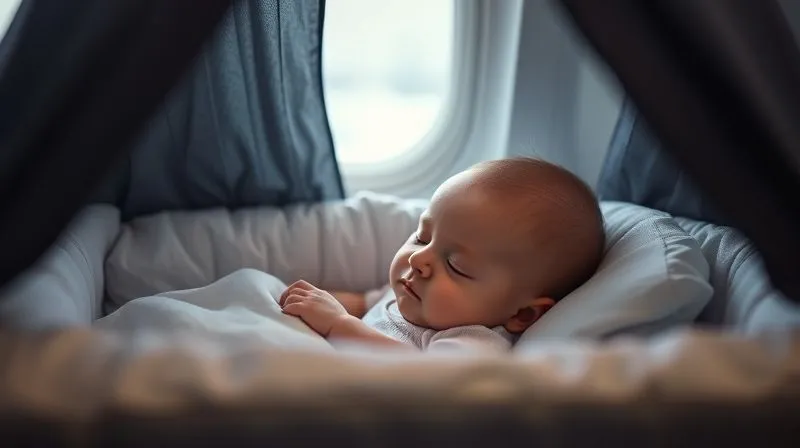
The journey itself, particularly long-haul flights, presents its own set of challenges. My philosophy here is to create a 'sleep sanctuary' within the confined space of an airplane or vehicle.
Optimizing Airplane Sleep Environments
This is where your preparedness truly shines. Think about how you create a conducive sleep environment at home and try to replicate it as much as possible.
- Portable Blackout Cover: Use a stroller cover or a large muslin cloth to create a dark, private space for your baby in their bassinet or car seat.
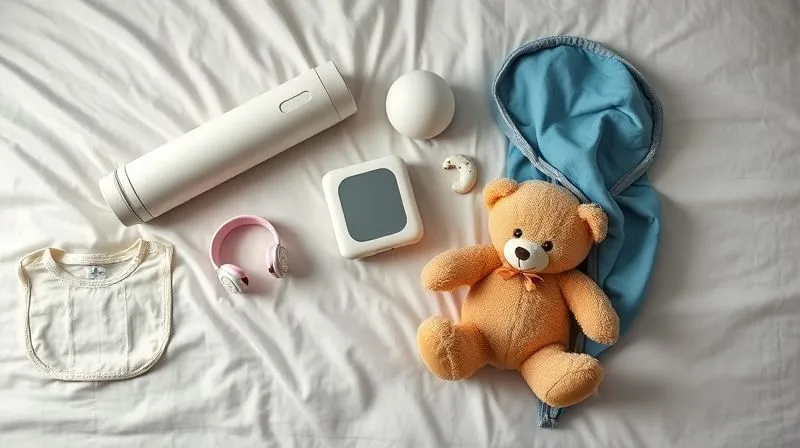
- White Noise Machine: A portable white noise machine or app can drown out airplane chatter and engine noise, providing a familiar soothing sound.
- Familiar Scents: Bring a small blanket or lovey from home that carries a familiar scent. This provides comfort and a sense of security.
- Comfortable Clothing: Dress your baby in comfortable, breathable layers.
- Timing Naps: Try to align naps on the plane with your baby's natural sleep windows, or the sleep windows of your destination time zone, if possible.
Pro-Tip: If your flight departs at your baby's usual bedtime, treat the plane as their bedroom. Go through your condensed bedtime routine – changing diaper, putting on sleep sack, a quick lullaby – and encourage sleep. This can be a powerful way to kickstart the adjustment process.
Arrival and Integration: Establishing Routine in a New Time Zone
Upon arrival, the temptation might be to let your baby sleep whenever they want due to exhaustion. Resist this urge. Immediate immersion is key.
The Power of Immediate Immersion
As soon as you land, adjust your baby to the new time zone. If it's daytime, keep them awake and expose them to natural light. If it's night, try to encourage sleep. This might mean a shorter, earlier nap than usual, or pushing through until a reasonable bedtime.
Case Study: The Cheng Family's Jet Lag Victory
I recall working with the Cheng family, who had a 9-month-old and traveled from New York to Singapore for a critical business conference. Facing a 12-hour time difference, they committed to immediate immersion. Upon arrival at 8 AM Singapore time, despite their baby having 'slept' through the NYC night on the plane, they kept him awake, brightened his room, and engaged him with play. They offered a short, late-morning nap, then kept him active until an early Singapore bedtime. The first 24-48 hours were challenging, but by day three, their baby was largely aligned with the local schedule, allowing Mrs. Cheng to focus on her meetings with far less sleep deprivation than she'd anticipated. This commitment to the new time zone from minute one was their secret weapon.
- Daylight Exposure: Maximize exposure to natural light during the local daytime hours. Take walks, open curtains, and play near windows.
- Maintain Bedtime Routine: Stick to your baby's familiar bedtime routine, even if the timing feels 'off.' Bath, massage, story, lullaby – consistency is comforting.
- Adjust Feeding Schedule: Offer meals and bottles according to the new time zone, even if your baby isn't initially hungry. Their appetite will adjust.
- Manage Naps Strategically: While tempting to let them nap whenever, try to align naps with the new local schedule. Shorten longer naps if necessary to preserve nighttime sleep.
- Blackout Curtains: Ensure your accommodation has effective blackout curtains or use your portable ones. Darkness signals sleep.
Resource: For more scientific insights into circadian rhythms and travel, consider resources from the World Health Organization or the Sleep Foundation.
Essential Tools and Gear for Sleep Continuity
Beyond strategies, the right gear can make all the difference in creating a consistent sleep environment wherever you are.
The Role of Portable Blackout Blinds and White Noise
These two items are, in my expert opinion, non-negotiable for international travel with a baby. Hotel rooms often have inadequate curtains, allowing light to seep in and disrupt sleep. Portable blackout blinds (like those from Sleepytime Blinds or Gro Anywhere Blinds) are lightweight, easy to pack, and incredibly effective at creating a dark sleep space. Similarly, a portable white noise machine (e.g., Hatch Rest Mini, Dohm Nova) provides a consistent, soothing soundscape that blocks out unfamiliar hotel noises or city sounds. This consistency mimics their home environment, signaling sleep.
Comfort Objects and Familiar Scents
Never underestimate the power of familiarity. Bring your baby's favorite sleep sack, a small blanket, or a stuffed animal from home. These items carry familiar scents and provide a sense of security and continuity in unfamiliar surroundings. I've seen parents even spray a light spritz of their own perfume or a familiar essential oil blend on a small cloth to place near the crib, though always ensure it's safe and not directly accessible to the baby.
Navigating Business Commitments While Protecting Sleep
This is where the 'business' part of the trip truly intertwines with 'baby travel tips.' It requires strategic thinking and clear communication.
Strategic Scheduling and Support Systems
If possible, try to schedule your most demanding meetings or events during your baby's most reliable nap times or after their bedtime. This might mean adjusting your own schedule significantly. Consider bringing a trusted caregiver (grandparent, nanny) or utilizing hotel childcare services if available and vetted. Having an extra pair of hands, even for a few hours, can be invaluable for maintaining sleep routines while you attend to work.
Key Insight: Prioritize your baby's first nap of the day, as it often sets the tone for subsequent sleep. If you have to choose between a morning meeting and your baby's first nap, weigh the impact. Sometimes, sacrificing a small portion of your work schedule yields exponentially better results for everyone's well-being.
Communicating Needs to Colleagues and Clients
Don't be afraid to be transparent (within professional boundaries) about your situation. A simple, 'I'm traveling with my infant, so I'll need to be mindful of their schedule for evening calls,' can go a long way. Most reasonable colleagues and clients will understand. Pre-negotiate flexible work hours, especially for calls that might fall during crucial sleep windows in your new time zone. Setting expectations upfront prevents stress later.
| Scenario | Challenge | Solution |
|---|---|---|
| Early Morning Meeting | Baby's wake-up time | Shift meeting, arrange temporary care, or utilize hotel services. |
| Late Evening Conference Call | Baby's bedtime | Pre-record presentation, ask for summary, or reschedule if possible. |
| Daytime Activity/Excursion | Baby's nap time | Plan around naps, use stroller/carrier for on-the-go naps, or split duties with partner/caregiver. |
Post-Trip Re-Adjustment: Easing Back into Home Routine
The journey doesn't end when you land back home. The re-adjustment can sometimes be as challenging as the initial adaptation.
Gentle Reset: Avoiding Over-Correction
Just as you gradually shifted before departure, aim for a gentle re-entry into your home time zone. Avoid the temptation to drastically change schedules to 'fix' any lingering jet lag. Instead, return to your established home routine immediately. Prioritize natural light exposure in the mornings and a consistent, dark sleep environment at night. It might take a few days, but consistency will prevail.
Expert Tip: Don't despair if your baby's sleep is a bit off for a week or so after returning. This is normal. Stick to your routines, be patient, and trust that their internal clock will reset. Avoid introducing new sleep crutches during this period that you might struggle to remove later.

Frequently Asked Questions (FAQ)
Question? Is it really possible to maintain a strict sleep schedule with a baby during international business travel?
Answer: While 'strict' might be an ambitious term, it is absolutely possible to maintain a consistent and predictable sleep routine. The goal isn't perfection, but rather minimizing disruption and ensuring your baby gets adequate rest. By implementing the strategies outlined, you create a framework for sleep success, even amidst travel chaos. Expect some minor fluctuations, but consistency will always bring you back on track.
Question? Should I keep my baby awake on the plane to help them adjust to the new time zone?
Answer: This is a common dilemma. Generally, for long-haul flights, it's best to allow your baby to sleep when they are tired, especially if the flight aligns with their typical sleep hours in the departure time zone. However, if the flight arrives at your destination's daytime, try to gently encourage wakefulness for a few hours before encouraging a nap or pushing through to bedtime. The key is to avoid an overtired baby, which makes sleep even harder.
Question? What if my baby cries constantly on the plane and won't sleep?
Answer: This is a fear for many parents. Ensure all basic needs are met: diaper change, feeding, comfort. Ear pressure changes during ascent and descent can be painful; offer a feed or pacifier to help. Walk the aisles if permitted. Sometimes, despite best efforts, babies cry. Do your best to soothe them, but remember you are doing everything you can. Consider a pediatrician-approved mild sedative for extreme cases, but only after consultation.
Question? How do I manage my baby's feeding schedule alongside their sleep schedule during travel?
Answer: Feeding and sleep are intrinsically linked. Aim to shift feeding times gradually along with sleep times. Offer feeds at the new time zone's appropriate intervals, even if your baby seems less hungry initially. Hydration is crucial, especially on planes. Prioritize regular feeds to prevent hunger-related sleep disruptions.
Question? Are there any specific apps or gadgets you recommend for tracking sleep and adjusting routines?
Answer: Absolutely. Apps like Huckleberry or Glow Baby offer excellent sleep and feeding tracking features, which can be invaluable for identifying patterns and making adjustments. As for gadgets, a reliable portable white noise machine and effective portable blackout blinds are my top recommendations. A good travel crib or bassinet that mimics your home setup is also a wise investment.
Key Takeaways and Final Thoughts
- Proactive Planning is Paramount: Start preparing weeks in advance, including pediatrician consultations and gradual schedule shifts.
- Consistency is Your Compass: Maintain your baby's familiar bedtime routine and sleep environment as much as possible, regardless of location.
- Leverage Essential Tools: Portable blackout blinds and white noise machines are non-negotiable for creating a conducive sleep space.
- Embrace Immediate Immersion: Upon arrival, adjust to the new time zone's schedule immediately for faster adaptation.
- Communicate and Delegate: Don't hesitate to communicate your needs professionally and seek support when available.
Navigating international business travel with a baby and maintaining their sleep schedule is a monumental task, but it is far from impossible. It requires patience, meticulous planning, and a deep understanding of your child's needs. By applying these expert-backed strategies, you're not just surviving; you're creating a seamless experience that supports both your professional ambitions and your baby's healthy development. Trust in your preparation, be flexible when necessary, and remember that every successful trip builds confidence for the next. You've got this!
Recommended Reading
- Ultimate Guide: Best Winter Sports Photography Settings
- Sacred Funding: 8 Non-Commercial Strategies for Religious Site Preservation
- Mastering Authentic Deep Nature Glamping: 7 Steps to Immersion Design
- Boost Your Bottom Line: 7 Steps to Measure Sensory-Friendly ROI
- Uncover the Soul: Where to Experience Traditional Music on Cultural Trips?





Your email address will not be published. Required fields are marked *