


How to Ethically Handle Space Tourism's Environmental Impact
For nearly two decades, I've been immersed in the space tourism industry, witnessing its potential and grappling with its challenges. I've seen firsthand how unchecked enthusiasm can overshadow the crucial need for sustainable practices. The allure of the cosmos shouldn't come at the expense of our home planet.
Space tourism, while offering unprecedented opportunities for exploration and scientific advancement, poses significant environmental threats. From rocket emissions to space debris, the consequences of irresponsible practices could be devastating, not only for Earth but also for the future of space exploration itself. It's a complex problem that demands a multifaceted approach.
In this comprehensive guide, I'll share actionable strategies and expert insights on how to ethically handle space tourism's environmental impact. You'll learn practical steps to minimize pollution, promote sustainable technologies, and ensure a responsible future for space travel. We'll explore real-world examples, analyze the latest research, and develop a framework for ethical decision-making in this rapidly evolving field.
Understanding the Environmental Challenges of Space Tourism
The primary environmental concerns associated with space tourism stem from rocket launches, the generation of space debris, and the potential for atmospheric pollution. Let's break down each of these challenges:
- Rocket Emissions: Traditional rocket fuels release greenhouse gases and ozone-depleting substances into the atmosphere.
- Space Debris: The accumulation of defunct satellites and rocket parts creates a hazardous environment in orbit, posing risks to active spacecraft and future missions.
- Atmospheric Pollution: The impact of frequent rocket launches on the upper atmosphere is still being studied, but preliminary research suggests potential long-term consequences for climate and weather patterns.
These challenges are not insurmountable, but they require proactive measures and a commitment to sustainable practices.
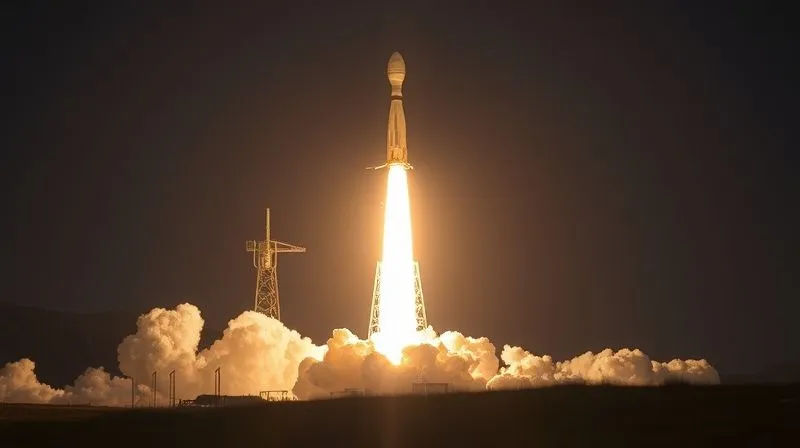
Minimizing Rocket Emissions: Sustainable Fuel Alternatives
One of the most critical steps in ethically handling space tourism's environmental impact is to transition to sustainable rocket fuels. Several promising alternatives are being developed, including:
- Liquid Hydrogen: Produces only water vapor as a byproduct when burned with oxygen.
- Methane: Offers a cleaner burn than traditional kerosene-based fuels.
- Biopropellants: Derived from renewable sources, such as algae or biomass.
However, the adoption of these alternatives requires significant investment in research and development, as well as infrastructure upgrades. Governments and private companies must collaborate to accelerate this transition.
According to a study by the Harvard University, liquid hydrogen has the potential to reduce greenhouse gas emissions from rocket launches by up to 90%. This highlights the importance of prioritizing research and development in this area.
Addressing Space Debris: Active Debris Removal and Prevention
The growing problem of space debris poses a serious threat to the long-term sustainability of space activities. There are two main approaches to address this issue:
- Active Debris Removal (ADR): Developing technologies to capture and remove existing debris from orbit.
- Debris Prevention: Implementing measures to minimize the creation of new debris, such as designing satellites that can be safely deorbited at the end of their lifespan.
ADR technologies are still in their early stages of development, but several promising concepts are being explored, including robotic arms, nets, and harpoons.
Case Study: The ClearSpace-1 Mission
Case Study: The ClearSpace-1 Mission
ClearSpace, a Swiss startup, is developing ClearSpace-1, a mission to capture and remove a defunct rocket upper stage from orbit. This mission will serve as a demonstration of ADR technology and pave the way for future debris removal efforts. The mission is backed by the European Space Agency (ESA), and is a critical step in demonstrating the viability of active debris removal. The project aims to reduce the risk of collisions in space and ensure the continued safe use of orbital space.
As space guru Seth Godin often says, "The cost of ignoring a problem is always higher than the cost of solving it." This applies perfectly to the issue of space debris.
Implementing Sustainable Tourism Practices in Space
Beyond the technical challenges, ethical space tourism requires a commitment to sustainable practices in all aspects of the industry. This includes:
- Minimizing Waste: Designing spacecraft with closed-loop life support systems to reduce waste generation.
- Conserving Resources: Utilizing in-situ resource utilization (ISRU) to extract water and other resources from the Moon or Mars, reducing the need to transport them from Earth.
- Protecting Pristine Environments: Establishing protected areas on the Moon and other celestial bodies to preserve their scientific and historical value.
These practices require a shift in mindset, from viewing space as a limitless frontier to recognizing it as a fragile environment that must be carefully managed.

The Role of Regulation and International Cooperation
Effective regulation and international cooperation are essential for ensuring that space tourism develops in a sustainable and ethical manner. Key areas for regulation include:
- Emissions Standards: Setting limits on the amount of greenhouse gases and ozone-depleting substances that can be released by rocket launches.
- Debris Mitigation: Requiring spacecraft operators to implement debris prevention measures and contribute to ADR efforts.
- Environmental Impact Assessments: Mandating thorough assessments of the environmental impact of space tourism projects before they are approved.
International cooperation is crucial for harmonizing these regulations and ensuring that they are effectively enforced. The United Nations Office for Outer Space Affairs (UNOOSA) plays a key role in facilitating this cooperation.
Educating and Engaging the Public
Ultimately, the success of ethical space tourism depends on educating and engaging the public. People need to understand the environmental challenges and the importance of sustainable practices. This can be achieved through:
- Public Awareness Campaigns: Raising awareness about the environmental impact of space tourism and promoting responsible practices.
- Educational Programs: Integrating space sustainability into school curricula and university courses.
- Citizen Science Initiatives: Engaging the public in data collection and analysis related to space debris and atmospheric pollution.
By fostering a sense of environmental stewardship, we can ensure that space tourism benefits both humanity and the planet.
Investing in Research and Innovation
Continuous investment in research and innovation is crucial for developing and deploying sustainable space technologies. This includes:
- Advanced Propulsion Systems: Developing electric propulsion systems that rely on solar or nuclear power, reducing the need for chemical rockets.
- In-Situ Resource Utilization (ISRU): Refining technologies for extracting water and other resources from the Moon, Mars, and asteroids.
- Space-Based Solar Power: Harnessing solar energy in space and transmitting it back to Earth, providing a clean and abundant source of power.
These technologies have the potential to revolutionize space travel and make it far more sustainable.
| Technology | Environmental Impact Reduction | Investment Required |
|---|---|---|
| Liquid Hydrogen Fuel | Up to 90% reduction in greenhouse gas emissions | High |
| Active Debris Removal | Reduces risk of collisions and protects orbital environment | Very High |
| In-Situ Resource Utilization | Reduces reliance on Earth-based resources and lowers launch costs | Medium to High |
According to Harvard Business Review, investing in green technologies is not just an ethical imperative but also a smart business decision.

Frequently Asked Questions (FAQ)
What are the biggest environmental risks associated with space tourism? The primary risks include rocket emissions contributing to greenhouse gases and ozone depletion, the increasing amount of space debris posing collision hazards, and the potential disruption of pristine environments on other celestial bodies.
How can rocket emissions be reduced? Rocket emissions can be reduced by transitioning to sustainable fuel alternatives like liquid hydrogen, methane, or biopropellants. These fuels produce fewer greenhouse gases and ozone-depleting substances.
What is active debris removal, and why is it important? Active debris removal (ADR) involves developing technologies to capture and remove existing debris from orbit. It is important because space debris poses a significant threat to active spacecraft and future missions.
What regulations are needed to ensure sustainable space tourism? Key regulations include emissions standards for rocket launches, debris mitigation requirements for spacecraft operators, and environmental impact assessments for space tourism projects. International cooperation is crucial for harmonizing and enforcing these regulations.
How can the public get involved in promoting sustainable space tourism? The public can get involved by supporting public awareness campaigns, participating in educational programs, and engaging in citizen science initiatives related to space debris and atmospheric pollution.
Recommended Reading
- Unlock the Secrets: What's the True Difference Between Ultra-Luxury and Luxury Cruises?
- Elevate Client Impact: 7 Gastronomy Secrets for Unforgettable Experiences
- Unlock Your Dream Cruise: How Much to Budget for a First-Time Voyage?
- Is a Private Luxury Tour Worth the High Cost? Uncover the Truth!
- Master Your First White Water Rafting Trip: Essential Prep Guide
Main Points and Final Considerations
- Transition to sustainable rocket fuels to minimize emissions.
- Implement active debris removal and prevention measures.
- Adopt sustainable tourism practices in space, including minimizing waste and conserving resources.
- Establish effective regulations and promote international cooperation.
- Educate and engage the public to foster environmental stewardship.
The future of space tourism hinges on our ability to address its environmental impact ethically and responsibly. By embracing sustainable practices and fostering a culture of environmental stewardship, we can ensure that space exploration benefits both humanity and the planet. Let's work together to make space tourism a force for good, driving innovation and inspiring a new generation of explorers while protecting the precious resources of our Earth and the vastness of space.




Your email address will not be published. Required fields are marked *