

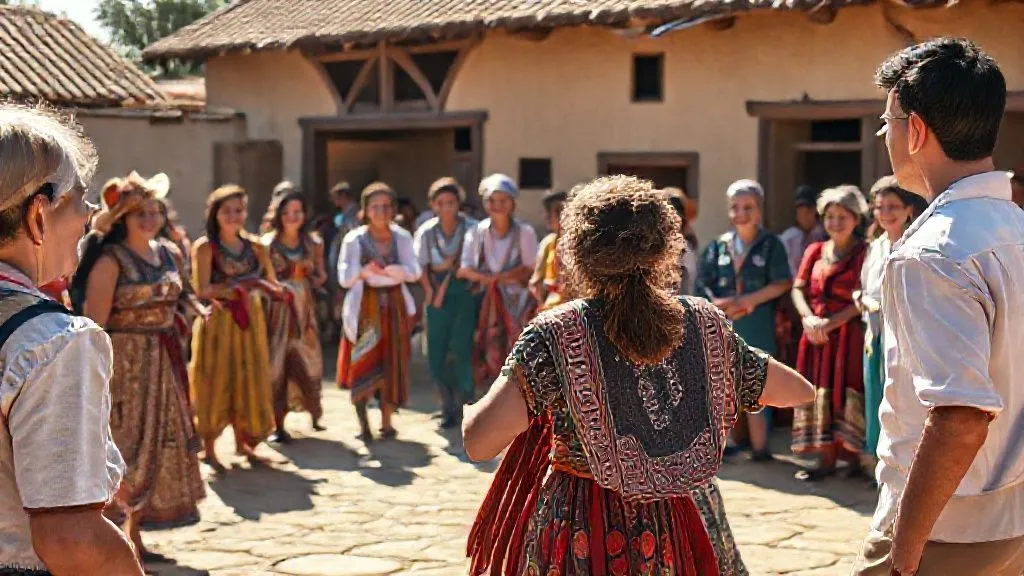
How to Ethically Integrate Folk Dance Rituals into Cultural Tours?
For over 15 years in the cultural travel sector, I've witnessed the incredible power of folk dance to connect travelers with the soul of a destination. Yet, I've also seen the devastating consequences when these profound expressions of heritage are treated as mere entertainment, stripped of their context, or worse, appropriated for profit without genuine respect or reciprocal benefit.
The challenge lies in navigating the delicate balance between showcasing vibrant cultural traditions and safeguarding their integrity. Many tour operators grapple with the fear of commodification, inadvertently causing harm to the very communities they intend to celebrate. This isn't just about avoiding bad press; it's about preserving priceless intangible heritage and fostering truly meaningful cross-cultural understanding.
This article will provide you with a definitive framework, drawn from my extensive experience and industry best practices, for ethically integrating folk dance rituals into your cultural tours. You'll gain actionable strategies, understand the nuances of community partnership, and learn how to empower local voices, ensuring your tours are not just memorable, but also deeply responsible and impactful.
Understanding the Sacred: Why Folk Dances Aren't Just 'Performances'
Before any integration can occur, it's crucial to grasp the profound significance of folk dances within their native cultures. These aren't just choreographed movements; they are living repositories of history, spirituality, social norms, and communal identity. My experience has shown that a failure to appreciate this depth is the root cause of most ethical missteps.
The Spiritual & Communal Core
Many folk dances are intrinsically linked to religious ceremonies, rites of passage, harvest festivals, or ancestral veneration. They often serve as a form of communication with the divine, a way to tell stories, or a means to reinforce community bonds. To view them solely through a performative lens is to miss their essence entirely, reducing a sacred act to a spectacle.
I recall a tour operator who once tried to schedule a traditional rain dance outside its specific ceremonial season, simply because it was 'picturesque.' This not only disrespected the spiritual timing but also ignored the dance's true purpose. Understanding this core requires genuine curiosity and humility from the outset.
The Risk of Commodification
When folk dances are extracted from their original context and offered purely for tourist consumption, they risk becoming commodified. This can lead to simplified, 'diluted' versions of the dance, or even the creation of 'staged' performances that bear little resemblance to authentic traditions. The pressure to entertain, often for financial gain, can erode the dance's original meaning and alienate the very communities who created it.
As UNESCO's Convention for the Safeguarding of the Intangible Cultural Heritage emphasizes, these practices are 'living heritage.' Their value lies in their continuity and their connection to the community that practices them, not in their marketability.
Building Bridges, Not Barriers: Authentic Community Partnerships
The cornerstone of ethical integration is genuine partnership with local communities. This isn't a transactional relationship; it's about co-creation, shared decision-making, and mutual benefit. In my career, I've found that the most successful and sustainable cultural tours are those where the community feels ownership and agency.
Identifying True Community Stakeholders
It's vital to identify the legitimate representatives of the community. This might be tribal elders, cultural committees, dance masters, or community leaders. Avoid approaching individuals who might exploit their community for personal gain. Research, local contacts, and a patient, respectful approach are key.
Actionable Steps for Initiating Partnership:
- Initial Contact & Listening: Begin with informal visits, expressing genuine interest and a desire to learn. Listen more than you speak, understanding their concerns, aspirations, and how they perceive their own cultural heritage.
- Proposing Collaboration, Not Purchase: Frame your intentions as a collaborative venture. Discuss how integrating their dance traditions could benefit their community (e.g., economic opportunities, cultural preservation, youth engagement).
- Formalizing Agreements: Once trust is established, work with the community to draft clear, mutually beneficial agreements. These should outline expectations, compensation, creative control, and mechanisms for feedback.
- Respecting Autonomy: Always defer to the community's decisions regarding what, when, and how their dances are shared. They are the custodians of their heritage.
Fair Compensation & Benefit Sharing
Ethical integration demands fair and transparent financial arrangements. This means paying performers and cultural custodians equitably, reflecting the value of their knowledge and time. Beyond direct payments, consider how a portion of tour profits can benefit the wider community through projects like cultural centers, educational programs, or infrastructure improvements.
Benefits of Genuine Partnership:
- Authenticity: Ensures the dances are presented in their true form and context.
- Empowerment: Gives communities control over their cultural narratives.
- Sustainability: Provides economic incentives for communities to preserve their traditions.
- Richer Experience: Offers travelers a deeper, more meaningful engagement.
According to a study by the UN World Tourism Organization (UNWTO), community-based tourism initiatives that prioritize fair benefit-sharing lead to greater local support and more resilient tourism products.
Education Before Exposure: Preparing Travelers for Meaningful Engagement
Travelers play a critical role in ethical cultural tourism. Their awareness, respect, and preparedness directly impact the quality of the interaction. My experience has taught me that educating travelers beforehand is not just good practice; it's a moral imperative that elevates the entire tour experience.
Pre-Trip Briefings: Setting Expectations
Before travelers even arrive at a cultural site, provide comprehensive briefings about the folk dances they will encounter. Explain the historical, social, and spiritual significance of the dances. Discuss appropriate attire, respectful behavior, and the difference between observing and participating.
For instance, inform them if a dance is sacred and photography is prohibited, or if applause is not traditionally given. Setting these expectations prevents unintentional disrespect and fosters a more appreciative audience.
Cultural Sensitivity Workshops
Consider offering short, interactive workshops focused on cultural sensitivity specific to the region. These could cover local customs, basic greetings, and non-verbal communication. Such workshops empower travelers to engage more thoughtfully and reduce the likelihood of cultural misunderstandings.
Case Study: How 'Heritage Journeys' Transformed Traveler Engagement
Heritage Journeys, a small cultural tour operator specializing in indigenous traditions, faced initial challenges with travelers being overly intrusive during community visits. By implementing a mandatory pre-departure online module and an in-person briefing upon arrival, they transformed their tours. The module covered the history of the region's folk dances, etiquette for observing rituals, and the importance of supporting local artisans. This resulted in a significant increase in positive traveler feedback, with comments highlighting the depth of understanding and respect shown, and a noticeable reduction in instances of cultural insensitivity. The local communities also reported feeling more respected and less like exhibits.
Co-Creation, Not Consumption: Designing Participatory Experiences
Ethical integration moves beyond passive observation to active, respectful participation. The goal is to facilitate genuine cultural exchange, where travelers can learn from and engage with the traditions, rather than merely consuming them as a spectacle. I've seen how this approach deepens traveler appreciation and strengthens community ties.
Inviting Participation, Never Demanding It
When designing tour itineraries, look for opportunities where travelers can learn directly from local practitioners. This could be a dance lesson, a rhythm workshop, or an opportunity to learn about the costumes and music. The key is that participation must always be optional and initiated by the community, never coerced or expected.
I advise against surprising communities with requests for tourist participation. Always discuss and agree upon these elements during the partnership negotiation phase. The community should dictate the terms of engagement, ensuring their comfort and the preservation of their traditions.
Workshops Led by Local Masters
Partner with local dance masters, musicians, and artisans to lead workshops. This not only provides an authentic learning experience for travelers but also generates direct income for the cultural custodians. These interactions foster a deeper appreciation for the skill, dedication, and knowledge embedded in the folk traditions.
"True cultural exchange happens when both parties are teachers and learners. When travelers engage in a dance workshop, they don't just learn steps; they gain insight into a worldview, a rhythm of life, and a piece of shared humanity." - Industry Expert Perspective
Safeguarding Authenticity: Protecting Rituals from Commercial Pressure
One of the greatest threats to ethical integration is the commercial pressure to alter or dilute folk dance rituals to fit tourist expectations. My commitment to cultural preservation means constantly advocating for practices that protect the authenticity and integrity of these invaluable traditions.
Avoiding 'Staged' Performances
Resist the temptation to create 'staged' or 'sanitized' versions of folk dances purely for tourist appeal. This often involves shortening rituals, performing them out of context, or even fabricating new dances. Such practices undermine authenticity and mislead travelers, ultimately diminishing the cultural value for both visitors and hosts.
Instead, focus on showcasing rituals in their natural context, even if it means adjusting tour schedules to align with genuine community events. Transparency is vital: if a performance is adapted for visitors, clearly communicate this to travelers, explaining the reasons and the original context.
Respecting Sacred Spaces and Times
Many folk dances are intrinsically linked to specific sacred sites, temples, or ceremonial grounds, and are performed at particular times of the day or year. Ethical integration demands absolute respect for these boundaries. Never ask for a sacred dance to be performed in an inappropriate location or outside its traditional timing.
If a ritual is highly sacred and not meant for public viewing, respect that boundary entirely. There are countless other ways to engage with a culture's dance heritage without infringing upon its most private or sacred aspects.
| Practice | Approach |
|---|---|
| Ethical Integration | Community-led decisions, Contextual presentation, Fair compensation, Educational focus |
| Unethical Integration | Tour operator dictates, Out-of-context staging, Exploitative pricing, Entertainment focus |
| Impact on Culture | Preservation, Empowerment, Mutual respect, Economic uplift |
| Impact on Culture | Commodification, Dilution, Appropriation, Erosion of meaning |
Measuring Impact: Ensuring Sustainable & Positive Outcomes
Ethical integration isn't a one-time effort; it's an ongoing commitment to responsible tourism. To ensure long-term positive outcomes, it's essential to measure the impact of your cultural tours, both on the communities and on the preservation of folk dance traditions. My approach emphasizes continuous feedback and adaptive strategies.
Defining Success Beyond Profits
While economic benefits are important, true success in ethical cultural tourism extends far beyond financial metrics. It includes indicators such as increased community pride, enhanced cultural knowledge among youth, preservation of traditional skills, and positive cross-cultural understanding among travelers. Work with communities to identify what 'success' means to them.
Feedback Loops with Local Communities
Establish regular, open channels for feedback from your community partners. This could involve periodic meetings, surveys, or designated contact persons. Ask critical questions: Do they feel respected? Are the agreements being upheld? Are there any negative unintended consequences? Their insights are invaluable for refining your approach.
Actionable Steps for Impact Measurement:
- Baseline Assessment: Before launching a tour, assess the current state of cultural preservation, economic well-being, and community sentiment related to folk dances.
- Define Key Performance Indicators (KPIs): Work with the community to establish measurable goals. Examples: percentage of tour revenue directly benefiting cultural initiatives, number of youth participating in dance programs, community satisfaction scores.
- Regular Monitoring: Collect data on your KPIs at regular intervals. This could involve financial tracking, participant surveys, and qualitative interviews with community members.
- Annual Review & Adaptation: Conduct an annual review of your impact data with community stakeholders. Use these insights to adapt your tour offerings, improve partnerships, and address any emerging challenges.
Addressing Cultural Appropriation: A Continuous Self-Assessment
The line between appreciation and appropriation can be subtle, and it requires constant vigilance and self-assessment. As an expert in this field, I stress that recognizing and addressing appropriation is an ongoing journey, not a destination. It demands humility and a willingness to critically examine your own practices.
Recognizing the Signs of Appropriation
Cultural appropriation occurs when elements of a minority or marginalized culture are taken by a dominant culture without understanding, respect, or permission, often for profit or novelty. In the context of folk dance, this can manifest as:
- Performing a sacred dance out of context for entertainment.
- Using traditional costumes or props without permission or understanding.
- Claiming ownership or innovation over traditional dance forms.
- Profiting disproportionately while the originating community receives minimal benefit.
- Stripping the dance of its original meaning or spiritual significance.
A key indicator is power imbalance: Is the dominant culture benefiting at the expense of the marginalized culture? Is there genuine consent and reciprocal benefit?
Tools for Internal Review
Implement internal review processes to regularly assess your tours for potential appropriation. This could involve:
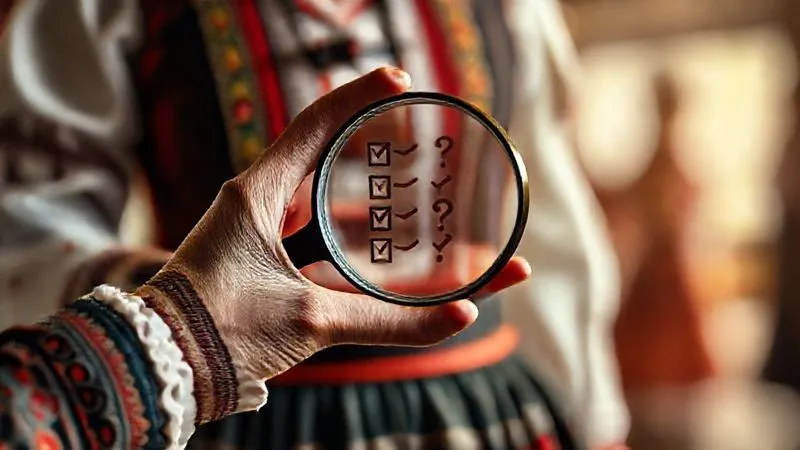
- Ethical Checklists: Develop a checklist for every cultural activity, ensuring questions about consent, context, benefit, and representation are addressed.
- Diversity in Decision-Making: Include diverse voices, ideally from the cultures you engage with, in your tour planning and review committees.
- Continuous Learning: Stay informed about discussions on cultural heritage, ethics, and responsible tourism. Encourage your staff to do the same.
The Power of Storytelling: Amplifying Local Voices
Beyond the steps and rhythms, folk dances are powerful narratives. Ethical integration means allowing these narratives to be told by the people who live them, amplifying their voices, and ensuring their stories are heard authentically. This is where the true magic of cultural exchange happens.
Beyond the Guidebook: Personal Narratives
Encourage your local partners and performers to share their personal stories related to their dance traditions. What does this dance mean to them, their family, their community? How has it evolved? What challenges do they face in preserving it? These personal narratives create a much deeper, more emotional connection for travelers than any generic guidebook description ever could.
Integrate opportunities for Q&A sessions (if appropriate and agreed upon) where travelers can respectfully engage with performers. This humanizes the experience and transforms passive observation into active dialogue.
Digital Platforms for Cultural Exchange
Consider leveraging digital platforms to further amplify local voices. This could involve creating short videos featuring community members explaining their dance traditions, or linking to their own cultural websites. Ensure that any digital content is created with their full consent and control, and that they receive fair recognition and any associated benefits.
Frequently Asked Questions (FAQ)
What's the difference between cultural appreciation and appropriation in the context of folk dance? Cultural appreciation involves respectfully learning about and engaging with a culture's traditions, typically with permission, understanding, and reciprocal benefit to the originating community. Appropriation, on the other hand, is taking elements from a culture (often a marginalized one) without proper understanding, permission, or respect, often for personal gain, novelty, or to dilute its original meaning. In folk dance, appreciation is learning a dance from a community elder in a workshop; appropriation might be a tour operator teaching a simplified version of a sacred dance to tourists without community consent, or profiting from it without fair compensation.
How can small tour operators build trust with remote communities that might be wary of outsiders? Building trust requires time, patience, and genuine commitment. Start by making initial contact through respected local intermediaries or established NGOs working in the area. Focus on listening to their needs and concerns rather than immediately pitching your ideas. Offer small, tangible benefits upfront, even before a formal partnership, to demonstrate goodwill. Consistency, transparency, and a willingness to adapt your plans based on their feedback are crucial. Show up, listen, and follow through on your promises.
What if a community *wants* to commercialize their dance? How do we ensure it's still ethical? If a community genuinely desires to commercialize their dance, the ethical path involves ensuring they have full agency and control over the process. Your role becomes one of support and guidance, ensuring fair terms, protecting their intellectual property, and educating them on sustainable practices. The key is that the decision and the terms of engagement must originate from and be driven by the community itself, with full understanding of the potential impacts, both positive and negative. Avoid imposing your own commercial vision.
How do we ensure traveler safety while respecting local customs, especially in remote areas? Balancing safety with cultural respect is paramount. This involves thorough pre-trip research on local customs, potential hazards, and emergency protocols. Work closely with community leaders to understand their safety guidelines and any specific protocols for visitors. Clearly communicate these to travelers. Ensure you have robust insurance, trained guides, and reliable communication methods. In situations where a local custom might seem to conflict with a safety protocol, always prioritize safety but seek culturally sensitive ways to implement necessary precautions, explaining your rationale respectfully to local partners.
What are the legal aspects of using intangible cultural heritage in tourism? While international law like the UNESCO Convention for the Safeguarding of the Intangible Cultural Heritage promotes protection, specific national and local laws vary. It's crucial to understand laws related to indigenous rights, intellectual property (especially traditional knowledge and cultural expressions), and cultural heritage protection in the specific region you operate. Always secure informed consent and formal agreements with communities, particularly concerning the use of their cultural expressions, images, and stories. Consult with legal experts specializing in cultural heritage law if you are unsure.
Key Takeaways and Final Thoughts
- Prioritize Community Partnership: Ethical integration hinges on genuine, respectful collaboration with local communities, ensuring they are empowered stakeholders, not just providers.
- Educate and Prepare Travelers: Equip visitors with the knowledge and sensitivity to engage meaningfully, transforming them into appreciative guests rather than mere spectators.
- Safeguard Authenticity: Resist commercial pressures to dilute or alter folk dance rituals; preserve their original context, meaning, and spiritual significance.
- Measure Impact Holistically: Look beyond profits to assess the broader social, cultural, and environmental benefits and challenges of your tours.
- Embrace Continuous Self-Assessment: Regularly review your practices to ensure you are appreciating, not appropriating, and adapt as needed.
Integrating folk dance rituals into cultural tours is a profound responsibility and an immense privilege. It's about more than just showcasing beautiful movements; it's about fostering respect, preserving heritage, and building bridges of understanding between diverse cultures. By committing to these ethical principles, you can create tours that are not only unforgettable for your travelers but also genuinely beneficial and empowering for the communities who share their invaluable traditions. Let us be custodians of culture, ensuring these vibrant expressions continue to thrive for generations to come.
Recommended Reading
- 5 Ways Inner Peace Travel Shields Leaders from Decision Fatigue
- Unplug & Recharge: Your 7-Step Guide to Beach Bliss for Professionals
- Emergency Rerouting Historical Railway Tours: A 7-Step Expert Guide
- Beyond Boardrooms: Can Wilderness Retreats Solve Remote Team Cohesion?
- 7 Ways Yoga Retreats Halt Burnout: Your Long-Term Career Shield




Your email address will not be published. Required fields are marked *