

How to Evaluate True Conservation Impact of Short-Term Volunteer Teams?
For over two decades in the trenches of environmental conservation and volunteer travel, I've witnessed the incredible passion and dedication that short-term volunteer teams bring to projects worldwide. Their enthusiasm is often infectious, a powerful force for good. However, I've also seen a recurring, fundamental challenge: the struggle to accurately measure whether all that good intention translates into genuine, lasting conservation impact.
The problem isn't a lack of effort; it's often a lack of robust, standardized evaluation frameworks. Many organizations, driven by the immediate need for hands-on help or the desire to showcase participation numbers, inadvertently focus on outputs rather than outcomes. This leaves a critical gap, making it incredibly difficult to discern whether a two-week tree-planting initiative truly contributes to long-term reforestation, or if a marine clean-up truly improves coral reef health beyond the immediate visible debris.
This article isn't just about identifying that problem; it's about equipping you with the expert tools, frameworks, and insights needed to move beyond superficial metrics. We'll dive deep into how to evaluate true conservation impact of short-term volunteer teams, providing actionable strategies, real-world analogies, and a clear roadmap to ensure your precious time and resources translate into verifiable, enduring change for our planet.
Why Traditional Metrics Fall Short: The Illusion of Impact
When we talk about short-term volunteer projects, the immediate metrics that spring to mind are often quantitative and easily counted: number of trees planted, miles of trail cleared, kilograms of trash collected, or hours volunteered. While these "outputs" are certainly indicators of activity, they rarely tell the full story of true conservation impact. In my experience, relying solely on these can create an illusion of success that masks a lack of deeper, systemic change.
The Pitfalls of Output-Based Reporting
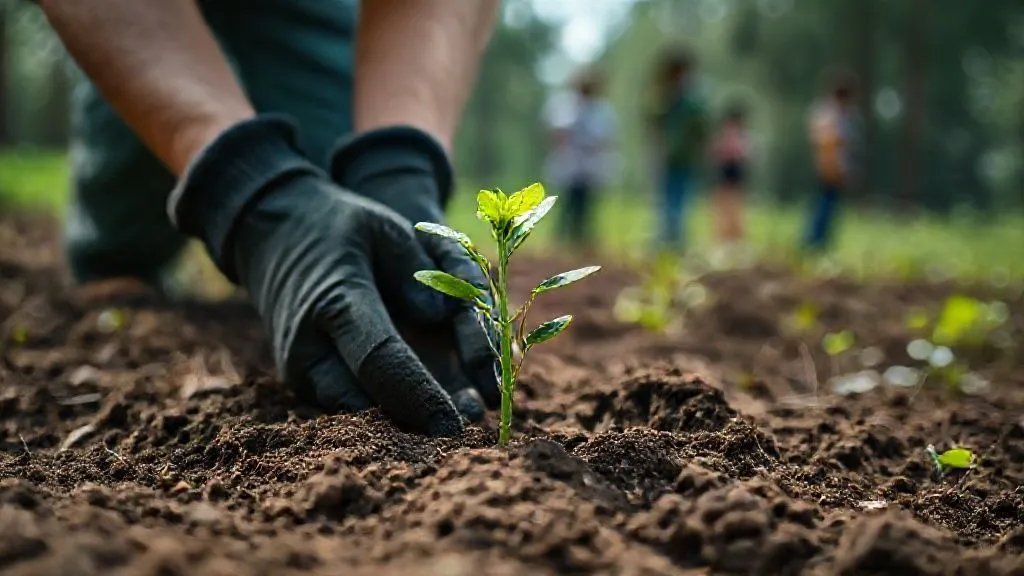
Consider a team that plants 1,000 mangrove saplings. On paper, that's a significant output. But what if only 10% survive due to unsuitable soil conditions, lack of post-planting care, or invasive species? The "impact" then becomes a mere fraction of the reported "output." Similarly, a beach clean-up removing tons of plastic is commendable, but if the upstream sources of pollution aren't addressed, the beach will likely be littered again next season. These examples highlight a critical distinction: outputs are what you do; outcomes are what changes as a result of what you do.
"True conservation impact isn't just about the volume of work done; it's about the ecological, social, and systemic changes that persist long after the volunteers have departed. Without understanding this distinction, we risk celebrating effort without achieving effect."
I've seen countless well-intentioned projects falter because their evaluation stopped at the easily quantifiable, failing to track the more complex, but ultimately more meaningful, long-term ecological and community benefits. This isn't to diminish the value of volunteer effort, but to challenge us to measure it more wisely. We need to ask not just "what did we do?" but "what enduring difference did it make?"
Shifting Focus: From Outputs to Measurable Outcomes and Long-Term Value
Moving beyond the 'illusion of impact' requires a fundamental shift in how we conceive, design, and evaluate volunteer conservation projects. It means consciously planning for outcomes from the very beginning, ensuring that every short-term volunteer activity contributes directly to a predefined, measurable, and sustainable long-term goal. This approach aligns perfectly with sound project management principles and, crucially, with the ethics of responsible voluntourism.
Defining SMART Conservation Goals
The first step in evaluating true conservation impact is to establish clear, Specific, Measurable, Achievable, Relevant, and Time-bound (SMART) goals for every project. These aren't just wishful statements; they are the bedrock of your evaluation framework. For instance, instead of "Plant trees," a SMART goal might be: "Achieve a 70% survival rate for 5,000 native tree saplings planted across 5 hectares of degraded forest by December 2025, leading to a measurable increase in local bird species diversity."
- Specific: Clearly define what needs to be achieved (e.g., increase biodiversity, restore habitat).
- Measurable: Establish quantifiable indicators (e.g., survival rates, species counts, area restored).
- Achievable: Ensure goals are realistic given resources, time, and volunteer capacity.
- Relevant: Confirm goals align with broader conservation strategies and local community needs.
- Time-bound: Set a clear deadline for achieving the outcome, enabling periodic assessment.
By framing objectives this way, you immediately create a benchmark against which to measure success, transforming vague aspirations into concrete targets. This proactive approach allows for course correction and ensures that volunteer efforts are always directed towards meaningful, verifiable impact, rather than just activity. It's about designing projects that inherently facilitate the answer to 'How to evaluate true conservation impact of short-term volunteer teams?'
| Aspect | Output-Based | Outcome-Based |
|---|---|---|
| Focus | Activities performed (e.g., trees planted) | Changes achieved (e.g., forest cover increase, biodiversity return) |
| Measurement | Counts, totals (e.g., number of volunteers) | Percentages, rates, ecological indicators (e.g., survival rate, species richness) |
| Time Horizon | Short-term, immediate | Medium to long-term, sustained change |
| Question Answered | What did we do? | What difference did we make? |
Developing Robust Monitoring & Evaluation (M&E) Frameworks
Once SMART goals are established, the next crucial step is to integrate a comprehensive Monitoring & Evaluation (M&E) framework. This isn't an afterthought; it's a continuous process that begins before any volunteer sets foot on site, continues throughout their engagement, and, critically, extends long after their departure. A robust M&E system is the backbone of truly understanding and demonstrating how to evaluate true conservation impact of short-term volunteer teams.
Baseline Data Collection: The Non-Negotiable First Step
You cannot measure change if you don't know the starting point. Before any conservation work begins, whether it's habitat restoration or species monitoring, thorough baseline data collection is essential. This involves documenting the environmental conditions, biodiversity levels, community perceptions, and any relevant socio-economic factors *before* intervention. For example, if you're restoring a wetland, you'd measure water quality, existing plant and animal species, soil composition, and local community usage patterns. This baseline provides the critical "before" picture against which all "after" measurements will be compared.
Mid-Project Adjustments and Adaptive Management
M&E isn't just about a final report; it's about real-time learning. During the project, regular monitoring allows you to track progress against your SMART goals. Are the planted saplings surviving at the expected rate? Is the water quality improving? If not, why? This continuous feedback loop enables adaptive management, where strategies can be adjusted in response to new data or unforeseen challenges. This agility is particularly important in dynamic ecological systems and with short-term volunteer inputs, ensuring resources are always directed effectively.
Quantitative Metrics That Truly Matter: Beyond Just 'Trees Planted'
To genuinely assess conservation impact, we must move beyond simple counts and delve into ecological and socio-economic indicators that reflect real change. This requires a deeper understanding of the specific conservation goals and the scientific methods to measure progress towards them. It's about asking, "What does a healthy ecosystem *look* like, and how do we quantify that?" when considering how to evaluate true conservation impact of short-term volunteer teams.
Ecological Indicators: Biodiversity, Ecosystem Health, and Carbon Sequestration
Instead of just counting planted trees, focus on their survival rate, growth rate, and their contribution to broader ecosystem functions. This means tracking:
- Survival and Growth Rates: Percentage of planted saplings that are still alive and thriving after 1, 3, and 5 years.
- Species Diversity: Monitoring the return or increase of native flora and fauna (e.g., bird counts, insect surveys, plant species richness) in restored areas.
- Habitat Connectivity: Assessing how restoration efforts link fragmented habitats, aiding species movement.
- Ecosystem Services: Measuring improvements in water quality, soil health (e.g., erosion reduction, organic matter content), or carbon sequestration (biomass accumulation).
- Invasive Species Reduction: Quantifying the decrease in invasive plant or animal populations in target areas.
These metrics provide a much more nuanced and scientifically robust picture of ecological recovery and resilience. They link directly to the health of the entire system, not just an isolated activity.
Socio-Economic Indicators: Community Engagement and Sustainable Livelihoods
Conservation is rarely purely ecological; it's deeply intertwined with human communities. The true impact of volunteer projects often extends to the local people living alongside these ecosystems. Measuring this involves:
- Community Participation: Documenting the level of local involvement in project planning, implementation, and maintenance.
- Knowledge Transfer: Assessing whether local communities have gained new skills or understanding related to conservation.
- Sustainable Livelihoods: Tracking any improvements in local economic opportunities that are directly linked to conservation efforts (e.g., eco-tourism, sustainable agriculture).
- Policy Influence: Documenting instances where local conservation efforts have influenced community or regional policy.
"Sustainable conservation is impossible without the active participation and benefit of local communities. Ignoring the socio-economic dimension is to build on sand, regardless of how many trees you plant."
By combining robust ecological and socio-economic metrics, organizations can present a holistic and compelling narrative of their true conservation impact. This comprehensive data is invaluable for reporting to donors, engaging stakeholders, and continually improving project effectiveness.
| Category | Metric Example | Measurement Method |
|---|---|---|
| Ecological Impact | Native bird species count increase (%) | Standardized bird surveys (pre/post-project) |
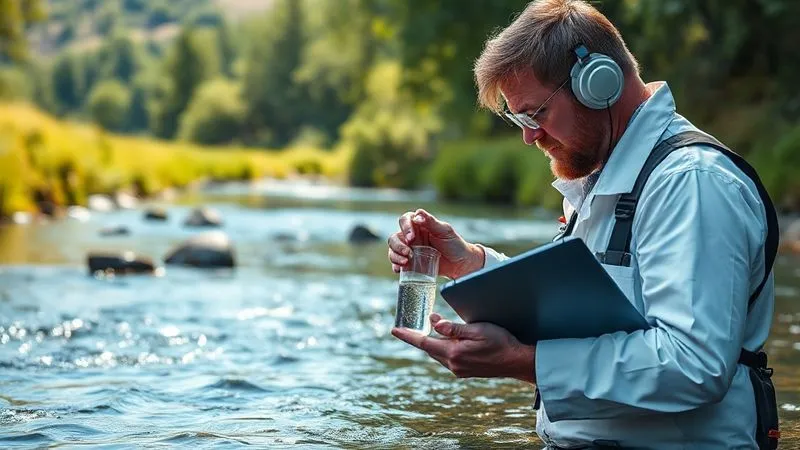
| Ecological Impact | Water quality improvement (pH, turbidity) | Regular water sampling and lab analysis |
| Ecological Impact | Mangrove sapling survival rate (long-term) | Periodic GPS-tagged sapling survival checks |
| Socio-Economic Impact | Local community engagement in project (%) | Participant registers, attendance at workshops |
| Socio-Economic Impact | Number of local conservation champions trained | Training logs, post-training assessments |
Qualitative Assessment: Unpacking the 'Why' and 'How'
While quantitative data provides the "what" and "how much" of conservation impact, qualitative assessment illuminates the "why" and "how." It delves into the nuances, perceptions, and unforeseen consequences that numbers alone cannot capture. This human element is crucial for a complete understanding of how to evaluate true conservation impact of short-term volunteer teams, especially in community-based projects.
Stakeholder Interviews and Participatory Observation
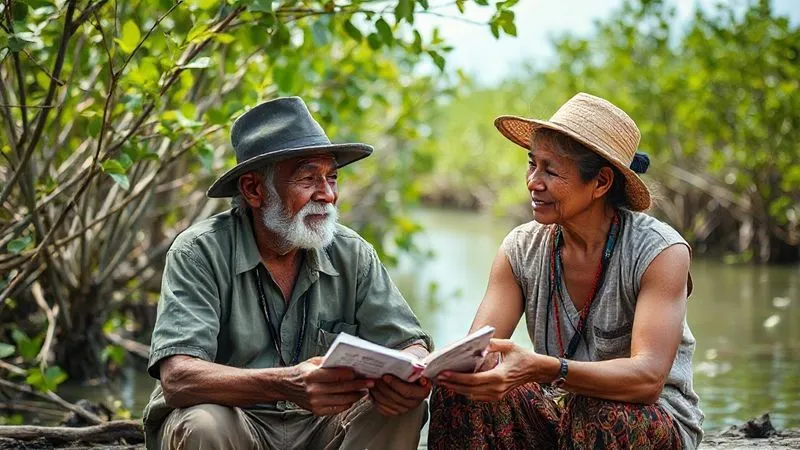
Engaging with local community members, project staff, and even the volunteers themselves through semi-structured interviews and focus groups can yield invaluable insights. These discussions can reveal shifts in attitudes, changes in traditional practices, unexpected benefits, or persistent challenges. Participatory observation, where evaluators spend time immersed in the project environment, offers a firsthand understanding of dynamics, cultural contexts, and the practical realities on the ground that might otherwise be missed by remote data analysis.
Case Study: The 'Mangrove Revival Project' in Coastal Borneo
The 'Mangrove Revival Project' (MRP) aimed to restore 10 hectares of degraded mangrove forest over three years, utilizing short-term volunteer teams for sapling planting and initial care. While initial reports showed an impressive 20,000 saplings planted, a deeper M&E framework revealed more. Baseline data showed local fisherfolk were struggling with declining fish stocks and coastal erosion. The project's SMART goals included not just sapling survival (target 65% after 3 years) but also a 15% increase in local crab and fish species in restored areas and the establishment of a community-led mangrove nursery.
Through robust post-project monitoring, MRP tracked sapling survival at 72%, exceeding targets. Crucially, ecological surveys showed a 22% increase in juvenile fish and crab populations within protected mangrove areas by year three, directly benefiting local livelihoods. Qualitative interviews with fisherfolk confirmed improved catches and a stronger sense of ownership over the restored habitats. Furthermore, the establishment of the community nursery, run by trained local women, ensured long-term sapling supply and provided alternative income. This holistic approach demonstrated that the short-term volunteer efforts were catalysts for long-term ecological recovery and socio-economic resilience.
The Role of Technology: Data Collection, GIS Mapping, and Remote Sensing
In the modern era, technology has revolutionized our ability to collect, analyze, and visualize conservation data, making it significantly easier to answer the question of how to evaluate true conservation impact of short-term volunteer teams. Leveraging digital tools can enhance accuracy, efficiency, and the scale of monitoring efforts, transforming anecdotal observations into verifiable evidence.
Leveraging Mobile Apps for Field Data
Gone are the days of paper forms getting lost or damaged in the field. Mobile applications (e.g., Survey123, ODK Collect, iNaturalist) allow volunteers and local staff to collect geo-tagged data directly on smartphones or tablets. This includes everything from tree survival rates, invasive species sightings, water quality measurements, to photographic evidence. Data is instantly uploaded to a central database, reducing errors, streamlining analysis, and providing real-time insights into project progress.
Geographic Information Systems (GIS) for Spatial Analysis
GIS software (like Esri ArcGIS or QGIS) is invaluable for visualizing and analyzing spatial data. It can map areas of intervention, track changes in land cover (e.g., deforestation, reforestation), monitor habitat connectivity, and even analyze the spread of invasive species. Combining volunteer-collected field data with satellite imagery and drone footage in a GIS environment provides a powerful visual representation of impact, demonstrating changes over time and across landscapes. This spatial perspective is crucial for understanding ecosystem-level impacts.
For more insights into how GIS can transform conservation efforts, explore resources from leading geospatial technology providers like Esri, a global leader in GIS software and solutions.
Ensuring Ethical Practice and Avoiding 'Voluntourism' Traps
While the focus of this article is on evaluating impact, it's crucial to acknowledge that the potential for positive impact is intrinsically linked to ethical practice. Short-term volunteer projects, particularly in developing regions, face the risk of becoming 'voluntourism' – prioritizing the volunteer's experience over genuine community needs or ecological benefit. Avoiding these traps is paramount to ensuring any impact evaluation is even worth conducting.
Prioritizing Local Needs and Capacity Building
Ethical projects are designed in genuine partnership with local communities and conservation organizations. This means listening to their needs, respecting their knowledge, and ensuring that volunteer activities complement, rather than displace, local labor or expertise. Furthermore, projects should aim to build local capacity, transferring skills and knowledge to empower communities to continue conservation efforts independently long after volunteers depart. If a project cannot demonstrate how it strengthens local self-sufficiency, its long-term impact is questionable, regardless of short-term outputs.
Transparency and Accountability Reporting
Beyond internal evaluation, ethical organizations embrace transparency. They openly share their M&E findings, including successes and challenges, with donors, volunteers, and host communities. This accountability builds trust and allows for continuous improvement. It demonstrates a commitment to genuine impact over marketing optics, a critical factor for organizations truly asking how to evaluate true conservation impact of short-term volunteer teams.
To learn more about responsible travel and ethical volunteering principles, resources from organizations like Responsible Travel or academic work on ethical tourism can provide further guidance.
Building Long-Term Partnerships: Beyond the Short-Term Stint
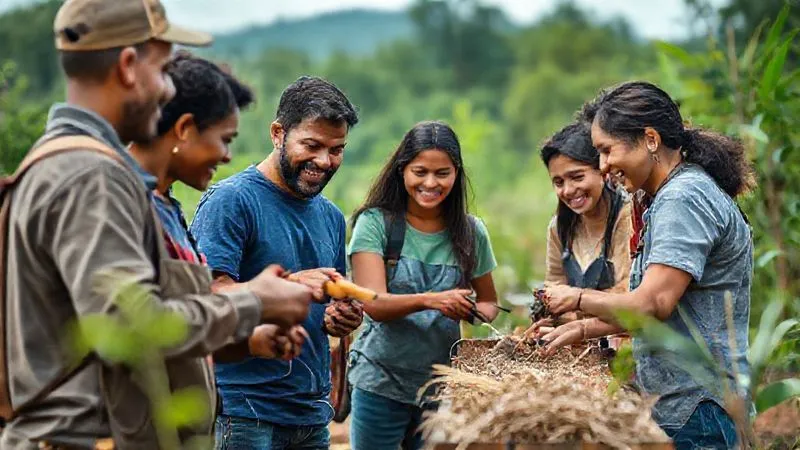
The very nature of "short-term volunteer teams" presents an inherent challenge to long-term impact. Therefore, a critical strategy for maximizing and evaluating true conservation impact is to foster long-term partnerships that transcend individual volunteer deployments. This involves strategic planning, consistent communication, and a commitment to sustained engagement from the host organization.
Sustaining Momentum Post-Volunteer Departure
The departure of a volunteer team should not signal the end of a project's momentum. Effective organizations implement strategies to ensure continuity. This might involve training local staff or community members to take over monitoring and maintenance tasks, establishing revolving micro-grants for local initiatives, or fostering ongoing relationships with returning volunteers for remote support or future visits. The goal is to build a self-sustaining cycle where short-term inputs contribute to a continuous, locally-driven conservation process.
As highlighted in numerous studies on sustainable development, genuine progress requires sustained engagement and empowering local stakeholders. An insightful paper on the efficacy of community-based conservation, such as those found in journals like Conservation International's publications, often underscores the importance of long-term local ownership.
Frequently Asked Questions (FAQ)
Q: How can small organizations with limited resources implement robust M&E frameworks? A: Even with limited resources, focus on key, high-impact indicators. Utilize free or low-cost mobile data collection apps, engage local universities for pro-bono support, and train volunteers themselves to collect basic data. Prioritize a few crucial SMART goals over trying to measure everything. The key is consistency and simplicity over complexity.
Q: What's the best way to communicate complex conservation impact data to a general audience or potential volunteers? A: Focus on storytelling that integrates your data. Use compelling visuals (infographics, before-and-after photos, short videos) that illustrate the change. Translate complex metrics into relatable benefits (e.g., "Our efforts increased local fish populations by 20%, directly supporting 50 families"). Highlight the human element and the direct link between volunteer effort and tangible results.
Q: How do we account for external factors that might influence conservation outcomes, making it hard to attribute impact solely to volunteer efforts? A: This is a common challenge. Acknowledge and document external factors (e.g., climate events, policy changes, other local initiatives) within your M&E reports. Use control sites where possible (areas similar to your project site but without intervention) for comparison. While perfect attribution is difficult, transparently discussing these factors strengthens the credibility of your evaluation.
Q: Is it ethical to use volunteers for tasks that local people could be paid to do? A: This is a critical ethical consideration. Ethical projects ensure volunteers are not displacing local labor. Volunteer roles should either require specialized skills not available locally, or complement local efforts by adding extra capacity for tasks that wouldn't otherwise get done. Projects should prioritize capacity building for locals and fair wages where paid labor is appropriate, ensuring volunteers enhance, not undermine, local economies.
Q: How can we ensure the data collected by short-term volunteers is reliable and accurate? A: Robust training is key. Provide clear, concise instructions and hands-on practice for all data collection protocols. Use standardized forms (digital is best) with built-in validation checks. Implement quality control measures, such as spot-checking a percentage of data collected by volunteers, and provide immediate feedback. Regular supervision and clear communication channels are also vital.
Key Takeaways and Final Thoughts
Moving beyond anecdotal evidence to truly understand how to evaluate true conservation impact of short-term volunteer teams is not just good practice; it's an ethical imperative. It ensures that the passion, resources, and time invested by dedicated volunteers translate into tangible, lasting change for our planet.
- Shift your mindset from counting outputs to measuring long-term outcomes.
- Establish clear, SMART conservation goals from the project's inception.
- Implement robust Monitoring & Evaluation frameworks, starting with baseline data.
- Utilize both quantitative (ecological, socio-economic indicators) and qualitative (interviews, case studies) methods.
- Embrace technology for efficient and accurate data collection and analysis.
- Prioritize ethical practices, local needs, and capacity building to avoid 'voluntourism'.
- Cultivate long-term partnerships to sustain momentum beyond short-term volunteer stints.
By adopting these expert-led strategies, you can transform your short-term volunteer projects from well-meaning activities into powerful, evidence-based drivers of environmental conservation. The true legacy of volunteer efforts lies not just in what was done, but in the enduring positive change that was achieved. Let's commit to measuring that change with the rigor and dedication it deserves.
Recommended Reading
- The Ultimate Guide: How to Rent Accessible Vans for Disabled Travel
- Your Essential Guide: How to Plan a Zero-Waste Trip to National Parks
- Mastering Authentic Deep Nature Glamping: 7 Steps to Immersion Design
- Unlock the Secrets: How to Choose the Best Scenic Glamping Experience
- Unlock the Secret: How to Create a Rustic Elegant Glamping Experience





Your email address will not be published. Required fields are marked *