

How to Experience Spice Route Flavors in Home Cooking?
Have you ever dreamed of embarking on a culinary journey through time, tasting the exotic aromas and vibrant flavors that once captivated empires and fueled global trade? Imagine the bustling markets of Zanzibar, the fragrant kitchens of Kerala, or the aromatic bazaars of Marrakech. These are not just distant lands; they are the heartlands of the fabled Spice Route, a network of ancient maritime and overland trade routes that connected the East and West, exchanging not just goods, but cultures, ideas, and, most importantly, spices.
For many home cooks, the idea of recreating these complex, layered flavors might seem daunting. Where do you even begin to capture the essence of a spice blend perfected over centuries, or to infuse your dishes with the same depth and warmth found in traditional global cuisines? The challenge lies not in the rarity of the ingredients, but in understanding their synergy and the techniques that unlock their full potential.
This comprehensive guide will show you exactly how to experience spice route flavors in home cooking, transforming your everyday meals into extraordinary culinary adventures. By the end of this reading, you will possess the knowledge to select, prepare, and blend spices like a seasoned chef, bringing the rich history and unparalleled taste of the Spice Route directly to your table.
Unearthing the Legacy of the Spice Route
A Journey Through Time and Taste
The Spice Route was more than just a trade network; it was a catalyst for global exchange, shaping economies, cultures, and culinary traditions across continents. From the aromatic islands of Indonesia, providing cloves and nutmeg, to the Indian subcontinent, source of pepper, cardamom, and turmeric, these precious commodities traveled thousands of miles to reach the tables of Europe and beyond. This historical journey imbued spices with a mystique and value that transcended their mere culinary use, positioning them as symbols of wealth, power, and exoticism.
Understanding this historical context is crucial, as it reveals the origins of many classic spice blends and cooking techniques. The fusion of culinary practices along these routes led to the development of diverse cuisines, each with its unique approach to seasoning and flavor profiles. For a deeper dive into this fascinating history, explore the Wikipedia page on the Spice Trade.
Key Regions and Their Signature Spices
The Spice Route touched numerous civilizations, each contributing its unique flavor palette. Recognizing these regional distinctions helps in understanding the nuances of spice usage:
- India: The undisputed heart of the spice trade, known for its vast array of spices including black pepper, cardamom, turmeric, cumin, coriander, and fenugreek. Indian cuisine is characterized by complex, layered spice blends like garam masala and curry powders.
- Southeast Asia (Indonesia, Malaysia): The origin of highly prized cloves, nutmeg, mace, and star anise. These spices often feature in rich, aromatic stews and desserts.
- Middle East & North Africa: A crossroads of flavors, utilizing saffron, sumac, za'atar, and blends like ras el hanout. Their cuisine often combines sweet and savory notes, with spices enhancing roasted meats and rice dishes.
- East Africa (Zanzibar): Famous for cloves, cinnamon, and vanilla, often used in fragrant rice dishes and stews.
Each region's unique climate and cultural heritage fostered distinct spice combinations, offering a rich tapestry of flavors for the home cook to explore.
Essential Spices for Your Spice Route Pantry
To truly embrace how to experience spice route flavors in home cooking, you need to stock your pantry with the right ingredients. Don't feel overwhelmed; a foundational set of high-quality spices will open up a world of possibilities. Think of these as your building blocks for authentic taste.
The Core Five: Cardamom, Cinnamon, Clove, Nutmeg, Black Pepper
These five spices were among the most coveted along the ancient routes, and for good reason:
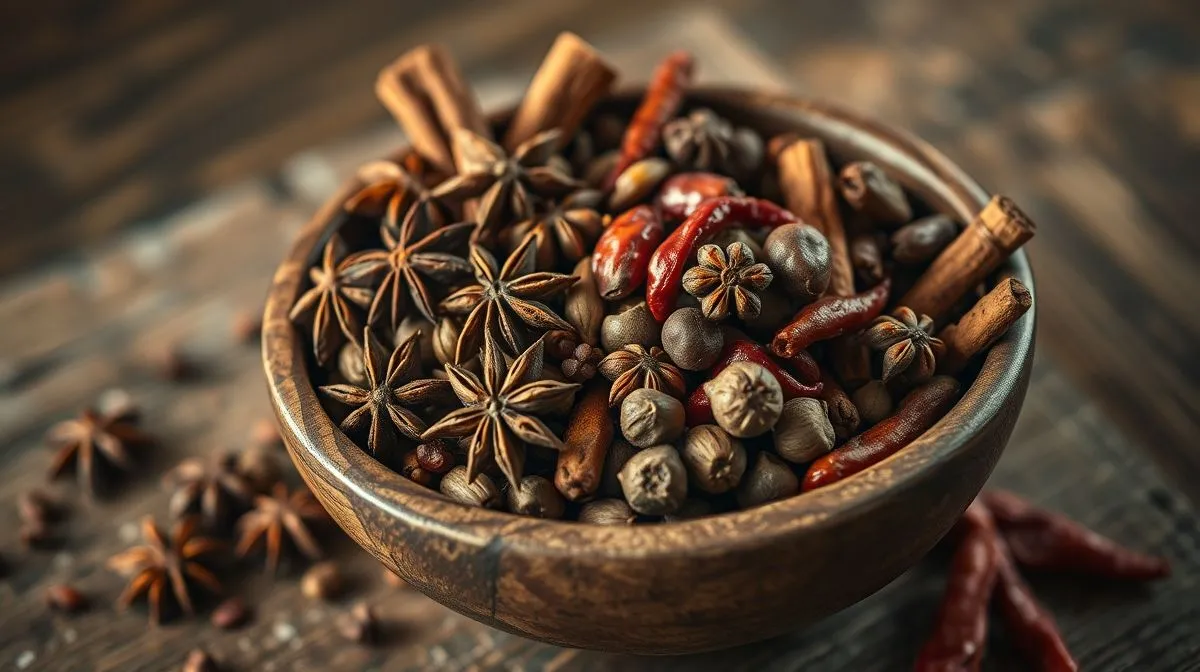
- Cardamom: Often called the 'Queen of Spices,' its intensely aromatic, slightly sweet, and citrusy flavor is indispensable in both sweet and savory dishes, particularly in Indian and Middle Eastern cuisines. Green cardamom pods are most common.
- Cinnamon: The warm, sweet, and woody notes of cinnamon are versatile, perfect for desserts, stews, and even savory meat rubs. Ceylon cinnamon (true cinnamon) offers a more delicate flavor than Cassia cinnamon.
- Clove: Pungent, sweet, and intensely aromatic, cloves provide a warm, almost peppery kick. Use sparingly, as their flavor is potent. They are excellent in braised meats, rice dishes, and mulled beverages.
- Nutmeg & Mace: Nutmeg offers a warm, nutty, and slightly sweet flavor, ideal for creamy sauces, baked goods, and some meat dishes. Mace is the lacy aril surrounding the nutmeg seed, offering a similar but more delicate flavor.
- Black Pepper: The 'King of Spices,' black pepper offers a pungent, earthy heat. Freshly ground black pepper is always superior to pre-ground for its vibrant aroma and flavor.
Aromatic Accents: Turmeric, Cumin, Coriander, Star Anise, Fenugreek
Beyond the core five, these spices add depth and characteristic regional flavors:
- Turmeric: Known for its vibrant golden color and earthy, slightly bitter flavor. It's a foundational spice in many curries and stews, also prized for its health benefits.
- Cumin: Earthy, warm, and slightly pungent, cumin seeds (whole or ground) are essential in Mexican, Indian, and Middle Eastern cooking. Toasting them enhances their flavor.
- Coriander: The seeds of the cilantro plant, coriander offers a warm, citrusy, and slightly sweet flavor. It's a versatile spice used in many global cuisines.
- Star Anise: With its distinct licorice-like flavor, star anise is a staple in Chinese five-spice powder and many Southeast Asian dishes, especially broths and braises.
- Fenugreek: Both the seeds and leaves (kasuri methi) are used. Seeds have a slightly bitter, maple-like aroma when toasted, while the leaves offer a savory, slightly bitter herbaceous note, common in Indian cuisine.
Mastering the Art of Spice Preparation and Blending
Simply having the spices isn't enough; understanding how to prepare and blend them is where the true magic of spice route flavors unfolds. This knowledge transforms raw ingredients into aromatic masterpieces.
Whole vs. Ground: When and Why
The form of the spice significantly impacts its flavor and aroma. Whole spices retain their essential oils longer, offering a more intense and complex flavor when freshly ground or tempered. They are ideal for infusing broths, stews, or roasting with vegetables. Ground spices, while convenient, lose their potency faster. They are best for quick cooking, marinades, or when a smooth texture is desired in a dish.
- Use whole: Cardamom pods, cinnamon sticks, star anise, cloves, bay leaves, whole chilies for long-simmering dishes or aromatic infusions.
- Grind fresh: Cumin seeds, coriander seeds, black peppercorns, nutmeg. Grinding just before use maximizes flavor.
Toasting and Tempering: Unlocking Flavor
These two techniques are fundamental to Indian and Middle Eastern cooking, dramatically enhancing the flavor profile of spices:
- Toasting: Dry roasting whole spices in a hot pan (without oil) until fragrant intensifies their flavor and aroma, making them easier to grind and more potent. This process brings out their hidden complexities and depth.
- Tempering (Tadka/Chhonk): This involves heating whole or ground spices in hot oil or ghee until they sizzle and release their aromas. The flavored oil is then added to a dish, either at the beginning of cooking or as a final flourish. This technique extracts fat-soluble compounds, distributing flavor evenly throughout the dish.
Crafting Your Own Blends: Practical Examples
Creating your own spice blends allows for customization and ensures freshness. Here are two iconic examples:
- Garam Masala (Indian): A warming blend typically featuring black pepper, cloves, cinnamon, cardamom, and cumin. Often added at the end of cooking to preserve its vibrant aroma.
- Ras el Hanout (North African/Middle Eastern): Meaning 'head of the shop,' this blend is often unique to each spice merchant and can contain dozens of spices, including rosebuds, lavender, and a myriad of warm spices like mace, cinnamon, and ginger. It's incredibly aromatic and complex, perfect for tagines and roasted meats.
Experiment with ratios, starting with small batches, to find the blends that resonate with your palate.
Infusing Spice Route Aromas into Everyday Dishes
You don't need to cook elaborate, multi-course meals to incorporate spice route flavors. Many everyday dishes can be elevated with a thoughtful application of these aromatic ingredients.
Beyond Curries: Versatile Applications
While curries are a natural fit, the versatility of these spices extends far beyond. Think about integrating them into:
- Roasted Vegetables: Toss carrots, cauliflower, or potatoes with olive oil, cumin, coriander, and turmeric before roasting for a fragrant side dish.
- Grains: Infuse rice or quinoa with star anise, cinnamon sticks, and cardamom pods during cooking for an aromatic base for any meal.
- Soups and Stews: Add a pinch of smoked paprika, cumin, or a whole bay leaf and cloves to lentil soups or beef stews for a deeper, warmer flavor.
- Marinades and Rubs: Create dry rubs for chicken, fish, or lamb using blends of black pepper, ginger, garlic powder, and a touch of nutmeg or cinnamon.
Sweet and Savory Harmony
Many Spice Route traditions blur the lines between sweet and savory, using spices like cinnamon, cardamom, and saffron in both contexts:
- Desserts: Cardamom in rice puddings, saffron in custards, or cinnamon in baked apples bring an exotic twist to familiar sweets.
- Beverages: Brew chai tea with fresh ginger, cardamom, cloves, and cinnamon. Infuse hot chocolate with a pinch of cayenne and cinnamon for a Mexican-inspired treat.
- Infused Oils and Vinegars: Gently warm olive oil with whole spices like star anise, black peppercorns, and dried chilies, then let it cool and infuse. Use as a finishing oil.
This interplay of flavors is a hallmark of truly authentic spice route cuisine, demonstrating how diverse ingredients can create a harmonious and unforgettable experience.
Sourcing Quality Spices: A Connoisseur's Guide
The quality of your spices directly impacts the final flavor of your dishes. Just as with any ingredient, freshness and proper handling are paramount when you want to truly grasp how to experience spice route flavors in home cooking.
What to Look For
When purchasing spices, prioritize:
- Whole over Ground: Whenever possible, buy whole spices and grind them as needed. They retain their volatile oils and potency for much longer.
- Vibrancy: Spices should have a vibrant color and a strong, distinctive aroma. Dull colors or faint smells indicate old, stale spices.
- Reputable Sources: Purchase from stores with high turnover, specialty spice shops, or online retailers known for their fresh, high-quality products. Avoid buying in bulk unless you cook with spices very frequently.
Reputable Suppliers and Storage Tips
For sourcing, consider dedicated spice merchants who import directly and focus on freshness. Many excellent online retailers specialize in exotic spices and can deliver them fresh to your door. For tips on how to keep your spices fresh and potent, a detailed guide on spice storage from a reputable culinary resource can be invaluable.
Proper storage is critical for maintaining potency:
- Airtight Containers: Store spices in opaque, airtight containers (glass jars with tight-fitting lids are ideal) to protect them from air and light.
- Cool, Dark Place: Keep spices away from heat, light, and moisture. A cupboard or pantry away from the stove is perfect. Avoid storing them above the stove or near a window.
- Labeling: Always label your spices with the purchase date. While whole spices can last up to 3-4 years, ground spices typically lose potency after 6 months to 1 year.
Navigating Common Pitfalls in Spice Cooking
Even seasoned cooks can make mistakes when working with new or powerful spices. Being aware of these common pitfalls will help you achieve better results as you learn to bring spice route flavors into your kitchen.
Overpowering Flavors: The Art of Balance
Some spices are incredibly potent (e.g., cloves, star anise, saffron). Using too much can easily overwhelm a dish, making it bitter or medicinal. The key is balance and restraint. Start with a small amount, taste, and add more if needed. Remember, you can always add more spice, but you can't take it away.
Stale Spices: A Flavor Killer
Using old, stale spices is one of the most common reasons dishes lack vibrancy. Spices don't 'go bad' in a way that makes them unsafe to eat, but they lose their essential oils and, consequently, their flavor and aroma. If a spice doesn't smell much when you open the jar, it won't taste much in your food. Always refresh your spice pantry regularly.
Misunderstanding Heat Levels
Not all 'spicy' means 'hot.' While chilies provide capsaicin-driven heat, spices like ginger, black pepper, and mustard seeds offer different kinds of warmth and pungency. Understand the specific heat profile of each spice and how it contributes to the overall flavor without just adding fire. For instance, black pepper offers a sharp, almost floral heat, distinct from the blunt force of cayenne.
The Cultural and Health Tapestry of Spice Route Flavors
Beyond their incredible taste, the spices of the ancient routes carry deep cultural significance and offer remarkable health benefits, making your culinary exploration even more enriching.
Beyond Taste: Medicinal and Traditional Uses
For centuries, spices were valued not just for flavor but for their perceived medicinal properties. Traditional medicine systems like Ayurveda and Traditional Chinese Medicine extensively utilize spices for their anti-inflammatory, antioxidant, and digestive benefits. For example, turmeric is widely studied for its potent anti-inflammatory compound, curcumin. A study published in the National Library of Medicine highlights the therapeutic potential of curcumin.
Cinnamon has been used to help regulate blood sugar, and ginger is a well-known remedy for nausea. Incorporating these spices into your cooking is not just about flavor; it's about embracing a holistic approach to well-being, rooted in ancient wisdom.
Global Culinary Exchange
The Spice Route facilitated an unparalleled exchange of culinary knowledge. As spices traveled, so did recipes, techniques, and ideas, leading to the evolution of many global cuisines we cherish today. Think of the influence of Indian spices on British cuisine, or Arab spices on Mediterranean dishes. This rich history reminds us that food is a powerful medium for cultural understanding and connection.
By learning how to experience spice route flavors in home cooking, you're not just cooking; you're participating in a living history, connecting with ancient traditions, and contributing to the ongoing story of global gastronomy. It's a journey that enriches your palate, expands your culinary repertoire, and fosters a deeper appreciation for the world's diverse heritage.
Frequently Asked Questions (FAQ)
What defines a "spice route flavor"? Spice route flavors are characterized by the complex, aromatic, and often warm notes of spices historically traded along the ancient routes, such as cardamom, cinnamon, cloves, nutmeg, cumin, and turmeric. They often feature layered profiles, balancing sweet, savory, pungent, and earthy notes.
Can I substitute spices if I don't have them all? While some substitutions are possible (e.g., ground ginger for fresh, or a pinch of allspice for cloves and cinnamon), for authentic spice route flavors, it's best to use the specified spices. Substitutions might alter the dish's true character. Focus on building a core pantry over time.
How do I store spices to maintain freshness? Store spices in airtight, opaque containers in a cool, dark place away from heat and moisture. Whole spices last longer (3-4 years) than ground spices (6-12 months). Avoid storing them above the stove.
What's the best way to start experimenting with these flavors? Begin with simple applications. Try roasting vegetables with a basic blend of cumin, coriander, and turmeric. Experiment with infusing rice with cardamom pods and cinnamon sticks. Once comfortable, move to more complex blends like a homemade garam masala.
Recommended Reading
- The Ultimate Guide to Keeping Teenagers Entertained on Family Cruises
- Unlock Warmth: The Ultimate Guide to Staying Cozy Car Camping in Cold Weather
- Modern Marvels: Your Guide to the Best Architecture City Breaks Europe
- Best Cruise for Toddlers with Food Allergies: Safe Sailing Guide
- Volunteer for Sea Turtles: Your Ultimate Guide to Conservation
Conclusion
Embarking on the journey of how to experience spice route flavors in home cooking is an incredibly rewarding endeavor. It's an invitation to explore a world of profound aromas, vibrant colors, and complex tastes that have shaped culinary traditions for millennia. By understanding the history, mastering essential techniques like toasting and tempering, and thoughtfully selecting high-quality spices, you can transform your kitchen into a gateway to ancient lands and infuse your meals with unparalleled depth.
Remember, cooking with spices is an art of balance and intuition. Don't be afraid to experiment, trust your palate, and enjoy the process of discovery. Each pinch, each blend, tells a story of trade, culture, and human connection. So, open your spice cabinet, ignite your senses, and let the timeless allure of the Spice Route guide your next culinary adventure.


Your email address will not be published. Required fields are marked *