


How to find authentic local food markets quickly on a business trip?
For over two decades navigating the intricate world of food travel, I've witnessed countless business travelers make the same fundamental mistake: settling for the predictable, bland, and often overpriced fare of hotel restaurants or corporate cafeterias. They visit incredible cities, brimming with vibrant culinary traditions, yet leave having tasted nothing truly local or authentic. It's a missed opportunity, a sterile culinary experience that often leaves them feeling disconnected from the very culture they've briefly visited.
The truth is, business trips, while professionally rewarding, often become a culinary desert. You're tethered to tight schedules, unfamiliar cities, and the default option of convenience over discovery. The notion of finding an authentic local food market, let alone navigating it quickly, seems like an impossible luxury reserved for leisure travel. You might feel overwhelmed by choice, wary of tourist traps, or simply believe you lack the time to venture off the beaten path.
But what if I told you that even with limited time, you could unlock the vibrant, authentic flavors of a destination? This guide isn't about lengthy detours; it's about strategic, time-efficient methods to find those hidden culinary gems. I’ll share the frameworks, the tools, and the mindset shift needed to transform your next business trip into a genuine food adventure, ensuring you know exactly how to find authentic local food markets quickly on a business trip.
The Mindset Shift: From Tourist to Culinary Explorer
Before we dive into tactics, let's address the most crucial element: your mindset. For years, business travel dictated a certain rigidity, a 'work-first, everything-else-never' approach. To truly experience local food, you need to recalibrate your internal compass from merely 'visiting' to 'experiencing' a place, even if only for a few hours. This isn't about neglecting your professional duties; it's about smart integration and leveraging every available window of opportunity.
Prioritizing Culinary Discovery
I've often found that once you commit to seeking out local markets, your brain starts identifying opportunities you previously overlooked. It's about intentionality. Think of it as a strategic objective, not a casual afterthought. You wouldn't skip a crucial meeting, so why skip a chance to understand a city through its most primal and telling lens: its food?
Expert Insight: "The most authentic experiences often lie where locals gather for daily necessities, not where tourists are herded for entertainment. Food markets are the beating heart of a community."<
Embracing Spontaneity (Within Limits)
While planning is essential, as we'll discuss, there's also an element of embracing the unexpected. Sometimes the best discoveries come from a quick glance down a bustling side street or a spontaneous conversation with a local. This doesn't mean abandoning your schedule, but rather being open to minor, calculated deviations that can lead to profound culinary rewards. A 15-minute detour can redefine your perception of a city.
Pre-Trip Reconnaissance: Your Digital Detective Work
The secret to finding authentic local food markets quickly on a business trip often begins long before you pack your suitcase. In today's hyper-connected world, your smartphone and laptop are powerful tools for culinary espionage. This proactive approach saves invaluable time on the ground, allowing you to hit the market running, so to speak.
Leveraging Niche Travel Blogs and Local Foodie Forums
Forget generic travel guides. I always start my research with hyper-specific sources. Google searches like "best street food [city name] locals" or "authentic food markets [city name] not touristy" are excellent starting points. Pay close attention to:
- Local Food Blogs: These are goldmines. Written by residents, they often review smaller, less-known establishments and markets.
- Reddit: Subreddits like r/travel, r/food, or specific city subreddits (e.g., r/asknyc, r/london) are fantastic for asking direct questions and getting raw, unfiltered recommendations from locals. Look for threads discussing "hidden gems" or "where do locals eat?"
- Chowhound (or similar forums): While perhaps less active than in its heyday, legacy food forums still contain archives of incredibly specific, expert advice from passionate foodies.
Mapping Tools and Offline Access
Once you have a few potential market names, the next step is crucial for efficiency. I always create a custom list on Google Maps. Pin the markets, save their opening hours, and add any notes about specific stalls or dishes recommended. Critically, download the offline map for the area. This ensures you can navigate even without an internet connection, a common challenge when roaming internationally or in bustling market areas with spotty Wi-Fi.
Case Study: Sarah's Singapore Market Success
Sarah, a marketing executive, had a tight 48-hour schedule in Singapore, punctuated by back-to-back client meetings. Instead of relying on hotel dining, she implemented a pre-trip strategy. Before her flight, she spent 30 minutes researching "best hawker centers Singapore local" on Reddit and food blogs, creating a custom Google Maps list. Upon arrival, she used a 45-minute gap between meetings to visit Maxwell Food Centre, a highly recommended spot easily accessible by public transport from her hotel. Her focused research allowed her to quickly identify and enjoy authentic Hainanese chicken rice, transforming a mundane lunch break into a memorable culinary experience. This small act not only brought her joy but also provided a unique talking point for client dinners, demonstrating a genuine interest in local culture.
On-the-Ground Tactics: Real-Time Discovery
Even with meticulous pre-trip planning, the real magic happens when you're on the ground. This is where your senses become your most powerful tool. Learning how to find authentic local food markets quickly on a business trip requires a keen eye and an open mind.
Harnessing the Power of Local Transportation
I've always believed that public transport offers the most authentic glimpse into a city's rhythm. Whether it's a bus, subway, or tram, use it. Observe where locals get off, especially in residential or non-touristy areas. Often, these stops are near local markets or bustling food streets. A quick ride can transform your commute into a discovery mission. According to a recent study by the World Tourism Organization (UNWTO), culinary tourism is one of the fastest-growing segments, and engagement with local transport is a key indicator of immersive travel.
The Local Human Connection: Ask, Observe, Engage
This is my favorite tactic. Locals are your best guide. Don't be shy!
- Hotel Staff (Beyond the Concierge): Ask the bellhop, the cleaning staff, or the bartender. They often live locally and know the real gems. "Where do *you* go for fresh produce or a quick, authentic meal?" is a far better question than "Where's a good place to eat?"
- Coffee Shop Baristas/Shopkeepers: These individuals are often community hubs. They're usually happy to share insights.
- Observe Queues: A long line of locals, especially during off-peak hours, is almost always a sign of something good and authentic. Join it!
Utilizing Hyper-Local Apps and Social Media
While I advocate for human interaction, digital tools can complement your efforts. Apps like Yelp or TripAdvisor can be useful, but filter reviews by 'local' or 'authentic,' and always cross-reference. Instagram's location tags are fantastic. Search for your current location and then filter by 'Recent' posts. You'll see what locals are eating *right now*. Look for vibrant, un-staged photos of food and market scenes.
Decoding Authenticity: What to Look For
Once you've arrived at a potential market, how do you discern the truly authentic from the tourist traps? This skill is honed over years, but there are clear indicators that will help you know how to find authentic local food markets quickly on a business trip.
The 'Local Ratio' Rule
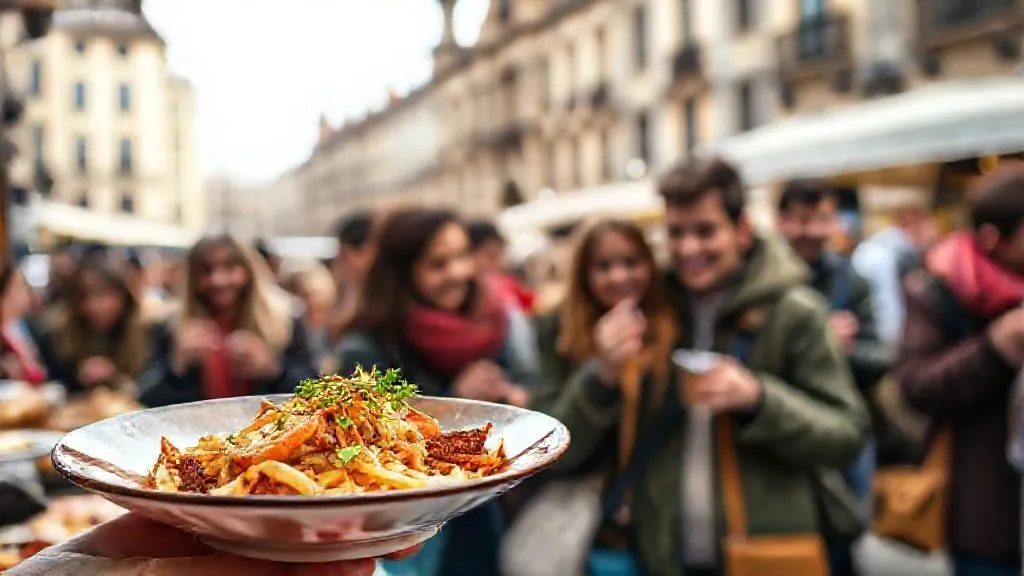
This is my cardinal rule: **Observe the clientele.** If the market is predominantly filled with locals going about their daily shopping, buying groceries, or grabbing a quick bite, you're in the right place. If you see more selfie sticks than shopping bags, or hear more English than the local language, it might be a market geared towards tourists. A mix is fine, but the scales should tip heavily towards the locals. As Skift, a leading travel industry intelligence platform, often highlights, business travelers are increasingly seeking genuine cultural immersion, and this 'local ratio' is a direct indicator.
Signs of Freshness and Seasonality
Authentic markets celebrate what's local and in season. Look for:
- Vibrant Colors: Produce that looks like it was just picked.
- Strong Aromas: Aromatic spices, fresh bread, ripe fruits – a market should smell alive.
- Seasonal Variety: If you see strawberries in December in a temperate climate, question it. The best markets reflect the agricultural calendar.
- Direct from Farm/Producer: Some stalls will proudly display signs indicating the origin of their goods.
Beyond the Main Entrance: Exploring Side Alleys
Many large, well-known markets have a main entrance that can feel a bit staged. I always encourage stepping deeper, exploring the less-trafficked side alleys and back corners. This is often where the more traditional vendors, the best prices, and the truly unique finds reside. It's where the heart of the market often beats strongest, away from the immediate gaze of casual visitors.
Time-Saving Strategies for Busy Schedules
The core challenge for business travelers is time. So, how do you integrate market visits without disrupting your professional commitments? This is where strategic planning meets practical execution, ensuring you can still learn how to find authentic local food markets quickly on a business trip.
The Early Bird Gets the Best Produce (Morning Visits)
Many authentic food markets, especially those focused on fresh produce, are at their busiest and best in the early morning. If you have an early start to your workday, consider waking up an hour earlier for a quick market dash. You can grab a local breakfast, pick up some fresh fruit for the day, and experience the market before the crowds. This 'breakfast first' approach is incredibly efficient.
Lunchtime Expeditions: A Strategic Window
Your lunch break is a prime opportunity. Instead of a sit-down restaurant, seek out a market that offers prepared food stalls. You can often grab a quick, delicious, and authentic meal for a fraction of the price and immerse yourself in the local atmosphere. This is particularly effective in cities known for their street food or hawker centers.
Focusing on One Signature Dish or Ingredient
Don't feel pressured to explore every corner of a large market. If time is extremely limited, identify one must-try dish or a specific ingredient you're curious about from your pre-trip research. Go directly to a highly recommended stall, enjoy that one item, and then head back to your commitments. It’s about quality over quantity, a focused culinary strike that still delivers an authentic taste of the locale.
Overcoming Common Business Travel Hurdles
Even with the best intentions, business travel presents unique obstacles. Here’s how I advise my clients to navigate them when trying to find authentic local food markets quickly on a business trip.
Language Barriers: Simple Phrases and Translation Apps
Don't let language deter you. Learn a few essential phrases: "Hello," "Thank you," "How much?" and pointing. Beyond that, modern translation apps (like Google Translate with its camera function) are incredibly powerful. I've used them countless times to decipher menus or ask about ingredients. Most vendors appreciate the effort, even if your pronunciation isn't perfect.
Navigating Cash-Only Vendors
Many smaller, authentic market stalls operate on a cash-only basis. Always carry a small amount of local currency in smaller denominations. This avoids awkward situations and ensures a smooth transaction. Before heading to the market, check if there's an ATM nearby, or simply withdraw some cash when you arrive at the airport.
Safety and Cultural Etiquette
While generally safe, bustling markets can be pickpocket havens. Keep your wallet secure, ideally in a front pocket or a cross-body bag. Regarding etiquette, observe locals. Are they haggling? Is it acceptable to touch produce before buying? A simple smile and respectful demeanor go a long way. When in doubt, err on the side of caution and politeness. For broader cultural understanding, resources like National Geographic Travel offer excellent insights into local customs.
Integrating Food Markets into Your Itinerary
The true art of experiencing local food on a business trip lies in seamless integration. It’s about leveraging existing windows of time and transforming mundane moments into memorable culinary explorations.
Post-Meeting Pit Stops
Identify markets that are geographically close to your meeting locations. A 30-minute window between appointments, or a quick stop on your way back to the hotel, can be sufficient. This requires knowing your schedule and the city layout. I often use a quick map search right after a meeting to see what authentic options are within a 10-15 minute walk or short taxi ride.
The 'Breakfast First' Approach
As mentioned, mornings are golden. If your first meeting isn't until 9 or 10 AM, consider dedicating 60-90 minutes to a market visit for breakfast or a quick stroll. This sets a positive tone for the day and gets you into the local rhythm before the corporate grind begins. Many of my most cherished travel memories come from these early morning market explorations.
Leveraging Downtime Effectively
Even brief periods of downtime—a delayed flight, an unexpected break, the evening before a late dinner—can be opportunities. Instead of scrolling on your phone, consider a quick expedition. This is where your pre-saved Google Maps list becomes invaluable, allowing for quick decisions and efficient navigation. As Harvard Business Review often explores, optimizing 'found time' can significantly enhance personal well-being and productivity, even on business trips.
Frequently Asked Questions (FAQ)
How much time do I realistically need to visit an authentic market on a business trip? You can achieve a meaningful market experience in as little as 30-60 minutes. This might mean focusing on a single section, grabbing a quick bite, or simply taking in the atmosphere. For a more immersive experience, 1.5-2 hours is ideal, allowing time to wander, observe, and perhaps enjoy a sit-down meal at a market stall. The key is efficiency and prior planning.
Is it safe to eat street food from these markets? Generally, yes, if you follow common sense rules. Look for stalls with high turnover (meaning food isn't sitting long), visible cooking processes, and where locals are eating. Avoid anything that looks like it's been sitting out too long, especially in warm climates. Trust your gut (literally!). Reputable travel guides like Lonely Planet offer excellent advice on street food safety specific to regions.
What if I don't speak the local language? Don't let language be a barrier. Most market vendors are accustomed to tourists and will use gestures, calculators, or simple English. Have a translation app ready, and learn a few basic polite phrases like "hello," "thank you," and "how much?" A warm smile and respectful demeanor go a long way.
Can I buy ingredients, or is it just for eating prepared food? Most authentic markets are primarily where locals buy their daily groceries—fresh produce, meats, spices, etc. While many also have prepared food stalls, you can absolutely buy ingredients. It's a fantastic way to bring a piece of your trip home, even if it's just a unique spice or a local fruit to enjoy in your hotel room.
How do I avoid tourist traps disguised as 'authentic' markets? The best indicator is the 'local ratio' – if it's overwhelmingly tourists, it's likely geared towards them. Also, look for prices; if they seem unusually high for local goods, be wary. Authentic markets often have a more chaotic, bustling feel, rather than being overly clean, sanitized, or overtly signposted for international visitors. Use your pre-trip research to identify specific, local-favorite markets.
Recommended Reading
- The Ultimate Secret: How to Pack Snowboard Boots Efficiently for Travel
- 7 Data-Backed Ways: How to Prove Responsible Wildlife Tourism Boosts Profits?
- 5 Executive Walking Tours: Time-Saving Budget Breaks for Leaders
- Mastering Access: 7 Strategies for Impossible VIP Client Experiences
- Unlock Your Adventure: How to Prepare for an Immersive Cultural Trip!
Key Takeaways and Final Thoughts
Transforming your business trip into a culinary adventure is entirely within reach, even with the most demanding schedules. It’s about a blend of strategic planning, keen observation, and an adventurous spirit. Remember, the goal isn't just to eat; it's to connect with the soul of a place through its food. By mastering how to find authentic local food markets quickly on a business trip, you elevate your travel experience from mundane to truly memorable.
- Prioritize & Plan: Make culinary discovery an intentional part of your trip, not an afterthought. Use digital tools for efficient pre-trip research.
- Observe & Engage: Pay attention to local transportation patterns, ask locals for recommendations, and look for queues.
- Trust Your Senses: Let the sights, sounds, and smells of a truly authentic market guide you.
- Be Efficient: Leverage small windows of time – mornings, lunch breaks, short detours – to maximize your discovery.
- Embrace the Unfamiliar: Don't fear language barriers or cash-only vendors; these are part of the authentic experience.
So, on your next business trip, challenge yourself. Step outside the hotel bubble. Seek out that bustling market, that aromatic street food stall, that hidden gem. I promise you, the flavors you discover and the connection you forge with the local culture will be far more enriching and rewarding than any room service meal. Happy travels, and happy eating!



Your email address will not be published. Required fields are marked *