

How to Find Ethical Skills Volunteering Abroad for Impact?
For over 15 years in the volunteer travel sector, I've witnessed a profound shift. What began as a noble pursuit for global good has, in some corners, morphed into a commercialized industry, often prioritizing volunteer experience over genuine community impact. I’ve seen countless well-intentioned individuals return home, only to question if their efforts truly made a difference, or worse, inadvertently caused harm.
The allure of combining travel with purpose is undeniable, yet the path to truly ethical and impactful skills-based volunteering abroad is fraught with complexities. Many aspiring volunteers grapple with the challenge of distinguishing authentic, community-driven initiatives from superficial "voluntourism" programs that exploit local resources or create dependency. This often leads to frustration, disillusionment, and a nagging doubt about one's contribution.
This comprehensive guide is designed to cut through the noise. Drawing on my extensive experience, I will equip you with a robust framework, actionable strategies, and critical insights to identify, vet, and engage with ethical skills volunteering programs. You'll learn how to align your professional expertise with genuine community needs, assess true impact, and ensure your journey abroad leaves a legacy of positive, sustainable change, not just fleeting memories.
Understanding the 'Ethical' Imperative in Skills Volunteering
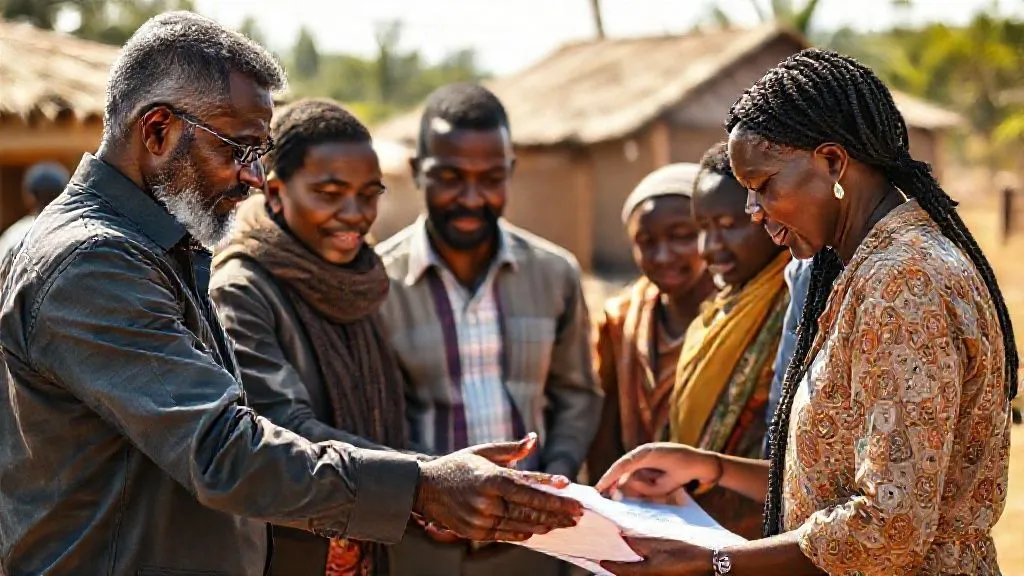
When we talk about 'ethical' skills volunteering, we're delving far deeper than mere good intentions. It's about a fundamental shift in perspective: moving from a "saving" mentality to one of genuine partnership, empowerment, and respect. In my view, ethical volunteering is characterized by initiatives that are community-led, needs-based, and focused on long-term capacity building rather than short-term fixes or dependency creation. It means asking: Who benefits most from this project? Is it the community, or primarily the volunteer and the organization facilitating the trip?
True ethical engagement means recognizing and valuing local knowledge, skills, and leadership. It’s about being invited in to support existing efforts, not dictating new ones. This often involves working alongside local professionals, sharing expertise, and collaboratively developing solutions that are culturally appropriate and sustainable long after the volunteer departs. According to a Forbes Nonprofit Council article, community-led development is crucial for sustainable impact, ensuring solutions are relevant and owned by those they serve.
The Pitfalls of Unethical 'Voluntourism'
The dark side of volunteer travel, often dubbed 'voluntourism,' is a significant concern. These programs, unfortunately, can do more harm than good. They might displace local workers, create artificial demand for unskilled labor, or worse, perpetuate harmful stereotypes. Orphanage volunteering, for instance, has been widely criticized for fueling child trafficking and institutionalizing children who have families. It’s imperative to be acutely aware of these potential pitfalls and actively seek programs designed to avoid them.
"True impact in skills-based volunteering isn't about what you *do* for a community, but what you *build* with them – the capacity, the knowledge, the self-sufficiency that endures."
Ethical programs will always prioritize the well-being and long-term development of the host community. They will have clear objectives, measurable outcomes, and robust feedback mechanisms that genuinely involve local stakeholders. Understanding this foundational difference is your first critical step in finding a truly impactful opportunity.
Self-Assessment: Aligning Your Skills with Genuine Needs
Before you even begin searching for programs, the most crucial step is a rigorous self-assessment. I've seen countless volunteers eager to help, but without a clear understanding of their unique value proposition, they often struggle to find a truly fitting and impactful role. This isn't just about what you *can* do, but what you *should* do, based on genuine, expressed community needs. As global development expert Dr. Robert Chambers often highlights, understanding local realities is paramount.
Identifying Your Core Professional Strengths
Take a deep dive into your professional background. Go beyond your job title. What specific skills do you possess that are transferable and valuable in a development context? Think about: project management, financial literacy, digital marketing, IT support, engineering, healthcare administration, curriculum development, grant writing, agricultural techniques, entrepreneurial mentorship, or even niche trades. Document these skills, along with your experience level and any relevant certifications. Consider not just hard skills, but soft skills like cross-cultural communication, problem-solving, and adaptability.
Understanding Community-Driven Demands
This is where many enthusiastic volunteers miss the mark. They assume what a community needs rather than asking. Ethical programs are built on genuine requests from local partners. Your task is to find organizations that are actively seeking skills like yours, not just accepting any volunteer. This means looking for programs that clearly articulate specific skill gaps they are trying to fill, often within existing projects. For example, a community health clinic might need a volunteer with expertise in medical record digitization, not just general medical assistance.
- List Your Expertise: Create a detailed inventory of your professional skills, qualifications, and years of experience. Be specific (e.g., "SQL database management," not just "IT").
- Identify Transferable Skills: Think about how your skills could translate to a resource-limited environment. Can your marketing skills help a local artisan cooperative reach new markets?
- Define Your Desired Impact: What kind of change do you genuinely want to contribute to? This helps narrow down sectors (e.g., education, environmental, economic development).
- Research Needs Assessments: Look for organizations that publish needs assessments or clearly state their project goals and the specific skills required to achieve them. This demonstrates their commitment to community-driven development.

Vetting Organizations: The Due Diligence Checklist
Once you understand your own capabilities and what constitutes ethical engagement, the next critical step is rigorously vetting potential organizations. This is where your investigative skills come into play. I always advise people to approach this like a job interview – you’re not just applying; you’re interviewing them to ensure they meet your ethical standards. This due diligence is paramount for ensuring your skills are truly utilized for positive impact.
Key Indicators of a Reputable Organization
Ethical organizations are transparent, accountable, and deeply embedded in the communities they serve. Here’s a checklist of what to look for:
- Local Ownership and Leadership: Does the organization have strong local leadership and staff? Are local voices prominent in decision-making?
- Clear Mission and Objectives: Is their mission statement unambiguous, and do their projects align directly with stated community needs?
- Transparency in Funding: Where does your program fee go? Are financial reports accessible? Ethical organizations will be clear about administrative costs versus direct project funding.
- Impact Measurement and Reporting: Do they regularly assess and report on the long-term impact of their projects? Look for concrete metrics, not just anecdotal evidence.
- Ethical Volunteer Placement: Do they have a clear process for matching volunteer skills to specific needs, rather than just placing anyone anywhere?
- Pre-Departure Training and Support: Do they offer comprehensive cultural, safety, and project-specific training?
- Established Local Partnerships: Do they work *with* local NGOs, government bodies, or community groups, rather than operating in isolation?
- Volunteer Testimonials and Alumni Network: Look for genuine, detailed testimonials, particularly from past skills-based volunteers. An active alumni network can offer invaluable insights.
I strongly recommend checking independent reviews and charity watchdog sites. For instance, organizations like Charity Navigator (though primarily US-focused) or local charity commissions can provide insights into an organization's financial health and accountability. Always be wary of organizations with vague project descriptions or those that promise an "adventure" more than a specific contribution.
Assessing Program Impact and Sustainability
Beyond an organization's stated intentions, the true measure of ethical skills volunteering lies in its verifiable impact and sustainability. Many programs look good on paper, but a deeper dive is required to understand if they are creating lasting, positive change. This is where I often see the biggest disconnect between volunteer expectation and reality. It’s not enough for a project to *feel* good; it must *do* good in a measurable, sustainable way.
Measuring True Community Benefit
Ethical programs will have mechanisms for measuring impact that go beyond counting volunteer hours or project completions. They will focus on outcomes: increased literacy rates, improved health metrics, enhanced economic opportunities, strengthened local institutions, or improved environmental practices. Ask for their impact reports. How do they track progress? Do they involve the community in evaluating success? A good question to ask is: "What happens to this project if no volunteers come next year?" If the answer suggests total collapse, it's likely not sustainable.
Case Study: Empowering Local Entrepreneurs in Ghana
Consider the fictional organization, "Empower Ghana Innovations." A mid-sized, locally-led NGO, they faced a challenge: a high rate of small business failures in rural communities due to lack of financial literacy and marketing skills. They partnered with an international volunteer platform, specifically seeking experienced business consultants and marketing professionals. By implementing a six-month mentorship program, where volunteers provided weekly online and quarterly in-person coaching on business planning, budgeting, and digital marketing, they achieved remarkable results. Local entrepreneurs reported a 40% increase in revenue within the first year, and 85% of businesses remained operational after three years, significantly higher than the national average. This success was due to a clear skills gap identification, long-term engagement, and a focus on capacity building rather than direct intervention.
When evaluating programs, consider the following metrics and how they are reported:
| Impact Area | Ethical Program Metric | Voluntourism Pitfall |
|---|---|---|
| Economic Empowerment | Percentage increase in local business revenue; creation of new local jobs. | Number of items sold at tourist market; short-term cash injections without skill transfer. |
| Education & Skills Transfer | Number of local teachers trained; improvement in student test scores; creation of sustainable curriculum. | Number of books read to children; basic English lessons without long-term strategy. |
| Healthcare & Wellness | Reduction in specific disease prevalence; training of local health workers; improvement in clinic management systems. | Number of patients seen by untrained volunteers; basic first aid without professional oversight. |
Look for evidence that the organization is actively working to make itself, and external volunteer support, redundant in the long run. This is the hallmark of true sustainability and impact.
Navigating Cultural Competency and Respectful Engagement
In my years in this field, I’ve come to understand that technical skills, no matter how profound, are only half the equation. The other, equally critical half is cultural competency and a deep commitment to respectful engagement. Without these, even the best intentions can lead to misunderstandings, offense, and ultimately, a diminished impact. As the saying goes, "When in Rome, do as the Romans do," but in volunteer travel, it's more profound: "When in Rome, understand why Romans do what they do."
Pre-Departure Cultural Preparation
A truly ethical organization will provide extensive pre-departure training that goes beyond logistics. It will cover the local history, political landscape, social norms, religious practices, and communication styles. This isn't just about avoiding faux pas; it's about building a foundation for genuine connection and effective collaboration. I always advise volunteers to immerse themselves in learning basic phrases of the local language. Even a few words demonstrate respect and open doors that remain closed to monolingual visitors.
Key aspects of cultural competency include:
- Humility: Recognizing that you are a guest and a learner first.
- Patience: Understanding that processes and timelines may differ from your home culture.
- Active Listening: Prioritizing understanding over being understood.
- Adaptability: Being flexible and open to new ways of thinking and working.
- Self-Awareness: Understanding your own cultural biases and assumptions.
The Role of Local Leadership
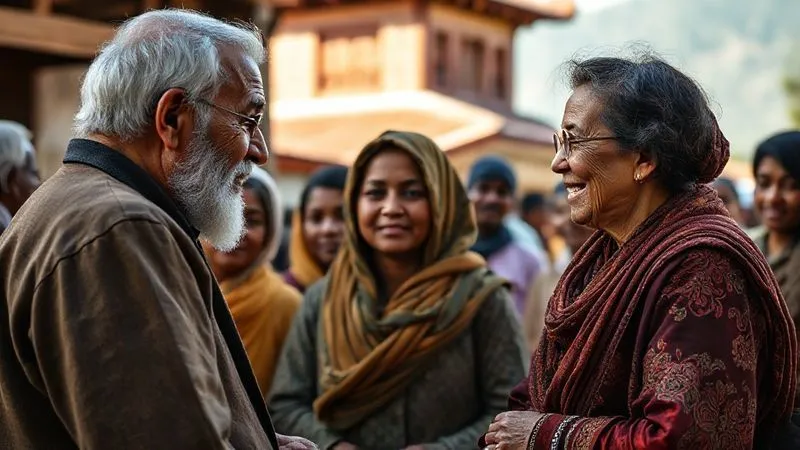
A central tenet of ethical volunteering is deferring to local leadership. Your role as a skills-based volunteer is to support, advise, and empower, not to lead or dictate. This means being comfortable working under the guidance of local project managers, even if their approach differs from what you're used to. It's about sharing your expertise in a way that builds local capacity and ownership, ensuring that the community can continue the work independently once your volunteer period ends. This respects autonomy and fosters genuine partnership. Harvard Business Review often emphasizes the critical role of cultural intelligence in global leadership and collaboration.
Financial Transparency and Funding Models
One of the most opaque, yet critical, aspects of ethical skills volunteering is understanding the financial model of the organization you choose. As an expert in this niche, I've seen firsthand how unclear financial structures can lead to exploitation, misallocation of funds, and ultimately, a lack of trust. Your investment, whether of time or money, should always contribute directly and effectively to the stated mission, not primarily to administrative overheads or profit margins of intermediary organizations.
Understanding Program Fees vs. Donations
It's important to distinguish between program fees and donations. A program fee typically covers your in-country costs: accommodation, food, local transport, project support, and sometimes a contribution to the project itself. This is generally acceptable. However, ethical organizations will be explicitly clear about what this fee covers. They should provide a breakdown, demonstrating that a significant portion directly supports the project and local community, not just the volunteer's experience. Be wary of organizations where fees seem exorbitantly high relative to the services provided, or where there's no clear explanation of where the money goes.
Donations, on the other hand, should be directed entirely to the project. Many ethical organizations are registered charities and can provide tax receipts. If you are asked to pay a high "program fee" that is then labeled as a "donation," proceed with extreme caution. Genuine organizations often have separate channels for volunteer fees and charitable donations, ensuring clarity and accountability. Always ask for a detailed financial breakdown before committing.
A transparent organization will also be open about how its overall budget is structured, including staff salaries (both local and international), operational costs, and project expenditure. If an organization is hesitant to share this information, it's a red flag. Transparency builds trust, and trust is foundational to ethical engagement. The Guardian has covered the complexities of voluntourism funding, highlighting the importance of clear financial practices.
Long-Term Engagement and Post-Volunteering Impact
The journey of ethical skills volunteering doesn't conclude the moment you step off the plane back home. In my experience, the most impactful contributions often extend beyond the physical presence in the host country. True ethical engagement fosters a long-term relationship, both with the community you served and with the broader mission of responsible global development. It’s about ensuring that the seeds you helped plant continue to grow and flourish.
Staying Connected and Supporting Beyond the Trip
Ethical organizations understand the value of their alumni network. They will often provide avenues for past volunteers to stay connected, offer remote support, or contribute financially to ongoing projects. Consider:
- Remote Mentorship: Can you continue to provide guidance or training sessions virtually?
- Fundraising: Can you leverage your network to raise funds for critical project needs?
- Advocacy: Can you share your experiences and insights to raise awareness about the project and its mission?
- Resource Development: Can you contribute to creating educational materials, grant proposals, or operational manuals from afar?
Many volunteers find immense satisfaction in continuing to support their chosen project, transforming a short-term trip into a long-term commitment. This sustained engagement is a powerful indicator of a program's success and the depth of the connection forged between volunteers and communities. It also speaks volumes about the organization's ability to cultivate lasting relationships.

Leveraging Your Experience for Advocacy and Continued Growth
Your ethical skills volunteering experience is not just a personal journey; it's a powerful platform. As an expert, I encourage every returning volunteer to recognize the unique position they now hold: as an informed advocate and a catalyst for change. The insights gained from direct, respectful engagement with a community abroad are invaluable and can be leveraged to foster greater understanding and support for ethical global development efforts.
Becoming an Advocate for Ethical Travel
You now possess a nuanced understanding of the complexities and rewards of genuine impact. Use your voice to:
- Educate Others: Share your stories, but critically, share the lessons learned about ethical engagement, community leadership, and sustainable development. Counter the narratives of superficial voluntourism.
- Promote Best Practices: Highlight the organizations and programs that truly embody ethical principles. Your endorsement, backed by firsthand experience, is incredibly powerful.
- Challenge Misconceptions: Speak out against harmful practices and stereotypes. Use your experience to advocate for more responsible tourism and volunteering models.
- Engage in Policy Discussions: If you're passionate, join or support organizations working on policy changes related to international aid, development, and ethical travel.
This post-volunteering advocacy is a crucial component of long-term impact. By sharing your journey and insights, you contribute to a more informed and responsible global community. It's about extending your personal impact into a collective movement for better, more equitable global partnerships. As the United Nations Sustainable Development Goals remind us, global challenges require collective action and informed advocacy.
Frequently Asked Questions (FAQ)
Q: How can I be sure my skills are truly needed, and I'm not taking a job from a local? The best way is to choose organizations that explicitly state the skill gap they are trying to fill and demonstrate a commitment to capacity building. Inquire about their local hiring practices and how they ensure volunteers complement, rather than replace, local labor. Ethical programs focus on training and mentorship, not just doing the work themselves.
Q: What if I don't have highly specialized professional skills? Can I still volunteer ethically for impact? Absolutely. While this article focuses on skills-based volunteering, many ethical organizations need general support in administrative tasks, community outreach, or even just cultural exchange. The key is to find programs that genuinely need your specific contributions, whatever they may be, and where your presence does not create dependency or displace local workers. Always prioritize programs that are community-led and have clear objectives for your involvement.
Q: How much should I expect to pay for an ethical skills volunteering program? Costs vary widely depending on the duration, location, organization, and what's included (accommodation, food, local transport, training). Generally, expect to pay a program fee that covers your in-country expenses and contributes to project costs. Be suspicious of extremely low or extremely high fees without clear justification. Transparency in financial breakdown is more important than the absolute number. Focus on value and where your money is going.
Q: Is it better to volunteer for a large international NGO or a small local organization? Both can be ethical and impactful. Large NGOs often have more resources, established infrastructure, and robust safety protocols. Small local organizations might offer a more immersive experience and direct connection to the community. The critical factor isn't size, but rather their adherence to ethical principles: local leadership, transparency, genuine need, and sustainable impact. Thorough vetting is essential for both.
Q: What are the biggest red flags to watch out for when researching programs? Major red flags include: programs focused heavily on your "experience" rather than community need, vague project descriptions, lack of local leadership, unwillingness to provide financial transparency, programs that involve working with vulnerable children (especially orphanages) without strict safeguarding protocols, and organizations that prioritize large numbers of unskilled volunteers over specific skill-matching.
Key Takeaways and Final Thoughts
Navigating the landscape of skills-based volunteering abroad for genuine impact requires diligence, empathy, and a commitment to ethical principles. It's a journey that, when undertaken thoughtfully, can be profoundly rewarding for both you and the communities you serve. Remember, your skills are a valuable asset, but their true power lies in how they are responsibly applied.
- Prioritize Community Needs: Always seek programs driven by local priorities, not external agendas.
- Rigorous Self-Assessment: Understand your unique skills and how they align with specific, expressed needs.
- Thorough Vetting is Non-Negotiable: Investigate organizations for transparency, local leadership, and measurable impact.
- Embrace Cultural Competency: Approach every interaction with humility, respect, and a willingness to learn.
- Seek Sustainable Impact: Look for programs that build local capacity and have a long-term vision beyond your presence.
- Advocate for Ethics: Use your experience to educate others and champion responsible global engagement.
The world truly needs your expertise, but it needs it delivered ethically, respectfully, and sustainably. By following these guidelines, you're not just finding a volunteer trip; you're embarking on a mission to create genuine, lasting change. Your journey can be a powerful testament to the positive force of global collaboration. Go forth, equipped with knowledge, and make your impact count.
Recommended Reading
- 5 Essential Strategies: Guaranteeing VIP Privacy on Luxury Yacht Cruises
- Unveiling the Truth: Are Safari Tents Truly Good for Cold-Weather Glamping?
- Modern Marvels: Your Guide to the Best Architecture City Breaks Europe
- Unlocking Authentic Cultural Festival Volunteer Roles: Your Ultimate Guide
- Streamlining Spaceports: 7 Strategies for Cost-Effective Tourist Flights





Your email address will not be published. Required fields are marked *