

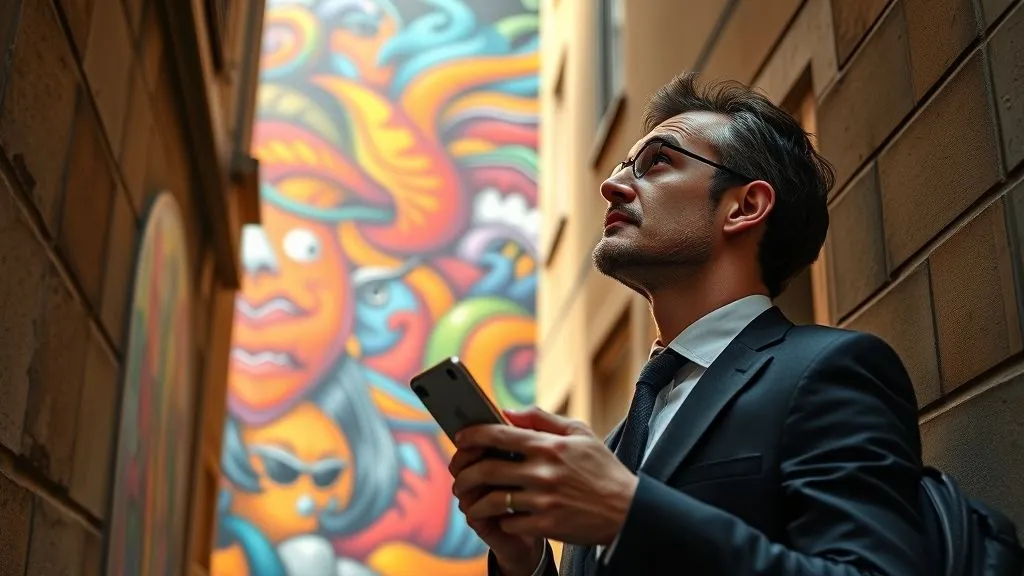
How to Find Hidden Street Art Gems During a Short Business Trip?
For over 15 years in the travel industry, specializing in city breaks and cultural immersion, I've observed a common lament among business travelers: the feeling of being confined to conference rooms and hotel lobbies, missing out on the vibrant pulse of the city just outside. Early in my career, I made this mistake countless times, flying home with only airport souvenirs and meeting notes, rather than rich cultural memories.
The problem is palpable: you're in an exciting new city, but your schedule is packed. Time is a luxury you simply don't have. How do you reconcile the demands of a tight business agenda with the genuine desire to connect with the local culture, especially something as dynamic and ephemeral as street art?
This article isn't about ditching your commitments for a full-day art tour. Instead, I'll share actionable frameworks and expert insights, forged from years of experience, to show you how to find hidden street art gems during a short business trip. We'll explore strategic planning, leveraging technology, and cultivating a keen eye for discovery, ensuring your next trip offers both professional success and genuine cultural enrichment.
Mastering Pre-Trip Reconnaissance: Your Digital Detective Work
The secret to maximizing limited time isn't just about being efficient on the ground; it starts long before you even pack your suitcase. In my experience, a little digital detective work can yield extraordinary results, transforming a potential wild goose chase into a targeted treasure hunt.
Leveraging Online Platforms & Apps
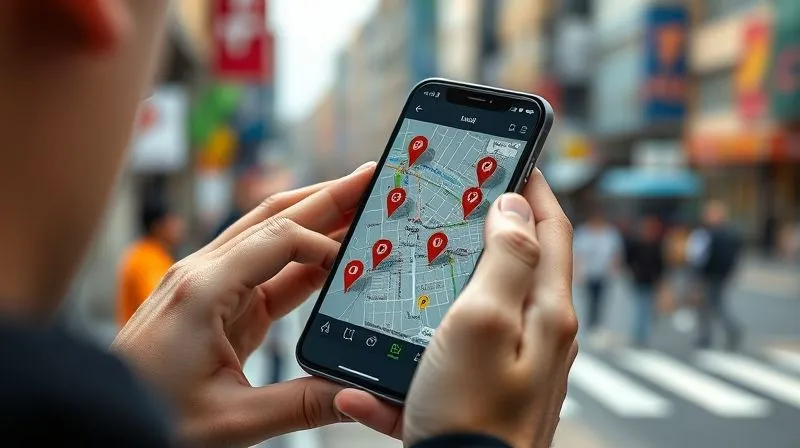
Your smartphone is your most potent tool. I always begin by diving into platforms like Instagram and Google Maps. Search for hashtags like #<cityname>streetart or #<cityname>murals. Look for geotags and recent posts. Google Maps allows you to save locations, creating a personalized art map before you even land. Specialized apps like Street Art Cities or Google Arts & Culture can be invaluable, often featuring curated routes and detailed information about artists and their works.
Strategic Keyword Searches & Local Blogs
Beyond broad searches, get specific. Try phrases like "best street art neighborhoods <cityname>" or "hidden murals <cityname>." Look for local art blogs, city guides, or even university art department websites. These often highlight emerging artists or lesser-known installations that major tourist sites might overlook. According to a recent Forbes article, the rise of street art tourism is driven by a desire for authentic, local experiences, making these niche resources even more powerful.
- Identify Key Neighborhoods: Pinpoint areas known for street art, often vibrant, walkable districts.
- Save Specific Locations: Use Google Maps to star or save exact mural locations.
- Check Accessibility & Timings: Note if any art is within private courtyards or has specific viewing hours.
- Cross-Reference: Compare finds from different sources to confirm popularity and current existence.
The Power of Local Intel: Beyond the Tourist Trail
While digital tools are indispensable, nothing quite beats the insights of a local. In my travels, I've found that the most memorable discoveries often come from unexpected conversations. People who live and work in a city possess a unique, often unfiltered, perspective on its hidden treasures.
Engaging with Hotel Staff & Concierges
Don't underestimate your hotel concierge or even the front desk staff. They are often walking encyclopedias of local knowledge, eager to share their city's unique charm. Frame your request clearly: "I'm looking for some interesting local street art that's off the main tourist path, something I could easily walk to during a short break." They might point you to an alleyway mural or a specific cafe district known for its artistic vibe.
Consulting Local Art Blogs & Community Forums
Before your trip, a quick search for "<cityname> street art blog" or "urban art community <cityname> forum" can uncover a wealth of information. These platforms are often maintained by passionate locals who track new installations, artist movements, and even temporary exhibitions. Their enthusiasm and up-to-date information can be a goldmine for finding those truly hidden gems.
Case Study: How a Quick Chat Unlocked a Masterpiece
During a business trip to Melbourne, Australia, I had a mere 90 minutes between meetings. My pre-trip research suggested Hosier Lane, a famous spot, but I yearned for something more unique. At my hotel, I casually asked the barista, a young art student, if there were any lesser-known spots. She immediately lit up, describing a recent, ephemeral piece by a renowned local artist tucked behind a small gallery on Flinders Lane, just a 10-minute walk away. I followed her directions, and there it was: a stunning, intricate stencil work that would have been impossible to find otherwise. This brief, authentic interaction transformed a rushed lunch break into a profound cultural moment.
The most authentic street art experiences often lie beyond the curated guides, waiting to be revealed by the people who call the city home.
Optimizing Your Limited Time: Smart Itinerary Integration
The biggest hurdle for business travelers is time scarcity. The solution isn't to create a separate street art itinerary, but to seamlessly weave art discovery into your existing schedule. This requires a strategic mindset and a willingness to view your daily movements as opportunities.
Mapping Art into Your Commute
Review your meeting locations and hotel. Are there any street art hotspots along your walking route? Can you opt for a slightly longer walk to your next appointment, or choose a public transport route that passes through an interesting neighborhood? Even a 10-minute detour can lead to a significant discovery. For example, if your hotel is near a subway line, check if the stations themselves feature public art, or if emerging art districts are just a few stops away.
Lunch Break Expeditions & Micro-Adventures
Your lunch break, typically an hour, is a perfect window for a focused street art expedition. Instead of eating at the nearest chain restaurant, seek out a local cafe in a neighborhood known for its murals. A quick 30-40 minute walk, fueled by a coffee, can be incredibly rewarding. These 'micro-adventures' are not only great for cultural immersion but also provide a much-needed mental break from work, boosting creativity and focus for your afternoon tasks.
| Time Slot | Activity | Potential Art Discovery |
|---|---|---|
| Morning Commute (8:30-9:00 AM) | Walk through X neighborhood on the way to first meeting | Murals on Elm Street, graffiti near subway station |
| Lunch Break (1:00-2:00 PM) | Grab a quick bite in Y district, explore surrounding alleys | Hidden stencil art, gallery exteriors |
| Afternoon Break (4:00-4:15 PM) | Quick walk around the block near office | Ephemeral paste-ups, small installations |
| Evening Commute (6:00-6:30 PM) | Take scenic bus route through Z district | Large-scale building murals |
Embracing the Spontaneous: The Art of Serendipitous Discovery
While planning is crucial, some of the most thrilling street art finds are purely serendipitous. To find hidden street art gems during a short business trip, you must cultivate an observational mindset, ready to be surprised by what the urban landscape reveals.
Keeping Your Eyes Peeled: Look Up, Look Down, Look Around
Street art isn't always at eye level. Some of the most impressive pieces are on rooftops, under bridges, or subtly integrated into architectural details. Train yourself to look beyond the obvious. Scan walls, utility boxes, and even pavement. Often, smaller, more intricate pieces are found in unexpected nooks and crannies, rewarding those who truly observe their surroundings.
Exploring Alleys and Side Streets: The Unofficial Galleries
Main thoroughfares are for commerce; alleys and side streets are often the true canvases of the city. These less-trafficked areas provide artists with more freedom and less scrutiny, leading to some of the most raw, experimental, and politically charged works. A brief diversion down a promising-looking alley can often lead to a concentrated burst of urban art, offering a genuine glimpse into the city's creative underbelly.
Leveraging Technology on the Ground: Your Pocket Guide
Once you're on the ground, technology remains your steadfast companion. It streamlines navigation, enhances discovery, and helps you document your finds efficiently, ensuring you maximize every precious minute. This is how to find hidden street art gems during a short business trip with precision.
GPS & Offline Maps for Navigation
Pre-saving locations on Google Maps or a similar app is critical. But also ensure you have offline maps downloaded, especially if you're venturing into areas with spotty reception or trying to conserve data. This allows for seamless navigation between your business appointments and your chosen art spots without getting lost or wasting time. The ability to quickly see your proximity to a saved mural can dictate whether you have time for a quick visit or need to save it for another trip.
Street Art Specific Apps & Image Recognition
Beyond general mapping, apps like Street Art Cities offer comprehensive databases of murals worldwide, often with photos, artist information, and precise locations. Some apps even incorporate image recognition, allowing you to snap a photo of a piece and potentially identify the artist or learn its backstory. This adds a layer of depth to your discovery, transforming a casual viewing into an informed appreciation.
Quick Photo Documentation & Sharing
Your phone camera is essential for documenting your finds. Don't just take a single shot; capture details, context, and any accompanying tags or signatures. These photos serve as a personal archive and can be invaluable for later research or sharing. A quick social media post, tagging the city or artist if known, can also connect you with other art enthusiasts and even lead to new recommendations.
Technology isn't just a convenience; it's an accelerator for cultural immersion, turning fleeting moments into lasting memories.
Ethical Engagement with Street Art: Respecting the Art and Artists
As an expert in city breaks, I believe that true appreciation extends beyond mere viewing. Engaging ethically with street art is crucial for its preservation and the continued flourishing of this vibrant urban culture.
Understanding Unsanctioned vs. Commissioned Works
Street art exists on a spectrum from illegal graffiti to officially commissioned murals. While all forms contribute to the urban aesthetic, understanding the context is important. Unsanctioned works, while often powerful and provocative, exist in a more precarious state. Commissioned pieces, often supported by city councils or businesses, are generally more permanent and celebrated. A quick search for the artist or a look at the surrounding area can often give clues about the piece's status.
Photography Etiquette & Respecting Private Property
When photographing street art, always be mindful of your surroundings. Avoid blocking pedestrian traffic or intruding on private property. If a piece is on a residential building, be respectful of the residents. Remember that while the art is public, the space it occupies often isn't. Good etiquette ensures that you and future art enthusiasts can continue to enjoy these urban galleries.
Supporting Local Artists & Galleries
If you're particularly moved by an artist's work, consider seeking out local galleries that might represent them or purchasing prints online. Many street artists also sell merchandise or take commissions. Supporting them directly helps sustain their craft and ensures the continued creation of new, inspiring urban art. This mindful approach ensures your engagement is not just extractive but also contributes positively to the local art ecosystem.
Post-Trip Reflection: Documenting and Sharing Your Finds
The journey of discovery doesn't end when you board your flight home. Documenting and reflecting on your finds extends the experience and can even inspire your next adventure. This final step is vital for truly cementing how to find hidden street art gems during a short business trip into a valuable, repeatable skill.
Curating Your Discoveries
Once back, take a moment to organize your photos and notes. Create a digital album dedicated to your street art finds. Add captions with locations, artist names if known, and any interesting anecdotes from your discovery. This personal archive becomes a rich tapestry of your travels, far more meaningful than generic souvenirs.
Sharing Your Insights with Fellow Travelers
Share your experiences! Post your curated photos on social media, write a quick blog post, or simply tell your colleagues and friends about your discoveries. Your insights can inspire others to look beyond the boardroom and embrace the cultural richness of their business destinations. This collective sharing enriches the travel community and highlights the value of intentional cultural exploration, even on tight schedules.
Why This Matters for Your Personal & Professional Growth
Engaging with street art, even briefly, offers more than just aesthetic pleasure. It encourages observation, adaptability, and an appreciation for diverse perspectives – skills that are highly valuable in any professional setting. It breaks the monotony of business travel, injects creativity into your routine, and helps you return home not just accomplished, but also enriched and inspired. As renowned marketing guru Seth Godin often says, "Art is what we call it when what we're doing might not work." Embracing the unpredictable nature of street art discovery is an act of personal growth.
| Action Item | Details | Benefit |
|---|---|---|
| Organize Photos | Create a dedicated album, add location & artist tags. | Easy recall, personal archive. |
| Journal Notes | Write down anecdotes, feelings, and context of discovery. | Deeper reflection, richer memory. |
| Share Online | Post on Instagram/LinkedIn, tag city/artists, use relevant hashtags. | Inspire others, connect with community. |
| Review & Plan | Look at missed spots for future trips, refine strategy. | Continuous improvement, future adventures. |
Frequently Asked Questions (FAQ)
Q: Is it safe to explore street art alone in unfamiliar cities? A: Generally, yes, especially if you stick to well-trafficked areas during daylight hours. Always exercise common sense: research neighborhoods beforehand, stay aware of your surroundings, and avoid venturing into deserted alleys alone, particularly after dark. Your pre-trip research should include safety assessments of areas known for art.
Q: How can I tell if street art is legal or illegal? A: It can be tricky, but there are clues. Large, well-maintained murals often indicate official sanction. Art in designated cultural zones or on business exteriors with clear branding is usually legal. Smaller, hastily done pieces, or those on abandoned buildings, utility boxes, or transport infrastructure, are often unsanctioned. When in doubt, assume it's unsanctioned and simply observe respectfully.
Q: What if I only have 30 minutes free? Can I still find anything? A: Absolutely! This is where smart planning shines. Identify one or two key pieces very close to your hotel or meeting venue. Use your phone's GPS to navigate directly to them. Even a 10-15 minute walk to a single, impactful mural can be incredibly rewarding. Focus on quality over quantity for these micro-adventures.
Q: Are there specific neighborhoods known for street art in most major cities? A: Yes, many major cities have districts that have become synonymous with street art. Examples include Shoreditch in London, Wynwood Walls in Miami, Kreuzberg in Berlin, and the Mission District in San Francisco. A quick online search for "<cityname> street art district" will usually point you in the right direction. These areas often have a higher concentration of works, making efficient discovery easier.
Q: How can I find out about temporary installations or festivals? A: For temporary works or festivals, your pre-trip digital reconnaissance is paramount. Follow local art news sites, cultural event calendars, and the social media accounts of local artists or art organizations. Many cities host annual street art festivals, and these are fantastic opportunities to see fresh, dynamic works. Set up Google Alerts for "<cityname> street art festival" to catch announcements.
Key Takeaways and Final Thoughts
Navigating the demands of a business trip while nurturing a passion for urban culture is not just possible; it's a profound way to enrich your professional life. Finding hidden street art gems during a short business trip transforms mundane travel into memorable expeditions.
- Plan Smart, Not Hard: Leverage digital tools and local insights before you even leave.
- Integrate Art Seamlessly: Weave discovery into your existing commute and breaks.
- Cultivate Observation: Look beyond the obvious; hidden gems reward a keen eye.
- Harness Technology: Use apps and offline maps to navigate and document efficiently.
- Engage Ethically: Respect the art, artists, and the urban environment.
- Document & Share: Extend the experience and inspire others with your finds.
In a world that often prioritizes efficiency over experience, choosing to seek out the beauty and stories embedded in a city's street art is an act of rebellion and self-care. It's about finding inspiration in unexpected places and returning home not just with completed tasks, but with a renewed sense of wonder and a deeper connection to the world. So, on your next business trip, dare to look up, look around, and discover the vibrant, living art that awaits.
Recommended Reading
- Unlock 7 Secrets: How to Increase Bookings for Luxury Romantic Glamping Retreats?
- Reclaim Your Spirit: Solo Travel's 7-Step Escape from Corporate Burnout
- 7 Proven Strategies to Attract High-Paying Clients for Luxury Meditation Getaways
- The Ultimate Guide to Keeping Teenagers Entertained on Family Cruises
- Unlock Your Potential: How to Train for Extreme Kayaking Expedition Travel

Your email address will not be published. Required fields are marked *