

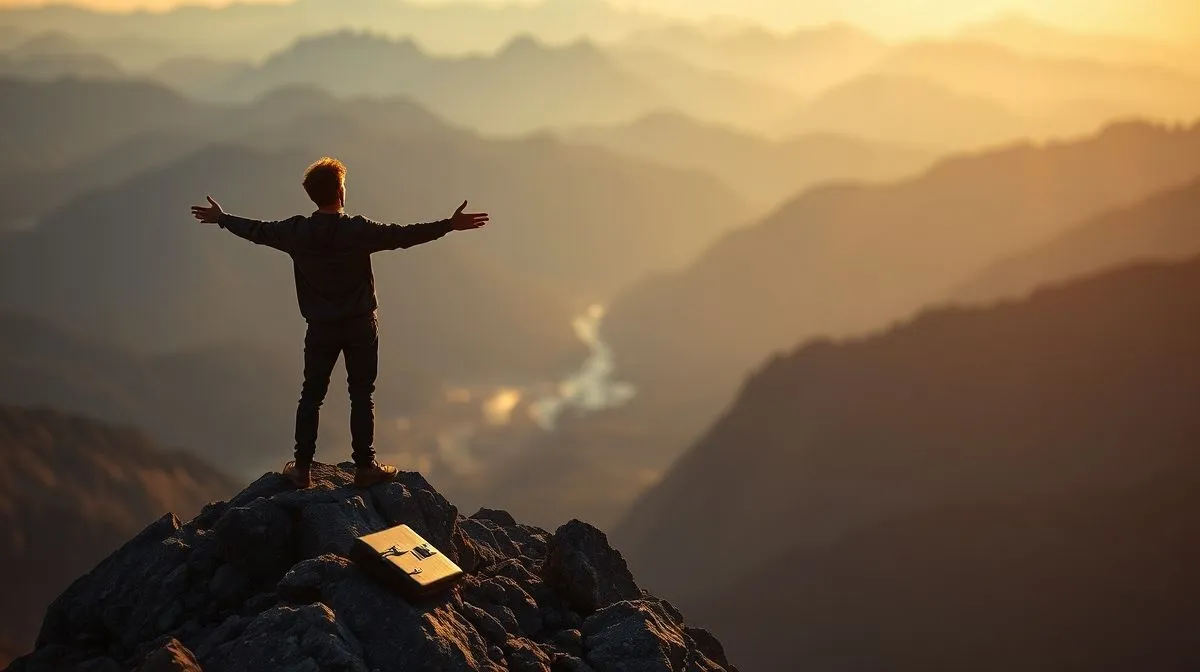
How to Escape Corporate Burnout via Solo Freedom Travel?
For over two decades navigating the intricate landscapes of both demanding corporate environments and the liberating open road, I've witnessed a quiet epidemic: the slow erosion of spirit known as corporate burnout. It's far more than mere fatigue; it's a systemic depletion of energy, engagement, and efficacy that can leave even the most driven professionals feeling hollowed out.
The relentless grind of deadlines, the pressure cooker of performance metrics, the constant connectivity that blurs the lines between work and life – these are the silent architects of modern professional suffering. You feel trapped, your creativity stifled, your very essence dimming under the weight of expectations. I've seen countless bright minds dim, their passion replaced by cynicism, their vibrant personalities dulled by the daily grind.
But there's a powerful antidote, a transformative path I've seen countless individuals embrace to reclaim their vitality: solo freedom travel. This isn't just a vacation; it's a strategic intervention for your soul, a deliberate act of self-reclamation. In this definitive guide, I'll share the frameworks, insights, and actionable steps to not just escape the burnout cycle, but to forge a new, empowered way of living – illustrating precisely how to escape corporate burnout via solo freedom travel.
Understanding the Burnout Beast: More Than Just Being Tired
Before we embark on the solution, it's crucial to truly understand the adversary. Corporate burnout, as defined by the World Health Organization (WHO), is an occupational phenomenon characterized by three dimensions: feelings of energy depletion or exhaustion; increased mental distance from one’s job, or feelings of negativism or cynicism related to one’s job; and reduced professional efficacy. It’s a chronic state, not just a bad week.
The insidious nature of burnout is that it often creeps up slowly. Initially, you might dismiss the signs: persistent fatigue, irritability, a cynical attitude towards work, difficulty concentrating, or even physical symptoms like headaches and stomach issues. Traditional short breaks or 'staycations' often fail because they don't address the root causes; they merely offer a temporary pause before the same stressors resume. You return, perhaps with a tan, but the underlying exhaustion and mental fatigue quickly resurface.
The unique power of solo freedom travel lies in its ability to provide a complete rupture from your daily routine and environment. It forces you into new situations, demands self-reliance, and most importantly, grants you the profound gift of uninterrupted time for self-reflection. Without the usual distractions and demands, your mind has the space to decompress, to process, and to heal. It’s a radical act of self-care that redefines your relationship with work and life.
Phase 1: The Pre-Departure Decompression – Preparing for Your Escape
Acknowledge & Accept: The First Step to Freedom
The journey to recovery begins with a courageous internal step: acknowledging the depth of your burnout and accepting that a significant change is necessary. This isn't weakness; it's self-awareness. Use a structured self-assessment to identify symptoms. Are you perpetually exhausted, even after sleep? Do you feel detached from your work or colleagues? Has your productivity plummeted despite longer hours? Be honest with yourself. This acceptance is the powerful catalyst that propels you towards action, enabling you to truly embark on how to escape corporate burnout via solo freedom travel.
Financial Fortification: Building Your Freedom Fund
A significant barrier for many is the perceived financial impossibility of a career break. However, solo travel doesn't demand millions. It requires strategic planning. Start by creating a detailed budget for your proposed travel period, accounting for flights, accommodation, food, activities, and a buffer for emergencies. Then, analyze your current spending habits. Even small cuts – daily coffees, unused subscriptions, impulse buys – can add up quickly. Explore options for passive income during your absence, or consider temporary remote work if your skills allow. Many travelers opt for slower, longer trips in more affordable regions, stretching their savings considerably. Key Insight: Solo travel doesn't have to break the bank; it's about smart planning and prioritizing freedom.
Logistical Liberation: Tying Up Loose Ends
Deciding whether to take a career break, sabbatical, or resign completely is a deeply personal choice. Research your company's sabbatical policy, if one exists. If you plan to resign, ensure you leave on good terms, offering ample notice and assisting with transition. Delegate responsibilities, automate recurring tasks where possible, and clearly communicate your absence to colleagues and clients. Prepare a detailed handover document. For personal logistics, set up automatic bill payments, arrange for mail forwarding or a trusted friend to collect it, and ensure pets are cared for. Cancel or pause unnecessary subscriptions. A meticulously planned departure minimizes stress and allows you to fully immerse yourself in your journey.
- Secure your finances: Build a travel fund and budget carefully.
- Inform your workplace: Discuss sabbatical options or plan a professional resignation.
- Automate life administration: Set up bill payments, mail management, and pet care.
- Pack smart: Less is more for solo travel flexibility.
- Get travel insurance: Non-negotiable for peace of mind.
Phase 2: Crafting Your Solo Journey – Intentional Exploration
Defining Your 'Why': Purpose-Driven Travel
This isn't just about escaping something; it's about moving towards something. What do you truly seek from this solo journey? Is it deep rest and rejuvenation, thrilling adventure, learning a new skill, cultural immersion, or profound self-discovery? Your 'why' will shape your destination and activities. Avoid the trap of simply hopping from one sight to another without introspection. As a seasoned traveler, I've learned that the most transformative journeys are those with an underlying purpose, even if that purpose evolves on the road. It’s about being present and allowing the experience to unfold.
"Travel is not always pretty. It is not always comfortable. Sometimes it hurts, it even breaks your heart. But that's okay. The journey changes you; it should change you. It leaves marks on your memory, on your consciousness, on your heart, and on your body. You take something with you. Hopefully, you leave something good behind." - Anthony Bourdain (adapted)
Choosing Your Destination Wisely: Beyond the Tourist Traps
The right destination can amplify your healing. Consider places known for tranquility, natural beauty, or rich cultural experiences that encourage introspection. Are you drawn to the quiet contemplation of mountain trails, the spiritual peace of ancient temples, or the vibrant energy of a new city? Safety is paramount for solo travelers, especially women; research local customs, transportation, and accommodation options thoroughly. Consider countries with established solo traveler infrastructure or those known for their welcoming locals. Budget will also play a role; Southeast Asia or parts of Central/South America often offer incredible experiences at a lower cost than Western Europe.
The Power of the Open-Ended Itinerary: Embracing Spontaneity
One of the most liberating aspects of solo freedom travel, especially after the rigid schedules of corporate life, is the ability to embrace spontaneity. Resist the urge to over-plan every single day. While a loose framework is helpful, allow for detours, unexpected connections, and days where you simply follow your intuition. This flexibility is a direct antidote to the structured, controlled environment you've left behind. It cultivates adaptability and allows for genuine discoveries that fixed itineraries often miss. It’s in these unplanned moments that true self-discovery often blossoms.
Phase 3: On The Road – Healing and Reconnection
Digital Detoxification: Unplugging to Reconnect
This is perhaps the most critical step in truly escaping burnout. Your corporate life likely involved constant digital connectivity. To heal, you must intentionally disconnect. Set clear boundaries for screen time – ideally, none for work. Consider leaving your work phone at home, or putting it in a drawer and only checking it once a week for emergencies. Embrace the discomfort of boredom; it's in these quiet moments that creativity and clarity return. Instead of scrolling, pick up a book, journal your thoughts, or simply observe the world around you. This intentional unplugging allows your nervous system to reset and your mind to truly wander freely.
- Leave work devices behind: This is non-negotiable for a true break.
- Designate 'no-screen' hours: Commit to specific times daily (e.g., mornings, evenings) with no digital devices.
- Embrace alternative activities: Journaling, reading, drawing, or simply observing.
- Limit social media: Focus on being present, not documenting for others.
Embracing Discomfort: Growth Beyond the Comfort Zone
Solo travel is not always easy. There will be moments of loneliness, confusion, and discomfort. Your flight might be delayed, you might get lost, or language barriers could be frustrating. These challenges, however, are precisely where profound growth occurs. When faced with a problem, there's no colleague or team to rely on; you must find the solution yourself. This builds immense resilience, problem-solving skills, and self-trust – qualities often dulled by overly structured corporate environments. Embrace these moments as opportunities to expand your comfort zone, knowing that each overcome obstacle makes you stronger and more self-reliant.
Case Study: Eleanor's Transformative Trek
Eleanor, a 38-year-old marketing executive from New York, found herself utterly depleted after a decade in a high-pressure tech firm. She was working 70-hour weeks, constantly on call, and felt a profound sense of emptiness despite her professional success. Recognizing the severe burnout, she decided to take a six-month solo sabbatical, choosing to backpack through Patagonia and then volunteer at a wildlife sanctuary in Costa Rica. Initially, Eleanor grappled with intense anxiety about being alone and disconnected. However, as she embraced the solitude of the Patagonian trails, the raw beauty of nature, and the simple rhythm of daily life at the sanctuary, she began to shed the layers of corporate stress. She learned to navigate unfamiliar terrains, communicate in Spanish, and rediscovered the joy of physical exertion and purpose-driven work. By the end of her journey, Eleanor didn't just feel rested; she felt fundamentally transformed. She returned with a renewed sense of purpose, confidence in her own capabilities, and a crystal-clear understanding that her well-being was non-negotiable. She ultimately transitioned to a consulting role that allowed her more flexibility and balance, a direct result of the clarity gained on her solo journey.
Mindful Engagement: Savoring Every Moment
In the corporate world, we're often rushing from one task to the next, rarely fully present. Solo travel offers a chance to practice mindfulness. Engage your senses fully in every experience: the taste of local street food, the sound of a bustling market, the smell of fresh rain, the feel of warm sand. Practice slow travel, allowing yourself to linger in places that resonate with you. Instead of ticking off a list of tourist attractions, seek out local interactions, learn a few phrases of the language, or spend an afternoon simply observing daily life. This mindful presence is a powerful antidote to the frantic pace of burnout, allowing you to truly internalize the healing and joy of your journey.
Phase 4: The Return – Integrating Your New Self
Re-Entry Shock: Navigating the Transition Back
Returning from a transformative solo journey can be surprisingly challenging. You've changed, but your old environment largely hasn't. This can lead to a sense of 're-entry shock.' Anticipate this. Give yourself time to readjust. Don't immediately dive back into your old habits or work demands. Maintain the boundaries you established during your travel: prioritize self-care, schedule downtime, and continue your digital detox practices where possible. Recognize that your perspective has broadened, and some aspects of your old life may no longer align with your renewed values.
Sustaining the Solo Spirit: Long-Term Well-being
The goal isn't just to escape burnout temporarily, but to build a more sustainable life. How can you integrate the lessons and spirit of your solo journey into your daily routine? Continue practicing mindfulness, perhaps through meditation or spending time in nature. Maintain your newfound adaptability and problem-solving skills. Re-evaluate your career path: does it still serve your purpose? Many who take such breaks return with a clear vision for a more fulfilling career or a better work-life balance. According to a study published in the Journal of Personality and Social Psychology, immersive travel experiences can significantly boost creativity and problem-solving skills, directly benefiting your professional life upon return.
The New You: A Reimagined Future
Solo freedom travel is not merely an escape; it is a profound journey of self-discovery and empowerment. You will return not as the burned-out individual who left, but as someone more resilient, more self-aware, and more deeply connected to their own needs and desires. You've navigated the world on your own terms, trusted your instincts, and found strength you didn't know you possessed. This newfound confidence and clarity will empower you to make choices that align with your authentic self, whether that means negotiating a different role, changing careers entirely, or simply approaching your existing life with a refreshed perspective and renewed boundaries.
Frequently Asked Questions (FAQ)
Q: Is solo travel truly safe for everyone, especially women? A: While safety is always a primary concern, with proper planning and awareness, solo travel can be incredibly safe and empowering for anyone, including women. Research your destinations thoroughly, paying attention to local customs, transportation, and safe accommodation options. Share your itinerary with trusted contacts, invest in a comprehensive travel insurance policy, and most importantly, trust your intuition. Many destinations worldwide, such as Iceland, New Zealand, and parts of Southeast Asia, are renowned for being exceptionally friendly and secure for solo female travelers. Being prepared and vigilant significantly reduces risks.
Q: How do I handle potential loneliness on a solo trip? A: Loneliness is a common apprehension, but it's often overestimated. Solo travel offers profound moments of self-reflection and unparalleled freedom. To mitigate potential loneliness, consider staying in social accommodations like hostels with common areas, joining local tours or workshops (e.g., cooking classes, language schools), or using reputable apps designed for traveler meetups. Remember, solitude is not loneliness; it's an opportunity for deep introspection and personal growth. Embrace these quiet moments as a chance to reconnect with yourself, something often lost in the noise of daily life.
Q: What if I can't afford a long career break? Are shorter trips effective? A: Absolutely. While a long sabbatical offers deep immersion, even shorter, intentional solo trips can be incredibly effective in combating burnout. The key is the intentionality: completely unplugging from work, focusing entirely on self-care, and breaking your routine. Even a weekend solo retreat to a nearby natural area or a quiet town can offer significant mental resets. Consider 'micro-adventures' or 'staycations' where you explore your own city as a tourist, free from daily obligations. The duration is less critical than the deliberate detachment and focus on your well-being.
Q: How do I explain a career break to future employers? A: Frame your solo travel experience as a period of intentional personal and professional development. Highlight the invaluable skills you gained: adaptability, resilience, problem-solving under pressure, cultural intelligence, improved communication, independence, and heightened self-awareness. Many progressive employers now view such breaks positively, recognizing the value of a refreshed, more experienced, and globally-minded individual. Be confident and articulate the benefits it brought to you, emphasizing how these newly honed skills make you an even stronger candidate.
Q: What's the biggest mistake people make when using solo travel to escape burnout? A: The biggest mistake is treating it like just another vacation or, worse, bringing their work habits with them. If you're constantly checking emails, over-scheduling every minute, or only seeking external validation through social media likes, you miss the core therapeutic benefits. The goal is internal recalibration and healing, not just a change of scenery or a photo opportunity. The most profound shifts occur when you allow yourself to be truly present, mindful, and prioritize self-discovery over external achievements or obligations.
Recommended Reading
- Unveiling the Secret: How Geodomes Conquer Extreme Weather for Glamping
- Reduce Travel Carbon Footprint Responsibly: The Ultimate Guide
- The Ultimate Guide: How to Plan a National Park Trip with Toddlers Successfully
- The Ultimate Guide: How to Stay Safe at Multi-Day Dance Festivals
- Unveiling the Truth: How Safe Are Private Space Tourism Rocket Launches?
Key Takeaways and Final Thoughts
- Burnout is a serious condition, but solo freedom travel offers a potent, transformative remedy that goes beyond a mere vacation.
- Thorough preparation – financial, logistical, and mental – is crucial for a successful and stress-free escape.
- Intentionality and mindful engagement during your journey amplify its healing power, allowing you to truly disconnect and reconnect with yourself.
- The return is not an end, but a new beginning; integrate your newfound self into your daily life by setting boundaries and re-evaluating priorities.
- Solo travel cultivates unparalleled resilience, fosters profound self-discovery, and helps you define a more authentic and purposeful life.
As someone who has walked this path and guided countless others through it, I can assure you: the freedom you seek is within reach. Solo travel isn't just about seeing the world; it's about seeing yourself anew, beyond the confines of corporate expectations and the demands of modern life. It's a profound investment in your mental well-being, your creative spirit, and ultimately, your truest life. Dare to embark on this journey. Your spirit is waiting to be reclaimed.


Your email address will not be published. Required fields are marked *