

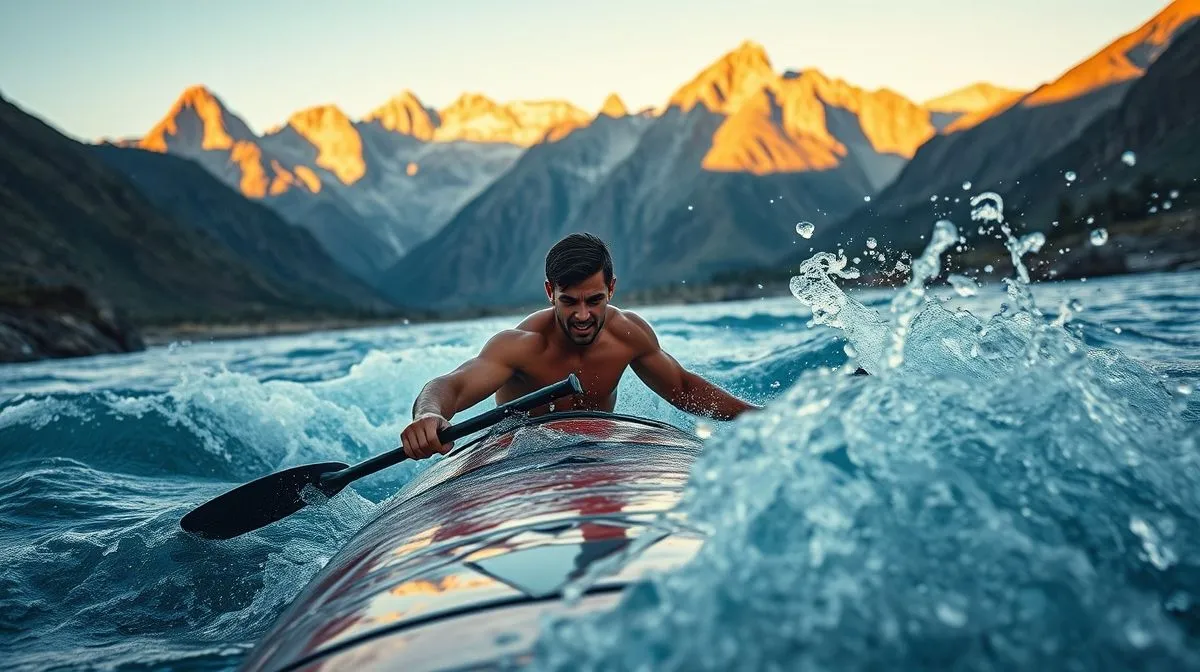
Mastering the Wilderness: How to Train for Extreme Kayaking Expedition Travel
Have you ever stood at the edge of a wild, untamed river, or gazed across a vast, remote lake, and felt an irresistible pull? That whisper of adventure, the call to push beyond the familiar and immerse yourself in the raw beauty of nature? For many, this translates into the ultimate challenge: an extreme kayaking expedition. It’s more than just paddling; it’s a profound journey of self-discovery, resilience, and unparalleled connection with the natural world.
But embarking on such an epic voyage isn't a casual undertaking. It demands meticulous preparation, a deep understanding of the elements, and an unyielding spirit. The question isn't just "Can I do it?" but "How do I truly prepare for the physical, mental, and logistical gauntlet that an extreme kayaking expedition presents?"
This comprehensive guide will demystify the rigorous process of how to train for extreme kayaking expedition travel. We will delve into every facet, from building an ironclad physique and cultivating unbreakable mental fortitude, to mastering critical technical skills and ensuring your gear is expedition-ready. By the end of this reading, you'll possess a clear roadmap to transform your aspiration into an achievable, unforgettable reality.
The Pinnacle of Physical Preparedness
An extreme kayaking expedition is a marathon, not a sprint. Your body will be your most crucial piece of equipment, and it must be conditioned to endure sustained effort, harsh conditions, and unexpected challenges. This goes far beyond just paddling a few times a week.
Endurance: The Engine of Your Expedition
The ability to paddle for hours, day after day, relies heavily on your aerobic capacity. This is the foundation upon which all other physical attributes are built.
- Long-Duration Cardio: Incorporate activities like running, cycling, swimming, and, of course, paddling, for extended periods. Focus on maintaining a steady, moderate heart rate.
- Progressive Overload: Gradually increase the duration and intensity of your training sessions. If you can paddle for an hour comfortably, aim for 90 minutes next week, then two hours.
- Specificity: While cross-training is vital, nothing replaces time in the kayak. Simulate expedition days by paddling for several hours, carrying a loaded boat if possible.
Strength: Powering Through Adversity
Expedition kayaking demands functional strength, particularly in your core, upper back, shoulders, and grip. This strength isn't just for propulsion; it's for bracing against waves, lifting heavy gear, and performing rescues.
- Core Stability: Planks, Russian twists, leg raises, and stability ball exercises are paramount. A strong core connects your upper and lower body, transferring power efficiently.
- Upper Body Dominance: Focus on pulling movements like pull-ups, seated rows, and bent-over rows. Push-ups and overhead presses will build shoulder and chest strength.
- Grip Strength: Incorporate exercises like dead hangs, farmer's carries, and using thicker grips on dumbbells or barbells. Your hands will take a beating.
- Leg Power: Don't neglect your legs! Squats, lunges, and step-ups are crucial for portages, launching, and landing.
Flexibility and Mobility: Preventing Injury
Repetitive paddling motions and prolonged sitting in a kayak can lead to stiffness and injury. Maintaining good flexibility and mobility is key to longevity on the water.
- Dynamic Warm-ups: Before each session, perform arm circles, torso twists, and leg swings to prepare your muscles and joints.
- Static Stretching: After training, focus on stretching your shoulders, chest, lats, hip flexors, and hamstrings. Hold each stretch for 20-30 seconds.
- Yoga or Pilates: These practices significantly improve core strength, flexibility, and body awareness, all of which are highly beneficial for kayakers.
Cultivating Mental Fortitude and Resilience
Physical preparation is only half the battle. The mental demands of an extreme kayaking expedition can be even more challenging than the physical ones. You'll face isolation, monotony, fear, and unexpected obstacles.
Embracing Discomfort and Uncertainty
Expeditions are rarely comfortable. Learning to accept and even embrace discomfort is a vital mental skill.
- Controlled Exposure: Gradually expose yourself to uncomfortable situations during training, such as paddling in adverse weather, or spending a night out in less-than-ideal conditions.
- Visualization: Regularly visualize challenging scenarios on your trip and how you would calmly and effectively respond.
- Mindfulness: Practice staying present and observing your thoughts and emotions without judgment. This helps prevent spiraling into negative thought patterns.
Decision-Making Under Pressure
On an expedition, quick, sound decisions can mean the difference between success and disaster. Fatigue, cold, and stress can impair judgment.
- Scenario Planning: Discuss potential emergencies with your team (if applicable) and walk through response plans.
- Simulated Stress: During training, introduce elements of stress – e.g., a simulated gear failure or a navigational challenge – to practice calm problem-solving.
- Risk Assessment: Develop a systematic approach to evaluating risks and making informed choices, rather than reacting impulsively.
The Power of Perseverance
Long expeditions are a test of will. There will be days when you want to quit. Perseverance is about pushing through those moments.
- Set Small Goals: Break down the expedition into manageable segments. Focus on completing the next hour, or reaching the next landmark.
- Positive Self-Talk: Challenge negative thoughts and replace them with affirmations. Remind yourself of your strength and preparation.
- Reflect on Past Successes: Remember previous challenges you've overcome. This reinforces your belief in your own capabilities.
Technical Skills: Beyond Just Paddling
While physical fitness is crucial, technical proficiency ensures efficiency, safety, and enjoyment on the water. You need to be a skilled paddler, a competent navigator, and a responsible wilderness traveler.
Advanced Paddling Techniques
Beyond the basic forward stroke, you'll need a repertoire of moves for varied conditions.
- Efficient Forward Stroke: Focus on rotation, engaging your core, and a strong catch. This conserves energy over long distances.
- Bracing: Learn low and high braces to prevent capsizing in turbulent water or waves. This is a fundamental safety skill.
- Rolling: The ability to self-rescue by rolling your kayak back upright is non-negotiable for extreme expeditions, especially in cold water or remote locations. Practice this until it's second nature.
- Maneuvering Strokes: Master rudder strokes, draw strokes, and sweep strokes for precise control in tight spots or strong currents.
For more detailed instruction on paddling techniques and safety, consult resources from organizations like the American Canoe Association (ACA), which offers certified courses and extensive guides.
Navigation and Route Planning
Knowing where you are, where you're going, and how to get there safely is paramount. Relying solely on GPS can be dangerous if batteries die or signals are lost.
- Map and Compass Skills: Learn to read topographic maps, plot bearings, and orient yourself without electronic aids.
- GPS Proficiency: Understand how to use your GPS device for tracking, waypoints, and emergency navigation. Always carry spare batteries.
- Understanding Water Dynamics: Learn about river hydrology, tidal patterns, wind effects on water, and how these influence your route and safety.
- Weather Interpretation: Be able to read weather patterns and forecasts to make informed decisions about when and where to paddle.
Wilderness First Aid and Emergency Protocols
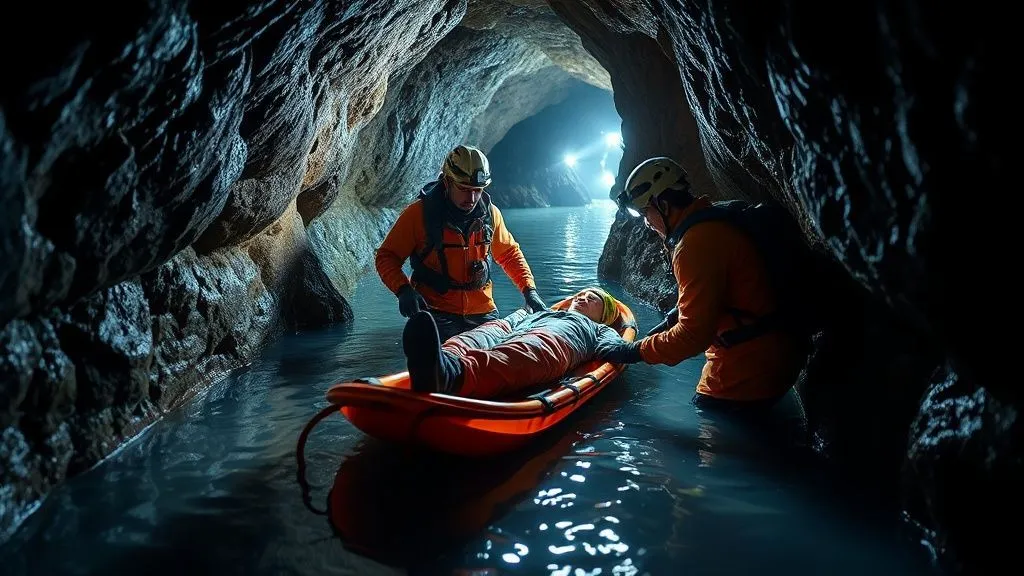
In remote areas, professional medical help can be hours or days away. You must be prepared to handle medical emergencies yourself.
- WFR/WFA Certification: Obtain a Wilderness First Responder (WFR) or Wilderness First Aid (WFA) certification. These courses teach you how to assess and treat injuries and illnesses in remote settings. Organizations like NOLS Wilderness Medicine offer excellent programs.
- Common Expedition Ailments: Understand how to prevent and treat hypothermia, hyperthermia, dehydration, blisters, sprains, and cuts.
- Emergency Communication: Carry a satellite phone or satellite messenger (e.g., InReach, Spot) and know how to use it for emergency contact.
Gear & Logistics: The Expedition's Backbone
Your equipment is your lifeline. Choosing, packing, and maintaining it correctly is as crucial as your physical training. Every item must serve a purpose and be reliable.
Choosing the Right Kayak and Paddle
Not all kayaks are created equal for expedition travel. Your choice will depend on the type of water and duration of your trip.
- Expedition Sea Kayaks: These are long, stable, and have ample storage capacity for multi-day trips. They track well in open water and handle waves effectively.
- Whitewater Kayaks: If your expedition involves significant whitewater, a sturdy, maneuverable whitewater boat is necessary, though storage will be limited.
- Paddle Selection: Choose a durable, lightweight paddle appropriate for your body size and paddling style. Consider a spare paddle, disassembled and stored securely.
Essential Expedition Gear
Beyond the kayak itself, a comprehensive gear list is vital. Every item should be high-quality and tested before the trip.
- Shelter: A durable, waterproof tent suitable for the expected conditions.
- Sleeping System: Sleeping bag and pad rated for the coldest expected temperatures.
- Cooking System: Lightweight stove, fuel, pots, and utensils.
- Water Purification: Filters, purifiers, or chemical treatments. Redundancy here is key.
- Navigation Tools: Waterproof maps, compass, GPS, satellite messenger.
- Safety Gear: PFD (personal flotation device), helmet (if applicable), throw bag, repair kit, first aid kit, signaling devices.
- Clothing: Layers of quick-drying, synthetic or wool clothing. Avoid cotton. Dry suit or wetsuit for cold water.
Nutrition and Hydration Strategies
Your body will be burning thousands of calories daily. Proper fueling is critical for sustained performance and recovery.
- Calorie-Dense Foods: Pack foods that offer maximum calories for minimal weight and volume. Nuts, dried fruits, energy bars, dehydrated meals, and jerky are excellent choices.
- Electrolyte Balance: Replenish electrolytes lost through sweat. Sports drinks or electrolyte tablets are important, especially in hot conditions.
- Water Management: Plan your water sources carefully. Know how much water you need daily and ensure your purification methods are reliable and efficient.
Common Mistakes to Avoid in Expedition Training
When you embark on how to train for extreme kayaking expedition travel, it's easy to fall into common pitfalls that can compromise your readiness or even your safety. Being aware of these can save you significant trouble.
Overlooking Mental Preparation
Many aspiring expedition kayakers focus solely on physical training, neglecting the mental aspect. The mind often gives up before the body does. Without mental resilience, even the fittest individual can struggle with the isolation, monotony, and unexpected challenges of a long trip.
Neglecting Injury Prevention
Pushing hard is important, but ignoring aches, pains, or improper form can lead to debilitating injuries that derail your training or, worse, your expedition. Listen to your body, prioritize rest and recovery, and address any issues promptly.
Insufficient Real-World Simulation
Training only in a gym or on calm, familiar waters won't prepare you for the realities of an expedition. You need to train in varied conditions, test your gear in adverse weather, and practice skills under stress. This includes multi-day training trips with full gear loads.
Underestimating Logistics and Planning
Some adventurers are brilliant paddlers but poor planners. An expedition requires meticulous attention to detail regarding food, water, navigation, communication, and emergency protocols. Neglecting these aspects can lead to serious consequences. Consider principles from organizations like the Leave No Trace Center for Outdoor Ethics for responsible planning.
Building Your Expedition Team (If Applicable)
While solo expeditions are possible, many extreme kayaking adventures are undertaken with a team. The dynamics of your group can make or break the experience.
The Importance of Compatibility and Trust
Choose partners with complementary skills, similar risk tolerances, and, most importantly, compatible personalities. Living in close quarters under stressful conditions can test even the strongest relationships. Trust is paramount.
- Pre-Trip Compatibility Test: Go on shorter trips together, simulate challenging scenarios, and openly discuss expectations and concerns.
- Defined Roles: Clearly define roles and responsibilities within the team (e.g., navigator, medic, cook) to avoid confusion and ensure efficiency.
- Conflict Resolution: Establish ground rules for communication and conflict resolution before you depart.
Frequently Asked Questions (FAQ)
How long should I train for an extreme kayaking expedition? The duration depends on your current fitness level and the expedition's demands, but a minimum of 6-12 months of dedicated, progressive training is recommended for most extreme trips. For longer, more remote expeditions, 1-2 years is not uncommon.
What's the most important physical attribute for expedition kayaking? While all aspects of fitness are important, endurance (aerobic capacity) is arguably the most critical. The ability to sustain effort for long periods, day after day, is fundamental to covering distances and recovering for the next day's paddle.
Can I train for an expedition if I don't live near water? Absolutely. While on-water training is ideal, you can build significant physical readiness through cross-training activities like running, cycling, swimming, and strength training. Focus on exercises that mimic paddling motions and build core strength. Plan dedicated trips to water bodies for skill practice.
What kind of first aid kit is essential? You'll need a comprehensive wilderness first aid kit tailored to the remoteness and duration of your trip. It should include supplies for wound care, blisters, sprains, pain relief, allergic reactions, and personal medications. Crucially, know how to use everything in it.
How do I manage fear during an extreme kayaking trip? Fear is a natural response to challenging situations. Manage it by focusing on what you can control: your skills, your preparation, and your immediate actions. Break down overwhelming situations into smaller, manageable steps. Practice mindfulness, deep breathing, and positive self-talk. Remember your training and trust your abilities.
Recommended Reading
- Wheelchair Friendly Museums Near Me? Your Ultimate Accessibility Guide
- The Ultimate Guide: What to Pack for Baby's First International Trip
- Unlock the Secrets: Your Ultimate Guide to Sustainable Volunteer Trips
- Unraveling India's Culinary Tapestry: How Regional Indian Curries Differ by State
- Epic Family Friendly National Park Road Trips USA: Your Ultimate Guide
Conclusion
Embarking on an extreme kayaking expedition is a monumental undertaking, but one that promises unparalleled rewards. The journey of how to train for extreme kayaking expedition travel is a holistic one, demanding not just physical prowess but also unwavering mental fortitude, refined technical skills, and meticulous logistical planning. By committing to a comprehensive training regimen, embracing discomfort, and continuously honing your abilities, you transform from an aspiring adventurer into a capable explorer. The wild waterways await, ready to challenge and inspire you, and with the right preparation, you'll be ready to answer their call.

Your email address will not be published. Required fields are marked *