

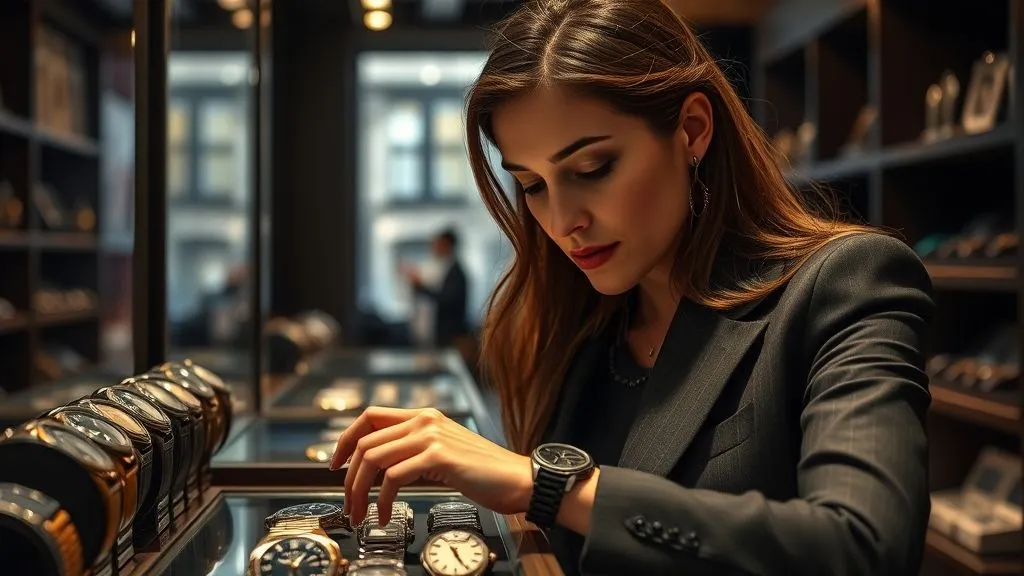
How to find rare luxury goods while traveling for business?
For over two decades in the luxury goods and travel industry, I've witnessed countless executives miss incredible opportunities to acquire unique and valuable items while on business trips. They're often so focused on meetings and deadlines that they overlook the hidden gems waiting to be discovered in the cities they visit.
The problem is that finding rare luxury goods isn't about popping into the nearest department store. It requires a strategic approach, insider knowledge, and a willingness to deviate from the typical tourist trail. It means knowing where to look, who to talk to, and how to authenticate what you find.
In this guide, I'll share my insider strategies for sourcing rare luxury goods while traveling for business. You'll learn how to identify promising locations, network with local experts, negotiate like a pro, and ensure the authenticity of your acquisitions. By the end, you'll have a framework for turning your business trips into rewarding treasure hunts.
1. Pre-Trip Research: Laying the Groundwork for Success
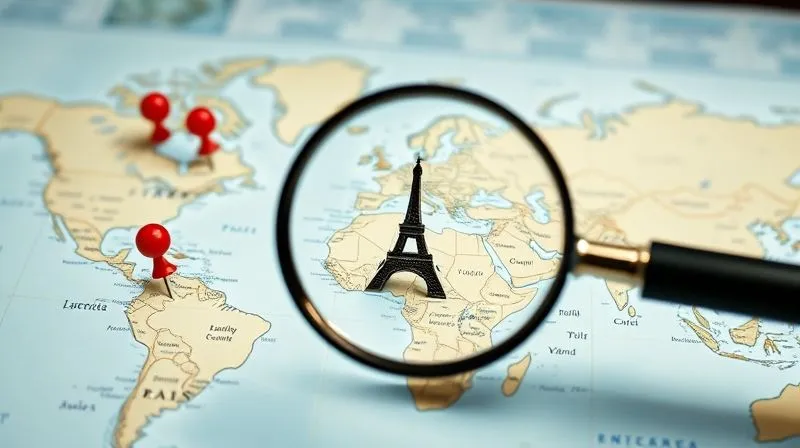
Before you even pack your suitcase, dedicate time to researching your destination. Don't just look at tourist guides; delve into local art and antique publications, auction house listings, and collector forums. The more you know beforehand, the better equipped you'll be to identify potential opportunities.
Start by identifying the types of luxury goods that are particularly prominent or historically significant in your destination. For example, if you're traveling to Florence, Italy, you might focus on leather goods or Renaissance art. If you're heading to Tokyo, consider vintage watches or traditional crafts.
Next, research specific neighborhoods or districts known for their concentrations of antique shops, art galleries, and specialty boutiques. Look for areas with a long history of craftsmanship or a strong local collector base. Online forums and local guides can be invaluable resources for uncovering hidden gems.
2. Building Your Local Network: The Power of Connections
One of the most effective ways to find rare luxury goods is to tap into the local network of collectors, dealers, and experts. These individuals often have access to items that are not publicly available, and they can provide invaluable insights into the local market.
Start by contacting local auction houses and art galleries. Introduce yourself and explain your interests. Attend auctions and openings to meet other collectors and dealers. Don't be afraid to ask for recommendations or referrals.
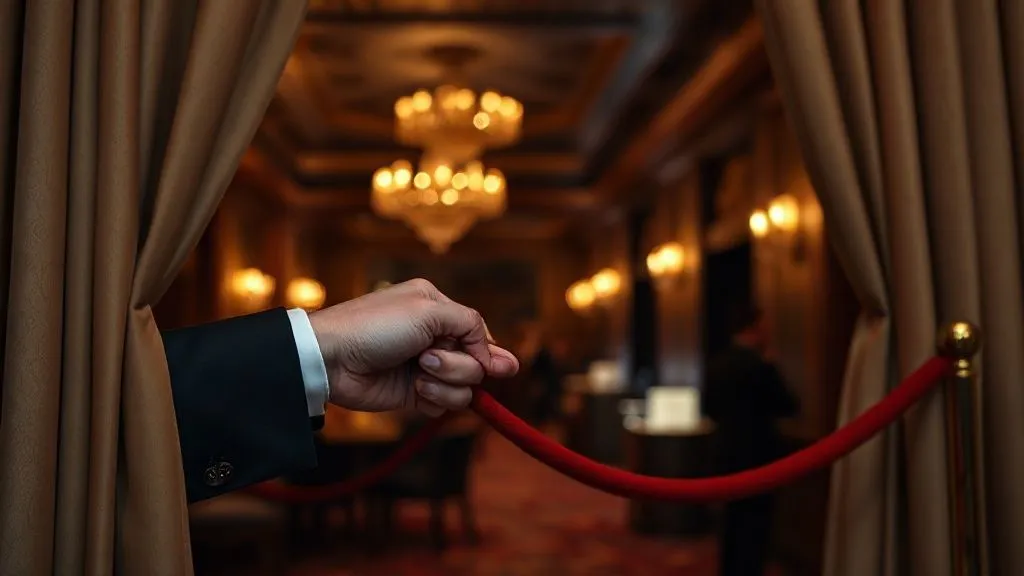
Another valuable resource is hotel concierge services. High-end hotels often have established relationships with local experts and can arrange private viewings or introductions. Be sure to leverage this resource to gain access to exclusive opportunities.
Remember: Building trust is essential. Be respectful, professional, and genuinely interested in learning from the local experts. The stronger your network, the greater your chances of uncovering rare and valuable items.
3. Authenticating Your Finds: Due Diligence is Key
When dealing with rare luxury goods, authenticity is paramount. Before making any purchase, it's crucial to thoroughly authenticate the item and verify its provenance. This requires a combination of expert knowledge, careful examination, and professional appraisal.
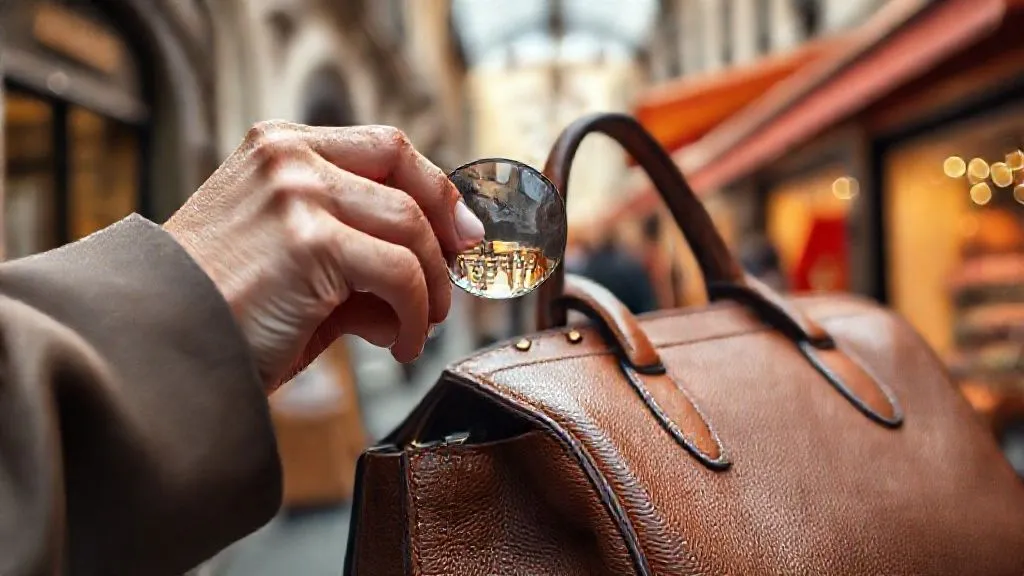
Start by examining the item yourself. Look for hallmarks, signatures, and other identifying marks. Compare the item to known examples in reference books or online databases. Pay close attention to the quality of the materials and the craftsmanship.
Next, consult with a qualified appraiser or authenticator. These professionals have the expertise and experience to identify fakes and assess the value of genuine items. Be sure to choose an appraiser who specializes in the type of luxury good you're interested in.
Case Study: The Counterfeit Hermès Scarf
John, a seasoned executive, almost made a costly mistake while in Milan. He found what appeared to be a vintage Hermès scarf at a small boutique, priced significantly below market value. Intrigued, he nearly purchased it, but a gut feeling urged him to seek a second opinion. He contacted a local textile expert recommended by his hotel concierge. The expert quickly identified the scarf as a high-quality counterfeit, saving John thousands of dollars. This highlights the importance of due diligence and expert authentication.
According to a study by the OECD, counterfeiting costs the global economy billions of dollars each year. Don't become a statistic. Always authenticate your finds before making a purchase.
4. Negotiation Strategies: Getting the Best Deal
Negotiation is an essential skill for anyone looking to acquire rare luxury goods. Whether you're dealing with a private seller, an auction house, or a boutique owner, the ability to negotiate effectively can save you significant money.
Before you start negotiating, research the market value of the item you're interested in. Look at recent auction results, online listings, and comparable sales. This will give you a solid understanding of what the item is worth and what you should be willing to pay.
When you make an offer, start slightly below your target price. Be prepared to justify your offer with evidence of comparable sales or perceived flaws in the item. Be polite but firm, and don't be afraid to walk away if the seller is unwilling to negotiate.
Pro Tip: Cash is often king. Offering to pay in cash can give you significant leverage in negotiations, especially with private sellers.
| Negotiation Tactic | Description |
|---|---|
| Research Market Value | Understand the fair price before making an offer. |
| Start Below Target | Leave room for negotiation and counteroffers. |
| Justify Your Offer | Provide evidence to support your proposed price. |
| Be Prepared to Walk Away | Don't overpay due to emotional attachment. |
5. Leveraging Technology: Online Resources and Tools
In today's digital age, technology can be a powerful ally in your quest for rare luxury goods. Online auction platforms, collector forums, and appraisal services can provide valuable information and access to a global network of buyers and sellers.
Websites like Christie's and Sotheby's offer online auctions and private sales of high-end luxury goods. These platforms provide detailed descriptions, photographs, and condition reports, allowing you to bid with confidence from anywhere in the world.
Collector forums and online communities can be invaluable resources for connecting with other collectors, sharing information, and uncovering hidden gems. Websites like Reddit and specialized forums often have dedicated sections for specific types of luxury goods.
Online appraisal services can provide preliminary valuations and authentication services. While these services are not a substitute for a professional appraisal, they can be a useful tool for screening potential purchases.
6. Shipping and Insurance: Protecting Your Investment
Once you've acquired a rare luxury good, it's crucial to ensure its safe and secure transport to your home or office. This requires careful planning, professional packaging, and adequate insurance coverage.
Work with a reputable shipping company that specializes in handling fragile and valuable items. These companies have the expertise and equipment to properly pack and transport your goods, minimizing the risk of damage or loss.
Obtain adequate insurance coverage to protect your investment against theft, damage, or loss during transit. Be sure to declare the full value of the item to ensure that you're fully covered in the event of a claim.
Important: Document the condition of the item before it's shipped. Take photographs and videos of the item from all angles, and keep a detailed record of any existing flaws or damage. This will be essential in the event of a claim.
7. Tax and Legal Considerations: Navigating the Fine Print
When acquiring luxury goods abroad, it's essential to be aware of the tax and legal implications. Depending on the country you're visiting and the value of the items you're purchasing, you may be subject to import duties, taxes, and other regulations.
Consult with a tax advisor or customs broker to understand the specific requirements for your situation. Be sure to declare all your purchases to customs officials and pay any applicable duties and taxes.
Also, be aware of any restrictions on the export of certain items. Some countries have laws that prohibit the export of cultural artifacts or endangered species. Violating these laws can result in fines, imprisonment, or the confiscation of your goods.
As Seth Godin often says, "Marketing is no longer about the stuff that you make, but about the stories you tell." Ensure the story of your acquisition is a legal and ethical one.
8. Maintaining Your Collection: Preserving Value Over Time
Once you've built a collection of rare luxury goods, it's important to properly maintain them to preserve their value over time. This requires careful storage, regular cleaning, and periodic professional servicing.
Store your items in a cool, dry, and secure location. Avoid exposure to direct sunlight, extreme temperatures, or humidity, as these can damage delicate materials.
Clean your items regularly using appropriate cleaning products and techniques. Consult with a professional conservator for guidance on the best methods for cleaning and preserving specific types of luxury goods.
Have your items professionally serviced on a regular basis. This is especially important for watches, jewelry, and other mechanical items. Regular servicing can prevent minor problems from turning into major repairs, preserving the value of your collection.
Frequently Asked Questions (FAQ)
What are the best cities for finding rare vintage watches? Geneva, London, and New York are renowned for their vintage watch markets. These cities have a long history of watchmaking and a strong collector base. Look for specialized boutiques, auction houses, and watch fairs.
How can I verify the provenance of an antique piece of furniture? Provenance is the documented history of ownership of an item. To verify the provenance of an antique piece of furniture, start by examining the item for labels, stamps, or signatures. Consult with a furniture expert or antique appraiser who can research the item's history and provide a certificate of authenticity.
What are the risks of buying luxury goods online? The primary risks of buying luxury goods online are counterfeiting, misrepresentation, and fraud. To mitigate these risks, only purchase from reputable sellers with a proven track record. Examine the item carefully before making a purchase, and be sure to obtain a certificate of authenticity from a qualified appraiser.
How can I protect my luxury goods collection from theft? Protect your luxury goods collection from theft by storing your items in a secure location, such as a safe or vault. Install a home security system with alarm monitoring and surveillance cameras. Insure your collection against theft and damage. Consider storing high-value items in a bank safe deposit box.
What is the best way to transport a valuable piece of art internationally? The best way to transport a valuable piece of art internationally is to work with a reputable art shipping company. These companies have the expertise and equipment to properly pack and transport your artwork, minimizing the risk of damage or loss. Obtain adequate insurance coverage to protect your investment against theft, damage, or loss during transit.
Recommended Reading
- Unveiling the Secret: How Geodomes Conquer Extreme Weather for Glamping
- 7 Proven Strategies: Maximize Your Luxury Glamping Investment Returns
- Unveiling the Hidden Health Effects of Private Space Travel: Are You Ready?
- 7 Proven Strategies for Battling Burnout on Cross-Country Road Trips
- The Ultimate Guide: How to Plan Bespoke Luxury Travel Experiences
Main Points and Final Considerations
- Thorough pre-trip research is essential for identifying potential opportunities.
- Building a local network of collectors and dealers can provide access to exclusive items.
- Authenticating your finds is crucial to avoid purchasing counterfeits.
- Negotiation skills can help you get the best deal on rare luxury goods.
- Technology can be a powerful tool for researching, buying, and selling luxury goods.
Finding rare luxury goods while traveling for business can be a rewarding experience, both personally and professionally. By following these strategies and exercising due diligence, you can build a collection of unique and valuable items that will bring you joy for years to come. Embrace the journey, explore the hidden gems of each destination, and remember that the thrill of the hunt is often as rewarding as the acquisition itself.


Your email address will not be published. Required fields are marked *