

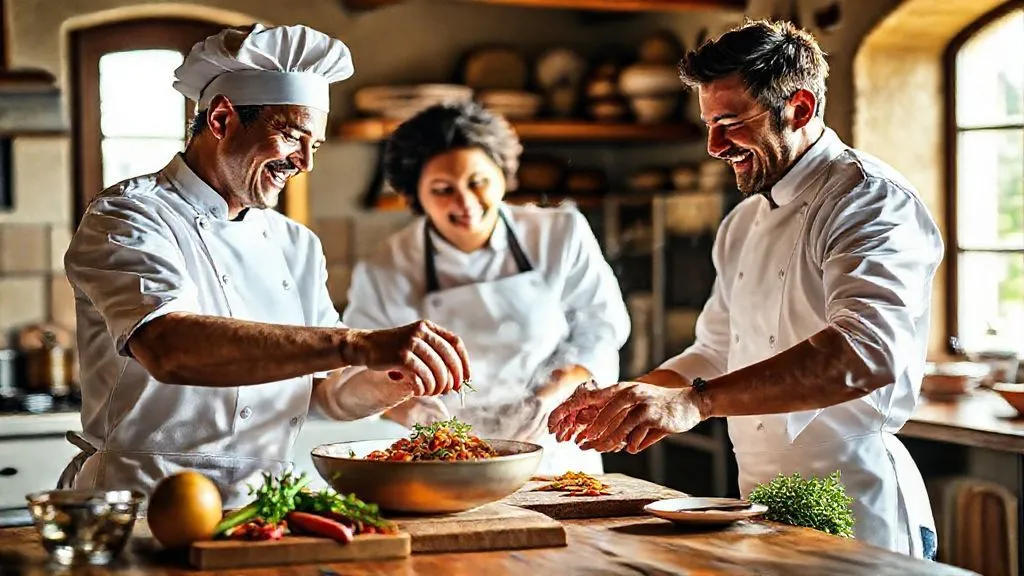
How to find truly immersive cooking classes for exclusive client trips?
For over 15 years in the high-end food travel sector, I've witnessed firsthand the transformation that a truly exceptional culinary experience can bring to client relationships. What I've also observed, countless times, is the missed opportunity when companies settle for generic, tourist-trap cooking classes that barely scratch the surface of local cuisine and culture. These often fall flat, failing to create the lasting impression discerning clients expect.
The core problem, as I see it, is a fundamental misunderstanding of what 'immersive' and 'exclusive' truly mean in the context of a client trip. It's not just about cooking a dish; it's about the story, the connection, the cultural deep-dive, and the unparalleled access that turns a simple activity into a profound memory. Many believe that a quick Google search or a standard travel agent will uncover these gems, but the reality is far more nuanced, requiring a specialist's touch.
This guide will cut through the noise, providing you with a definitive framework to unearth and secure cooking classes that are genuinely immersive and exclusive. I'll share my proven strategies, from defining your criteria to vetting potential partners and designing an experience that speaks volumes about your commitment to your clients. Prepare to elevate your client trips from memorable to truly unforgettable.
Defining 'Immersive' and 'Exclusive' for Discerning Clients
Before we even begin the search, it's crucial to establish a shared understanding of what these terms truly entail when planning for an elite clientele. 'Immersive' goes far beyond simply following a recipe; it means diving deep into the culinary traditions, sourcing local ingredients, understanding the cultural significance of dishes, and often, interacting directly with local producers or master chefs. It's about participation, not just observation.
Beyond the Recipe: The Cultural Context
A truly immersive class connects participants to the heart and soul of a region's food culture. This might involve a market visit with the chef to select ingredients, learning about family recipes passed down through generations, or even understanding the socio-economic impact of certain foods. It’s about storytelling through taste, offering insights that a cookbook simply cannot convey. My experience tells me that clients value this deeper connection far more than a perfectly replicated dish.
The 'Exclusivity' Quotient: Private vs. Public
Exclusivity, for our purposes, means a private or semi-private experience tailored specifically for your group. This eliminates the uncertainty of mixed groups, ensuring personalized attention, flexibility in scheduling, and the ability to customize the menu and learning focus. It allows for a more intimate setting where clients can engage freely, ask questions without hesitation, and truly bond over a shared, unique activity. Public classes, while often fun, rarely offer this level of bespoke interaction or privacy.
"The true measure of an exclusive culinary experience isn't the price tag; it's the unparalleled access and the depth of cultural immersion it provides, crafting stories that clients will recount for years." - Industry Specialist
The Pitfalls of Generic Offerings: What to Avoid
I've seen countless well-intentioned client trips undermined by choosing a cooking class that, while perhaps highly rated on a general travel site, fails to meet the specific demands of an exclusive group. These generic offerings often prioritize volume over authenticity, leading to superficial experiences that lack depth and genuine connection.
Here are some common red flags and pitfalls to steer clear of:
- Overly Commercialized Venues: These often feel like a factory, churning out a standard experience with little room for customization or genuine interaction. The focus is on efficiency, not immersion.
- Lack of Local Insight: If the instructors or ingredients don't have deep roots in the local culinary scene, the experience will feel superficial. You're looking for authenticity, not a watered-down version of local cuisine.
- Large Group Sizes: Even if private, a class designed for 20+ people will struggle to offer the intimate, hands-on experience your clients desire. Smaller, more focused groups are key.
- Pre-Packaged, Rigid Menus: True exclusivity allows for flexibility. If a class can't adapt its menu to dietary restrictions or specific client interests, it's likely a mass-market offering.
- Poor Instructor Engagement: An instructor who simply recites instructions without passion, storytelling, or genuine interaction will deflate the entire experience. Personality and expertise are paramount.
Crafting Your Criteria: A Framework for Evaluation
To effectively find truly immersive and exclusive cooking classes, you need a clear set of criteria. This framework will act as your filter, helping you quickly identify potential matches and discard unsuitable options. Think of it as your bespoke culinary scouting checklist.
Authenticity of Cuisine and Ingredients
This is non-negotiable. Is the class focusing on genuinely regional dishes? Are the ingredients sourced locally, ideally from farmers' markets or specific regional producers? I always look for classes that emphasize seasonality and the story behind the ingredients. For example, a pasta-making class in Bologna should ideally use local flour, eggs, and techniques, not just any generic ingredients.
Instructor Pedigree and Passion
Who is teaching the class? Are they a local chef with a deep understanding of the cuisine, a culinary historian, or a passionate home cook preserving family traditions? Their expertise, storytelling ability, and enthusiasm are critical. A chef who has trained in Michelin-starred restaurants might be impressive, but for immersion, a nonna teaching her grandmother's recipes can be far more impactful. As Forbes often highlights, storytelling is a powerful tool, and nowhere is it more effective than in culinary education.
The Learning Environment and Atmosphere
Consider the setting. Is it a professional kitchen, a charming rustic farmhouse, or a chef's private home? The environment significantly contributes to the overall immersive feel. Look for spaces that are clean, well-equipped, and conducive to both learning and social interaction. An open-plan kitchen where clients can comfortably gather around the workstation fosters a much better atmosphere than a rigid classroom setup.
| Criterion | Weight | Notes |
|---|---|---|
| Authenticity Score (1-5) | 30% | Local ingredients, traditional recipes, cultural context. |
| Instructor Engagement (1-5) | 25% | Passion, knowledge, storytelling, client interaction. |
| Exclusivity & Customization (1-5) | 20% | Private booking, menu flexibility, tailored experience. |
| Environment & Facilities (1-5) | 15% | Setting, equipment, comfort, hygiene. |
| Logistics & Support (1-5) | 10% | Communication, dietary handling, ease of booking. |
Deep Dive into Sourcing: Where to Look Beyond Google
Relying solely on general search engines for exclusive client experiences is like looking for a needle in a haystack. The best, most authentic classes are often not aggressively marketed to the general public. My strategy involves leveraging niche networks and local expertise.
Leveraging Local Concierges and Destination Management Companies (DMCs)
High-end hotels and dedicated DMCs specialize in crafting bespoke experiences. They have established relationships with local chefs, artisans, and unique venues that are often inaccessible to the average traveler. These partners understand the nuances of luxury travel and can often arrange private, off-menu experiences. A good DMC is worth their weight in gold for their local connections and ability to handle complex logistics. I've found that building a strong relationship with a few trusted DMCs in key regions yields the best results.
Niche Culinary Travel Specialists
There are boutique travel agencies and consultants who focus exclusively on culinary tours and experiences. These specialists possess an unparalleled depth of knowledge and a curated network of contacts. They can identify opportunities that align perfectly with your client's interests, whether it's a truffle hunting and cooking class in Piedmont or a private sushi masterclass in Tokyo. They often act as gatekeepers to truly exclusive offerings. Searching for 'luxury culinary travel consultants' or 'bespoke food tours' can lead you to these experts.
Direct Chef Connections and Culinary Networks
Sometimes, the most direct route is through the culinary community itself. Reach out to highly-regarded local restaurants and ask if their chefs offer private classes or know of other reputable chefs who do. Culinary associations, food blogger networks, and gastronomic societies can also be invaluable resources. These connections often lead to incredibly authentic, behind-the-scenes experiences that are truly unique. Networking within these circles takes time, but the payoff for exclusive client trips is immense. Eater.com and similar culinary publications can be a good starting point to identify influential local chefs.
Vetting Potential Classes: The Due Diligence Checklist
Once you've identified a few promising leads, the real work of vetting begins. This isn't just about checking reviews; it's about confirming that the experience lives up to its 'immersive' and 'exclusive' promise. My process is thorough because a client's impression is everything.
- Request a Detailed Itinerary and Menu: Ask for a day-by-day or hour-by-hour breakdown, including market visits, cooking time, and meal enjoyment. Ensure the menu aligns with client preferences and dietary needs. Look for flexibility and willingness to customize.
- Interview the Instructor/Coordinator: A virtual call is essential. Assess their communication style, passion, and understanding of your client's needs. Ask about their background, teaching philosophy, and how they ensure an immersive experience.
- Ask for Testimonials or References (Specific to Private Groups): While general reviews are helpful, ask for feedback from other clients who have booked private or exclusive experiences. This provides a more accurate picture of their high-end service capabilities.
- Verify Facilities (Virtual Tour/Photos): Request photos or a video tour of the kitchen and dining areas. Ensure they meet your standards for cleanliness, equipment, and aesthetic appeal. A professional setup is key for exclusive clients.
- Clarify All Inclusions and Exclusions: Ensure you understand what's covered (ingredients, beverages, aprons, recipes, transportation, etc.) and what's not. Surprises are not welcome on exclusive trips.
- Discuss Contingency Plans: What happens if an ingredient is unavailable, a client has an unexpected allergy, or there's a last-minute change? A professional provider will have clear answers and solutions.

This rigorous vetting process ensures that you're not just booking a class, but a truly curated culinary journey. Harvard Business Review emphasizes the importance of deep engagement in client relationships, and this level of planning exemplifies that commitment.
The Experiential Design: Tailoring the Class to Your Clients
Finding the right class is only half the battle; integrating it seamlessly into your client trip and tailoring it to their specific interests is where the magic truly happens. This involves thoughtful pre-class engagement and post-class follow-up.
Pre-Class Engagement: Setting Expectations
Before the trip, engage your clients. Send them a personalized welcome packet that includes a brief overview of the culinary experience, a note about the chef, and perhaps a fun fact about the cuisine they'll be exploring. You might even include a small, related gift, like a local spice blend or a culinary-themed book. This builds anticipation and demonstrates your attention to detail. Gather information on their dietary preferences, allergies, and any specific interests they might have (e.g., 'I love baking,' or 'I'm fascinated by fermentation').
Post-Class Follow-Up: Extending the Journey
The experience shouldn't end when the cooking stops. Provide clients with a beautifully presented recipe booklet from the class, perhaps even a small, branded culinary gift (a custom cutting board, a unique kitchen utensil). A personalized thank-you note, referencing specific moments from their class, reinforces the exclusivity. Consider sharing photos or a short video clip from the event (with prior permission) to help them relive the memories. This extends the value of the experience and strengthens client loyalty.
Case Study: How 'Global Connect' Elevated Client Relations with a Bespoke Truffle Hunt & Cooking Experience
Global Connect, a high-net-worth wealth management firm, sought to impress a group of their top international clients. Their previous attempts with generic five-star dining experiences had felt impersonal. Following my advice, they partnered with a niche culinary specialist in Italy to orchestrate a bespoke truffle hunting excursion followed by a private cooking class at a historic villa. The experience involved learning from a local 'trifolao' (truffle hunter) and his dogs, then preparing the freshly found truffles with a renowned regional chef. The chef not only taught them to cook but shared family stories and the history of truffle culture. This resulted in exceptionally positive feedback, with clients remarking on the authenticity and personal touch. Global Connect reported a significant uptick in client referrals and stronger, more personalized relationships, directly attributing it to the unique, immersive experience.
Logistical Mastery: Ensuring a Seamless Experience
Even the most incredible culinary experience can be marred by poor logistics. For exclusive client trips, every detail must be meticulously planned to ensure a seamless, stress-free experience. This is where your expertise as a planner truly shines, anticipating needs before they arise.
Transportation and Accessibility
How will clients get to and from the cooking class? Arrange for private, comfortable transportation. If the venue is remote, ensure clear directions are provided to drivers and clients. Consider accessibility requirements for any participants. A luxury minivan or private car service is often preferred, allowing clients to relax and enjoy the journey without worrying about navigation or parking. Confirm pickup and drop-off times well in advance with both the transportation provider and the cooking class venue.
Dietary Restrictions and Allergies
This is paramount. Collect all dietary information from clients well in advance and communicate it thoroughly to the chef and class organizers. Do not assume; explicitly confirm that the menu can be adapted to accommodate allergies, intolerances, and preferences (e.g., vegetarian, vegan, gluten-free, kosher). A good provider will be adept at making these adjustments without compromising the integrity of the experience. It's often helpful to have a direct contact at the venue for any last-minute dietary queries.
Language and Cultural Nuances
If the class is in a non-English speaking country, ensure there's a fluent English-speaking instructor or a dedicated interpreter. Beyond language, be mindful of cultural nuances. Brief your clients on local customs related to food, dining, and interaction with the chef. This shows respect and enhances their comfort and engagement. For example, understanding local etiquette for toasts or expressing appreciation can significantly enrich the experience.
| Pre-Trip Item | Status | Notes |
|---|---|---|
| Client dietary profiles collected | Complete | Sent to Chef Marco on [Date] |
| Private transport booked (Luxury Van) | Complete | Confirmation #12345, Driver contact: John Doe |
| Welcome packet distributed | Complete | Includes local spice blend gift |
| Instructor bio & class overview sent to clients | Complete | Via personalized email |
| Emergency contact list confirmed | Complete | Local embassy, medical, etc. |
Measuring Success: Beyond the Plate
The success of an exclusive client trip with an immersive cooking class isn't just about how delicious the food was. It's about the intangible benefits: strengthened relationships, enhanced client loyalty, and the creation of shared, positive memories that reinforce your brand's commitment to excellence.
Client Feedback Mechanisms
After the trip, implement a discreet feedback mechanism. This could be a personalized follow-up call, a short, private survey, or even an informal chat during a subsequent meeting. Focus on questions that assess their overall experience, the level of immersion, and whether the activity met their expectations. Pay close attention to qualitative feedback, as it often provides the deepest insights into what truly resonated with them. This feedback is invaluable for refining future client experiences.
Strengthening Relationships and Future Opportunities
An exceptional culinary experience serves as a powerful conversation starter and a foundation for deeper client relationships. It shows you understand their interests beyond business, demonstrating care and thoughtfulness. This investment often translates into increased client retention, positive word-of-mouth referrals, and a stronger perception of your brand as a partner that delivers unparalleled value. These shared memories become part of your collective story, fostering loyalty that extends far beyond a single transaction. McKinsey's research consistently shows that superior customer experience drives significant business growth.
Frequently Asked Questions (FAQ)
How far in advance should I book an exclusive cooking class for a client trip? For truly exclusive and bespoke experiences, especially with highly sought-after chefs or unique venues, I recommend booking at least 6-12 months in advance. This allows ample time for customization, logistics, and securing your preferred dates, particularly for peak travel seasons.
What's a reasonable budget range for an immersive and exclusive cooking class? The budget can vary significantly based on location, chef's prestige, duration, and inclusions. For a genuinely immersive and exclusive private class for a small group (e.g., 4-8 clients), expect to budget anywhere from $500-$2,000+ per person, excluding transportation and accommodation. This covers top-tier ingredients, an expert instructor, private facilities, and often additional experiences like market tours or wine pairings.
Can these exclusive classes accommodate large groups (e.g., 20+ clients)? While the essence of 'exclusive' often implies smaller, more intimate groups, some larger venues or culinary schools can offer private buy-outs for bigger numbers. However, maintaining a truly 'immersive' and 'hands-on' experience for 20+ can be challenging. For larger groups, I'd explore options like multiple smaller stations with dedicated instructors or a chef-led demonstration followed by a communal meal, ensuring interaction remains high.
How do I ensure cultural sensitivity during the culinary experience? Cultural sensitivity is paramount. Work closely with your local partners (DMCs, chefs) to understand and communicate local customs. Brief your clients beforehand on appropriate etiquette. Choose instructors who are not only culinary experts but also skilled communicators and culturally aware. The goal is respectful engagement, not appropriation, fostering genuine cross-cultural appreciation.
What if my clients have very diverse culinary preferences or skill levels? This is a common challenge. For diverse preferences, opt for a class with a flexible menu that can be adapted, or choose a cuisine known for its adaptability (e.g., Italian, where pasta can be easily made vegetarian). For varied skill levels, a good instructor will naturally differentiate. Encourage a collaborative environment where experienced clients can assist beginners, making it a team-building exercise rather than a competition. The emphasis should be on shared enjoyment and learning, not perfection.
Key Takeaways and Final Thoughts
- Define Your 'Immersive' and 'Exclusive' Clearly: Understand that these terms mean more than just a private room; they signify deep cultural engagement and bespoke experiences.
- Avoid Generic Offerings: Steer clear of mass-market classes that lack authenticity, personal touch, and customization for your elite clientele.
- Utilize a Robust Evaluation Framework: Assess potential classes based on authenticity, instructor quality, environment, and flexibility to meet high standards.
- Go Beyond Google for Sourcing: Leverage DMCs, niche culinary specialists, and direct chef connections for truly unique and hidden gems.
- Conduct Thorough Due Diligence: Interview, request itineraries, verify facilities, and clarify all details to prevent unwelcome surprises.
- Design the Full Experience: Thoughtful pre- and post-class engagement elevates the culinary activity into a holistic, memorable journey.
- Master Logistics: Flawless execution of transportation, dietary accommodations, and cultural considerations ensures a stress-free client experience.
Finding truly immersive cooking classes for exclusive client trips is an art, not a science. It requires a deep understanding of luxury travel, an unwavering commitment to authenticity, and a meticulous approach to planning. By following the strategies I've outlined, you're not just booking a cooking class; you're curating an unforgettable cultural immersion that will solidify client relationships and leave a lasting, positive impression. Invest the time and effort, and watch your client loyalty soar. The reward is far greater than just a perfectly cooked meal; it's a perfectly crafted memory.
Recommended Reading
- Eco-Tourism's Carbon Footprint: 7 Steps to Accurate Measurement & Reporting
- Unveiling the Truth: Are Glamping Eco Pods Truly Green?
- Accessible Transport Fails? 7 Crisis Steps to Save Your Client's Trip
- 7 Steps: Essential Mobility Aid Breaks Down Abroad? Here's Your Plan
- Unlock Festival Fun: Your Ultimate Guide to Avoiding Heat Exhaustion This Summer


Your email address will not be published. Required fields are marked *