


What to Do If Your Essential Mobility Aid Breaks Down Abroad?
For over two decades in the accessible travel sector, I've witnessed firsthand the incredible joy and liberation travel brings to individuals with disabilities. But I've also seen the unique challenges. One of the most distressing scenarios, a true traveler's nightmare, is when an essential mobility aid – be it a wheelchair, scooter, or walker – unexpectedly breaks down thousands of miles from home. The feeling of vulnerability, isolation, and outright panic can be overwhelming.
This isn't just about inconvenience; it's about losing your independence, your access to the world around you, and sometimes, your ability to simply navigate daily life in an unfamiliar environment. The thought of being stranded, unable to explore or even move comfortably, can turn a dream vacation into a crisis. It's a deeply personal and often terrifying experience that many fear, yet few adequately prepare for.
In this comprehensive guide, I’ll share my accumulated expertise and practical strategies to tackle precisely this problem: What to do if your essential mobility aid breaks down abroad? We'll move beyond panic, providing you with a clear, actionable framework, complete with expert insights, real-world analogies, and step-by-step solutions to empower you to regain your mobility and continue your journey with confidence.
1. Immediate Action: Safety First and Initial Assessment
The moment you realize your mobility aid has failed, the first instinct might be panic. However, taking a deep breath and prioritizing safety is paramount. I've advised countless travelers, and the initial steps are always the same: secure your personal safety and then calmly assess the situation.
Secure Your Safety
If your aid breaks down in a dangerous or inconvenient location, such as a busy street, a precarious incline, or a crowded public space, your immediate priority is to move to safety. Seek assistance from bystanders, fellow travelers, or local authorities if necessary. Don't hesitate to signal for help. Your well-being outweighs any embarrassment or hesitation.
Initial Diagnosis: Can It Be a Simple Fix?
Once you're in a safe spot, take a moment to perform a quick, preliminary check. Sometimes, the issue might be less severe than it appears. I've often seen instances where a loose connection or a minor obstruction can be the culprit. This initial assessment helps you understand the scope of the problem before escalating.
- Check Power Sources: Is the battery fully charged? Is it properly connected? For electric wheelchairs or scooters, a loose battery connection or a tripped circuit breaker can often be the issue.
- Inspect Visible Damage: Look for obvious signs of a problem. Is a wheel bent? Is a tire flat? Are there any loose screws, wires, or structural cracks?
- Test Basic Functions: If it's an electric aid, try turning it off and on again. Wiggle joysticks or controls gently to see if there's a response. For manual aids, check wheel alignment and brake function.
- Consult Your Manual: If you have a digital copy of your aid's manual on your phone, quickly reference the troubleshooting section. Many common issues are addressed there.
Even if you can't fix it yourself, understanding the nature of the breakdown will be incredibly valuable when you speak to repair services or your insurance provider. It helps you articulate the problem clearly, saving time and potential miscommunication.

2. Contacting Your Travel Insurance and Assistance Providers
Once you've secured your immediate safety and made a preliminary assessment, your next crucial step is to connect with your travel insurance provider and any specialized assistance services you might have. This is where your pre-trip planning truly pays off.
Understanding Your Policy Coverage for Mobility Aids
Before you even dial, take a moment to review your travel insurance policy. Specifically, look for clauses related to 'mobility equipment,' 'medical devices,' or 'personal property' damage/loss. Many comprehensive policies offer coverage for repair, replacement, or rental of essential mobility aids. I cannot stress enough how vital it is to understand these terms *before* you travel, but if you didn't, now is the time to quickly scan the documentation.
Emergency Contact Numbers: Your Lifeline
You should have these numbers readily available – ideally in multiple formats (written, on your phone, in a cloud document). This includes your travel insurance provider’s 24/7 emergency assistance line, your mobility aid manufacturer’s international support line, and any specialized travel assistance programs you might be enrolled in.
- Call Your Travel Insurance: Explain the situation clearly. Provide details about your mobility aid (make, model, serial number), where and when the breakdown occurred, and the nature of the damage.
- Ask About Coverage: Specifically inquire about:
- Coverage for repair costs.
- Coverage for temporary rental of a replacement aid.
- Assistance with locating local repair services.
- Reimbursement for alternative accessible transport if your aid is unusable.
- Procedures for submitting claims, including required documentation (photos, repair estimates, receipts).
- Contact Manufacturer Support: If your aid is under warranty, or if you need specific parts, the manufacturer's international support line can be invaluable. They may be able to direct you to authorized service centers or help ship parts.
- Utilize Specialized Assistance: If you have a credit card with travel benefits or a membership with an organization that offers travel assistance, contact them. They often have networks of local providers and can help with logistics.
Expert Insight: Always confirm if your policy covers 'wear and tear' versus 'accidental damage.' Most policies cover accidental damage, but some may exclude issues arising from normal use or lack of maintenance. Be honest about the circumstances, but be prepared to articulate the specifics of the breakdown.
The key here is persistent communication and meticulous record-keeping. Every phone call, every email, every detail matters for a smooth claim process. According to a Forbes Advisor article on travel insurance for disabilities, understanding these nuances is critical for travelers seeking comprehensive protection.
3. Local Resources: Hotels, Tour Operators, and Disability Organizations
When an unexpected breakdown occurs, tapping into local knowledge and networks can be your fastest route to a solution. I've found that the kindness of strangers and the expertise of local professionals are often underestimated assets in these situations.
Leveraging Hotel Concierge and Tour Guides
Your hotel concierge can be an invaluable resource. They are typically well-connected within the local community and can often provide recommendations for everything from doctors to specialized repair shops. Don't underestimate their ability to navigate local services and overcome language barriers. Similarly, if you're on an organized tour, your tour guide or operator likely has local contacts and a vested interest in ensuring your trip continues smoothly. They can often make calls, arrange transportation, or point you to accessible services that might not be immediately obvious to an outsider.
- Explain Your Situation Clearly: Be specific about the type of mobility aid and the nature of the breakdown.
- Ask for Recommendations: Inquire about local medical supply stores, authorized repair shops, or even general electronics repair services that might be able to handle components.
- Seek Translation Assistance: If there's a language barrier, ask the concierge or guide to help you communicate with potential repair services.
- Request Accessible Transportation: If your aid is unusable, ask for assistance in finding accessible taxis or public transport options to get to a repair shop or a temporary rental facility.
Reaching Out to Local Disability Groups and Expat Communities
Many cities worldwide have local disability advocacy groups or organizations that are incredibly supportive. These groups often maintain lists of accessible services, including mobility aid repair and rental companies. A quick online search for 'disability organizations [city name]' or 'accessible travel [city name]' can yield fruitful results. Similarly, expat communities in your location might have forums or social media groups where you can ask for recommendations from people who live there and understand the local landscape.
- Online Search: Use search engines with specific terms like "wheelchair repair [city name]," "mobility scooter rental [city name]," or "disability support [city name]."
- Social Media Groups: Look for Facebook groups or forums dedicated to expats or accessible travel in your destination.
- Empathy and Community: I've seen countless instances where local disability communities have gone above and beyond to help a fellow traveler in distress, offering advice, contacts, or even temporary loaners.

4. Finding Repair Services and Spare Parts Abroad
This stage requires diligence and sometimes a bit of detective work. Finding the right repair service and the necessary parts can be challenging, especially in a foreign country, but it's far from impossible. My experience has taught me that persistence pays off.
Identifying Specialist Repair Shops
Your ideal scenario is to find a specialist medical equipment or mobility aid repair shop. These businesses are equipped with the right tools, parts, and expertise. However, if such a specialist isn't readily available, don't rule out general electronics repair shops for electrical components or even bicycle repair shops for wheels and tires on manual wheelchairs.
- Start with Referrals: Use the contacts from your hotel, tour operator, or local disability groups. These are often the most reliable leads.
- Online Directories: Look for local business directories, Google Maps, or specialized medical equipment supplier websites. Use keywords in the local language if possible (e.g., "reparación de silla de ruedas" in Spanish).
- Contact Manufacturers: Your mobility aid's manufacturer might have a list of authorized service centers in your destination country.
- Verify Credentials: Before committing to a repair, try to verify the shop's reputation. Check online reviews or ask for references if possible.
Navigating Language Barriers and Part Procurement
Language can be a significant hurdle. Utilize translation apps (like Google Translate), ask for help from multilingual hotel staff, or consider hiring a local interpreter for crucial conversations. When it comes to parts, this can be the trickiest part of the entire process. Some parts are proprietary and might need to be ordered directly from the manufacturer, which can involve shipping delays and customs issues.
Expert Insight: Always get a written estimate for repairs, detailing parts and labor, before authorizing any work. This protects you from unexpected costs and provides documentation for your insurance claim.
Case Study: Maria's Wheelchair in Rome
Maria, a traveler from Canada, found her power wheelchair unexpectedly stopped working while navigating the cobblestone streets of Rome. Panic set in. Following my advice, she first checked her battery, which seemed fine. She then contacted her hotel concierge, who, with some effort, located a small medical supply store specializing in mobility aids about 5 km away. The concierge helped Maria communicate the issue in Italian. The shop diagnosed a faulty motor controller – a part they didn't have in stock. Maria's travel insurance approved an urgent replacement part shipment from the manufacturer, which arrived in 48 hours. While waiting, the insurance also covered a rental manual wheelchair and accessible taxi fares. Maria was back on her power chair within three days, thanks to quick action and leveraging local support.
| Type of Aid | Common Breakdowns | Typical Repair Time |
|---|---|---|
| Electric Wheelchair | Battery issues, motor failure, joystick malfunctions | 2-7 days (parts dependent) |
| Manual Wheelchair | Flat tires, broken spokes, frame damage, brake failure | 1-3 days (parts often local) |
| Mobility Scooter | Throttle problems, steering issues, battery charge port | 3-7 days (specialized parts) |
| Walker/Rollator | Wheel lock issues, frame bending, handle wear | 1-2 days (often minor fixes) |
5. Temporary Mobility Solutions and Rentals
While your primary aid is being repaired, or if it's deemed irreparable, securing a temporary solution is vital to maintain your independence and continue your journey. This is where accessible travel planning truly shines, even in unforeseen circumstances.
Short-Term Rental Options
Many major cities and tourist destinations have businesses that rent out mobility aids. These can range from manual wheelchairs to electric scooters and even specialized equipment. Your travel insurance might cover the cost of these rentals, so always confirm with them first.
- Research Rental Companies: Use online search engines, local directories, or ask your hotel/disability organizations for recommendations. Prioritize companies that offer delivery and pickup services.
- Specify Your Needs: Be clear about the type of aid you require (e.g., lightweight manual wheelchair, heavy-duty power chair, specific seat width, weight capacity).
- Inspect the Equipment: Before accepting a rental, thoroughly inspect it for damage and ensure it's in good working order. Test all functions.
- Understand the Rental Agreement: Pay attention to rental duration, costs, insurance coverage for the rental, and return procedures.
Alternative Transport and Accessible Options
If a rental isn't immediately available or suitable, you'll need to rely on alternative accessible transport. This might involve a combination of services:
- Accessible Taxis/Vans: Many cities have taxi services with wheelchair-accessible vehicles. Pre-booking is often essential.
- Public Transport: Research the accessibility of local buses, trams, and subway systems. Many urban centers are making strides in accessible public transport, but it varies widely.
- Ride-Sharing Apps: Some ride-sharing services offer accessible vehicle options, though availability can be limited depending on the location.
- Personal Assistance: In some cases, hiring a personal assistant or finding local volunteers through disability networks can help you navigate.
Expert Insight: Remember that rental equipment might not be as comfortable or familiar as your own aid. Adjust your expectations and allow extra time for travel and transitions. Your comfort and safety are paramount.
According to the World Health Organization (WHO), over a billion people experience some form of disability, highlighting the global need for accessible solutions. This underscores the importance of local infrastructure and the availability of rental options.
6. Communication and Documentation: Keeping Records
Throughout this stressful experience, diligent communication and meticulous documentation are your best friends. These aren't just bureaucratic necessities; they are critical tools for ensuring smooth insurance claims, clear communication with repair services, and peace of mind.
Documenting the Incident and Damage
From the moment your mobility aid breaks down, start documenting everything. This evidence is crucial for your insurance claim and for providing clear information to repair technicians.
- Take Photos and Videos: Capture clear images and short videos of the damaged part(s) from multiple angles. Include wider shots that show the aid in its environment, especially if the breakdown was caused by an external factor.
- Note Down Details: Record the exact date, time, and location of the breakdown. Describe the circumstances leading up to it.
- Identify Witnesses: If anyone witnessed the incident, ask for their contact information.
Keeping Communication Logs and Receipts
Every interaction related to the breakdown should be logged. This creates a clear timeline and record of who you spoke to and what was discussed.
- Insurance Communications: Keep a log of every call to your insurance provider, including the date, time, name of the representative, and a summary of the conversation. Save all email correspondence.
- Repair Shop Communications: Document all interactions with repair services – initial diagnosis, repair estimates, approval, completion dates, and any issues encountered.
- Receipts for All Expenses: This is non-negotiable. Keep original receipts for everything: repair costs, parts, temporary mobility aid rentals, accessible taxi fares, and any other incidental expenses directly related to the breakdown. Organize them carefully.
- Medical Documentation: If the breakdown resulted in any injury or required medical attention, ensure you have all corresponding medical reports and receipts.
Expert Insight: Create a dedicated folder (physical and/or digital) for all documents. Use your phone to take photos of physical receipts immediately, and email them to yourself for backup. This redundancy ensures you don't lose vital evidence.
Having a clear, organized record of events and expenses will significantly expedite your insurance claim process and reduce stress later on. It also provides a clear reference point if any disputes arise.
7. Proactive Prevention: Preparing for the Unexpected
While this guide focuses on what to do when a breakdown occurs, my strongest advice as an industry veteran is always about prevention. A little proactive planning can drastically reduce the likelihood and impact of your essential mobility aid breaking down abroad.
Pre-Trip Checklist for Mobility Aids
Before every trip, treat your mobility aid to a thorough check-up, just as you would your passport or tickets.
- Professional Service: Have your aid professionally serviced by an authorized technician. Ensure all moving parts, electronics, and batteries are in optimal condition.
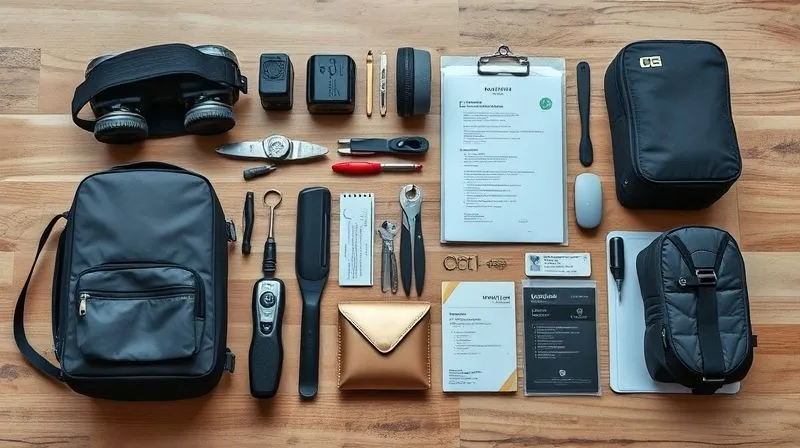
- Spare Parts Kit: Pack a small kit with essential spare parts specific to your aid. This might include:
- Extra inner tubes/patch kit for tires
- Small toolkit (wrenches, screwdrivers)
- Spare battery (if practical and allowed by airline regulations)
- Extra fuses for electric aids
- Any unique fasteners or clips
- Documentation: Carry both physical and digital copies of your aid's manual, warranty, serial number, and contact information for the manufacturer and your local service provider.
- Airline Communication: Inform your airline in advance about your mobility aid. Understand their specific policies for transport, battery requirements, and any special handling procedures.
- Protective Measures: Invest in robust travel covers or cases for your mobility aid, especially for air travel, to minimize damage during transit.
Travel Insurance and Emergency Fund: Your Financial Safety Net
I cannot overemphasize the importance of comprehensive travel insurance that explicitly covers mobility aids. As discussed, this is your primary financial safety net. Beyond insurance, consider setting aside an emergency fund specifically for unexpected travel expenses, including potential out-of-pocket costs for repairs or rentals.
- Read the Fine Print: Understand deductibles, coverage limits, and exclusions.
- Know Your Rights: Familiarize yourself with regulations regarding airline liability for damaged mobility aids (e.g., DOT regulations in the US, Montreal Convention internationally).
- Emergency Cash/Credit: Have access to emergency funds via credit cards or readily available cash for immediate needs that can't wait for insurance reimbursement.
Expert Insight: "Accessible travel isn't just about ramps and wide doorways; it's about peace of mind. Preparation is the cornerstone of that peace of mind." This sentiment is echoed by many experts in the field, as highlighted in accessible travel guides such as those by Lonely Planet.
While you can't prevent every mishap, a robust prevention strategy significantly reduces the chances of a breakdown and equips you with the resources to handle it effectively if it does occur. This proactive approach transforms potential crises into manageable inconveniences.
Frequently Asked Questions (FAQ)
What if my mobility aid is deemed irreparable abroad? If your aid cannot be repaired, your travel insurance should cover the cost of a replacement, either by purchasing a new one locally or shipping one to you, and/or covering the rental of a temporary aid for the remainder of your trip. Ensure you have clear documentation from the repair shop stating it's irreparable. You may also need to consider your options for returning home earlier if a suitable long-term replacement isn't feasible.
How do I manage airport security and boarding with a damaged aid? If your aid is damaged but still somewhat functional, inform airline staff immediately upon arrival at the airport. They can provide assistance with manual wheelchairs and priority boarding. If it's completely unusable, the airline is generally obligated to provide a loaner wheelchair to get you through the airport. Be patient, clear in your communication, and have your documentation ready.
Can my airline help if my mobility aid breaks down mid-trip, not just during transit? While airlines are primarily responsible for damage that occurs during flight or ground handling, some may offer limited assistance or advice if you encounter a breakdown mid-trip, especially if it impacts your ability to fly home. However, their primary role is not roadside assistance. Your travel insurance and local resources are usually more effective for mid-trip breakdowns. Always keep them informed if the issue might affect your return flight.
What if I can't afford temporary solutions or repairs upfront? This is precisely why comprehensive travel insurance is so crucial. Many policies offer direct billing for approved services or emergency cash advances. If insurance isn't an option, reach out to your embassy or consulate; they may offer limited emergency assistance or connect you with local charities. Organizations like the Wheelchair Foundation or local disability groups might also have loaner programs or financial aid for urgent situations.
How can I prevent this from happening again on future trips? Prevention is key. Beyond the pre-trip maintenance and spare parts kit, consider investing in a second, more robust travel-specific mobility aid if your primary one is very delicate. Always pack a 'go-bag' with essential contact info, policy details, and basic tools. Continuously research accessible services at your destination and build a network of contacts. Learn basic troubleshooting for your aid.
Key Takeaways and Final Thoughts
Experiencing a mobility aid breakdown abroad is undoubtedly one of the most stressful challenges an accessible traveler can face. Yet, as an expert in this field, I want to assure you that it is a surmountable obstacle, not a trip-ending disaster. The key lies in preparation, quick thinking, and knowing exactly what steps to take.
- Prioritize Safety: Always ensure your immediate well-being first.
- Document Everything: Photos, notes, and receipts are vital for claims and repairs.
- Leverage Your Network: Your insurance, hotel staff, tour operators, and local disability groups are powerful allies.
- Seek Expert Help: Don't hesitate to find specialized repair services or reliable rental companies.
- Proactive Preparation: Comprehensive travel insurance, a thorough pre-trip check, and a small emergency kit are your best defense.
Remember, the spirit of travel is about overcoming challenges and embracing new experiences. While a mobility aid breakdown can test that spirit, armed with this knowledge, you are better equipped to navigate the unexpected. Stay calm, be persistent, and know that solutions are available. Your journey is important, and with the right strategy, you can ensure it continues to be fulfilling and independent.
Recommended Reading
- Unlock Budget Travel: Master Meal Prep for International Adventures!
- Unlock the Secrets: How to Choose the Best Scenic Glamping Experience
- 7 Steps: Ensure Truly Wheelchair Accessible Corporate Events Globally
- Unlock Europe: Saving Money on Food While Backpacking – The Ultimate Guide
- 7 Proven Strategies: Balance Work & Learning on Family Educational Trips





Your email address will not be published. Required fields are marked *