

How to Find Truly Secluded Beaches When Vacation Time is Scarce?
For over two decades in the travel industry, specializing in coastal escapes, I've witnessed a recurring dream: the desire for a truly secluded beach. It's that idyllic vision of untouched sand, crystal-clear water, and absolute tranquility, far from the madding crowds. Yet, in our fast-paced world, this dream often clashes with a harsh reality: limited vacation time.
The modern traveler often faces a paradox. We crave authenticity and solitude, but our precious few days off are often consumed by travel logistics, crowded hotspots, and the sheer difficulty of unearthing those hidden gems. The internet, while a treasure trove, often highlights the most popular spots, inadvertently steering us away from the very seclusion we seek, especially when time is of the essence.
This article isn't just another list of 'secret beaches' that are no longer secret. Instead, I'll share my battle-tested frameworks and expert insights on *how* to actively seek out and secure your slice of paradise, even when your vacation calendar is frustratingly sparse. You'll learn actionable strategies, leverage digital tools, and adopt a mindset that transforms limited time into boundless opportunities for discovery.
The Core Challenge: Scarcity Meets Serenity
The quest for a secluded beach is, at its heart, a search for an experience. It's about disconnecting, finding peace, and reconnecting with nature. But for many, the idea of 'secluded' feels synonymous with 'remote' and 'hard to reach,' which immediately brings up concerns about time and accessibility. I've seen countless travelers give up on this dream, settling for crowded shores simply because the perceived effort to find true solitude seems too great for their limited vacation window.
The internet, while a powerful tool, has also inadvertently contributed to this problem. A quick search for 'secluded beaches' often yields results that were once hidden but are now well-trodden paths, thanks to their online exposure. The true challenge isn't just *finding* a place, but finding one that remains genuinely untouched, and doing so efficiently when every vacation hour counts. It requires a shift in approach, moving beyond surface-level recommendations to a more strategic, investigative method.
"True seclusion isn't about the absence of others; it's about the presence of peace. And finding that peace often requires looking where others aren't, or when others aren't looking."
Leveraging Digital Intelligence: Beyond the First Page
My first piece of advice for finding those elusive quiet spots, especially when time is tight, is to become a digital detective. Don't just type 'secluded beaches [destination]' into Google. You need to dig deeper, using more nuanced search queries and exploring less obvious online communities.
Strategic Search Engine Queries
The trick is to use long-tail keywords and combine them with negative search terms. Instead of broad searches, try to narrow down. For example, if you're looking for a quiet beach in Portugal, don't just search 'best secluded beaches Portugal'. Try:
- "unspoiled beaches [region] no crowds"
- "hidden coves [island name] locals only"
- "quietest beaches [coastline] off-season travel"
- "deserted shores [nearby town] less touristy"
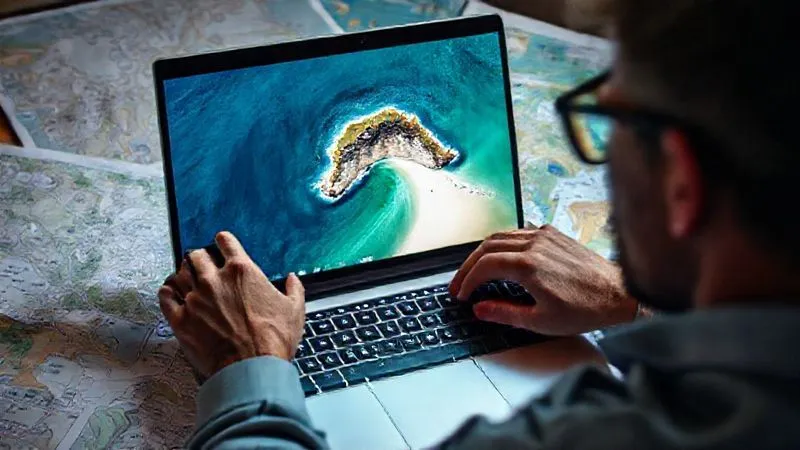
Also, utilize Google Maps satellite view. Zoom in on coastlines in potential areas. Look for stretches of sand without visible infrastructure, large parking lots, or clustered resorts. Cross-reference these findings with local forum discussions.
Niche Forums and Social Media Deep Dives
The real gold is often found in niche communities. I've had great success on platforms like Reddit (subreddits for specific travel styles or regions), Fodor's forums, or even local Facebook groups. People in these communities, especially long-time residents or seasoned travelers, often share insights they wouldn't post on a public blog.
Look for discussions about 'local secrets,' 'quiet spots,' or 'non-touristy beaches.' Engage respectfully, ask specific questions, and you might be surprised by the generosity of information. Instagram and Pinterest can also be valuable, but again, look beyond the heavily tagged, influencer-driven posts. Search for geotags in less popular areas or use highly specific hashtags like #untouchedcoast or #remotebeachlife.
Timing is Everything: Mastering Off-Peak Travel
One of the most effective strategies for finding solitude, regardless of the destination, is to simply avoid the peak season. This might seem obvious, but many travelers still cling to the idea of a 'summer vacation' even if their primary goal is peace and quiet. With limited time, choosing the right window can make all the difference between a crowded boardwalk and a private paradise.
Seasonal Sweet Spots
Every destination has its peak and shoulder seasons. The shoulder season (just before or after peak) often offers a fantastic balance of good weather and fewer crowds. For instance, traveling to the Mediterranean in late May or early September can mean significantly emptier beaches than in July or August, often with comparable temperatures. Research historical weather patterns for your chosen region to identify these sweet spots.
Moreover, consider destinations that have their peak season during *your* off-peak. If you're traveling in January, consider the Caribbean, but research which islands are less frequented by winter sun-seekers. Or, if you're looking for a European escape, consider the shoulder season for islands that are less renowned, like some of the smaller Greek Cyclades or the less-developed parts of the Algarve in Portugal.
Weekday Warriors vs. Weekend Crowds
This is a fundamental rule I always share: if you have a short window, maximize your weekday travel. Most local visitors flock to beaches on weekends and public holidays. A Tuesday morning at a popular beach can feel like a secluded haven compared to a Saturday afternoon. If your limited vacation allows for a mid-week escape, prioritize it. Even a single weekday can provide an invaluable experience of tranquility that a full weekend cannot match.
According to a report by the UN World Tourism Organization, domestic tourism spikes significantly during weekends and national holidays, making weekdays an ideal choice for those seeking quieter experiences. This simple scheduling adjustment is often the easiest and most impactful way to find a less crowded beach without traveling far.
The Power of Local Knowledge: Unearthing Hidden Gems
When time is scarce, relying on the wisdom of those who know the area best can shortcut your search significantly. Locals possess an invaluable understanding of their region's hidden corners and the rhythms of its tourist flow.
Engaging with Locals
Upon arrival, don't be afraid to strike up conversations. Ask hotel staff, restaurant owners, or even local shopkeepers. Frame your question carefully: "I'm looking for a really quiet spot where locals go to relax, away from the main tourist areas. Do you have any personal favorites?" This approach often yields better results than asking for 'secluded beaches,' which might prompt them to recommend places that are merely less crowded but still known.
I've personally discovered some of my most cherished beach spots by simply asking a friendly bartender or a fisherman at the local harbor. Their insights are often rooted in generations of local knowledge and can lead you to places that don't even appear on maps or in guidebooks.
Regional Tourism Boards and Guides
While larger national tourism boards focus on popular attractions, smaller, regional or even municipal tourism offices can be a goldmine. Their goal is often to promote the lesser-known aspects of their specific area. They might have brochures or staff who can point you to smaller, less accessible beaches that require a bit of a hike or are only known to residents.
Case Study: How Sarah Discovered Her Dream Beach
Sarah, a client with only three days off, wanted a truly secluded beach experience in Sardinia. Instead of just searching online, she contacted a small, local B&B owner directly. She explained her desire for quiet, unspoiled nature. The owner, a lifelong resident, recommended a tiny cove accessible only via a 30-minute walk through a coastal path, emphasizing it was 'a local secret.' Sarah followed the advice, found the path, and spent her limited vacation days enjoying absolute solitude, a far cry from the bustling main beaches. This resulted in an unforgettable, tranquil escape that maximized her short time.
Here's a comparison of information sources for finding secluded beaches:
| Source | Pros | Cons | Time Efficiency |
|---|---|---|---|
| Major Travel Websites | Broad overview, easy access | Often highlight popular spots, less truly secluded options | High (initial search), Low (finding true seclusion) |
| Local Forums/Groups | Niche insights, local secrets, authentic recommendations | Requires active engagement, information can be scattered | Medium (requires digging), High (once found) |
| Local Residents | Direct, personalized, highly accurate local knowledge | Requires social interaction, may not always be available | High (if successful), Variable (depends on opportunity) |
| Regional Tourism Offices | Official local information, focus on specific areas | May still lean towards 'known' spots, less 'secret' | Medium |
Micro-Adventures: Short Hops to Solitude
When vacation time is scarce, the idea of a long, multi-leg journey to a remote island can feel daunting. However, I've found that focusing on 'micro-adventures' – short, efficient trips to nearby, less-traveled areas – can be incredibly effective in finding seclusion.
Regional Flights and Ferry Routes
Instead of flying internationally to a major hub and then traveling extensively, look for direct regional flights or ferry routes to smaller islands or coastal towns. For example, in Europe, budget airlines often fly to secondary airports that serve less-known coastal regions. These areas, by virtue of being harder to reach from major international hubs, often retain a more untouched feel.
Similarly, exploring ferry networks can lead to smaller islands just a short boat ride from a more popular mainland. These islands often lack the infrastructure for mass tourism, preserving their natural beauty and offering genuine seclusion within a surprisingly short travel time.
Day Trips and Overnight Stays
Sometimes, the truly secluded beach isn't a destination in itself, but rather a day trip from a slightly larger, more accessible base. This strategy is particularly useful when you only have a couple of days. Establish yourself in a charming, smaller coastal town, and then dedicate a day to exploring nearby, less-developed stretches of coastline. Rent a scooter, a small car, or even a bicycle, and venture off the main roads.
An overnight stay in a very small, independent guesthouse near a promising area can also extend your reach. This allows you to experience the beach in the early morning or late evening, which are often the quietest times, without the rush of a day trip.
"Don't underestimate the power of proximity. Sometimes, the most profound escape is just a short, deliberate journey away, not across an ocean."
The Art of the Early Bird: Beating the Rush
This strategy is perhaps the simplest yet most overlooked for achieving seclusion, especially when your time is limited to more popular destinations or seasons. It's about optimizing your schedule to experience places before the crowds arrive.
Sunrise Solitude
If you're staying near a beach that might get busy later in the day, make it your mission to be there at sunrise. The early morning hours offer a magical tranquility that is unparalleled. The light is often softer, the air cooler, and the only sounds are usually the waves and perhaps a few seabirds. You'll have the beach virtually to yourself for at least an hour or two, allowing for peaceful walks, meditation, or simply soaking in the unspoiled beauty.
This approach transforms a potentially crowded beach into a secluded sanctuary, even in high season. It requires a bit of discipline to wake up early on vacation, but the reward of having a stunning coastline all to yourself is immeasurable, especially when you have limited days to find that peace.
Off-Season Advantages
Building on the 'timing is everything' concept, if your vacation time falls during the absolute off-season for a particular destination, embrace it. While the weather might not be 'perfect' for swimming every day, you'll find an incredible sense of solitude. Coastal towns take on a different, often more authentic, character. Many beaches that are packed in summer become vast, empty expanses, offering a contemplative and truly secluded experience.
For example, a winter visit to a Mediterranean beach might mean bracing winds, but also miles of empty sand and dramatic stormy skies, a stark contrast to its bustling summer persona. This can be a profound way to connect with the raw beauty of a coastline without the distractions of mass tourism.
Research from Statista consistently shows significant drops in tourist numbers during off-peak months, reinforcing the effectiveness of this strategy for solitude seekers.
Tech Tools for Tranquility: Apps and AI for Discovery
In our modern age, technology isn't just for booking flights; it can be a powerful ally in your quest for secluded beaches. Leveraging the right apps and even emerging AI tools can significantly cut down your research time and lead you to hidden gems.
Satellite Imagery and Mapping Apps
Google Maps, Google Earth, and similar mapping applications are your best friends. Switch to satellite view and meticulously scan coastlines in potential regions. Look for:
- Lack of infrastructure: No visible roads leading directly to the beach, no large parking lots, no clustered buildings.
- Natural barriers: Cliffs, dense vegetation, or winding paths that suggest difficult access.
- Absence of boat traffic: Fewer boats anchored offshore can indicate less commercial activity.
Once you identify a promising spot, use the street view function (if available) to see if there's a visible access point or a trail. This virtual reconnaissance can save you hours of physical exploration on the ground, making your limited vacation time more efficient.
AI-Powered Travel Planners
The new generation of AI travel planning tools (like ChatGPT or specialized travel AI platforms) can be surprisingly effective. Don't just ask, "Where are secluded beaches in [country]?" Instead, provide specific constraints and preferences:
- "I have 3 days in [region]. Recommend truly secluded, quiet beaches accessible by car and a short hike, avoiding major tourist areas."
- "Suggest less-known coastal areas near [city] that are beautiful in [month] and typically uncrowded."
- "What are some local-favorite hidden coves in [specific area] that require a bit of effort to reach?"
The AI can sift through vast amounts of data, including less-indexed forums and obscure blogs, to provide tailored suggestions that might not appear in conventional searches. It's like having a hyper-efficient research assistant at your fingertips.
Comparison of Digital Tools for Seclusion Hunting:
| Tool | Pros | Cons | Efficiency for Seclusion |
|---|---|---|---|
| Google Maps/Earth (Satellite View) | Visual identification of untouched areas, infrastructure absence | No real-time crowd data, access points can be misleading | Excellent for initial scouting |
| Niche Travel Forums (Reddit, Fodor's) | Authentic local insights, 'secret' spots shared by enthusiasts | Information can be dated, requires sifting through discussions | High for specific, validated tips |
| AI Travel Planners (e.g., ChatGPT) | Rapid data synthesis, tailored recommendations based on constraints | Information accuracy can vary, lacks human intuition | Good for generating initial ideas and specific queries |
| Social Media (Instagram/Pinterest - specific hashtags) | Visual inspiration, geotags for less-known spots | Often highlights popular places, 'secluded' can be subjective | Medium, requires careful filtering |
Embracing the Journey: Smaller Islands and Less-Known Coasts
My final, and perhaps most profound, piece of advice for finding truly secluded beaches with limited time is to adjust your definition of 'destination.' Instead of targeting famous coastal regions, pivot your focus to smaller, less-developed islands or segments of coastlines that are simply not on the mainstream tourist radar.
Focus on Lesser-Known Destinations
Think beyond the iconic destinations. If everyone is flocking to the Amalfi Coast, consider the less-visited parts of Puglia or the Cilento Coast in Italy. If the Greek Cyclades are too busy, look at the Ionian Islands or some of the smaller, more remote Dodecanese islands. These places, by their very nature, attract fewer visitors, meaning their beaches often remain pristine and uncrowded.
This often requires a bit more research and a willingness to step outside your comfort zone, but the rewards are immense. You'll not only find the seclusion you crave but also a more authentic cultural experience, free from the commercialization of mass tourism.
The Reward of Effort
Sometimes, a truly secluded beach *should* require a little effort to reach. A short hike, a bumpy dirt road, or a small boat ride acts as a natural filter, deterring the casual tourist. This is where your limited vacation time can be used strategically: instead of spending hours commuting to a popular beach, dedicate an hour or two to reaching a truly hidden gem. The sense of accomplishment, combined with the unparalleled beauty and peace, makes the effort incredibly worthwhile.
Embrace the adventure of the journey itself. The walk through a fragrant pine forest to a hidden cove, the drive along a winding coastal road to a deserted stretch of sand – these experiences become integral to the memory of your secluded escape.
Frequently Asked Questions (FAQ)
Q: Is it really possible to find a truly secluded beach without spending a fortune on private resorts or charters? A: Absolutely. While private options exist, my strategies focus on leveraging smart research, timing, and local knowledge. Many truly secluded beaches are public access but require a bit of effort to reach or are simply not widely advertised. The key is to look beyond the obvious and embrace a more adventurous approach, which often costs less, not more.
Q: How can I ensure the beach is safe and accessible if it's truly off the beaten path? A: Safety is paramount. Always inform someone of your plans, especially if you're venturing to a very remote spot. Check local weather and tide conditions. If a beach requires a hike, wear appropriate footwear and carry water. When consulting locals or online forums, always ask about accessibility, potential hazards, and the best way to get there. Trust your instincts; if a path looks too dangerous, don't risk it.
Q: What should I pack for a trip to a secluded beach, especially if amenities are scarce? A: Think self-sufficiency. Pack plenty of water, snacks, sunscreen, a hat, a towel, and a trash bag to carry out everything you bring in. A portable charger for your phone (for emergencies, not distractions) is also wise. Consider a lightweight beach blanket or a small, portable chair. Since amenities will be nonexistent, come prepared for a full day of self-contained enjoyment.
Q: Won't sharing these 'secret' methods just make those beaches crowded too? A: That's a valid concern, and it's why I've focused on *methods* rather than specific locations. My aim is to equip travelers with the skills to find their *own* secluded spots, which are constantly changing and evolving. The principles of off-peak travel, deep research, and local engagement will always lead to new discoveries, ensuring that true seclusion remains accessible to those willing to put in the effort.
Q: How do I handle potential language barriers when seeking local advice? A: A few key phrases in the local language can go a long way. Even a simple 'Hello,' 'Thank you,' and 'Do you speak English?' shows respect. Google Translate or similar apps can be invaluable for more complex conversations. Many tourist-facing locals will have some English, but showing you've made an effort to connect in their language often opens doors to more genuine advice.
Key Takeaways and Final Thoughts
Finding truly secluded beaches when vacation time is scarce isn't about luck; it's about strategy, mindset, and a willingness to look beyond the obvious. My years in this industry have taught me that the most rewarding experiences are often those that require a little more intentionality.
- Become a Digital Detective: Use nuanced search queries and explore niche online communities.
- Master Timing: Prioritize shoulder seasons and weekdays to avoid crowds.
- Harness Local Knowledge: Engage with residents and regional tourism boards for authentic insights.
- Embrace Micro-Adventures: Focus on short, efficient trips to less-traveled areas.
- Be an Early Bird: Experience beaches at sunrise for unparalleled tranquility.
- Utilize Tech Smartly: Leverage satellite maps and AI for efficient reconnaissance.
- Broaden Your Horizon: Consider smaller islands and less-known coastlines.
Your limited vacation time doesn't have to mean sacrificing the dream of a pristine, quiet beach. By adopting these expert tactics, you're not just finding a beach; you're crafting an experience, reclaiming your peace, and proving that even a short escape can be profoundly rejuvenating. Go forth, explore, and discover your personal slice of paradise.
Recommended Reading
- 7 Steps to Delegate Work for a Stress-Free Beach Holiday Return
- Uncover the True Cost of Animal Welfare Volunteering Abroad: Is It Worth It?
- Avoid Luxury All-Inclusive Family Disappointments: 7 Pro Steps
- The Ultimate Guide: Stress-Free Travel Tips for Non-Verbal Autistic Teens
- 5 Pro Strategies: Exclusive Gourmet Dining on Short Business Trips


Your email address will not be published. Required fields are marked *