

Navigating the World: Essential Tips for Traveling with a Non-Verbal Autistic Teenager
Does the thought of embarking on a family trip, particularly with a non-verbal autistic teenager, fill you with a mix of excitement and apprehension? You're not alone. Many families envision memorable adventures, yet the unique challenges of new environments, disrupted routines, and communication barriers can make travel seem like an insurmountable hurdle.
The world is full of wonder, but for a non-verbal autistic teenager, its unpredictability can be a source of profound anxiety. From the bustling energy of an airport to the unfamiliarity of a hotel room, every new sensation can escalate into overwhelm, potentially leading to meltdowns or withdrawal.
This comprehensive guide offers definitive tips for traveling with a non-verbal autistic teenager, transforming potential stress into manageable experiences. By the end of this reading, you will be equipped with actionable strategies, expert insights, and a renewed sense of confidence to plan and enjoy your next family adventure.
Understanding the Unique Challenges of Travel for Non-Verbal Autistic Teens
Before diving into solutions, it's crucial to acknowledge the specific hurdles that travel presents for non-verbal autistic teenagers. Their world is often built on predictability and sensory regulation, both of which are inherently challenged by travel.
Sensory Sensitivities
Airports, train stations, and even new hotel rooms are sensory minefields. The sudden loud announcements, flashing lights, strong smells, and varied textures can quickly lead to sensory overload. For a non-verbal individual, expressing this discomfort is incredibly challenging, often resulting in behavioral expressions of distress.
Communication Barriers
Without verbal language, expressing needs, fears, or discomfort becomes a complex task. This can lead to frustration for both the teenager and their caregivers, especially when navigating unfamiliar situations or interacting with new people who may not understand their communication methods.
Routine Disruption
Autistic individuals often thrive on routine and predictability. Travel inherently disrupts established schedules for meals, sleep, and activities. This deviation from the norm can be deeply unsettling, leading to anxiety and difficulty adjusting to new environments.
Unpredictability and Anxiety
Travel is rarely perfectly predictable. Delays, unexpected changes, and new faces can trigger significant anxiety. For a non-verbal autistic teenager, the inability to anticipate or understand these changes can be profoundly distressing, making them feel out of control.
Pre-Trip Planning: The Foundation of a Successful Journey
Thorough preparation is not just recommended; it's essential when planning to travel with a non-verbal autistic teenager. It minimizes surprises and creates a framework of predictability that can significantly reduce anxiety.
Involve Your Teen in Planning (Where Possible)
Even without verbal communication, many autistic teens can benefit from being involved in the planning process. Use visual aids, pictures of the destination, or social stories to introduce the idea of the trip. Allowing them to choose a preferred activity or a comfort item for the journey can foster a sense of control and excitement.
Researching Destinations and Accommodations
Prioritize autism-friendly destinations and accommodations. Look for hotels that offer quiet rooms, kitchens for familiar meals, or even sensory-friendly spaces. Research attractions that might appeal to your teen's special interests and inquire about accessibility or quiet hours.
Creating a Visual Itinerary and Social Stories
Visual schedules are powerful tools for communicating the sequence of events. Create a detailed visual itinerary for the entire trip, breaking down each day into manageable steps. Use social stories to prepare your teen for specific situations, like going through airport security or checking into a hotel, explaining what will happen and why.
Packing Smart: Sensory Comfort and Essential Items
Your packing list should prioritize comfort and familiarity. Include noise-canceling headphones, favorite fidget toys, weighted blankets, preferred snacks, and any specific communication devices. Pack familiar clothing and toiletries to maintain a sense of routine. Always have a 'go-bag' with immediate essentials for quick access.
Medical Preparedness and Emergency Contacts
Carry all necessary medications in their original containers, along with copies of prescriptions. Prepare a concise medical summary that includes diagnoses, communication methods, and emergency contacts. Consider a medical alert bracelet or tag for your teen. It's also wise to research local medical facilities at your destination.
Mastering Transportation: Air, Road, and Rail
Each mode of transport presents its own set of challenges and opportunities. Understanding these nuances allows for tailored strategies to ensure a smoother journey.
Air Travel: Navigating Airports and Flights
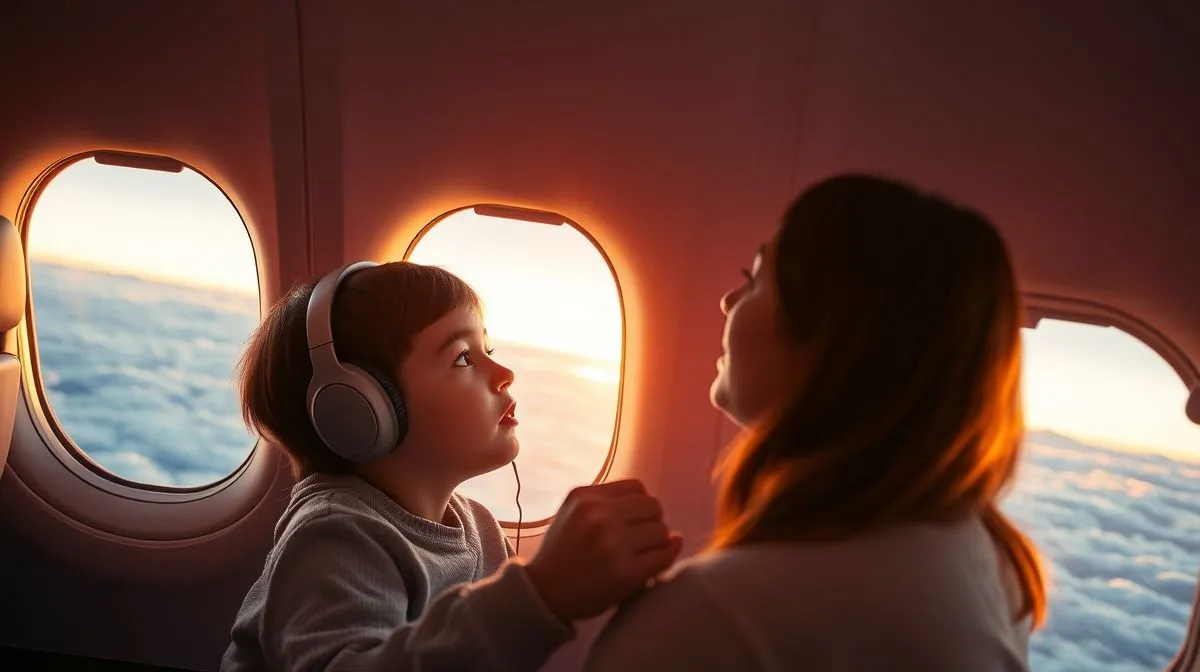
Airports are bustling and loud, making them particularly challenging. Consider contacting the airline in advance to request early boarding or assistance. Many airports offer programs like the 'Sunflower Lanyard' scheme, which discreetly indicates a hidden disability, alerting staff that your family might need extra support. Utilize resources like TSA Cares, which provides assistance for travelers with disabilities and medical conditions through airport security checkpoints. During the flight, noise-canceling headphones are indispensable. Pack engaging activities, preferred snacks, and comfort items to help pass the time. Explaining the flight process with visuals can significantly reduce anxiety.
Road Trips: Comfort and Engagement
Road trips offer more control over the environment. Plan frequent stops for sensory breaks and movement. Create a comfortable back seat environment with favorite blankets, pillows, and a tablet loaded with preferred shows or games. Interactive car games or audiobooks can also provide distraction and engagement. Be mindful of motion sickness, and plan routes with scenic, less congested options if possible.
Train Travel: A Unique Experience
Trains can be a good option due to their predictable movement and often more spacious seating compared to airplanes. The rhythm of the train can be calming for some. Book a private compartment if available for added privacy and control over the environment. Access to a dining car or the ability to walk around can also be beneficial, providing opportunities for movement and sensory input.
Communication Strategies on the Go
Effective communication is the cornerstone of successful travel with a non-verbal autistic teenager. It's about empowering your teen to express themselves and helping others understand their needs.
Utilizing Augmentative and Alternative Communication (AAC)
Bring all your teen's preferred AAC tools, whether it's a picture exchange communication system (PECS) book, a communication tablet, or a simple laminated card with key phrases. Practice using these tools in various travel scenarios before the trip. Ensure devices are fully charged and have backup power sources.
Non-Verbal Cues and Body Language
As caregivers, you are experts in your teen's non-verbal cues. Pay close attention to subtle shifts in body language, facial expressions, or repetitive behaviors that might signal discomfort, anxiety, or a need. Communicate your observations to your teen, even if they can't verbally respond, showing that you understand.
Preparing Others: Explaining Your Teen's Needs
Don't hesitate to politely explain your teen's communication style or specific needs to airline staff, hotel personnel, or even fellow travelers if necessary. A concise, pre-written card explaining their autism and non-verbal status can be helpful for quick explanations in public settings.
Managing Sensory Input and Overwhelm
Proactive management of sensory input is key to preventing meltdowns and ensuring your teen's comfort throughout the journey.
Creating a Sensory Toolkit
Assemble a portable sensory toolkit with items that help your teen regulate. This might include noise-canceling headphones, sunglasses, fidget toys, a small weighted lap pad, a favorite blanket, or chewing gum. Having these items readily available can de-escalate potential overload situations.
Identifying and Avoiding Triggers
Through careful observation, you likely know your teen's sensory triggers. Plan your activities and routes to minimize exposure to these triggers. If loud noises are a trigger, avoid crowded restaurants during peak hours or seek out quieter airport gates. If certain smells are an issue, bring essential oils or a small fan.
Strategies for De-escalation and Calming
When overwhelm occurs, have a plan. This might involve moving to a quiet space, offering a preferred sensory item, using deep pressure, or engaging in a familiar calming activity. Remember that meltdowns are a form of communication; they indicate that your teen is overwhelmed and needs support, not discipline.
Maintaining Routine and Predictability During Travel
While travel inherently disrupts routine, maintaining as much predictability as possible can provide a crucial sense of security.
Adapting Daily Schedules
While you can't replicate home routines perfectly, try to keep mealtimes, sleep schedules, and quiet times as consistent as possible. If your teen usually eats dinner at 6 PM, aim for a similar time, even if the meal itself is different. Introduce changes gradually if possible.
Familiar Comforts and Rituals
Bring familiar objects from home, such as a favorite pillow, stuffed animal, or a specific book. Maintain bedtime rituals, like reading a story or listening to calming music, even in a new environment. These small familiarities can provide immense comfort and reduce anxiety.
Building in Downtime and Flexibility
Resist the urge to over-schedule. Build significant downtime into your itinerary, allowing for unstructured play, quiet relaxation, or simply staring out a window. Be prepared to adjust plans on the fly if your teen is showing signs of distress or fatigue. Flexibility is your most valuable asset.
Engaging Your Teen in New Environments
Travel is an opportunity for new experiences. Finding ways to engage your non-verbal autistic teen can make the trip more enriching for everyone.
Exploring Interests and Special Passions
Tailor activities to your teen's special interests. If they love trains, visit a train museum. If they are fascinated by animals, plan a trip to a zoo or aquarium. Engaging with their passions can make new environments less threatening and more exciting.
Structured Activities vs. Free Exploration
Balance structured activities with opportunities for free exploration. Some teens thrive with clear instructions and predictable outcomes, while others benefit from the freedom to explore at their own pace. Observe your teen's preferences and adjust accordingly.
Celebrating Small Victories
Acknowledge and celebrate every small success – whether it's tolerating a new sound, trying an unfamiliar food, or simply adjusting to a different bed. Positive reinforcement goes a long way in building confidence and making future travel less daunting.
Common Pitfalls to Avoid When Traveling with Autistic Teens
Even with the best intentions, certain mistakes can inadvertently increase stress during travel. Being aware of these can help you sidestep them.
Over-scheduling and Exhaustion
One of the most common mistakes is trying to fit too much into the itinerary. Remember that travel itself is exhausting, especially for autistic individuals. Prioritize quality over quantity, and build in ample rest periods.
Neglecting Sensory Needs
Underestimating the impact of sensory stimuli can lead to overwhelm. Always have your sensory toolkit accessible and be vigilant for signs of distress. Don't assume your teen will just 'get used to' overwhelming environments.
Underestimating Communication Challenges
Even if you have communication tools, new situations can make expression more difficult. Be patient and proactive in facilitating communication. Don't rely solely on others to understand your teen's non-verbal cues.
Forgetting Self-Care for Caregivers
Traveling with an autistic teen can be incredibly demanding. Remember to build in moments for your own self-care, whether it's a quiet coffee break, a short walk, or simply a few minutes of solitude. A well-rested caregiver is better equipped to support their teen.
Resources and Support Systems
You don't have to navigate these journeys alone. A wealth of resources and communities exist to support families traveling with autistic individuals.
Autism Organizations and Travel Agencies
Organizations like Autism Speaks offer valuable guides and resources for travel planning. There are also specialized travel agencies that focus on autism-friendly vacations, providing tailored itineraries and support. These agencies can be invaluable in finding accommodations and activities that meet specific needs.
Online Communities and Forums
Joining online forums or social media groups dedicated to autism and travel can connect you with other families who share similar experiences. These communities are excellent for sharing tips, asking questions, and finding encouragement from those who truly understand.
Professional Consultation
Consider consulting with your teen's therapist, behavior specialist, or pediatrician before a major trip. They can offer personalized strategies, help prepare your teen, and provide letters for airlines or hotels if needed. Their expertise can be a significant asset in your planning.
Frequently Asked Questions (FAQ)
How do I prepare my non-verbal autistic teenager for airplane sounds? Gradual exposure to airplane sounds through videos or sound apps, combined with noise-canceling headphones, can help. Social stories explaining the sounds and their purpose can also reduce anxiety.
What if my teenager has a meltdown in public during travel? Prioritize safety first. Move to a quieter, less stimulating area if possible. Use your sensory toolkit and calming strategies. Remember, a meltdown is a sign of overwhelm, not defiance. Focus on de-escalation and support, not punishment.
Are there specific airlines or hotels that are more autism-friendly? Some airlines offer specific programs like 'Wings for Autism' airport rehearsals. Many hotel chains are also increasing their accessibility features. Always call ahead and inquire about sensory-friendly rooms, quiet zones, and staff training for guests with disabilities.
How can I ensure my non-verbal teen communicates their needs during an emergency? Carry a concise medical and communication information card for your teen. Teach them to point to pictures or use their AAC device for basic needs like 'pain' or 'help'. Consider a medical alert bracelet that states their non-verbal status and autism.
Is it better to travel by car or plane with a non-verbal autistic teenager? This depends entirely on your teenager's individual preferences and sensitivities. Car travel offers more control and flexibility, while plane travel can be quicker but more intense sensorially. A trial run with shorter trips can help determine the best mode for your family.
Recommended Reading
- The Ultimate Guide: How to Avoid Hidden Travel Fees & Surcharges?
- The Ultimate Guide: Maximizing Comfort on Long-Haul Business Class Flights
- Unlock Hotel Accessibility: Best Ways to Confirm Features Before You Go
- Unlock Europe: The Ultimate Guide to Interrail Travel Days Explained
- The Ultimate Guide: How to Determine If a Frozen Lake is Safe?
Conclusion
Traveling with a non-verbal autistic teenager is undeniably a journey that requires careful planning, deep empathy, and unwavering patience. By understanding their unique challenges, implementing proactive strategies, and embracing flexibility, you can transform what might seem daunting into enriching experiences. The tips for traveling with a non-verbal autistic teenager outlined in this guide are designed to empower you to create memorable adventures, fostering connection and joy. With thoughtful preparation and a focus on your teen's comfort, the world truly can open up for your family. Embrace the adventure, celebrate every small victory, and know that every journey, no matter how short, builds resilience and shared memories.

Your email address will not be published. Required fields are marked *