

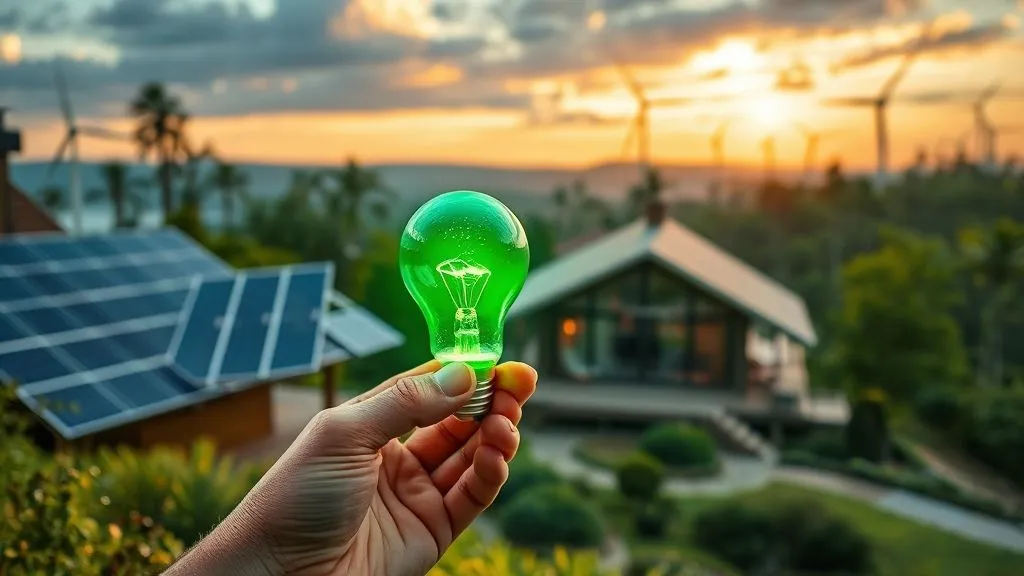
How to Fund a 100% Renewable Energy Transition for My Eco-Lodge?
For over two decades in the eco-tourism space, I've witnessed countless eco-lodges aspire to true sustainability, only to stumble at the financial hurdle of transitioning to 100% renewable energy. The vision is clear – a pristine operation powered solely by nature – but the path to funding it often seems shrouded in complexity and daunting upfront costs. It's a challenge I've helped many navigate, seeing first-hand the triumphs and pitfalls along the way.
The core problem isn't a lack of desire or even technical solutions; it's a perceived financial chasm. Eco-lodge owners often grapple with the high initial capital expenditure for solar arrays, wind turbines, or biomass systems, compounded by a lack of clear, accessible financing pathways tailored for their unique operations. This hesitation can stall otherwise brilliant sustainability initiatives, leaving lodges reliant on fossil fuels despite their green ethos.
This article isn't just another generic guide; it's a comprehensive framework built on my extensive experience. I’ll walk you through seven proven strategies, from leveraging grants and innovative financing models to attracting impact investors, all designed to demystify the process and provide actionable steps on how to fund a 100% renewable energy transition for my eco-lodge. Prepare to transform your vision into a financially viable reality.
1. Deconstructing the Financial Landscape: Investment vs. Expense
Before diving into specific funding mechanisms, it's crucial to shift your perspective. A 100% renewable energy transition for your eco-lodge isn't merely an expense; it's a strategic, long-term investment with significant returns. I've seen this fundamental understanding unlock doors for many operators.
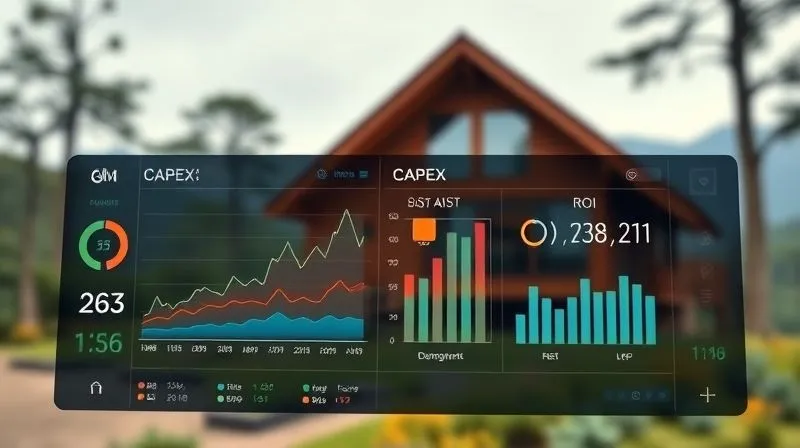
Initially, the Capital Expenditure (CAPEX) for installing solar panels, battery storage, or micro-hydro systems can seem prohibitive. However, this upfront cost is quickly offset by drastically reduced Operational Expenditure (OPEX) – primarily, your monthly electricity bills, which can plummet to near zero. Over time, this translates into substantial savings and increased profitability, a concept often summarized by the Levelized Cost of Energy (LCOE), which calculates the lifetime cost of energy generation.
"Sustainability is not just about doing good; it's about smart business. Investing in renewable energy for your eco-lodge is a strategic move that enhances brand value, reduces long-term costs, and future-proofs your operation against volatile energy markets."
Moreover, the Return on Investment (ROI) extends beyond mere financial metrics. It encompasses enhanced brand reputation, a stronger appeal to eco-conscious travelers, and insulation from future carbon taxes or energy price hikes. According to a Deloitte study on sustainable tourism, travelers are increasingly willing to pay more for sustainable options, directly impacting your bottom line.
2. Grant Opportunities: Navigating the Non-Dilutive Funding Maze
One of the most attractive avenues for funding renewable energy projects, especially for mission-driven eco-lodges, is through grants. Grants are essentially free money that doesn't need to be repaid, making them a highly sought-after, non-dilutive funding source. However, securing them requires diligence and a strategic approach.
Government Grants: National and Regional Initiatives
Many governments, at national and regional levels, offer grants and incentives to promote renewable energy adoption and sustainable tourism. These can range from direct financial grants to tax credits or rebates for specific technologies. I've seen numerous eco-lodges successfully leverage these programs. For example, some countries have dedicated funds for rural electrification using renewables, which perfectly aligns with many eco-lodge locations. It's crucial to research your specific region's environmental agencies and energy departments.
Non-Profit and Foundation Grants: Environmental Focus
Beyond government bodies, a wealth of non-profit organizations and philanthropic foundations are dedicated to environmental conservation, sustainable development, and climate action. These foundations often have specific calls for proposals targeting projects that reduce carbon footprints, promote biodiversity, or support sustainable livelihoods.
- Types of Grants:
- Project-Specific Grants: Funding for a particular component, e.g., solar panel installation.
- Capacity Building Grants: Supporting training or technical assessments.
- Innovation Grants: For lodges experimenting with cutting-edge renewable technologies.
The key to success here is meticulous research to find foundations whose mission aligns perfectly with your project. Crafting a compelling narrative that highlights your eco-lodge's environmental impact and community benefits is paramount. Resources like the FundsforNGOs database (though broader, it often lists environmental grants) can be a starting point, but direct outreach to environmental foundations is often more effective.
"Grant applications demand precision and passion. Clearly articulate your project's environmental and social impact, demonstrate financial need, and meticulously follow all guidelines. It's a competitive landscape, but the rewards are significant."
3. Innovative Financing Models for Sustainable Tourism
The traditional bank loan isn't the only debt-based funding option. The sustainable finance market has matured, offering several innovative models specifically designed for renewable energy projects. These can significantly reduce your upfront burden and spread costs over time.
Power Purchase Agreements (PPAs)
PPAs are a game-changer for many eco-lodges. Under a PPA, a third-party developer finances, installs, owns, and maintains the solar (or other renewable) energy system on your property. You, the eco-lodge, then purchase the electricity generated at a fixed, often lower, rate for a predefined period (e.g., 15-25 years). This model eliminates your CAPEX entirely, offering immediate savings and predictable energy costs.
Green Loans and Bonds
Mainstream banks are increasingly offering specialized 'green loans' or 'sustainability loans' with more favorable terms (lower interest rates, longer repayment periods) for projects that meet specific environmental criteria. Similarly, larger eco-tourism groups might explore issuing 'green bonds' to attract investors specifically interested in environmentally beneficial projects. These financial instruments are gaining traction globally, signaling a positive shift in lending practices.
Crowdfunding for Eco-Projects
For smaller projects or those with a strong community connection, crowdfunding platforms can be incredibly effective. Platforms focused on sustainability or social impact allow you to tell your story and raise capital from a broad base of individuals who believe in your mission. This not only provides funding but also builds a loyal community of supporters and guests. I've seen lodges fund everything from new solar installations to rainwater harvesting systems through this method.
- Advantages of Innovative Models:
- Reduced or eliminated upfront capital.
- Predictable energy costs.
- Access to specialized expertise for system installation and maintenance.
- Enhanced brand image through visible commitment to sustainability.
4. Leveraging Investor Capital: Attracting Impact Investors and VCs
For larger-scale renewable energy transitions, particularly for growing eco-lodge chains or ambitious projects, attracting external investor capital can be essential. The landscape of investment has evolved, with a significant rise in impact investing.
The Rise of Impact Investing
Impact investors seek not only financial returns but also measurable positive social and environmental impacts. Your eco-lodge's commitment to 100% renewable energy is a perfect fit for this demographic. These investors are often more patient and value long-term sustainability over short-term profits, aligning well with the nature of renewable energy infrastructure. They are looking for businesses that demonstrate clear environmental, social, and governance (ESG) principles.
Crafting a Compelling Pitch Deck
To attract impact investors or venture capitalists (VCs) interested in green technology, your pitch deck must be impeccable. It needs to clearly articulate your business model, the environmental problem you're solving, the specific renewable energy solution, the financial projections (including ROI and energy savings), and the measurable impact your transition will have. Emphasize your unique selling proposition as a truly sustainable destination.
Equity vs. Debt Financing
When seeking investor capital, you'll generally face a choice between equity financing (selling a stake in your company) or debt financing (loans from investors, often with convertible options). Each has its pros and cons regarding control, repayment, and risk. A seasoned financial advisor specializing in sustainable ventures can help you determine the best structure for your eco-lodge. You might find valuable networks through organizations like the Global Impact Investing Network (GIIN).
"Impact investors are looking for authentic commitment and measurable outcomes. Your eco-lodge's story of sustainability, backed by solid financial projections and a clear impact framework, is your most powerful asset."
| Investor Type | Primary Goal | Typical Investment Structure | Key Attraction for Eco-Lodge |
|---|---|---|---|
| Impact Investor | Financial Return + Measurable Impact | Equity, Debt, Convertible Notes | Mission Alignment, ESG Focus |
| Venture Capital (Green Tech) | High Financial Return, Scalability | Equity | Innovative Tech, Growth Potential |
| Private Equity (Sustainable Focus) | Operational Efficiency, Long-term Value | Equity, Debt | Established Business, Sector Growth |
5. Internal Funding & Cost-Saving Strategies
Sometimes, the best source of funding is already within your reach. Before looking externally, it's wise to explore how internal efficiencies and creative cost-saving measures can contribute to your renewable energy fund. This approach demonstrates fiscal responsibility to potential external funders, strengthening your overall proposal.
Reinvesting Operational Savings
Even small energy efficiency upgrades can lead to significant savings over time. By diligently tracking and reducing your current energy consumption – perhaps through LED lighting, efficient appliances, or smart thermostats – you can accumulate funds that can then be reinvested into larger renewable projects. This 'seed money' approach shows commitment and can reduce the total external funding required.
Carbon Offset Programs and Credits
While not a direct funding mechanism for new installations, participating in carbon offset programs can generate revenue or provide a pathway to financial benefits. If your eco-lodge already has carbon-reducing initiatives (e.g., reforestation on your property, local community clean energy projects), you might be able to generate and sell carbon credits. Conversely, some programs allow you to 'offset' your remaining emissions by purchasing credits, which demonstrates your commitment to carbon neutrality and appeals to environmentally conscious guests. Explore options like Verra or Gold Standard for certified projects.
Energy Efficiency First: The Low-Hanging Fruit
Before installing large-scale renewable systems, prioritize energy efficiency. This is a mantra I preach constantly. Reducing your energy demand means you need a smaller, less expensive renewable energy system. It’s the most cost-effective first step.
- Key Energy Efficiency Measures:
- LED Lighting: Replace all incandescent and fluorescent bulbs.
- Insulation Upgrades: Improve building envelopes for heating/cooling efficiency.
- Efficient Appliances: Invest in ENERGY STAR rated refrigerators, washing machines, etc.
- Smart Thermostats/BMS: Optimize heating, ventilation, and air conditioning (HVAC) systems.
- Passive Design: Utilize natural ventilation and daylighting where possible.
Implementing these measures can significantly reduce your energy baseline, making the 100% renewable goal more attainable and less costly. It's often the most overlooked yet impactful strategy. For guidance, resources from organizations like the U.S. Energy Information Administration (EIA) provide valuable data on energy consumption and efficiency.
6. Case Study: The Solara Eco-Lodge's Journey to 100% Renewable
How Solara Eco-Lodge Secured Its Green Future
The Solara Eco-Lodge, a 20-room retreat nestled in a remote mountainous region, faced the common challenge of high diesel generator costs and a strong desire to live up to its 'eco' name with 100% renewable energy. Their initial assessment showed a need for a 50kW solar array with significant battery storage, estimated at $250,000 – a daunting figure for their modest operations.
Their journey began with a rigorous energy audit, identifying and implementing efficiency upgrades (LEDs, better insulation, smart water heaters) which reduced their baseline energy demand by 20%. This internal saving formed the initial capital for their project. Next, they secured a regional government grant specifically for rural renewable energy development, covering 30% of the remaining cost.
For the remaining 70%, Solara explored innovative financing. They partnered with a solar developer under a PPA for the core solar array, eliminating the upfront cost for that component. For the crucial battery storage system, which the PPA didn't cover, they launched a successful crowdfunding campaign, appealing to their loyal guest base and a broader network of environmental advocates. This campaign not only raised the necessary funds but also significantly boosted their marketing and guest engagement.
The result? Solara Eco-Lodge achieved its 100% renewable energy goal within two years. Their operational costs plummeted, their brand reputation soared, and they became a beacon for sustainable tourism in their region. This multi-pronged approach demonstrates that a combination of strategies is often the most effective path to funding a 100% renewable energy transition for my eco-lodge.
7. Building a Robust Financial Proposal and Business Case
Regardless of the funding source, a well-structured, compelling financial proposal and business case are non-negotiable. This document is your roadmap and your sales pitch, demonstrating viability, impact, and trustworthiness. I've reviewed hundreds of these, and the difference between a successful and unsuccessful one often lies in the details.
Quantifying Environmental and Economic Benefits
Your proposal must clearly quantify both the environmental impact (e.g., tons of CO2 avoided, reduced reliance on fossil fuels, water savings) and the economic benefits (e.g., projected energy savings, ROI, payback period, increased revenue from eco-conscious guests). Use concrete numbers and conservative estimates. Don't just say 'it will save money'; show *how much* and *when*.
Risk Assessment and Mitigation
No project is without risk. Acknowledge potential challenges – such as fluctuating material costs, regulatory changes, or unforeseen technical issues – and, more importantly, outline your strategies for mitigating them. This demonstrates foresight and strengthens your credibility with potential funders. For instance, having contingency funds or alternative technology providers in mind can be crucial.
The Role of Third-Party Verification
Consider engaging an independent third-party expert to verify your energy audits, system designs, and financial projections. This adds an invaluable layer of credibility and trust to your proposal, especially when dealing with grants or impact investors who prioritize verifiable impact and sound financial planning. Certifications like LEED or B Corp also lend significant weight.
- Steps to a Robust Proposal:
- Executive Summary: Concise overview of the project, funding needs, and expected impact.
- Company Overview: Your eco-lodge's mission, history, and current sustainability efforts.
- Project Description: Detailed plan for the renewable energy transition, technologies, and timeline.
- Environmental & Social Impact: Quantified benefits beyond financial returns.
- Financial Projections: Detailed CAPEX, OPEX, cash flow, ROI, and payback period.
- Funding Request: Specific amount requested, how it will be used, and a clear repayment/return strategy.
- Risk Analysis: Identification of risks and mitigation strategies.
- Appendices: Technical specifications, certifications, team bios, letters of support.
8. The Power of Community and Partnerships
Beyond direct financial mechanisms, the strength of your network and community engagement can be a powerful, often overlooked, asset in your renewable energy transition. In my experience, collaboration often unlocks unexpected resources and accelerates progress.
Local Community Engagement
Involving your local community can manifest in several ways. You might find skilled labor, local materials, or even micro-financing opportunities. A community-supported energy project can also foster goodwill, provide local employment, and create a sense of shared ownership, further enhancing your eco-lodge's reputation and resilience. Consider workshops or educational programs about the benefits of renewable energy.
Collaborating with Technology Providers
Forming strong relationships with renewable energy technology providers (e.g., solar installers, battery manufacturers) can yield significant benefits. They might offer favorable payment terms, provide technical expertise, or even partner with you on grant applications. Some providers have their own financing arms or connections to green lenders, streamlining the funding process. It's a symbiotic relationship where their success is tied to yours.
Tourism Industry Alliances
Connect with other eco-lodges or sustainable tourism operators. You might discover shared challenges and collective solutions. Industry associations focused on sustainable tourism, like the Sustainable Travel International, often share best practices, facilitate networking, and sometimes even lobby for government incentives or collective funding opportunities. A unified voice carries more weight.
"No eco-lodge is an island. Building a network of allies – from local communities to technology partners and industry peers – creates a powerful ecosystem that supports your sustainability goals and amplifies your impact."
Frequently Asked Questions (FAQ)
What's the typical payback period for a 100% renewable energy system for an eco-lodge? The payback period can vary significantly based on the system's size, local energy costs, available incentives, and the initial investment. However, I've seen projects with payback periods ranging from 5 to 12 years. Factors like aggressive energy efficiency measures and higher grid electricity prices can shorten this, while generous grants can make the ROI almost immediate.
Are there specific renewable technologies better suited for remote eco-lodges? Absolutely. For remote locations, off-grid solutions are common. Solar PV combined with battery storage is often the most reliable and scalable. Micro-hydro systems are excellent if you have a consistent water source. Small wind turbines can complement solar in windy areas. The best solution is always site-specific, requiring a thorough energy audit and resource assessment.
How important is it to have a comprehensive energy audit before seeking funding? It's critically important. An energy audit provides the baseline data on your current consumption, identifies areas for efficiency improvements, and informs the sizing of your renewable energy system. Funders want to see that you've done your homework and that the proposed solution is optimized. It demonstrates professionalism and a commitment to maximizing impact and financial viability.
Can I combine multiple funding strategies for my eco-lodge's transition? Yes, and in my experience, this is often the most successful approach. Many eco-lodges use a blend of strategies: a government grant for a portion, a green loan for another, internal savings for efficiency upgrades, and perhaps a PPA for the largest energy generation component. Diversifying your funding sources can reduce risk and make the overall project more attainable.
What are the biggest mistakes eco-lodges make when trying to fund renewable energy? The most common mistakes I've observed include underestimating the importance of energy efficiency first, failing to build a robust business case with clear financial and environmental metrics, not exploring the full spectrum of funding options beyond traditional loans, and neglecting to articulate their unique story and impact to potential funders. A lack of patience and persistence also hinders many promising projects.
Key Takeaways and Final Thoughts
Embarking on a 100% renewable energy transition for your eco-lodge is more than an environmental statement; it's a strategic business decision that will enhance your brand, reduce operating costs, and secure your future. The journey to fund this transition, while challenging, is entirely navigable with the right approach.
- Shift your mindset: View renewable energy as a long-term investment, not just an expense.
- Explore diverse funding: Don't rely on a single source; combine grants, innovative finance, and investor capital.
- Prioritize efficiency: Reduce demand first to minimize the size and cost of your renewable system.
- Build a strong case: Quantify both environmental and financial benefits meticulously.
- Leverage partnerships: Engage local communities, technology providers, and industry peers.
I've seen eco-lodges, from small, family-run operations to larger resorts, successfully make this leap. Your commitment to sustainability is your most powerful asset. By diligently applying these strategies, articulating your vision with passion and precision, and embracing the multi-faceted world of green finance, you can definitively answer the question 'How to fund a 100% renewable energy transition for my eco-lodge?' and pave the way for a truly sustainable future.
Recommended Reading
- 7 Essential Steps: Safeguarding Your Group at Crowded Religious Festivals
- 7 Proven Cruise Activities to Combat Executive Burnout Effectively
- 5 Steps: High-Impact Volunteer Travel for Your Busy Schedule
- 7 Proven Strategies: Guarantee Bonding on Complex Family Trips?
- 7 Legal Safeguards: Advanced Holistic Journeys Risk Mitigation




Your email address will not be published. Required fields are marked *