


How to guarantee family bonding on complex intergenerational trips?
For over two decades in the travel industry, I've had the privilege of witnessing countless family journeys. I've seen the pure, unadulterated joy of shared discovery, the heartwarming moments of grandparents holding grandchildren's hands as they explore new worlds. But I've also observed the subtle tensions, the unspoken frustrations, and the occasional outright disagreements that can turn a dream vacation into a stressful ordeal. The aspiration for a perfectly harmonious multi-generational trip is universal, yet the path to achieving it is often fraught with unexpected challenges.
The unique complexities of intergenerational travel stem from the very diversity we cherish. You're bringing together individuals with vastly different interests, energy levels, dietary needs, communication styles, and even expectations about what a 'vacation' truly entails. From toddlers needing naps to teenagers craving Wi-Fi, from active adventurers to those seeking quiet relaxation, bridging these gaps requires more than just booking flights and hotels; it demands a strategic, empathetic, and proactive approach. This isn't just a trip; it's a delicate social experiment that, if mishandled, can inadvertently strain the very bonds you hoped to strengthen.
In this definitive guide, I will share my proven framework for navigating these intricate dynamics. Drawing from years of observation, expert insights, and real-world scenarios, I'll provide you with actionable strategies, practical tools, and a deep understanding of the human elements involved. My goal is to equip you with the knowledge to not only avoid common pitfalls but to actively cultivate profound connections, ensuring your complex intergenerational trip becomes a cherished chapter in your family's story, a testament to enduring love and shared adventure. This isn't about perfection; it's about preparation, empathy, and creating an environment where genuine bonding can flourish.
The Art of Pre-Trip Communication: Setting Realistic Expectations
The single most critical foundation for a successful intergenerational trip is robust, honest, and early communication. I’ve seen countless trips falter before they even begin because of unspoken assumptions or mismatched expectations. Think of this as your 'Discovery Dialogue' phase, where every family member, or at least a representative from each generation, has a voice.
The "Discovery Dialogue" Phase
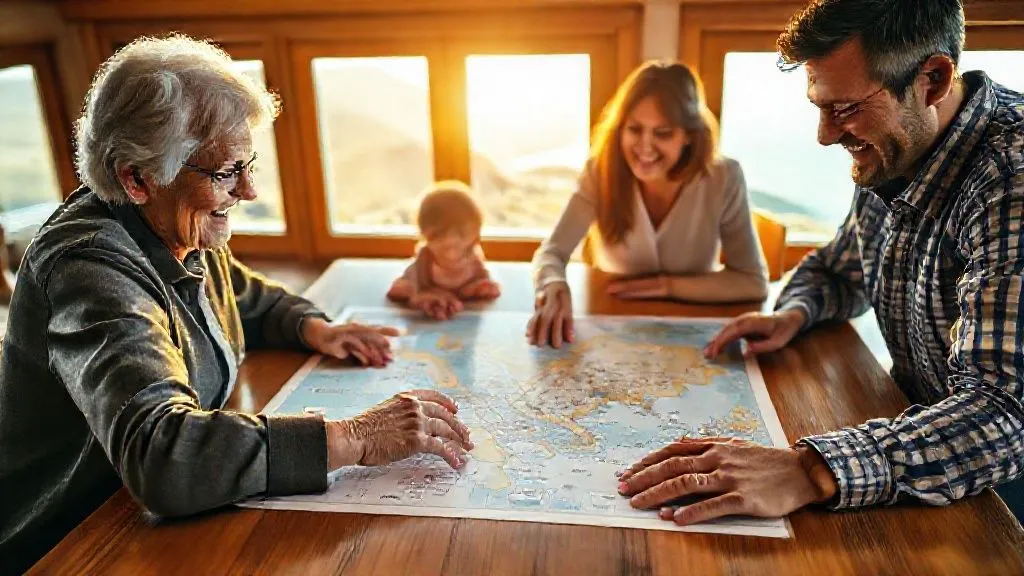
Before any bookings are made, convene a family meeting – virtually or in person. This isn't just about destination; it's about defining the nature of the trip itself. Start with broad questions and narrow them down. I recommend a structured approach to ensure all voices are heard and all needs are considered:
- Brainstorming Desires: Ask everyone what their ideal vacation looks like. Is it adventure, relaxation, cultural immersion, or food-focused? Encourage specific examples.
- Identifying Non-Negotiables: What are the absolute must-haves for each person? This could be a comfortable bed, specific meal options, accessible attractions, or a certain amount of downtime.
- Discussing "No-Go" Zones: Equally important are the things people absolutely do not want to do. A fear of heights, aversion to crowds, or a dislike of long bus rides should be noted.
- Budget Transparency: This is often the trickiest but most vital part. Be clear about the overall budget and how expenses will be shared. Will it be split evenly, or will wealthier family members contribute more? Discussing this openly beforehand prevents resentment later.
- Defining Roles & Responsibilities: Who will handle logistics? Who will research activities? Spreading the load ensures no single person feels overwhelmed.
Expert Insight: "Active listening is paramount. It's not just about hearing words, but understanding the underlying feelings and needs. Paraphrase what you hear to confirm understanding, 'So, Grandma, if I understand correctly, you're hoping for at least one quiet afternoon each day to read and relax?'" This empathetic approach builds trust and ensures everyone feels valued. According to a study published in the Harvard Business Review, effective communication strategies significantly reduce interpersonal conflict in group settings, a principle directly applicable to family travel.Crafting a Flexible Itinerary: Balancing Shared & Solo Time
Once you have a clear picture of everyone's desires and limitations, the next step is to build an itinerary that serves as a flexible framework, not a rigid prison. In my experience, the biggest mistake families make is over-scheduling. The impulse is to pack every moment with activities to ensure everyone is 'entertained,' but this often leads to exhaustion and friction.
The 70/30 Rule for Activities
I advocate for what I call the "70/30 Rule." Plan approximately 70% of your time with shared activities that appeal to the majority, and leave 30% for independent exploration, downtime, or smaller group activities. This allows for individual preferences and prevents 'togetherness overload.' Remember, even family members need personal space and time to recharge. Psychology Today often highlights the psychological benefits of personal space, even within close relationships.
- Morning Options: Perhaps one group goes hiking, while another enjoys a leisurely breakfast and reads.
- Afternoon Choices: Some might visit a museum, while others prefer shopping or a spa treatment.
- Evening Flexibility: Not every dinner needs to be a full family affair. Encourage smaller groups to try different restaurants or enjoy a quiet evening in.
- Built-in Downtime: Schedule unstructured time daily. This is crucial for napping children, reading adults, or simply decompressing.
When presenting the itinerary, emphasize its flexibility. Frame it as a menu of options rather than a mandatory schedule. Empower family members to opt in or out of specific activities without guilt. This autonomy is key to preventing burnout and fostering genuine enjoyment.
Establishing a "Family Constitution": Ground Rules for Harmony
It might sound formal, but creating a simple 'Family Constitution' – a set of agreed-upon ground rules – can be a game-changer. This isn't about stifling spontaneity; it's about pre-emptively addressing common friction points. These rules should be discussed during the pre-trip communication phase and written down, perhaps even signed in jest, to reinforce commitment.
Navigating Disagreements Gracefully
Consider topics such as:
- Finances on the Ground: How will shared meals, transportation, and incidental expenses be handled? Will there be a kitty, or will one person pay and be reimbursed?
- Decision-Making: Who makes the final call when there's a deadlock? Often, it's best to have a designated "trip leader" or rotate the role daily.
- Screen Time: Establish expectations for phone use during meals, activities, and family conversations. This is especially crucial with teenagers.
- Personal Space & Noise: Discuss respecting quiet hours, personal boundaries, and managing noise levels in shared accommodations.
- Handling Conflicts: Agree on a protocol for disagreements. Perhaps a 'cooling-off period' before discussing an issue, or a designated neutral party to mediate.
Case Study: The Miller Family's Mediterranean Mayhem to Harmony
The Miller family, a group of 10 spanning three generations, embarked on a Mediterranean cruise. Their first few days were fraught with tension: Grandma felt rushed, the teenagers were glued to their phones, and the parents were exhausted mediating squabbles. Mid-trip, I advised them to implement a 'Family Constitution.' They held an honest meeting, establishing rules like 'no phones at dinner,' 'designated quiet time from 2-4 PM,' and a 'compromise coin' for activity disputes. By empowering each person to voice needs and agree on boundaries, their remaining week transformed. They ended up creating cherished memories, proving that proactive groundwork, even mid-trip, can salvage and strengthen bonds.
Leveraging Each Generation's Strengths: From Storytellers to Tech Gurus
One of the most profound joys of intergenerational travel is the opportunity to learn from and appreciate each other's unique contributions. Every generation brings a distinct set of skills, perspectives, and energies to the table. Instead of seeing these differences as potential conflicts, view them as invaluable assets that can enrich the entire travel experience.
Creating Roles and Responsibilities
I encourage families to assign informal 'roles' based on natural strengths, fostering a sense of purpose and collective ownership of the trip's success:
- The Historians/Storytellers (Grandparents): Encourage them to share their wisdom, life experiences, and historical context related to the destinations. Their anecdotes can bring a place to life in a way no guidebook can.
- The Organizers/Planners (Parents): Often adept at logistics, budgeting, and managing schedules, they can take the lead on daily coordination, ensuring smooth transitions and problem-solving.
- The Navigators/Tech Gurus (Teenagers/Young Adults): Tap into their digital native skills. They can be invaluable for navigating with maps apps, finding the best Wi-Fi, researching local hotspots, or even creating a shared photo album.
- The Energy Boosters/Curiosity Drivers (Children): Their unbridled enthusiasm and innocent wonder can be infectious, reminding everyone to embrace the simple joys and look at the world with fresh eyes. Involve them in small decisions, like choosing a snack or a playground.
By consciously assigning these roles, you're not just delegating tasks; you're validating each person's unique contribution and creating opportunities for intergenerational teaching and learning. A grandparent teaching a child about a historical site they remember, or a teenager showing a parent how to use a translation app – these are the moments that weave the fabric of family bonding. According to a research paper on the benefits of intergenerational programs, shared activities that leverage diverse skills significantly enhance mutual respect and understanding across age groups. See a similar concept discussed in articles on Forbes Leadership that advocate for leveraging diverse team strengths.
The Power of Shared Experiences: Beyond the Tourist Traps
While sightseeing is part of any trip, true family bonding often happens during unique, immersive shared experiences that go beyond the typical tourist checklist. These are the moments that become cherished family legends, told and retold for years to come. Focus on activities that encourage interaction, collaboration, and a sense of shared discovery.
Curating Meaningful Moments
Instead of just visiting a landmark, consider:
- Culinary Adventures: Take a cooking class together, learn to make local dishes, or participate in a food tour. Eating and creating together is a powerful bonding agent.
- Local Immersion: Seek out opportunities to engage with the local culture beyond museums. Attend a local festival, visit a traditional market, or volunteer for a few hours at a community project.
- Nature & Adventure (suited for all levels): Gentle hikes, paddleboarding on a calm lake, or even a picnic in a beautiful park can offer serene shared moments.
- Creative Endeavors: A family art class, pottery workshop, or even a collaborative scavenger hunt can spark creativity and laughter.
- Storytelling Sessions: Dedicate an evening to sharing travel stories, funny anecdotes, or even family history. This can be enhanced with old photos or videos.
Expert Insight: "The most memorable moments aren't always the grandest; they're the ones where you truly connect. It's the shared laughter over a botched cooking attempt, the quiet awe gazing at a starry sky, or the collaborative effort to solve a puzzle. These are the building blocks of a shared narrative, the glue that binds generations together." Focus on creating these 'micro-moments' of connection.Mastering Conflict Resolution: When Tensions Rise
No matter how meticulously you plan, disagreements are an inevitable part of any group dynamic, especially when family is involved. The key isn't to avoid conflict, but to have a pre-agreed strategy for resolving it constructively. As a veteran of countless group tours, I've learned that a swift, empathetic, and fair approach to conflict can prevent minor annoyances from escalating into trip-ruining feuds.
The "Timeout & Talk" Method
When tensions begin to simmer, I recommend the 'Timeout & Talk' method:
- Recognize & Acknowledge: The first step is for someone (often the designated trip leader or a neutral party) to recognize the rising tension and acknowledge it. "It seems like there's some frustration building here."
- Call a Timeout: Suggest a brief break. "Let's all take 15 minutes to cool off, maybe get some fresh air." This prevents impulsive, emotionally charged reactions.
- Separate Discussions (if needed): Sometimes, it's better for the directly involved parties to have a one-on-one conversation away from the group initially.
- Focused Discussion: Come back together (either just the involved parties or the small group) and discuss the issue. Focus on 'I' statements ("I feel frustrated when...") rather than 'you' statements ("You always do...").
- Empathy & Compromise: Encourage active listening and genuine attempts to understand the other's perspective. The goal isn't to 'win' but to find a mutually acceptable solution. This often involves compromise from both sides.
- Move On: Once a resolution is reached, or a compromise accepted, consciously agree to move past it. Lingering resentment can poison the atmosphere.
Remember that differences in energy levels, sleep patterns, or even hunger can significantly impact mood. Be patient and understand that everyone has their moments. A little empathy goes a long way. For more in-depth strategies, resources like those found on the Program on Negotiation at Harvard Law School offer valuable insights into effective conflict resolution techniques applicable to any group dynamic.
Post-Trip Reflection: Sustaining the Bond
The journey doesn't truly end when you unpack your suitcases. The post-trip phase is just as crucial for solidifying the bonds forged and ensuring the memories endure. This is where you transform a collection of moments into a lasting legacy of connection and shared experience.
The Legacy of Laughter and Learning
I always encourage families to engage in collective reflection and preservation of their travel memories:
- Create a Shared Photo Album/Video: Designate someone to gather photos and videos from everyone and compile them into a shared digital album (e.g., Google Photos, Shutterfly) or even a small photobook. This is a wonderful way to relive the trip and see it from different perspectives.
- Host a "Memory Lane" Gathering: A few weeks or months after the trip, host a casual get-together where you can share stories, laugh about funny mishaps, and reminisce about highlights. This reinforces the positive experiences and strengthens the collective narrative.
- Plan the Next "Mini-Adventure": Even if another big trip isn't on the horizon, discuss small, local outings or events you can do together. This keeps the momentum of shared experiences going and demonstrates a commitment to future connections.
- Express Gratitude: Take time to thank everyone for their contributions, their patience, and their willingness to share the experience. A simple 'thank you' can go a long way in fostering positive feelings.
By intentionally engaging in these post-trip activities, you're not just archiving memories; you're actively nurturing the family bond. You're showing that the trip was more than just a vacation – it was an investment in your relationships, a chapter in your family's ongoing story. These reflections become the foundation for future adventures and enduring connections, making every effort to guarantee family bonding on complex intergenerational trips truly worthwhile.
Frequently Asked Questions (FAQ)
Question? How do we handle diverse budgets within the family for an intergenerational trip?
Answer: Budget transparency is crucial. During your initial "Discovery Dialogue," openly discuss everyone's comfort levels with spending. Consider different models: splitting costs evenly if budgets are similar, creating a shared "kitty" for group activities and meals, or having those with higher incomes offer to cover larger expenses like accommodation or specific excursions. Another option is to allow individuals to opt in or out of more expensive activities, ensuring no one feels pressured. Always agree on a clear system for tracking and settling shared expenses before the trip begins.
Question? What if someone wants to do something everyone else hates, or a small group wants a separate activity?
Answer: This is where the "70/30 Rule" and flexibility come into play. Encourage individual and small-group activities during the 30% unstructured time. If a specific activity is a passion for one person but not others, they should be empowered to pursue it independently or with a smaller interested group, without guilt. The goal is not forced togetherness, but harmonious coexistence and shared enjoyment where possible. Respecting individual interests actually reduces friction and allows for everyone to feel fulfilled.
Question? How much structure is too much structure for a family trip?
Answer: While some structure is essential for complex intergenerational trips, too much can stifle spontaneity and lead to exhaustion. I recommend a balance: plan your key activities or bookings (e.g., flights, main accommodations, one or two major excursions per week) but leave ample time for improvisation. Think of the itinerary as a flexible guide, not a rigid military schedule. The 70/30 rule (70% shared, 30% flexible/solo) is a good benchmark. Always build in downtime for naps, quiet reading, or simply recharging.
Question? What's the best way to manage screen time for kids (and adults!) on an intergenerational trip?
Answer: Address screen time expectations during your initial 'Family Constitution' meeting. For kids, agree on designated screen-free times (e.g., during meals, specific activities, and family conversations). For adults, lead by example. Suggest a 'phone basket' at dinner or encourage putting devices away during shared experiences. Emphasize the value of being present and connecting with family over digital distractions. This is a common point of contention, so clear, agreed-upon rules are vital.
Question? How can we ensure everyone feels heard and valued, especially the quieter family members?
Answer: This requires conscious effort. During initial planning discussions, actively solicit input from quieter individuals; ask them directly, "What are your thoughts on this?" or "Is there anything you're particularly excited about?" During the trip, create opportunities for one-on-one or small-group interactions where introverts might feel more comfortable sharing. Assign them small, manageable roles that highlight their strengths (e.g., 'official photographer,' 'map reader'). Acknowledge and appreciate their contributions publicly. Simple gestures, like asking about their day or noticing their preferences, can make a huge difference.
Recommended Reading
- Unlock the Magic: Discover Kid-Friendly Destinations That Offer Educational Fun
- The Ultimate Guide: How Much Does a Night in a Space Hotel Cost?
- Altitude Sickness: Prevent it With This Essential Guide!
- Unlock the Secrets: How to Protect Marine Life While Traveling to Beaches
- Unlock Your City Break: Maximize Sightseeing & See More!
Key Takeaways and Final Thoughts
- Prioritize Open Communication: Start early and be brutally honest about expectations, budgets, and non-negotiables.
- Embrace Flexibility: Design an itinerary with built-in downtime and options for independent or smaller group activities.
- Establish Ground Rules: A 'Family Constitution' can pre-emptively solve common friction points regarding finances, screen time, and decision-making.
- Leverage Strengths: Recognize and utilize each generation's unique contributions, fostering a sense of shared purpose and appreciation.
- Curate Meaningful Experiences: Go beyond standard sightseeing to create interactive, immersive moments that encourage genuine connection.
- Master Conflict Resolution: Have a clear, empathetic strategy for addressing disagreements, preventing them from escalating.
- Preserve Memories: Engage in post-trip activities to relive and celebrate the journey, strengthening bonds for the future.
Planning a complex intergenerational trip is undoubtedly a significant undertaking, but it's also an unparalleled opportunity to weave richer tapestries of family connection. As I've observed time and again, it's not about achieving a perfect, conflict-free vacation, which is an unrealistic expectation. Instead, it's about thoughtful preparation, proactive communication, and a willingness to adapt with empathy and understanding. By applying these proven strategies, you're not just booking a trip; you're investing in a legacy of shared experiences, strengthening the very fabric of your family for years to come. Embrace the journey, cherish the moments, and watch as your family bonds deepen in ways you never thought possible. Happy travels!




Your email address will not be published. Required fields are marked *